
 Visualizar em escala
 Enviar
 Compartilhar
 Ver detalhes

 Baixar
 Semelhantes
 Raio X
 Apresentação de slides
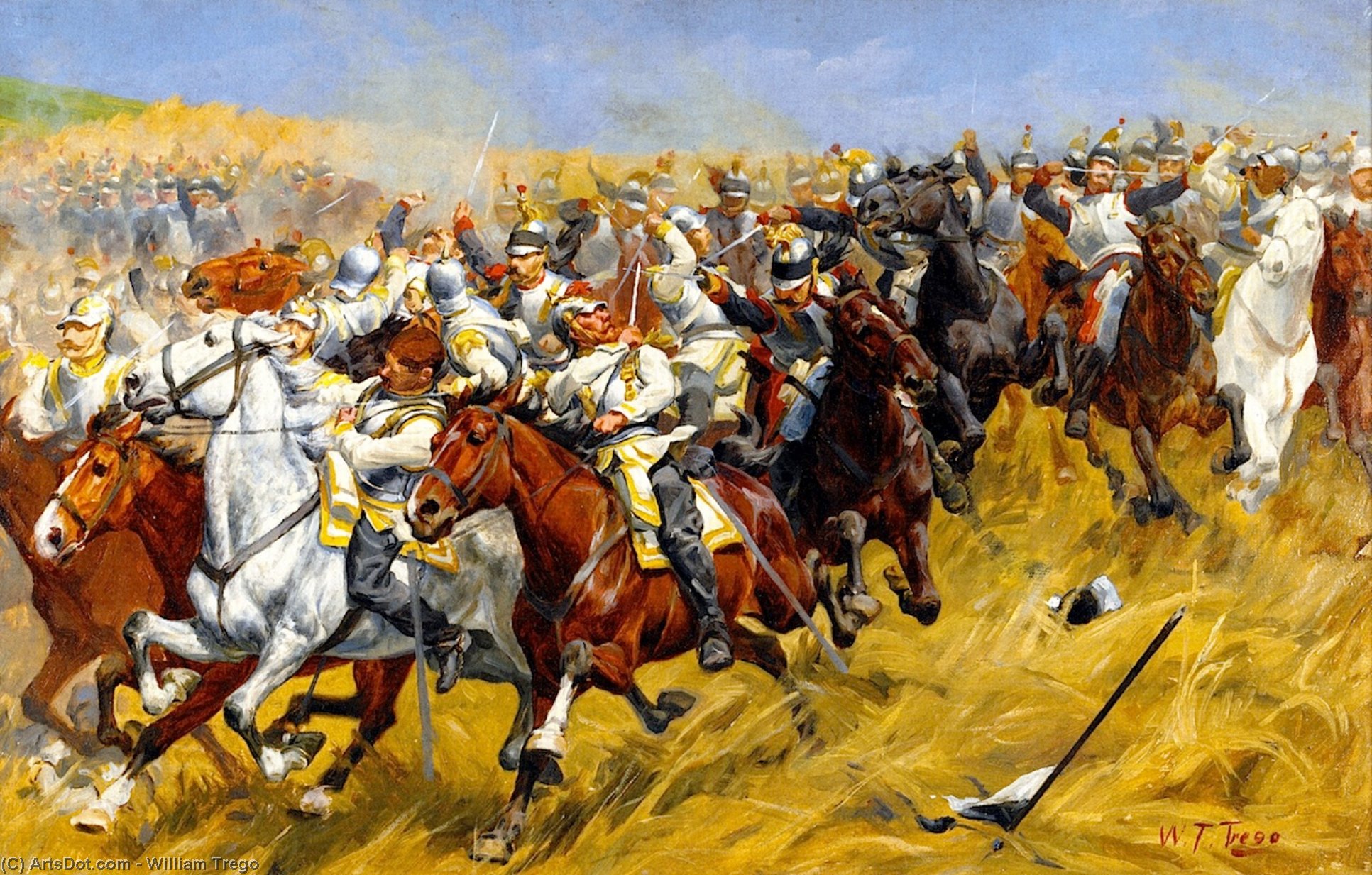
Cavalry Sketch

 Ver mais
Reprodução em Óleo Feita à Mão
Óleo sobre tela pintado à mão no seu tamanho e moldura, feito sob encomenda pelos nossos artistas. ( Comprar impressão Comprar imagem)




































Escolha entre os nossos tamanhos pré-definidos que respeitam as proporções originais da obra de arte.

Pode inserir as suas próprias dimensões para se adequar a uma moldura ou espaço específico. Se o tamanho selecionado não corresponder às proporções da imagem original, iremos cortar a obra de arte ou estender a pintura com elementos adicionais pintados à mão. Um esboço digital será enviado para sua aprovação antes do início da produção.
Tenha em atenção que a pré-visualização no ecrã não reflete o corte ou extensão real. Apenas o esboço mostrará com precisão a composição final.
Embora tamanhos personalizados estejam disponíveis, recomendamos selecionar uma dimensão da lista predefinida para preservar as proporções originais.
Após o pedido, a equipa OriginalUniqueArt.com enviará um e-mail ao cliente para solicitar instruções e fornecer uma prévia do esboço.
Entrega mundial () em 3 a 4 semanas, em vez das 5 semanas padrão. (12 Agosto). Sem comprometer a qualidade.

Envio Expresso Gratuito para todo o Mundo

Tela de Linho Premium

Seguro de transporte total

Garantia de Reembolso de Impostos Alfandegários

Garantia de Fidelidade de Cor

Política de Devolução de 60 Dias (Apenas para Defeitos)

Garantia de reembolso de 100%

Desconto para múltiplas unidades
 A opção de vidro está disponível apenas para tamanhos inferiores a 110 cm

Cavalry Sketch
Técnica de Reprodução
Dimensões da Reprodução
-


Preço Total
$ 300
Descrição da Obra
Historical Context and Artistic Style
The Cavalry Sketch depicts a dramatic scene of horsemen engaged in battle, showcasing William Trego's exceptional skill in capturing movement and energy. This painting is characteristic of the artist's style, which often featured historical and military themes. The use of oil on canvas allowed Trego to achieve a high level of detail and texture, adding depth and realism to the scene.The Cavalry Sketch is not only an impressive work of art but also an important part of American history. It provides a glimpse into the country's past, highlighting the bravery and skill of soldiers on horseback. As a handmade oil painting reproduction, this artwork can be appreciated in a new light, allowing art enthusiasts to experience the beauty and emotion of the original piece.
Similar Works and Artists
Other notable artists, such as Peter Paul Rubens, have also explored historical and military themes in their work. For example, Rubens' The Battle of the Amazons is a famous painting that showcases the artist's mastery of movement and composition. Similarly, Abraham Cooper's Cromwell At Marston Moor and Nc Wyeth's untitled (1907) demonstrate the artists' ability to capture the essence of historical events.- View more information about the Pennsylvania Academy of the Fine Arts on OriginalUniqueArt.com
- Discover William Trego's Cavalry Sketch on OriginalUniqueArt.com
- Learn more about Peter Paul Rubens and his works on OriginalUniqueArt.com
The Cavalry Sketch by William Trego is a remarkable example of American art, showcasing the artist's skill and attention to detail. As a handmade oil painting reproduction, this artwork can be appreciated by art enthusiasts around the world, providing a glimpse into the country's rich history and cultural heritage.
Biografia do Artista
A Life Forged in Resilience: The Story of William Trego
Born in the quiet Pennsylvania countryside of Yardley in 1858, William Brooke Thomas Trego’s life was a testament to the power of artistic dedication overcoming immense physical adversity. Son of the accomplished portrait and animal painter Jonathan Kirkbridge Trego, young William inherited not only his father's talent but also a challenging fate. At just two years old, he contracted an illness – possibly polio or a severe reaction to medical treatment – that left his hands and feet nearly paralyzed. This early struggle would profoundly shape his artistic journey, forcing him to develop unconventional techniques and fueling a determination that resonated throughout his career. The family’s move to Detroit when William was sixteen brought another incident—a harrowing accident with a gas jet that cost him his hair—further isolating him within the familial studio where he received most of his formative training. It was there, guided by his father's instruction, that Trego learned to paint, famously maneuvering a brush jammed into his right hand while controlling it with the left, a method born of necessity and refined through sheer willpower.From Battlefield Visions to Academic Pursuits
Trego’s breakthrough arrived in 1879 with *The Charge of Custer at Winchester*, a dramatic depiction of George Armstrong Custer's final stand that captivated audiences at the Michigan State Fair. The painting garnered significant acclaim, praised for its dynamic composition and vivid portrayal of military action. This success provided Trego with the opportunity to enroll at the prestigious Pennsylvania Academy of the Fine Arts (PAFA) in Philadelphia, a pivotal moment in his artistic development. For three years, he studied under the exacting tutelage of Thomas Eakins, immersing himself in anatomical study and rigorous figure drawing. While benefiting from Eakin’s emphasis on realism, Trego found the instructor's austere approach challenging, later acknowledging the difficulties he faced navigating that demanding environment. Despite this, his dedication yielded results; in 1882, he received the coveted Toppan Prize for *Battery of Light Artillery En Route*. However, his time at PAFA was also marked by controversy. In 1883, Trego entered the Temple Competition of Historical Paintings with a work he believed surpassed all others, only to be denied first place. He boldly pursued legal action against the Academy, arguing that his painting deserved recognition, but ultimately lost the case in the Pennsylvania Supreme Court—a testament to his unwavering conviction in his artistic vision.A Palette of History and Detail
William Trego carved a niche for himself as a painter of historical military scenes, particularly those depicting the American Revolution and Civil War. His canvases are characterized by an almost obsessive attention to detail, especially regarding uniforms, weaponry, and battlefield landscapes. He wasn’t merely illustrating events; he was meticulously reconstructing them, striving for accuracy and authenticity. This commitment stemmed from a deep fascination with history and a desire to honor the sacrifices of those who came before him. His artistic style reflects his academic training, influenced by further studies at the Académie Julian in Paris under Tony Robert-Fleury and William-Adolphe Bouguereau. These masters instilled in him a refined technique and an appreciation for classical composition. Notable works like *Quartermaster's Department: Train of Pack Mules Attacked by Mexican Cavalry, 1847* showcase his ability to capture both the grandeur and the harsh realities of military life. Even venturing into religious subjects, as seen in *Madonna and Child* (1904), Trego brought his characteristic realism and meticulous detail to bear.Facing Adversity and Finding Recognition
Despite the challenges he faced – the early paralysis, the loss of his hair, and the legal battle with the Pennsylvania Academy – William Trego persevered in his artistic pursuits. He supplemented his income through portrait commissions and illustration work, demonstrating a pragmatic approach to his career while maintaining his commitment to historical painting. His paintings are not simply records of battles; they are imbued with a sense of drama, heroism, and the human cost of war. The poignant realism he achieved, considering his physical limitations, is all the more remarkable. He continued to refine his technique, experimenting with light and shadow to create powerful visual narratives. His dedication earned him respect within the art community, though widespread recognition remained elusive during his lifetime.A Lasting Legacy
William B.T. Trego died unexpectedly in 1909 in North Wales, Pennsylvania, under circumstances that fueled speculation – some suggesting poisoning or overexertion due to the summer heat. Despite a life marked by physical challenges and professional setbacks, William Trego left behind a body of work that continues to resonate with its meticulous detail, historical accuracy, and poignant portrayal of courage and conflict. He remains a significant figure in American art history, a testament to the enduring power of artistic vision forged in the crucible of adversity. *His paintings offer not just depictions of battles, but windows into the lives and sacrifices that shaped a nation.*
William Trego
1858 - 1909 , Estados Unidos da América
Informações Rápidas
- Artistic Movement Or Style: Realismo
- Artists Or Movements Influenced By This Artist: ['Americano']
- Artists Who Influenced This Artist:
- Eakins
- Robert-Fleury
- Bouguereau
- Date Of Birth: 15 de setembro de 1858
- Date Of Death: 24 de junho de 1909
- Full Name: William Brooke Thomas Trego
- Nationality: Americano
- Notable Artworks:
- Ataque de Custer...
- Artilharia...
- Madonna...
- Place Of Birth: Yardley, EUA

