

 Visualizar em escala
 Enviar
 Compartilhar
 Ver detalhes
 Guia de Obras do Aluno

 Baixar imagem
 Semelhantes
 Raio X
 Apresentação de slides
 Estatísticas
The Sanderson Children
 Rococo
 1775
1775 91.0 x 76.0 cm
 The Holburne Museum
 Ver mais
Giclée / Impressão de Arte
Impressão giclée ou em tela de qualidade de museu, com produção rápida e opções flexíveis de acabamento. ( Encomendar reprodução pintada à mão Ver Imagem Digital)




































Escolha entre os nossos tamanhos pré-definidos que respeitam as proporções originais da obra de arte.

Você pode inserir suas próprias dimensões para se ajustar a uma moldura ou espaço específico. Se o tamanho selecionado não corresponder às proporções da imagem original, iremos recortar a obra de arte ou estender a imagem com uma borda espelhada ou preenchimento sólido. Um mockup digital será enviado para sua aprovação antes do início da produção.
Por favor, observe que a visualização na tela não reflete o recorte ou a extensão real. Apenas o mockup mostrará com precisão a composição final.
Embora tamanhos personalizados estejam disponíveis, recomendamos selecionar uma dimensão da lista predefinida para preservar as proporções originais.
Entrega mundial () em 2 semanas, em vez das 4/5 semanas padrão. (26 Setembro)

Envio expresso gratuito para todo o mundo

Tela de Linho Premium

Seguro de transporte total

Garantia de Reembolso de Impostos Alfandegários

Garantia de Fidelidade de Cor

Política de Devolução em 100 Dias (Apenas para Defeitos)

Garantia de reembolso de 100%

Desconto para múltiplas unidades
 A opção de vidro está disponível apenas para tamanhos inferiores a 110 cm

The Sanderson Children
Giclée / Impressão de Arte
Dimensões da Reprodução
-


Preço Total
$ 80
Biografia do Artista
William Tate: A Gentle Hand Capturing the Essence of 18th-Century Britain
William Tate (1766-1822), a name perhaps less heralded than his contemporaries, nevertheless stands as a quietly significant figure in the landscape of British portraiture. Born in Barnsley, South Yorkshire, into a family with roots in the textile industry, Tate’s early life offered little indication of the artistic path he would ultimately pursue. However, a keen eye for detail and an innate sensitivity to human emotion quickly manifested, leading him towards a career dedicated to capturing the nuances of character and the fleeting moments of domestic life within the confines of his studio.
Tate’s formative years were spent in London, where he apprenticed under various artists before establishing himself as an independent practitioner. His style, while initially influenced by the prevailing Rococo trends, swiftly evolved into a distinctly more restrained and psychologically astute approach. Unlike the flamboyant displays of some of his peers, Tate favored a subtle elegance, employing delicate brushwork and muted color palettes to create portraits that felt remarkably intimate and revealing. He wasn’t interested in grand gestures or theatrical poses; instead, he sought to distill the essence of his subjects – often women and children – into carefully observed studies of character.
The Sanderson Children: A Masterclass in Domestic Observation
Perhaps Tate's most celebrated work is “The Sanderson Children” (1775), a captivating depiction of three young siblings from the Sanderson family. This painting, now housed at the National Gallery, exemplifies Tate’s unique approach to portraiture. It’s not merely a likeness; it’s a window into a specific moment in time – a shared glance, a playful gesture, a quiet contemplation. The composition is remarkably naturalistic, eschewing formal arrangements for a scene that feels utterly spontaneous. Notice the way Tate captures the individual personalities of each child: the eldest, poised and observant; the middle one, brimming with youthful energy; and the youngest, lost in innocent wonder. The use of light and shadow subtly emphasizes their features, lending them an almost ethereal quality.
The painting’s success speaks to Tate's ability to elevate everyday scenes into works of art. He wasn’t interested in depicting wealth or status; instead, he focused on the simple joys and vulnerabilities of family life – a theme that resonated deeply with his audience and continues to captivate viewers today.
A Portraitist of His Time: Influences and Techniques
Tate's artistic development was undoubtedly shaped by the prevailing trends of the late 18th century, particularly the influence of artists like Thomas Gainsborough and George Romney. However, he possessed a distinctive sensibility that set him apart. His portraits often bear a resemblance to Dutch Golden Age masters, such as Rembrandt, in their use of chiaroscuro – the dramatic contrast between light and shadow – to create depth and mood. He was also deeply influenced by the works of Sir William Beechey, another prominent portraitist of his era.
Tate’s technique involved meticulous observation and a deep understanding of anatomy and perspective. He spent considerable time studying his subjects before beginning a painting, often sketching them repeatedly to capture their likeness and personality. His brushwork was remarkably smooth and refined, creating surfaces that shimmered with light. He employed a limited palette of colors – primarily browns, grays, and ochres – to achieve a sense of understated elegance.
Legacy and Historical Significance
Despite not achieving the same level of fame as some of his contemporaries, William Tate’s work holds considerable historical significance. His portraits offer invaluable insights into the social customs, domestic life, and emotional landscape of 18th-century Britain. His sensitive depictions of women and children – particularly those from humble backgrounds – provide a refreshing counterpoint to the often idealized representations of aristocratic subjects favored by other artists of his time.
Today, Tate’s paintings are treasured for their quiet beauty, psychological depth, and remarkable ability to evoke a sense of intimacy. His legacy lies not in grand pronouncements or revolutionary innovations, but in his unwavering commitment to capturing the essence of human experience with a gentle hand and an observant eye – a testament to the enduring power of portraiture as a form of social commentary and artistic expression.

Informações Rápidas
- Artistic Movement Or Style: Portraiture
- Artists Or Movements Influenced By This Artist: ['Grand Manner']
- Artists Who Influenced This Artist: ['Thomas Hudson']
- Date Of Birth: 1766
- Date Of Death: 1822
- Full Name: William Tate
- Nationality: British
- Notable Artworks:
- The Sanderson Children
- Mr Tate of Toxteth Park
- Place Of Birth: Barnsley, England
Artigos Relacionados
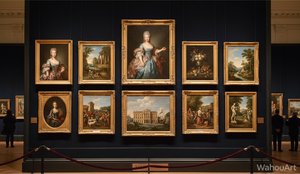
Século XVIII na Arte: 10 Obras que Definem uma Era – OriginalUniqueArt
Descubra 10 obras-primas do Século XVIII! Explore a arte de David, Fragonard e Reynolds. Neoclassicismo, Rococó e retratos icônicos ganham vida. Encontre reproduções de alta qualidade para decorar sua casa com OriginalUniqueArt.com

Rococó: 10 Obras-Primas que Definiram um Movimento Artístico Elegante | OriginalUniqueArt.com
Descubra as 10 obras-primas do Rococó! Explore a elegância de Fragonard, Boucher e Watteau. A arte do século XVIII ganha vida com cores pastel e detalhes luxuosos. Encontre reproduções de alta qualidade em OriginalUniqueArt.com.

The Enduring Legacy of Oil on Canvas: Technique, History & Aesthetic Impact
Explore the rich history & techniques of oil painting – from Renaissance masters to Impressionism. Discover pigments, layering methods, and why this timeless medium endures. Expert insights for artists & art enthusiasts.

The Rococo Aesthetic: Opulence, Rebellion & the Pursuit of Pleasure in 18th-Century Art
Explore the opulent world of Rococo art! Discover its origins, key artists like Watteau & Boucher, and lasting influence on design. Expert insights for collectors & enthusiasts.

The Elegance of Rococo: A Journey Through Pastel Dreams and Ornate Splendor
Embark on an elegant journey through the Rococo era. Discover the delicate beauty of pastel masterpieces, the intricate artistry of 18th-century French masters, and how this era of ornate splendor continues to inspire timeless luxury in fine art collecting.