
 Visualizar na parede
 Compartilhar
 Compartilhar
 Detalhes

 Baixar imagem
 Semelhantes
 Raio X
 Slideshow
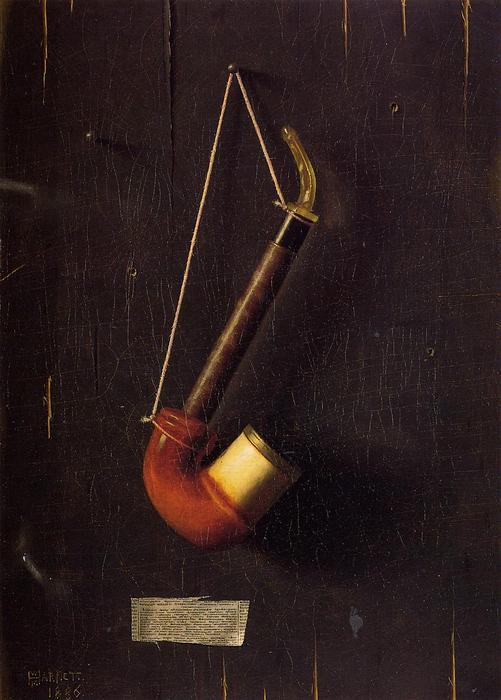
The Meerschaum


 Ler mais
Giclée / Impressão de Arte
Impressão giclée ou em tela de qualidade de museu, com produção rápida e opções flexíveis de acabamento. ( Comprar pintura feita à mão Comprar imagem)




P118B $10

P118H $10

P118W $10

P438Z $10

P508JH $12

P508YH $12

P805H $10

P805Z $10

P919BZ $10

P919G $10

P919XJ $10

P959ZH $10

P968JZ $12

W106C $8

W218G $10

W218JH $8

W218Y $10

W307PJ $10

W316G $10

W316PJ $8

W316Y $10

W398PJ $8

W4111J $10

W500HY $15

W500JH $15

W692G $12

W849H $8

W940BG $15

W953PJ $8




Escolha entre os nossos tamanhos pré-definidos que respeitam as proporções originais da obra de arte.

Você pode inserir suas próprias dimensões para se ajustar a uma moldura ou espaço específico. Se o tamanho selecionado não corresponder às proporções da imagem original, iremos recortar a obra de arte ou estender a imagem com uma borda espelhada ou preenchimento sólido. Um mockup digital será enviado para sua aprovação antes do início da produção.
Por favor, observe que a visualização na tela não reflete o recorte ou a extensão real. Apenas o mockup mostrará com precisão a composição final.
Embora tamanhos personalizados estejam disponíveis, recomendamos selecionar uma dimensão da lista predefinida para preservar as proporções originais.
Entrega mundial () em 2 semanas, em vez das 4/5 semanas padrão. (27 Agosto)

Envio expresso gratuito para todo o mundo

Tela de Linho de Alta Qualidade

Seguro de transporte completo

Garantia de Reembolso de Impostos Alfandegários

Garantia de Fidelidade Cromática

Política de Devolução em 60 Dias (Apenas para Defeitos)

Garantia de reembolso de 100%

Oferta de desconto por quantidade
 A opção de vidro está disponível apenas para tamanhos inferiores a 110 cm

The Meerschaum
Giclée / Impressão de Arte
Tamanho da Reprodução
-


Preço Total
$ 80
William Michael Harnett: The Illusionist of Everyday Life
William Michael Harnett (1848 – 1892) remains an enigmatic figure in American art history, revered for his extraordinary trompe-l'œil paintings that transform commonplace objects into breathtaking visual illusions. Born in Clonakilty, County Cork, Ireland, Harnett’s formative years were shaped by emigration to Philadelphia shortly after his birth, fostering a unique artistic sensibility rooted in both European tradition and the burgeoning realism of the American landscape. His early training encompassed engraving design on table silver – a craft demanding meticulous precision – alongside rigorous academic instruction at institutions like the Pennsylvania Academy of Fine Arts and Cooper Union. This dual influence profoundly impacted his artistic vision, equipping him with unparalleled skill in capturing light and texture to achieve astonishing effects.A Masterpiece of Trompe-l'œil Technique
Harnett’s signature style—trompe-l'œil—literally translates to “fool the eye,” and he flawlessly executed this technique throughout his career. He achieved this remarkable feat by employing oil paints with painstaking brushwork, layering tones and textures to create an illusion of depth and dimensionality that defies conventional perspective. Harnett meticulously studied the works of Raphael Peale Jr., who pioneered tabletop still life in America, absorbing lessons on capturing the subtleties of light and shadow—a cornerstone of trompe-l'œil artistry. The resulting paintings possess a captivating realism, convincing viewers into perceiving objects as if they were actually present within the frame. Consider the masterful rendering of ‘The Meerschaum,’ where Harnett skillfully manipulates color and shading to simulate the texture of wood and metal, creating an immersive experience for the observer.The Symbolism of Still Life: Reflection and Melancholy
Beyond mere technical prowess, Harnett’s paintings resonate with deeper symbolic meanings. Still life compositions frequently served as vehicles for exploring themes of contemplation, memory, and mortality—a characteristic prevalent in European art traditions during Harnett's time. The solitary pipe hanging from a rope against a dark wooden backdrop embodies these ideas; its stillness suggests introspection and invites viewers to ponder the passage of time. The muted color palette – dominated by browns and blacks – contributes to an atmosphere of melancholy, mirroring the artist’s own personal reflections on life’s ephemeral beauty. Harnett's deliberate choice of subject matter—a simple pipe—elevates it to a symbol of quiet dignity and artistic contemplation.Historical Context: The Dawn of American Realism
Harnett’s work emerged during a pivotal moment in American art history – the rise of realism following Romantic idealism. Artists like Harnett sought to depict the world as they perceived it, prioritizing accuracy and detail over idealized representations. Influenced by Dutch Golden Age painters who championed meticulous observation and tonal gradation, Harnett embraced this aesthetic approach, mirroring the artistic fervor of his era. The inclusion of a small label at the bottom left corner subtly underscores this historical context, reminding us that Harnett’s masterpiece represents a significant contribution to the burgeoning American art movement.A Legacy of Illusion and Beauty
‘The Meerschaum,’ like all of Harnett's paintings, stands as testament to his extraordinary talent—a triumph of trompe-l'œil technique combined with profound artistic sensitivity. It’s more than just a depiction of an object; it’s an invitation to engage in visual contemplation and appreciate the transformative power of art. Harnett’s legacy continues to inspire artists today, demonstrating that beauty can be found even in the most unassuming subjects when approached with unwavering dedication and masterful execution.Biografia do Artista
William Michael Harnett: O Ilusionista da Vida Cotidiana
William Michael Harnett (1848 – 1892) ergue-se como uma figura singular na história da arte americana, celebrado por suas magistrais pinturas em trompe-l'œil que elevam o mundano ao patamar de ilusões de tirar o fôlego. Nascido em Clonakilty, no Condado de Cork, Irlanda, a vida inicial de Harnett foi marcada pela emigração para Filadélfia logo após seu nascimento, moldando-o como um artista profundamente enraizado tanto na tradição europeia quanto no florescente realismo americano. Seus anos formativos foram dedicados ao aperfeiçoamento de habilidades em gravura de prata de mesa — um ofício que lhe instilou precisão e uma atenção meticulosa aos detalhes — paralelamente à busca por formação artística formal em instituições como a Pennsylvania Academy of Fine Arts e a Cooper Union.- Formação Inicial e Técnica: A dedicação de Harnett ao domínio da técnica começou com aulas noturnas na Penn e NYAD, onde absorveu influências de luminares como Raphael Peala Jr., pioneiro da natureza-morta de mesa na América. Esta influência é palpável no estilo distinto de Harnett — um afastamento deliberado das convenções acadêmicas predominantes da época.
- A Visão Trompe-l’œil: O grande salto de Harnett ocorreu com sua adoção do trompe-l’œil, uma técnica emprestada dos mestres holandeses do século XVII, como Pieter Claesz. Diferente das representações tradicionais que buscam a precisão descritiva, o trompe-l'œil busca enganar o olhar, criando uma ilusão de profundidade e tridimensionalidade em uma superfície plana. Harnett manipulava habilmente a perspectiva, o sombreamento e a textura para alcançar este feito extraordinário.
Obras Notáveis e Estilo Artístico
A obra de Harnett é caracterizada por um foco inabalável em objetos comuns — cachimbos, jornais, sacos de tabaco, violinos, maçãs, garrafas de vinho — apresentados com um nível extraordinário de realismo que beira o alucinatório. Suas pinturas não são meras representações; são convites para participar de um enigma perceptivo. Considere a série “After the Hunt”, um quarteto de telas que retrata acessórios de caça e animais abatidos. A renderização meticulosa de Harnett captura cada nuance de textura e luz, explorando as limitações do trompe-l'œil para intensificar seu impacto. O espaço raso destas pinturas é crucial — qualquer movimento do espectador interrompe a ilusão, enfatizando o gênio de Harnett em manipular a percepção visual.- Série “After the Hunt”: Esta série exemplifica perfeitamente a técnica de Harnett, demonstrando como ele utiliza truques ópticos para criar uma ilusão convincente de profundidade dentro de um espaço confinado.
- Temas Recorrentes: Motivos recorrentes incluem instrumentos (particularmente violinos), sacos de tabaco e frutas meticulosamente arranjadas — objetos que falam tanto dos interesses pessoais do artista quanto de seu engajamento mais amplo com precedentes artísticos.
Reconhecimento e Legado
O trabalho de Harnett conquistou aclamação considerável durante sua vida e continua a ressoar com o público contemporâneo. Museus como a Albright-Knox Art Gallery, o American Museum of Natural History e o Metropolitan Museum of Art exibem orgulhosamente suas pinturas, garantindo que sua visão persista através das gerações. A influência de Harnett estende-se além da imitação estilística; ele defendeu uma nova abordagem ao realismo — uma que priorizava a profundidade ilusória em vez da mera precisão superficial. Seu legado está consolidado nas obras de artistas que o sucederam, particularmente Jefferson David Chalfant, cuja técnica de trompe-l’œil deve um débito considerável à visão pioneira de Harnett.Exploração Adicional
Para mergulhar mais profundamente na jornada artística de William Michael Harnett e explorar suas pinturas cativantes, visite OriginalUniqueArt.com para informações detalhadas sobre sua vida e obra. Considere também explorar as coleções de instituições como a Residenz em Munique e o Philadelphia Museum of Art para vivenciar a arte de Harnett pessoalmente.
William Michael Harnett
1848 - 1892 , Irlanda
Dados Rápidos
- Artistic Movement Or Style: Pintura trompe l'oeil
- Artists Or Movements Influenced By This Artist: ['Realismo Americano']
- Artists Who Influenced This Artist:
- Raphaelle Peale
- Pieter Claesz
- Date Of Birth: 10 de agosto de 1848
- Date Of Death: 1892
- Full Name: William Michael Harnett
- Nationality: Irlandês-americano
- Notable Artworks:
- After the Hunt
- The Old Violin
- Music and Good Luck
- Place Of Birth: Clonakilty, Irlanda
Artigos Relacionados
William Michael Harnett: Still Life, Realism & the American Pursuit of Materiality
Explore the captivating still lifes of William Michael Harnett, a master of American realism and trompe l'oeil painting. Discover his technique, legacy & the cultural context behind his iconic works.

The Enduring Legacy of Oil on Canvas: Technique, History & Aesthetic Impact
Explore the rich history & techniques of oil painting – from Renaissance masters to Impressionism. Discover pigments, layering methods, and why this timeless medium endures. Expert insights for artists & art enthusiasts.

Oil on Canvas: A Historical & Technical Exploration of a Timeless Artistic Medium
Explore the rich history & enduring techniques of oil painting on canvas. Discover the science behind its longevity, conservation practices, and contemporary relevance. Expert insights for art enthusiasts.

Silent Narratives: Exploring the Enduring Appeal of Still Life Painting Across Centuries
Explore the rich history of still life painting with OriginalUniqueArt. Discover Dutch Masters, decode vanitas symbolism & learn about collecting timeless art. Expert insights and museum-quality reproductions.

The Enduring Power of Painting: A Historical & Contemporary Exploration of Form and Emotion
Explore the rich history & enduring techniques of oil painting with OriginalUniqueArt. Discover masterpieces, learn about art collecting, and find authentic handmade reproductions crafted by skilled artists.


