

 Visualizar na parede
 Compartilhar
 Compartilhar
 Detalhes

 Baixar imagem
 Semelhantes
 Raio X
 Slideshow
 Estatísticas
For Sunday's Dinner


 Ler mais
Reprodução em Óleo Feita à Mão
Óleo sobre tela pintado à mão no tamanho e moldura de sua escolha, feito sob encomenda pelos nossos artistas. ( Alternar para Impressão Alternar para Imagem Digital)




P118B $10

P118H $10

P118W $10

P438Z $10

P508JH $12

P508YH $12

P805H $10

P805Z $10

P919BZ $10

P919G $10

P919XJ $10

P959ZH $10

P968JZ $12

W106C $8

W218G $10

W218JH $8

W218Y $10

W307PJ $10

W316G $10

W316PJ $8

W316Y $10

W398PJ $8

W4111J $10

W500HY $15

W500JH $15

W692G $12

W849H $8

W940BG $15

W953PJ $8




Escolha entre os nossos tamanhos pré-definidos que respeitam as proporções originais da obra de arte.

Pode inserir as suas próprias dimensões para se adequar a uma moldura ou espaço específico. Se o tamanho selecionado não corresponder às proporções da imagem original, iremos cortar a obra de arte ou estender a pintura com elementos adicionais pintados à mão. Um esboço digital será enviado para sua aprovação antes do início da produção.
Tenha em atenção que a pré-visualização no ecrã não reflete o corte ou extensão real. Apenas o esboço mostrará com precisão a composição final.
Embora tamanhos personalizados estejam disponíveis, recomendamos selecionar uma dimensão da lista predefinida para preservar as proporções originais.
Após o pedido, a equipa OriginalUniqueArt.com enviará um e-mail ao cliente para solicitar instruções e fornecer uma prévia do esboço.
Entrega mundial () em 3 a 4 semanas, em vez das 5 semanas padrão. (10 Setembro). Sem comprometer a qualidade.

Envio expresso gratuito para todo o mundo

Tela de Linho de Alta Qualidade

Seguro de transporte completo

Garantia de Reembolso de Impostos Alfandegários

Garantia de Fidelidade Cromática

Política de Devolução de 100 Dias (Apenas Defeitos)

Garantia de reembolso de 100%

Oferta de desconto por quantidade
 A opção de vidro está disponível apenas para tamanhos inferiores a 110 cm

For Sunday's Dinner
Técnica de Reprodução
Tamanho da Reprodução
-


Preço Total
$ 300
William Michael Harnett: The Illusionist of Everyday Life
William Michael Harnett (1848 – 1892) stands as a singular figure in American art history, celebrated for his masterful trompe-l'œil paintings that elevate the mundane into breathtaking illusions. Born in Clonakilty, County Cork, Ireland, Harnett’s early life was marked by emigration to Philadelphia shortly after his birth, shaping him into an artist deeply rooted in both European tradition and burgeoning American realism. His formative years were spent honing skills in engraving design on table silver – a craft that instilled precision and attention to detail – alongside pursuing formal artistic training at institutions like the Pennsylvania Academy of Fine Arts and Cooper Union. This dual influence—the meticulous craftsmanship of engraving combined with the burgeoning aesthetic ideals of Impressionism—would profoundly shape Harnett’s distinctive visual language.- Early Training & Technique: Harnett’s dedication to mastering technique began with night classes at Penn and NYAD, where he absorbed influences from luminaries like Raphael Peale Jr., who pioneered tabletop still life in America. This influence is particularly evident in his early works, characterized by a painstaking rendering of texture and surface detail—a hallmark of American Realism that sought to capture the tangible world with uncompromising accuracy. Harnett’s meticulous approach extended beyond mere observation; he actively manipulated light and shadow to create convincing illusions of depth and dimensionality, mirroring techniques employed by Dutch masters during the Baroque period.
For Sunday's Dinner: A Study in Illusion
“For Sunday’s Dinner” exemplifies Harnett’s unparalleled skill as a trompe-l'œil painter—a technique that deliberately deceives the eye by presenting an image that appears to exist beyond its physical boundaries. Painted in 1888, this unsettling still life depicts a dead rooster hanging upside down from the ceiling by its feet against a dark, textured background resembling aged wood paneling. The composition is centered around the rooster, which dominates the frame with its vivid coloration contrasting sharply with the somber backdrop. Harnett’s masterful manipulation of perspective and color creates a palpable sense of unease, prompting viewers to question what they perceive as “real.”
- Composition & Color Palette: The painting employs a central and symmetrical composition, drawing immediate attention to the suspended rooster. The vertical orientation emphasizes the bird’s hanging posture. The background consists of dark wooden planks with ornate metal hinges and corner pieces, providing a sense of enclosure and adding visual interest without distracting from the main subject. Harnett utilizes a warm color palette dominated by yellows, oranges, and browns in the rooster’s plumage, juxtaposed against deep, muted browns and blacks of the background. Subtle highlights suggest light reflecting off the feathers and metal hardware—a deliberate tactic designed to heighten realism and reinforce the illusion of depth.
Symbolism & Emotional Impact
Beyond its technical brilliance, “For Sunday’s Dinner” carries significant symbolic weight. The image evokes themes of life, death, and consumption – confronting viewers with the unsettling reality that beauty can coexist alongside decay. Harnett's choice to depict a deceased animal—a common motif in Victorian art—underscores the inevitability of mortality while simultaneously referencing the ritualistic preparation for sustenance. The title itself is deliberately ironic, highlighting the juxtaposition between domestic tranquility and morbid contemplation.
- Style & Technique: Harnett’s style is rooted in American Realism, characterized by meticulous detail and a focus on everyday objects. He employed oil paint on canvas to achieve a high degree of verisimilitude—a painstaking process that involved layering thin glazes of pigment to build up tonal variations and create luminous surfaces. The artist's unwavering commitment to capturing the materiality of his subjects—the rough texture of wood grain, the metallic sheen of hinges—is testament to Harnett’s profound understanding of artistic principles and his desire to engage viewers on a visceral level.
Historical Context & Legacy
Harnett's work emerged during a period of significant cultural change in America, as Impressionism gained traction alongside the rise of industrialization and urbanization. Unlike many artists of his time who sought to glorify heroic narratives or idealized landscapes, Harnett turned his gaze inward—focusing on seemingly insignificant objects and scenes—to explore profound philosophical questions about existence and perception. His enduring influence can be seen in subsequent generations of American painters who embraced trompe-l'œil as a means of challenging conventional notions of representation and inviting viewers to actively participate in the artistic experience.
- Further Research: Harnett’s fascination with illusion extended beyond painting into other mediums, including engraving design on table silver—a craft that instilled precision and attention to detail. Explore William Michael Harnett’s stunning trompe-l'œil still lifes of everyday objects – a unique American style inspired by Dutch masters. Discover his legacy! For Sunday's Dinner
Additional Resources
Explore William Michael Harnett’s artistic journey through biographical accounts and critical analyses—illuminating the intellectual currents that shaped his vision and solidified his place as a pivotal figure in American art history.
Biografia do Artista
William Michael Harnett: O Ilusionista da Vida Cotidiana
William Michael Harnett (1848 – 1892) ergue-se como uma figura singular na história da arte americana, celebrado por suas magistrais pinturas em trompe-l'œil que elevam o mundano ao patamar de ilusões de tirar o fôlego. Nascido em Clonakilty, no Condado de Cork, Irlanda, a vida inicial de Harnett foi marcada pela emigração para Filadélfia logo após seu nascimento, moldando-o como um artista profundamente enraizado tanto na tradição europeia quanto no florescente realismo americano. Seus anos formativos foram dedicados ao aperfeiçoamento de habilidades em gravura de prata de mesa — um ofício que lhe instilou precisão e uma atenção meticulosa aos detalhes — paralelamente à busca por formação artística formal em instituições como a Pennsylvania Academy of Fine Arts e a Cooper Union.- Formação Inicial e Técnica: A dedicação de Harnett ao domínio da técnica começou com aulas noturnas na Penn e NYAD, onde absorveu influências de luminares como Raphael Peala Jr., pioneiro da natureza-morta de mesa na América. Esta influência é palpável no estilo distinto de Harnett — um afastamento deliberado das convenções acadêmicas predominantes da época.
- A Visão Trompe-l’œil: O grande salto de Harnett ocorreu com sua adoção do trompe-l’œil, uma técnica emprestada dos mestres holandeses do século XVII, como Pieter Claesz. Diferente das representações tradicionais que buscam a precisão descritiva, o trompe-l'œil busca enganar o olhar, criando uma ilusão de profundidade e tridimensionalidade em uma superfície plana. Harnett manipulava habilmente a perspectiva, o sombreamento e a textura para alcançar este feito extraordinário.
Obras Notáveis e Estilo Artístico
A obra de Harnett é caracterizada por um foco inabalável em objetos comuns — cachimbos, jornais, sacos de tabaco, violinos, maçãs, garrafas de vinho — apresentados com um nível extraordinário de realismo que beira o alucinatório. Suas pinturas não são meras representações; são convites para participar de um enigma perceptivo. Considere a série “After the Hunt”, um quarteto de telas que retrata acessórios de caça e animais abatidos. A renderização meticulosa de Harnett captura cada nuance de textura e luz, explorando as limitações do trompe-l'œil para intensificar seu impacto. O espaço raso destas pinturas é crucial — qualquer movimento do espectador interrompe a ilusão, enfatizando o gênio de Harnett em manipular a percepção visual.- Série “After the Hunt”: Esta série exemplifica perfeitamente a técnica de Harnett, demonstrando como ele utiliza truques ópticos para criar uma ilusão convincente de profundidade dentro de um espaço confinado.
- Temas Recorrentes: Motivos recorrentes incluem instrumentos (particularmente violinos), sacos de tabaco e frutas meticulosamente arranjadas — objetos que falam tanto dos interesses pessoais do artista quanto de seu engajamento mais amplo com precedentes artísticos.
Reconhecimento e Legado
O trabalho de Harnett conquistou aclamação considerável durante sua vida e continua a ressoar com o público contemporâneo. Museus como a Albright-Knox Art Gallery, o American Museum of Natural History e o Metropolitan Museum of Art exibem orgulhosamente suas pinturas, garantindo que sua visão persista através das gerações. A influência de Harnett estende-se além da imitação estilística; ele defendeu uma nova abordagem ao realismo — uma que priorizava a profundidade ilusória em vez da mera precisão superficial. Seu legado está consolidado nas obras de artistas que o sucederam, particularmente Jefferson David Chalfant, cuja técnica de trompe-l’œil deve um débito considerável à visão pioneira de Harnett.Exploração Adicional
Para mergulhar mais profundamente na jornada artística de William Michael Harnett e explorar suas pinturas cativantes, visite OriginalUniqueArt.com para informações detalhadas sobre sua vida e obra. Considere também explorar as coleções de instituições como a Residenz em Munique e o Philadelphia Museum of Art para vivenciar a arte de Harnett pessoalmente.
William Michael Harnett
1848 - 1892 , Irlanda
Dados Rápidos
- Artistic Movement Or Style: Pintura trompe l'oeil
- Artists Or Movements Influenced By This Artist: ['Realismo Americano']
- Artists Who Influenced This Artist:
- Raphaelle Peale
- Pieter Claesz
- Date Of Birth: 10 de agosto de 1848
- Date Of Death: 1892
- Full Name: William Michael Harnett
- Nationality: Irlandês-americano
- Notable Artworks:
- After the Hunt
- The Old Violin
- Music and Good Luck
- Place Of Birth: Clonakilty, Irlanda
Artigos Relacionados

Realismo Americano: 10 Obras-Primas que Moldaram a Arte e Decoram o Lar
Descubra as 10 obras-primas do Realismo Americano! Explore a história de Hopper, Homer e Cassatt. Encontre reproduções de arte com qualidade museológica para decorar sua casa. Inspire-se em cores vibrantes e atmosferas únicas. Explore a coleção completa na OriginalUniqueArt.com.
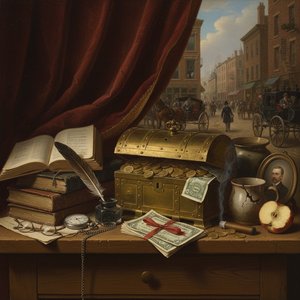
William Michael Harnett: Still Life, Realism & the American Pursuit of Materiality
Explore the captivating still lifes of William Michael Harnett, a master of American realism and trompe l'oeil painting. Discover his technique, legacy & the cultural context behind his iconic works.
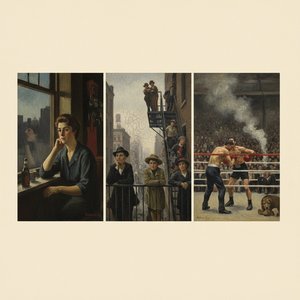
American Realism: Social Commentary & Artistic Representation in Early 20th-Century Painting
Explore the powerful social commentary & artistic representation of American Realism. Discover key artists like Bellows & Sloan, and understand the movement's lasting impact on 20th-century art history.

The Unvarnished Truth: A Cultural Journey Through the Soul of American Realism
Explore the profound beauty of American Realism. From the Ashcan School's urban grit to intimate portraits, discover how artists captured the authentic soul of a nation through unvarnished truth and masterful observation.
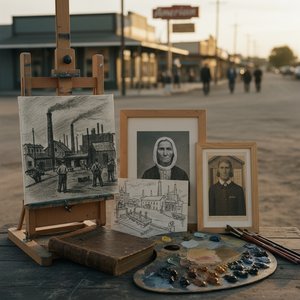
American Realism: Capturing the Raw Soul of a Nation Through the Lens of Art History
Explore the profound depth of American Realism. From the gritty Ashcan School to poignant social landscapes, discover how masters captured the raw soul of a nation through evocative oil paintings and timeless art history.

