

 Visualizar na parede
 Compartilhar
 Compartilhar
 Detalhes
 Guia
Guia

 Baixar imagem
 Semelhantes
 Raio X
 Ver diaporama
 Estatísticas
Still Life


 Ler mais
Giclée / Impressão de Arte
Impressão giclée ou em tela de qualidade de museu, com produção rápida e opções flexíveis de acabamento. ( Comprar pintura feita à mão Alternar para Imagem Digital)




P118B €10

P118H €10

P118W €10

P438Z €10

P508JH €12

P508YH €12

P805H €10

P805Z €10

P919BZ €10

P919G €10

P919XJ €10

P959ZH €10

P968JZ €12

W106C €8

W218G €10

W218JH €8

W218Y €10

W307PJ €10

W316G €10

W316PJ €8

W316Y €10

W398PJ €8

W4111J €10

W500HY €15

W500JH €15

W692G €12

W849H €8

W940BG €15

W953PJ €8




Escolha entre os nossos tamanhos pré-definidos que respeitam as proporções originais da obra de arte.

Insira a largura e a altura desejadas para se ajustarem à sua moldura ou parede. Uma impressão pode ser apenas cortada, nunca ampliada além da imagem original; portanto, um tamanho com proporções diferentes resultará na perda de parte da imagem. Enviamos uma maquete digital para sua aprovação antes de realizarmos a impressão. A imagem exibida nesta página não mostra o corte real — apenas a maquete o faz.
Entrega mundial () em 2 semanas, em vez das 4/5 semanas padrão. (27 Outubro)

Envio expresso gratuito para todo o mundo

Tela de Linho de Alta Qualidade

Seguro de transporte completo

Garantia de Reembolso de Impostos Alfandegários

Garantia de Fidelidade Cromática

Política de Devolução em 100 Dias (Apenas para Defeitos)

Garantia de reembolso de 100%

Oferta de desconto por quantidade
 A opção de vidro está disponível apenas para tamanhos inferiores a 110 cm

Still Life
Giclée / Impressão de Arte
Tamanho da Reprodução
-


Preço Total
€ 70
William Merritt Chase’s “Still Life with Fish”: A Glimpse of Transient Beauty
William Merritt Chase's "Still Life with Fish," painted around 1903, isn’t merely a depiction of marine life; it’s a carefully orchestrated meditation on light, color, and the fleeting nature of beauty. This oil-on-canvas work, measuring approximately 45.72 by 74.3 centimeters (18 inches by 29.3 inches), resides within the Brooklyn Museum's collection, offering viewers an intimate encounter with a master of American Impressionism. Chase, deeply influenced by the luminist movement and the vibrant palettes of Monet and Renoir, sought to capture not just the appearance of objects but their very essence—the way light dances upon surfaces and evokes emotion.
The composition is deceptively simple yet profoundly effective. A dark, almost velvety background anchors the scene, drawing the eye immediately to a central arrangement of fish resting on what appears to be a table or ledge. These aren’t scientifically accurate representations; rather, they are imbued with Chase's characteristic expressive brushstrokes and vibrant hues. The fish themselves—likely skate or similar species—are rendered in shades of deep blues, greens, and shimmering silver, their scales catching the light with an almost iridescent quality. A pair of golden bowls, reflecting the surrounding colors, adds a layer of complexity and intrigue, suggesting both abundance and the transient nature of pleasure.
The Influence of Luminism and Impressionist Techniques
Chase’s approach to painting was deeply rooted in the principles of Luminism, a movement emphasizing light and atmosphere. However, he skillfully blended these techniques with the loose brushwork and vibrant color palettes associated with Impressionism. He employed broken color—applying small, distinct strokes of paint rather than blending them smoothly—to create a sense of shimmering luminosity. This technique is particularly evident in the depiction of the fish scales, which appear to ripple and shift with reflected light. Chase’s use of complementary colors – blues and oranges, greens and reds – further enhances this effect, creating visual excitement and depth.
Furthermore, Chase's background as a teacher at the Art Students League profoundly shaped his artistic philosophy. He encouraged his students to prioritize direct observation and emotional response over rigid academic rules. This emphasis on capturing the *feeling* of a scene is palpable in “Still Life with Fish,” where the painting isn’t simply a representation of objects but an evocation of their beauty and the moment in time when they were observed.
Symbolism and the Ephemeral Nature of Beauty
Beyond its purely aesthetic qualities, "Still Life with Fish" carries layers of symbolic meaning. The fish themselves can be interpreted as symbols of abundance, prosperity, or even mortality—a reminder that all things are fleeting. The golden bowls, reflecting light and color, might represent the ephemeral nature of pleasure and beauty, suggesting a desire to capture these moments before they vanish.
Chase’s choice of subject matter – everyday objects arranged in a still life – elevates them to an artistic level. He transforms mundane items into objects of contemplation, inviting viewers to appreciate the inherent beauty in the ordinary. The painting speaks to the artist's belief that even the simplest things can hold profound meaning and evoke powerful emotions.
A Legacy of Light and Color
“Still Life with Fish” stands as a testament to William Merritt Chase’s mastery of light, color, and composition. It exemplifies his ability to capture not just the appearance of objects but their very essence—the way they interact with light and evoke emotion. The painting's enduring appeal lies in its ability to transport viewers to a moment of quiet contemplation, reminding us of the beauty that surrounds us and the fleeting nature of time. Reproductions of this work offer a remarkable opportunity to experience Chase’s artistic vision firsthand, bringing a touch of luminous elegance to any space.
Perguntas e Respostas
As cores de "Still Life" são vibrantes ou suaves?
A cor de "Still Life" apresenta Muted de saturação e Monochromatic de intensidade.
Em que ano foi criada a obra "Still Life", de William Merritt Chase?
"Still Life" data de 1915. A data situa a obra na carreira de William Merritt Chase e em sua época.
Existe uma ficha informativa sobre "Still Life", de William Merritt Chase para estudantes?
O guia para "Still Life" é a página de Ficha informativa da obra — uma ficha informativa imprimível que apresenta a obra com sua legenda, autoria e tabela de identificação (artista, datas, técnica, tamanho original, coleção).
Biografia do Artista
A Life Painted in Light: The World of William Merritt Chase
William Merritt Chase, um nome sinônimo da efervescência do Impressionismo americano, foi muito mais que um pintor; ele foi uma força motriz fundamental na formação da identidade artística da nação no início do século XX. Nascido em 1º de novembro de 1849, nas humildes circunstâncias de Williamsburg (posteriormente Nineveh), Indiana, a jornada de Chase, desde as origens rurais até se tornar um artista celebrado e educador influente, é um testemunho de sua dedicação inabalável e talento inerente. Sua vida inicial foi marcada por uma mudança familiar para Indianapolis em 1861, onde inicialmente auxiliou em seus negócios familiares. No entanto, mesmo em meio a essas obrigações práticas, as sementes da paixão artística foram plantadas, nutrindo-se pelos estudos com instrutores locais Barton S. Hays e Jacob Cox. Esse treinamento fundamental acendeu um desejo de exploração mais profunda, levando-o brevemente ao serviço naval antes de finalmente se direcionar para o vibrante cenário artístico de Nova York em 1869. Lá, sob a tutela de Joseph Oriel Eaton na Academia Nacional de Design, e posteriormente Lemuell Wilmarth, um aluno de Jean-Léon Gérôme, Chase começou a aperfeiçoar suas habilidades, lançando as bases para uma carreira que redefiniria a pintura americana. Um revés financeiro temporário o forçou a se mudar para St. Louis em 1870, mas mesmo esse desafio provou ser frutífero, permitindo-lhe estabelecer-se dentro da comunidade artística local e ganhar reconhecimento por seu talento crescente.Das Raízes Acadêmicas ao Brilho Impressionista
O desenvolvimento artístico de Chase não foi um salto repentino para o Impressionismo, mas sim uma evolução gradual informada por treinamento acadêmico rigoroso e extensas viagens pelo exterior. Um ponto crucial foi sua estada prolongada em Munique, começando em 1872, onde estudou na Academia de Artes sob a tutela de Alexander von Wagner e Karl von Piloty. Este período lhe conferiu maestria nas técnicas tradicionais e uma inclinação para composições dramáticas, mas mesmo durante uma visita subsequente à Veneza com outros artistas americanos Frank Duveneck e John Twachtman, Chase começou a abraçar uma abordagem mais livre para a pintura. Inspirado pela luz luminosa e pelas cores vibrantes da paisagem italiana, ele começou a experimentar pinceladas mais soltas e uma sensibilidade aumentada aos efeitos atmosféricos. Ao retornar a Nova York em 1878, Chase abraçou plenamente os princípios impressionistas, capturando momentos fugazes da vida moderna com um estilo enérgico e cativante. Obras como Keying Up – The Court Jester (1876), exibidas para aclamação crítica no Boston Art Club e na Exposição Centenária de Filadélfia, demonstraram sua capacidade de transmitir movimento e personalidade por meio de pinceladas ousadas e uma composição dinâmica. Ele continuou a explorar diversos temas – retratos marcantes como Retrato de Virginia Gerson, paisagens evocativas como Gowanus Bay (aka Misty Day, Gowanus Bay), e cenas que retratam a vitalidade da vida urbana, incluindo Alice Fernandez. Outras obras notáveis incluem “A Friendly Call”, “A Study in Curves” e “Terrace at the Mall, Central Park”.O Educador: Moldando uma Geração de Artistas
Além de suas conquistas como pintor, William Merritt Chase deixou um legado indelével na arte americana por meio de sua dedicação à educação artística. Reconhecendo a necessidade de uma educação artística inovadora, ele fundou a Escola Chase em Nova York em 1896, que mais tarde evoluiu para o Parsons The New School for Design. Esta instituição tornou-se um terreno fértil para o talento artístico, enfatizando a observação direta, a proficiência técnica e a experimentação criativa. Ao contrário de muitos de seus contemporâneos que favoreciam uma instrução acadêmica rígida, Chase encorajou seus alunos a desenvolverem suas vozes individuais e explorarem estilos diversos. Ele ocupou cargos de ensino na Pennsylvania Academy of the Fine Arts, no Art Students League e na Brooklyn Art Association, disseminando sua filosofia artística para longe e largo. Sua influência se estendeu a inúmeros artistas, incluindo Wayman Elbridge Adams, que o reconheceu abertamente como um mentor. A ênfase na pintura ao ar livre – pintar diretamente da natureza – tornou-se uma pedra angular de sua abordagem pedagógica, promovendo uma conexão mais profunda entre os alunos e seus assuntos.Legado e Significado Histórico
O lugar de William Merritt Chase na história da arte americana é seguro. Ele pontuou a lacuna entre as tradições acadêmicas estabelecidas e o emergente movimento Impressionista, contribuindo significativamente para o desenvolvimento de uma identidade artística distintamente americana. Seu compromisso em capturar a essência da vida moderna – os agitados cenários urbanos, os íntimos interiores domésticos e os agradáveis empreendimentos de sua época – ressoou com o público ansioso por uma nova linguagem visual. Embora seus anos posteriores tenham visto um eclipse temporário no reconhecimento crítico, seu trabalho experimentou um ressurgimento recente, consolidando sua reputação como um dos pintores mais importantes e influentes da América. Ele não estava apenas documentando cenas; ele estava interpretando o espírito de uma nação em evolução por meio das vibrantes lentes do Impressionismo. Sua influência se estende além de suas telas para inúmeros artistas que ele inspirou, garantindo que sua abordagem inovadora à pintura continue a moldar a paisagem da arte americana por gerações.
William Merritt Chase
1849 - 1916 , Estados Unidos da América
Dados Rápidos
- Artistic Movement Or Style: Impressionismo
- Artists Or Movements Influenced By This Artist: ['Wayman Elbridge Adams']
- Artists Who Influenced This Artist: ['Jean-Léon Gérôme']
- Date Of Birth: 1 nov 1849
- Date Of Death: 25 out 1916
- Full Name: William Merritt Chase
- Nationality: Americano
- Notable Artworks:
- Keying Up
- Idle Hours
- A Study in Curves
- Place Of Birth: Nineveh, EUA
Artigos Relacionados

Frederick Childe Hassam: American Impressionism's Chronicler of Light & Modern Life
Explore the captivating world of Frederick Childe Hassam, a pioneer of American Impressionism. Discover his iconic paintings capturing light, urban life & coastal beauty. Learn about his legacy and influence on American art history.
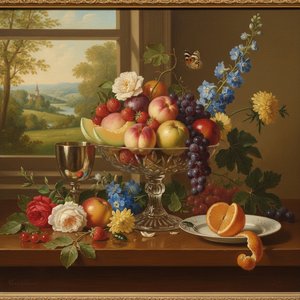
Severin Roesen: Evoking National Identity Through American Still Life Painting
Explore the captivating world of Severin Roesen, a major American still life painter influenced by Dutch masters. Discover his lush compositions and the symbolism within his art – a window into 19th-century America.

William Merritt Chase: A Study in American Impressionism & Artistic Luminosity
Explore the life & work of William Merritt Chase, a leading American Impressionist painter and influential art educator. Discover his vibrant portraits, landscapes, and lasting legacy with OriginalUniqueArt.
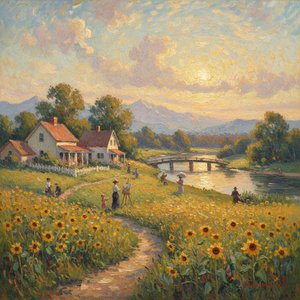
Capturing a Nation's Light: Exploring the American Impressionist Movement
Explore the captivating world of American Impressionism! Discover key artists, techniques & its lasting impact on art history. Find museum-quality reproductions and expert guidance at OriginalUniqueArt.
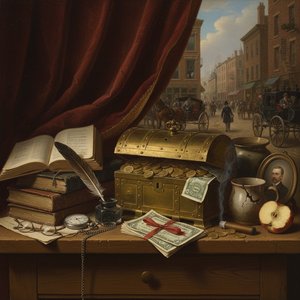
William Michael Harnett: Still Life, Realism & the American Pursuit of Materiality
Explore the captivating still lifes of William Michael Harnett, a master of American realism and trompe l'oeil painting. Discover his technique, legacy & the cultural context behind his iconic works.


