

 Visualizar na parede
 Compartilhar
 Compartilhar
 Detalhes
 Guia
Guia

 Baixar imagem
 Semelhantes
 Raio X
 Ver diaporama
 Estatísticas
Interior Scene


 Ler mais
Giclée / Impressão de Arte
Impressão giclée ou em tela de qualidade de museu, com produção rápida e opções flexíveis de acabamento. ( Comprar pintura feita à mão Alternar para Imagem Digital)




































Escolha entre os nossos tamanhos pré-definidos que respeitam as proporções originais da obra de arte.

Insira a largura e a altura desejadas para se ajustarem à sua moldura ou parede. Uma impressão pode ser apenas cortada, nunca ampliada além da imagem original; portanto, um tamanho com proporções diferentes resultará na perda de parte da imagem. Enviamos uma maquete digital para sua aprovação antes de realizarmos a impressão. A imagem exibida nesta página não mostra o corte real — apenas a maquete o faz.
Entrega mundial () em 2 semanas, em vez das 4/5 semanas padrão. (28 Outubro)

Envio expresso gratuito para todo o mundo

Tela de Linho de Alta Qualidade

Seguro de transporte completo

Garantia de Reembolso de Impostos Alfandegários

Garantia de Fidelidade Cromática

Política de Devolução em 100 Dias (Apenas para Defeitos)

Garantia de reembolso de 100%

Oferta de desconto por quantidade
 A opção de vidro está disponível apenas para tamanhos inferiores a 110 cm

Interior Scene
Giclée / Impressão de Arte
Tamanho da Reprodução
-


Preço Total
€ 70
Biografia do Artista
William Kidd: A Romantic Observer of Everyday Life
William Kidd (1796 – 1863) emerges from the annals of 19th-century British art as a quietly compelling figure, an observer of domesticity and rural life rendered with a charming blend of realism and gentle humor. While not commanding the same immediate fame as his contemporaries like Turner or Constable, Kidd’s prolific output – over 200 paintings – offers a remarkably intimate glimpse into the social fabric of his time, revealing a keen eye for detail and an ability to capture the nuances of human interaction within seemingly ordinary scenes.
Born in Edinburgh in 1796, Kidd's early life remains somewhat shrouded in mystery. He began his artistic training under James Howe, a renowned animal painter, gaining foundational skills that would later inform his approach to depicting figures and settings. This apprenticeship instilled a meticulousness and attention to detail, particularly evident in his rendering of fabrics, furniture, and the subtle expressions on his subjects’ faces. Kidd's career unfolded primarily in London, where he established himself as a successful artist catering to a discerning clientele who appreciated his ability to portray familiar scenes with an air of gentle amusement.
The Style and Themes of a Romantic Observer
Kidd’s artistic style is often categorized within the broader framework of Romanticism, though it possesses distinct characteristics that set him apart. He eschewed the dramatic landscapes favored by some of his contemporaries, instead focusing on scenes of everyday life – cozy interiors, bustling market squares, and quiet moments in rural settings. His paintings are characterized by a warm palette, soft lighting, and an emphasis on domestic tranquility. He frequently depicted scenes of leisure and indulgence, often featuring wealthy gentlemen enjoying their estates or indulging in convivial gatherings.
A recurring theme in Kidd’s work is the contrast between wealth and simple pleasures. He masterfully portrays the opulence of the upper classes – lavish furnishings, exotic fruits, and fine clothing – juxtaposed with scenes of quiet contentment and modest enjoyment. This subtle commentary on social hierarchy and human nature is a hallmark of his artistic sensibility. His illustrations for works by Walter Scott and Robert Burns further cemented his reputation as a skilled draughtsman and interpreter of literary themes.
Influences and Artistic Development
Kidd’s artistic development was undoubtedly shaped by the work of David Wilkie, a Scottish painter known for his scenes of London life. Wilkie's ability to capture fleeting moments of human interaction with remarkable immediacy and realism served as a significant influence on Kidd’s approach to composition and characterization. The influence is particularly evident in works like “Indulgence,” where the languid pose of the elderly gentleman, surrounded by symbols of wealth and comfort, mirrors the relaxed atmosphere depicted in Wilkie's paintings.
Furthermore, Kidd’s meticulous attention to detail and his skillful rendering of fabrics and textures owe a debt to the Dutch Masters, particularly Rembrandt. He meticulously studied their use of light and shadow, employing similar techniques to create depth and volume within his compositions. His work also reflects the influence of English portraiture, with its emphasis on capturing individual character and personality.
Major Works and Legacy
Among Kidd’s most celebrated works are “Indulgence,” a delightful depiction of an elderly gentleman enjoying the fruits of his wealth; “The Shoemaker,” which captures the quiet dignity of a humble craftsman; and numerous illustrations for Walter Scott's novels, including "Ivanhoe" and "Rob Roy." These paintings demonstrate his versatility as an artist, showcasing his ability to render both grand scenes and intimate portraits with equal skill.
Despite not achieving widespread fame during his lifetime, William Kidd’s legacy endures through the sheer volume of his output and the enduring appeal of his charming genre scenes. His work offers a valuable window into the social customs and domestic life of 19th-century Britain, revealing a keen eye for detail and a subtle commentary on human nature. Today, his paintings are treasured in private collections and public galleries alike, testament to their lasting artistic merit.
A Continuing Exploration
Further research into William Kidd’s life and work continues to reveal new insights into this enigmatic artist. His prolific output provides a rich source of material for art historians and scholars seeking to understand the complexities of 19th-century British society. His paintings remain a testament to his skill, observation, and enduring ability to capture the beauty and humor of everyday life.

William Kidd
1796 - 1863
Dados Rápidos
- Artistic Movement Or Style: Romantic Era
- Artists Or Movements Influenced By This Artist:
- Walter Scott
- Robert Burns
- Artists Who Influenced This Artist: ['David Wilkie']
- Date Of Birth: 1796
- Date Of Death: 1863
- Full Name: William Kidd
- Nationality: Scottish
- Notable Artworks:
- Indulgence
- Burns & Scott Illustrations
- Place Of Birth: Edinburgh, Scotland
Artigos Relacionados

The Enduring Power of Painting: A Historical & Contemporary Exploration of Form and Emotion
Explore the rich history & enduring techniques of oil painting with OriginalUniqueArt. Discover masterpieces, learn about art collecting, and find authentic handmade reproductions crafted by skilled artists.
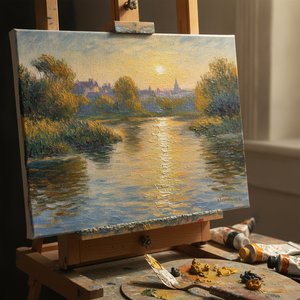
The Soul of Impressionism: Why Oil on Canvas Captures Eternal Light and Timeless Emotion
Discover the enchanting alchemy of Impressionism. Explore how the mastery of oil on canvas, through glazing and impasto, captures eternal light and emotion. Perfect for lovers of Monet and Van Gogh seeking the profound depth of hand-painted fine art.

Século XIX na Arte: 10 Obras que Definem uma Era | OriginalUniqueArt
Mergulhe no século XIX com 10 obras de arte icônicas! Explore Monet, Renoir e Van Gogh. Descubra a história, técnica e emoção por trás dos mestres do Impressionismo e Realismo. Encontre reproduções de alta qualidade em OriginalUniqueArt.com.

Oil on Canvas: A Historical & Technical Exploration of a Timeless Artistic Medium
Explore the rich history & enduring techniques of oil painting on canvas. Discover the science behind its longevity, conservation practices, and contemporary relevance. Expert insights for art enthusiasts.

The Enduring Legacy of Oil on Canvas: Technique, History & Aesthetic Impact
Explore the rich history & techniques of oil painting – from Renaissance masters to Impressionism. Discover pigments, layering methods, and why this timeless medium endures. Expert insights for artists & art enthusiasts.