
 Visualizar em escala
 Enviar
 Compartilhar
 Ver detalhes
 Guia de Obras do Aluno

 Baixar imagem
 Semelhantes
 Raio X
 Apresentação de slides
 Estatísticas
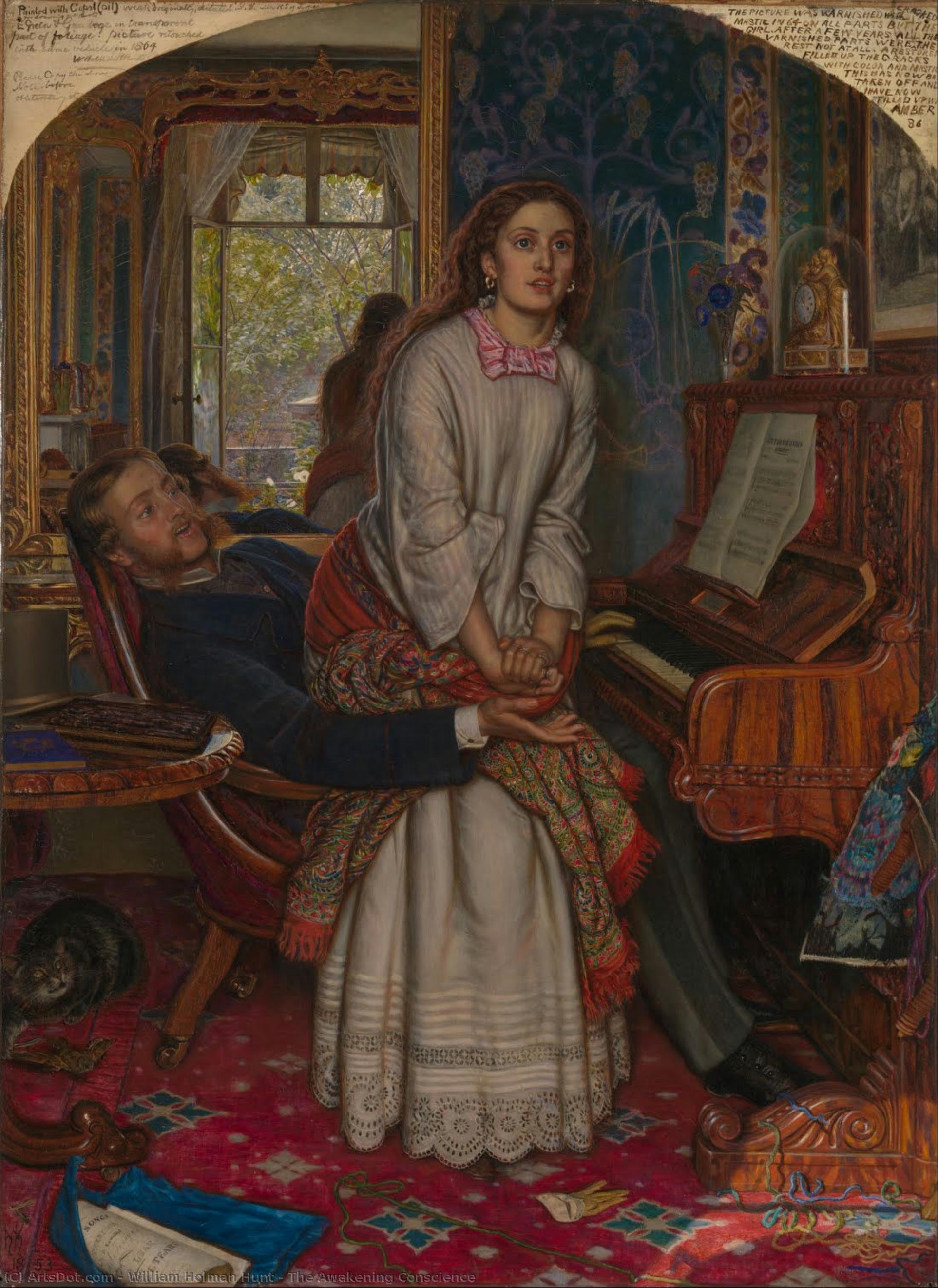
The Awakening Conscience
 Oil On Canvas
- WallArt
- Pre-Raphaelite Brotherhood
 1853
1853 55.0 x 76.0 cm
 Tate Britain
 Ver mais
Giclée / Impressão de Arte
Impressão giclée ou em tela de qualidade de museu, com produção rápida e opções flexíveis de acabamento. ( Encomendar reprodução pintada à mão Ver Imagem Digital)




P118B €10

P118H €10

P118W €10

P438Z €10

P508JH €12

P508YH €12

P805H €10

P805Z €10

P919BZ €10

P919G €10

P919XJ €10

P959ZH €10

P968JZ €12

W106C €8

W218G €10

W218JH €8

W218Y €10

W307PJ €10

W316G €10

W316PJ €8

W316Y €10

W398PJ €8

W4111J €10

W500HY €15

W500JH €15

W692G €12

W849H €8

W940BG €15

W953PJ €8




Escolha entre os nossos tamanhos pré-definidos que respeitam as proporções originais da obra de arte.

Digite a largura e a altura de que necessita, para se ajustar à sua moldura ou à sua parede. Uma impressão só pode ser cortada, nunca ampliada além da imagem original, pelo que um tamanho com uma proporção diferente perderá parte da imagem. Enviamos-lhe uma maquete digital para aprovação antes de imprimirmos qualquer coisa. A imagem apresentada nesta página não mostra o corte real — apenas a maquete o faz.
Entrega mundial () em 2 semanas, em vez das 4/5 semanas padrão. (22 Outubro)

Envio expresso gratuito para todo o mundo

Tela de Linho Premium

Seguro de transporte total

Garantia de Reembolso de Impostos Alfandegários

Garantia de Fidelidade de Cor

Política de Devolução em 100 Dias (Apenas para Defeitos)

Garantia de reembolso de 100%

Desconto para múltiplas unidades
 A opção de vidro está disponível apenas para tamanhos inferiores a 110 cm

The Awakening Conscience
Giclée / Impressão de Arte
Dimensões da Reprodução
-


Preço Total
€ 70
The Awakening Conscience: A Victorian Portrait of Moral Reckoning
William Holman Hunt’s “The Awakening Conscience,” painted in 1853, isn't merely a depiction of a clandestine rendezvous; it’s a meticulously crafted tableau of moral crisis and spiritual awakening, a profound exploration of Victorian sensibilities. This oil-on-canvas masterpiece transcends the conventions of portraiture, offering a window into the anxieties and aspirations of a society grappling with rapid social change and burgeoning religious introspection. Hunt, a founding member of the Pre-Raphaelite Brotherhood, deliberately eschewed the polished idealism of academic art, instead embracing a radical commitment to realism, symbolism, and emotional truth – qualities powerfully evident in this arresting work.
A Scene of Disquiet: Narrative and Composition
At first glance, the painting presents a seemingly straightforward domestic scene: a woman, identified as a fallen woman, sits in the lap of her lover within a lavishly furnished room. However, Hunt’s genius lies in layering multiple narratives and symbolic elements that quickly unravel this initial impression. The setting itself—a recently decorated apartment filled with new furniture, an elaborate tapestry, and gleaming objects—immediately signals a disruption of established order and a transgression against Victorian ideals of domesticity. The woman's posture, initially relaxed, subtly shifts as she turns her head towards the window, drawing the viewer’s eye to the stark contrast between the interior world of temptation and the promise of redemption represented by the vibrant spring garden visible beyond.
- The Lover: Represents worldly indulgence and a source of moral corruption.
- The Woman: Embodies vulnerability, regret, and the potential for spiritual rebirth.
- The Room: Symbolizes the artificiality and superficiality of a life lived outside of genuine faith.
- The Window: Represents an escape from earthly constraints and a pathway to moral awakening.
Symbolism Woven into Reality: Details of Moral Weight
Hunt’s meticulous attention to detail is paramount, imbuing the painting with layers of symbolic meaning. The discarded items scattered around the room—a broken glove, a top hat, a partially finished tapestry—speak volumes about wasted opportunities and shattered dreams. The clock concealed beneath glass serves as a potent reminder of time slipping away, while the music on the piano – Thomas Moore’s “Oft in the Stilly Night” – echoes the woman's lost innocence and longing for a simpler past. The presence of various objects—bells, marigolds, and a star—further reinforces the painting’s moral weight, suggesting both warning and hope. Notably, the mirror reflects not just the room but also the garden outside, emphasizing the allure of a life beyond earthly constraints.
Pre-Raphaelite Vision: Light, Color, and Emotional Resonance
“The Awakening Conscience” is a quintessential example of Pre-Raphaelite aesthetics. Hunt employed rich, saturated colors—deep indigoes, vibrant reds, and luminous greens—to create an intensely atmospheric effect. The use of light is particularly significant; it streams dramatically through the window, illuminating the woman’s face and casting long shadows across the room, highlighting the contrast between darkness and enlightenment. The painting's meticulous detail, achieved through painstaking brushwork and a commitment to naturalistic representation, reflects the Pre-Raphaelites’ desire to capture the beauty and complexity of the world with unprecedented accuracy. The overall effect is one of heightened emotional intensity, inviting viewers to contemplate the profound questions of morality, redemption, and the human condition.
This painting continues to resonate today as a powerful meditation on personal responsibility, spiritual yearning, and the enduring struggle between earthly desires and moral conscience. Reproductions offer a remarkable opportunity to experience the depth and complexity of Hunt’s vision, bringing this poignant portrait into any space with an appreciation for art's ability to provoke thought and inspire reflection.
Perguntas e Respostas
A que fase do desenvolvimento de William Holman Hunt "The Awakening Conscience" pertence?
"The Awakening Conscience" pertence ao Mature Period da carreira de William Holman Hunt. Esta classificação relaciona a obra ao desenvolvimento do artista.
Qual técnica foi utilizada para "The Awakening Conscience" de William Holman Hunt?
A técnica de "The Awakening Conscience" de William Holman Hunt é Oil On Canvas. As reproduções visam reproduzir a aparência desta técnica.
Que emoção transmite "The Awakening Conscience" de William Holman Hunt?
"The Awakening Conscience" de William Holman Hunt transmite um tom emocional Melancholic.
Biografia do Artista
A Vida e a Arte de William Holman Hunt
William Holman Hunt, nascido em Cheapside, Londres, em 2 de abril de 1827, foi muito mais do que um simples pintor; ele personificava uma busca filosófica e espiritual, traduzindo suas convicções mais profundas em telas que buscavam transcender a mera representação visual. Sua infância, embora enraizada no dinâmico mundo comercial da fábrica de armazém de seu pai, abrigava um talento artístico que, eventualmente, desafiaria todas as expectativas. Inicialmente destinado a uma carreira semelhante à do pai, Hunt encontrou refúgio e propósito na arte, começando com esboços furtivos e, posteriormente, após alguma dificuldade, recebendo treinamento formal nas Escolas Reais de Arte. Este período de aprendizado, no entanto, se mostrou restritivo. Ele anseava por uma expressão artística que superasse as convenções acadêmicas predominantes – um desejo que logo o impulsionaria em direção a uma revolução. Sentia-se sufocado pela artificialidade da arte contemporânea e buscava retornar à sinceridade e ao detalhe encontrados nos mestres renascentistas, um sentimento central na formação da Irmandade Pré-Rafaelita. A jornada de Hunt não se limitava à estética; era uma busca por verdade, moralidade e ressonância espiritual dentro do domínio da representação visual.O Nascimento de um Bando Revolucionário
Em 1848, ao lado de Dante Gabriel Rossetti e John Everett Millais, Hunt estabeleceu a Irmandade Pré-Rafaelita (IPR). Este coletivo não era apenas um movimento artístico; era uma rebelião contra o que eles viam como o declínio da arte desde Rafael. A IPR defendia um retorno à meticulosa atenção aos detalhes, cores vibrantes e temas sinceros característicos da pintura italiana primitiva – antes da artificialidade das ideias renascentistas de High Renaissance tomar conta. O compromisso de Hunt com essa filosofia permaneceu inabalável ao longo de sua carreira. Suas primeiras obras, como *The Hireling Shepherd*, pintada em 1851, exemplificam essa dedicação. A pintura, com seu realismo meticuloso – desde a textura da lã das ovelhas até cada único pedregulho do chão – era revolucionária para a época. Não se tratava apenas de uma representação da vida rural; era um esforço para transmitir significado moral e simbólico através da observação detalhada da natureza. *The Awakening Conscience*, também datada desse período, solidificou ainda mais a reputação de Hunt por cenas intensamente naturalistas imbuídas de profundidade psicológica e peso moral. Essas pinturas não eram apenas visualmente impressionantes; elas eram declarações sobre sua crença no poder da arte – para elevar, inspirar e guiar os espectadores em direção à iluminação espiritual. O bando buscava desafiar as normas estabelecidas da produção artística, rejeitando o que consideravam uma representação formulaica da pintura acadêmica em favor de um engajamento mais direto e honesto com o mundo ao seu redor.Uma Jornada de Fé e Profunda Simbolização
A jornada artística de Hunt tomou uma reviravolta extraordinária com suas viagens à Terra Santa na década de 1850 e 1860. Impulsionado por um desejo de precisão histórica e topográfica, ele embarcou em uma peregrinação ao Levante, documentando meticulosamente paisagens, trajes e costumes. Essa dedicação à autenticidade influenciou profundamente suas obras posteriores, imbuindo-as com uma ressonância espiritual incomparável. *The Shadow of Death*, pintada durante este período, é um exemplo poderoso dessa síntese de fé e habilidade artística. A pintura representa a cena do sacrifício de Cristo de uma forma que era ao mesmo tempo visualmente impactante e profundamente simbólica, refletindo as convicções religiosas profundas de Hunt. Talvez sua obra mais icônica, *The Light of the World*, iniciada em 1851 e concluída em 1853, encapsulasse essa síntese de fé e habilidade artística. A imagem de Cristo batendo à porta, oferecendo salvação a aqueles que abrem seus corações, tornou-se incrivelmente popular e permanece uma das pinturas religiosas mais reconhecíveis do século XIX. O compromisso de Hunt se estendeu além da mera representação; ele buscava imbuir suas obras com camadas de significado simbólico, recorrendo aos textos bíblicos, à alegoria medieval e aos comentários sociais contemporâneos. Acreditava que a arte tinha um propósito moral – para elevar, inspirar e guiar os espectadores em direção à iluminação espiritual.Legado Duradouro e Anos Posteriores
Apesar de enfrentar problemas de visão progressivamente mais graves na velhice – um revés devastador para um artista tão dedicado ao detalhe –, Hunt continuou a criar arte, frequentemente contando com a assistência de seu assistente, Edward Robert Hughes. Ele publicou uma autobiografia em 1905, oferecendo percepções valiosas sobre sua filosofia artística e vida pessoal. Seu compromisso foi reconhecido com a nomeação à Ordem do Mérito pelo Rei Eduardo VII no mesmo ano. A vida pessoal de Hunt foi marcada tanto pela alegria quanto pela tristeza; ele se casou duas vezes, primeiro com Fanny Waugh, que serviu como modelo para várias de suas obras, e mais tarde com sua irmã, Edith, após navegar pelas complexidades legais relacionadas ao casamento com uma falecida esposa. Ele faleceu em 7 de setembro de 1910 e foi homenageado com o sepultamento na Catedral de São Paulo – um testemunho de sua significativa contribuição para a arte e a cultura britânicas. O legado de William Holman Hunt transcende a beleza de suas pinturas. Ele revolucionou a arte vitoriana ao defender o realismo, o simbolismo e a profundidade espiritual, deixando uma marca indelével nas gerações de artistas e espectadores. Suas obras continuam a inspirar admiração e contemplação, lembrando-nos do poder da arte para iluminar a condição humana e explorar os mistérios da fé.Influências Chave e Temas
- Influências: Escritos de John Ruskin sobre arte e moralidade; Pintura italiana renascentista primitiva (pré-Rafaelita); Textos bíblicos e alegorias medievais.
- Temas Principais: Fé religiosa, despertar moral, a beleza da natureza, comentário social, simbolismo. Hunt explorou consistentemente temas de redenção, sacrifício e a busca pela verdade espiritual em seu trabalho.
- Datas Chave: 2 de abril de 1827: Nascido em Cheapside, Londres; 1851-1853: Pintou *The Light of the World*; 7 de setembro de 1910: Faleceu e foi sepultado na Catedral de São Paulo, Londres.

William Holman Hunt
1827 - 1910 , Reino Unido
Informações Rápidas
- Artistic Movement Or Style: Pré-Rafaelita
- Artists Or Movements Influenced By This Artist: ['Holman Hunt']
- Artists Who Influenced This Artist:
- Ruskin
- Maestros Italianos
- Date Of Birth: 2 de Abril de 1827
- Date Of Death: 7 de Setembro de 1910
- Full Name: William Holman Hunt
- Nationality: Britânico
- Notable Artworks:
- A Consciência Desperta
- The Light of the World
- The Hireling Shepherd
- Place Of Birth: Londres, Reino Unido
Artigos Relacionados
Dante Gabriel Rossetti: As 25 Obras-Primas do Mestre Pré-Rafaelita | OriginalUniqueArt
Descubra as 25 obras-primas de Dante Gabriel Rossetti, o mestre pré-rafaelita! Explore a beleza, simbolismo e paixão em pinturas icônicas como 'Proserpina' e 'Beata Beatrix'. Encontre reproduções de arte exclusivas para transformar sua casa com OriginalUniqueArt.com.

Sir John Everett Millais: Pre-Raphaelite Rebellion & Victorian Narrative Detail
Explore the revolutionary art of Sir John Everett Millais & the Pre-Raphaelite Brotherhood. Discover their radical realism, symbolic narratives, and lasting impact on Victorian aesthetics. A deep dive into 19th-century masterpieces.
The Pre-Raphaelite Brotherhood: Rebellion, Romance & Medieval Revival
Explore the captivating world of the Pre-Raphaelite Brotherhood! Discover their rebellious spirit, iconic masterpieces & lasting influence on art history. Learn about Rossetti, Millais & more.
The Pre-Raphaelite Brotherhood: Reclaiming Beauty, Nature, and Truth in Victorian Art History
Explore the revolutionary Pre-Raphaelite Brotherhood. Discover how these visionary artists rejected academic tradition to reclaim beauty, nature, and truth through luminous detail and literary depth in Victorian art history.

Pre-Raphaelite Romanticism: A Guide to Vivid Detail and Medieval Beauty in Victorian Art
Explore the vivid detail and medieval beauty of Pre-Raphaelite Romanticism. Discover the history of masters like Rossetti and Millais through our expert guide to Victorian art, perfect for collectors and professionals seeking authentic, museum-quality reproductions.

