Visualizar em escala
 Enviar
 Compartilhar
 Ver detalhes
 Guia de Obras do Aluno

 Baixar imagem
 Semelhantes
 Raio X
 Apresentação de slides
 Estatísticas
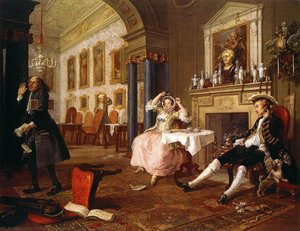
The Theft of a Watch


 Ver mais
Giclée / Impressão de Arte
Impressão giclée ou em tela de qualidade de museu, com produção rápida e opções flexíveis de acabamento. ( Encomendar reprodução pintada à mão Ver Imagem Digital)




P118B $10

P118H $10

P118W $10

P438Z $10

P508JH $12

P508YH $12

P805H $10

P805Z $10

P919BZ $10

P919G $10

P919XJ $10

P959ZH $10

P968JZ $12

W106C $8

W218G $10

W218JH $8

W218Y $10

W307PJ $10

W316G $10

W316PJ $8

W316Y $10

W398PJ $8

W4111J $10

W500HY $15

W500JH $15

W692G $12

W849H $8

W940BG $15

W953PJ $8




Escolha entre os nossos tamanhos pré-definidos que respeitam as proporções originais da obra de arte.

Você pode inserir suas próprias dimensões para se ajustar a uma moldura ou espaço específico. Se o tamanho selecionado não corresponder às proporções da imagem original, iremos recortar a obra de arte ou estender a imagem com uma borda espelhada ou preenchimento sólido. Um mockup digital será enviado para sua aprovação antes do início da produção.
Por favor, observe que a visualização na tela não reflete o recorte ou a extensão real. Apenas o mockup mostrará com precisão a composição final.
Embora tamanhos personalizados estejam disponíveis, recomendamos selecionar uma dimensão da lista predefinida para preservar as proporções originais.
Entrega mundial () em 2 semanas, em vez das 4/5 semanas padrão. (26 Setembro)

Envio expresso gratuito para todo o mundo

Tela de Linho Premium

Seguro de transporte total

Garantia de Reembolso de Impostos Alfandegários

Garantia de Fidelidade de Cor

Política de Devolução em 100 Dias (Apenas para Defeitos)

Garantia de reembolso de 100%

Desconto para múltiplas unidades
 A opção de vidro está disponível apenas para tamanhos inferiores a 110 cm

The Theft of a Watch
Giclée / Impressão de Arte
Dimensões da Reprodução
-


Preço Total
$ 80
A Snapshot of Urban Decay: Hogarth’s “The Theft of a Watch”
William Hogarth's "The Theft of a Watch," painted in 1731, isn’t merely a depiction of petty crime; it’s a meticulously crafted moral fable rendered with the sharp eye and unflinching realism that defined the artist. This oil on canvas work, now immortalized through OriginalUniqueArt’s stunning reproductions, offers a captivating glimpse into the social anxieties and burgeoning corruption simmering beneath the veneer of 18th-century London. More than just a narrative scene, it's a carefully constructed tableau designed to expose the consequences of deceit and the erosion of virtue within a rapidly changing society. The painting immediately draws the viewer in with its dynamic composition – a bustling room filled with figures caught in moments of surprise, accusation, and quiet contemplation. Hogarth masterfully utilizes light and shadow, creating a sense of immediacy and drawing our attention to the central drama unfolding before us: the furtive snatching of a watch from a gentleman’s pocket.Classicism and Social Commentary
“The Theft of a Watch” firmly establishes itself within the framework of Classicism, a style characterized by its emphasis on order, proportion, and rational clarity. However, Hogarth doesn't simply replicate classical ideals; he subverts them to serve his own critical purpose. The room itself is meticulously rendered – a dining table laden with food, chairs arranged in a deliberate manner, and the overall arrangement reflecting a sense of established social hierarchy. Yet, this order is immediately disrupted by the illicit act at its heart. The figures are dressed in clothing typical of the period, each garment subtly hinting at their character and social standing. The gentleman’s elaborate waistcoat and the woman's vibrant red dress stand in stark contrast to the furtive movements of the thief, highlighting the disparity between outward appearances and inner corruption. Hogarth’s skill lies not just in his technical proficiency but in his ability to use visual cues – clothing, posture, facial expressions – to convey complex moral judgments.Decoding the Scene: Symbolism and Narrative
The painting is rich with symbolic detail, inviting multiple layers of interpretation. The stolen watch itself represents more than just a valuable possession; it symbolizes trust, honesty, and the sanctity of personal property. The thief’s actions represent a breach of this fundamental social contract, exposing a disregard for ethical behavior. Notice the reactions of the other characters – the woman's shocked gesture, the man's bewildered expression, and the seemingly oblivious figures engaged in their own conversations. These responses underscore the pervasive atmosphere of suspicion and moral decay that Hogarth sought to portray. The inclusion of a dining table suggests a scene of convivial gathering, yet this apparent harmony is shattered by the act of theft, revealing the underlying tensions within the social fabric. The painting’s narrative isn't simply about a single crime; it’s an indictment of a society where virtue is undermined and honesty is compromised.Hogarth’s Legacy and OriginalUniqueArt’s Reproduction
William Hogarth was a pioneer in British art, moving beyond the traditional portraiture and landscape painting of his time to create works that offered sharp social critiques. His series, including “The Theft of a Watch,” were intended not just as aesthetic objects but as visual lectures on morality and civic responsibility. OriginalUniqueArt’s hand-painted reproductions strive to capture the essence of Hogarth's original vision – the meticulous detail, the dramatic lighting, and the profound moral message. By meticulously recreating the painting’s textures and colors, we offer a faithful representation that allows viewers to experience the artwork as it was originally intended. The reproduction faithfully captures the dynamism of the scene, inviting you to step into Hogarth's London and contemplate the timeless themes of trust, deception, and the consequences of our actions. Explore more of William Hogarth’s masterpieces through OriginalUniqueArt – where art history comes alive.- Size:** Available in a range of sizes to suit your space and budget.
- Material:** Hand-painted on archival-quality canvas using traditional oil painting techniques.
- Authenticity:** Each reproduction is created by skilled artists who have studied Hogarth’s original work extensively, ensuring a faithful representation of the artwork's details and atmosphere.
Biografia do Artista
A London Life in Ink and Paint: The World of William Hogarth
William Hogarth, born into the bustling heart of 18th-century London in 1697, was more than just an artist; he was a visual historian, a keen observer of human nature, and a satirical commentator on the societal currents of his age. His life story is inextricably linked to the very fabric of England during a period of significant transformation – its burgeoning ambitions, underlying anxieties, and pervasive hypocrisies all finding potent expression in his remarkably detailed and often biting works. The son of a struggling Latin schoolmaster, Hogarth’s early experiences instilled within him both a love for learning and a sharp awareness of social inequalities, a foundation that would prove crucial to shaping his artistic vision. Initially apprenticed to an engraver, he quickly demonstrated a talent extending beyond mere technical skill; he possessed an innate ability to observe the nuances of human behavior and translate them into compelling visual narratives. However, he chafed against the constraints of traditional engraving, seeking a more expressive outlet for his burgeoning creativity. This led him to studies at both St Martin’s Lane Academy and under Sir James Thornhill, where he honed his skills in painting and composition, absorbing influences that would later inform his unique style.The Birth of Modern Moral Subjects
Hogarth's true innovation lay not simply *what* he painted, but *how*. He pioneered what he termed “modern moral subjects” – a series of pictures designed to tell a story, often imbued with a strong satirical edge. These weren’t isolated portraits or landscapes; they were visual novels unfolding before the viewer’s eyes, offering pointed commentary on contemporary society. A Harlot's Progress, created in 1742, stands as perhaps his most famous example. This series of six paintings meticulously follows the tragic downfall of Mary, a young woman arriving in London full of hope but quickly succumbing to the temptations and dangers of city life. Each scene is rendered with painstaking detail, filled with symbolic elements that reveal the moral decay surrounding her. The progression from hopeful innocence to desperate poverty and ultimately, despair, is depicted with unflinching honesty, forcing viewers to confront uncomfortable truths about social mobility and the consequences of unchecked desire. Similarly, A Rake's Progress, begun in 1733, charts the reckless decline of Tom Rakewell, a man who squanders his inheritance on gambling, debauchery, and ultimately, madness. These weren’t merely cautionary tales; they were unflinching portraits of a society grappling with issues of class, morality, and social mobility. Hogarth's genius resided in his ability to elevate everyday scenes – the bustling streets of London, the opulent interiors of the wealthy, the squalid lives of the poor – into works of art that resonated deeply with his audience. He didn’t shy away from depicting the harsh realities of life, presenting them with a blend of humor and pathos that forced viewers to confront uncomfortable truths about themselves and their society.Technique and Influences: A Synthesis of Styles
Hogarth's artistic style was a unique amalgamation of diverse influences. He greatly admired the realism and narrative detail found in the works of Dutch genre painters like Pieter de Hooch, evident in his meticulous depictions of interiors and everyday life. The satirical prints produced in France also played a role in shaping his approach to social commentary. However, Hogarth wasn’t simply imitating these sources; he was synthesizing them into something entirely new and distinctly his own. His technique was characterized by a masterful use of line and shading, particularly evident in his engravings. He employed a distinctive cross-hatching technique that created depth and texture, bringing his scenes to life with remarkable clarity. He also possessed an exceptional eye for composition, arranging figures and objects within the frame to create dynamic and engaging narratives. Beyond visual art, Hogarth was influenced by literary works, particularly those of Jonathan Swift and Henry Fielding, whose satirical wit informed his own social observations. He believed that art should not merely be beautiful but should also serve a moral purpose, challenging viewers to confront uncomfortable truths about themselves and their society. He sought to hold a mirror up to nature, reflecting both its beauty and its ugliness with unflinching honesty.The Foundling Hospital and the Rise of Public Art
Hogarth’s commitment to social reform extended beyond his paintings. He became a staunch supporter of the Foundling Hospital, established by Thomas Coram to care for abandoned children. Recognizing the importance of public engagement with art, he spearheaded efforts to display his works – and those of other artists – at the hospital, creating what is considered one of Britain’s first public art galleries. This initiative not only provided a platform for artistic expression but also fostered a sense of civic pride and social responsibility. His involvement in this project demonstrated his belief that art could be a powerful tool for promoting positive change within society. He was deeply moved by the plight of orphaned children, and his support for the hospital reflected his desire to alleviate suffering and improve the lives of those most vulnerable.Legacy and Lasting Impact
The impact of William Hogarth extends far beyond the realm of 18th-century art. His work gained immense popularity thanks to the mass production of prints based on his paintings, making his satirical commentary accessible to a wider audience than ever before. He is widely considered a precursor to political cartooning and comic strips, laying the groundwork for visual storytelling in popular culture. Artists like James Gillray and George Cruikshank were directly influenced by his style, carrying forward his tradition of social satire. Even Charles Lamb, the celebrated essayist, recognized the narrative power of Hogarth’s images, famously remarking that they were “like books to be read rather than merely looked at.”- Hogarth established a distinctly British artistic identity.
- His work provides invaluable insights into 18th-century English society.
- He influenced generations of artists and satirists.

William Hogarth
1697 - 1764 , Reino Unido
Informações Rápidas
- Artistic Movement Or Style: Satírico, Realista
- Artists Or Movements Influenced By This Artist:
- Gillray
- Cartoonismo político
- Artists Who Influenced This Artist:
- Pieter de Hooch
- Jonathan Swift
- Date Of Birth: 1697
- Date Of Death: 1764
- Full Name: William Hogarth
- Nationality: Britânico
- Notable Artworks:
- A Harlot's Progress
- A Rake's Progress
- Marriage A-la-Mode
- Place Of Birth: Londres, Reino Unido
Artigos Relacionados

Sir William Blake Richmond: A Visionary of Aestheticism & Symbolism
Explore the life & art of Sir William Blake Richmond, a pivotal figure bridging Pre-Raphaelitism and Aestheticism. Discover his stunning portraits, mosaics at St Paul's Cathedral, and lasting influence on Victorian art.
Século XVIII na Arte: 10 Obras que Definem uma Era – OriginalUniqueArt
Descubra 10 obras-primas do Século XVIII! Explore a arte de David, Fragonard e Reynolds. Neoclassicismo, Rococó e retratos icônicos ganham vida. Encontre reproduções de alta qualidade para decorar sua casa com OriginalUniqueArt.com
Penry Williams: Evoking Welsh Nostalgia Through Impressionistic Landscapes
Explore the captivating world of Penry Williams (1802-1885), a Welsh artist renowned for his evocative Impressionistic landscapes and scenes of Italy. Discover his life, style & legacy with OriginalUniqueArt.

William Hogarth: Satire, Social Commentary & the Birth of Modern British Art
Explore the satirical world of William Hogarth, pioneering British painter & engraver. Discover his iconic works like *A Rake's Progress* and insightful social commentary on 18th-century London life.

Christopher Williams: Deconstructing Representation & Materiality in Contemporary Art
Explore the groundbreaking work of Christopher Williams, a pivotal figure in contemporary art. This analysis delves into his deconstruction of representation, materiality, and institutional critique – essential reading for serious collectors.