Visualizar na parede
 Compartilhar
 Compartilhar
 Detalhes
 Guia
Guia

 Baixar imagem
 Semelhantes
 Raio X
 Ver diaporama
 Estatísticas
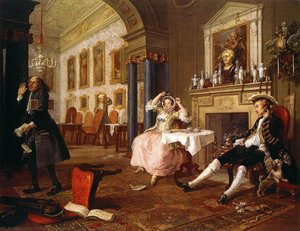
Satã, o Pecado e a Morte (Uma Cena de Milton
 Óleo sobre tela
- Arte de Parede
- 18th-century British Satire
 1735
1735- Início da Idade Média
 74.0 x 61.0 cm
 Tate Britain
 Ler mais
Reprodução em Óleo Feita à Mão
Óleo sobre tela pintado à mão no tamanho e moldura de sua escolha, feito sob encomenda pelos nossos artistas. ( Alternar para Impressão Alternar para Imagem Digital)




P118B €10

P118H €10

P118W €10

P438Z €10

P508JH €12

P508YH €12

P805H €10

P805Z €10

P919BZ €10

P919G €10

P919XJ €10

P959ZH €10

P968JZ €12

W106C €8

W218G €10

W218JH €8

W218Y €10

W307PJ €10

W316G €10

W316PJ €8

W316Y €10

W398PJ €8

W4111J €10

W500HY €15

W500JH €15

W692G €12

W849H €8

W940BG €15

W953PJ €8




Escolha entre os nossos tamanhos pré-definidos que respeitam as proporções originais da obra de arte.

Insira a largura e a altura desejadas para se ajustarem à sua moldura ou parede. Como esta obra é pintada à mão, para um tamanho com proporções diferentes, o artista poderá pintar um pouco mais ao redor da imagem ou reduzir ligeiramente a composição — você escolhe. Enviamos uma maquete digital para sua aprovação antes de iniciar a pintura. A imagem exibida nesta página não representa o resultado real — apenas a maquete mostra o resultado final.
Após o pedido, a equipa OriginalUniqueArt.com enviará um e-mail ao cliente para solicitar instruções e fornecer uma prévia do esboço.
Entrega mundial () em 3 a 4 semanas, em vez das 5 semanas padrão. (26 Outubro). Sem comprometer a qualidade.

Envio expresso gratuito para todo o mundo

Tela de Linho de Alta Qualidade

Seguro de transporte completo

Garantia de Reembolso de Impostos Alfandegários

Garantia de Fidelidade Cromática

Política de Devolução em 100 Dias (Apenas para Defeitos)

Garantia de reembolso de 100%

Oferta de desconto por quantidade
 A opção de vidro está disponível apenas para tamanhos inferiores a 110 cm

Satã, o Pecado e a Morte (Uma Cena de Milton
Técnica de Reprodução
Tamanho da Reprodução
-


Preço Total
€ 263
Um Encontro Dramático com a Mortalidade: “Satan, Sin, and Death” de William Hogarth
A obra "Satan, Sin, and Death", pintada por William Hogarth em 1735, é muito mais do que uma mera ilustração do poema épico de John Milton, Paraíso Perdido; é uma alegoria moral meticulosamente elaborada que mergulha o espectador em um mundo de tentação, consequência e conflito eterno. Este óleo sobre tela, atualmente residente na Tate Britain, em Londres, mede 74 x 61 cm e oferece um vislumbre incrivelmente íntimo da profunda compreensão de Hogarth sobre os temas miltonianos – o poder sedutor do pecado, a inevitabilidade da morte e a luta duradoura entre o bem e o mal. O impacto imediato da pintura é de uma intensidade dramática; um palco montado para um confronto que transcende o próprio tempo.
- Drama Composicional: Hogarth orquestra magistralmente uma cena repleta de peso simbólico. No coração da obra encontra-se Satanás, retratado não como um demônio monstruoso, mas como uma figura de grandeza desafiadora, erguendo um escudo adornado com a imagem do pé de Deus – um símbolo potente de sua rebelião e rejeição à autoridade divina. Ao seu lado, o Pecado é personificado como uma mulher cativante, encarnando a natureza sedutora da tentação e a promessa dos prazeres mundanos. A Morte, representada em forma esquelética, serve como um lembrete severo da consequência final que aguarda aqueles que sucumbem aos desejos pecaminosos.
- Simbolismo em Camadas: A riqueza da pintura estende-se muito além de suas figuras centrais. A inclusão de um guarda-chuva, posicionado próximo ao canto superior esquerdo, é particularmente intrigante. Embora pareça fora de lugar, é frequentemente interpretado como um símbolo de proteção ou até mesmo uma referência velada ao julgamento divino – um escudo contra as repercussões inevitáveis do pecado. Da mesma forma, a espada repousando na parte inferior esquerda sugere a batalha contínua entre o bem e o mal, um conflito que se estende para além do reino terreno.
A Visão Moralizante de Hogarth: Um Reflexo da Inglaterra do Século XVIII
William Hogarth era renomado por suas pinturas satíricas e moralistas, que refletiam as ansiedades e o comentário social prevalentes na Londres do século XVIII. “Satan, Sin, and Death” exemplifica essa abordagem, traduzindo os complexos argumentos teológicos de Milton em uma narrativa visualmente acessível. A pintura não era simplesmente uma ilustração; pretendia ser uma obra didática, projetada para alertar os espectadores sobre os perigos do pecado e encorajar o comportamento virtuoso. A atenção meticulosa de Hogarth aos detalhes – desde as texturas da armadura de Satanás até as expressões nos rostos das figuras – reforça essa intenção moralizante, criando uma imagem poderosa e inesquecível.
O contexto da pintura na Inglaterra do século XVIII é crucial para compreender sua importância. Em um período marcado por rápidas mudanças sociais, o florescimento do comércio e um crescente ceticismo em relação às crenças religiosas tradicionais, Hogarth utilizou sua arte para criticar os vícios da sociedade – o jogo, a prostituição e a indulgência excessiva – enquanto simultaneamente defendia os valores do trabalho árduo, da piedade e da vida familiar. “Satan, Á Sin, and Death” serve como um sermão visual, entregando sua mensagem com uma clareza arrebatadora.
Técnica Artística e Significância Histórica
A habilidade de Hogarth em capturar momentos dramáticos da literatura é evidente em cada pincelada de "Satan, Sin, and Death". Ele empregou uma técnica caracterizada por fortes contrastes de luz e sombra, criando uma sensação de imediatismo e teatralidade. As figuras são renderizadas com um realismo notável, suas expressões transmitindo uma gama de emoções – desafio, tentação, desespero e, finalmente, a certeza arrepiante da morte. A composição da pintura, que remete às pinturas históricas clássicas, eleva ainda mais o seu impacto.
Além de seu apelo visual imediato, “Satan, Sin, and Death” possui uma importância histórica significativa como uma obra fundamental no desenvolvimento da arte britânica. A abordagem inovadora de Hogarth para a ilustração – seu uso de detalhes narrativos, temas moralizantes e representação realista – influenciou gerações de artistas que o sucederam. Reproduções desta obra-prima continuam a inspirar apreciação tanto pelo poema épico de Milton quanto pelo gênio artístico de Hogarth.
Possuindo um Fragmento da História: Reproduções de Alta Qualidade
Para entusiastas da arte que buscam trazer o drama e o simbolismo de “Satan, Sin, and Death” para seus lares ou escritórios, o OriginalUniqueArt.com oferece reproduções de pinturas a óleo meticulosamente elaboradas. Estas não são meras cópias; são pintadas à mão com esmero por artesãos habilidosos que se dedicaram a capturar a essência da obra original de Hogarth. O resultado é uma representação surpreendentemente precisa que retém o poder e a ressonância emocional da obra-prima, permitindo que você possua uma conexão tangível com este momento crucial da história da arte.
Perguntas e Respostas
Onde posso encontrar obras de arte semelhantes a "Satã, o Pecado e a Morte (Uma Cena de Milton", de William Hogarth?
A página Obras semelhantes de "Satã, o Pecado e a Morte (Uma Cena de Milton", de William Hogarth apresenta obras relacionadas.
"Satã, o Pecado e a Morte (Uma Cena de Milton" encontra-se no país de seu criador?
Sim – a obra de arte encontra-se no país de origem do artista. "Satã, o Pecado e a Morte (Uma Cena de Milton" está guardada em Reino Unido, enquanto William Hogarth nasceu em Reino Unido.
Como o meio e o movimento se combinam em "Satã, o Pecado e a Morte (Uma Cena de Milton"?
Em "Satã, o Pecado e a Morte (Uma Cena de Milton", a técnica de Óleo sobre tela encontra o movimento 18th-century British Satire.
Biografia do Artista
A London Life in Ink and Paint: The World of William Hogarth
William Hogarth, born into the bustling heart of 18th-century London in 1697, was more than just an artist; he was a visual historian, a keen observer of human nature, and a satirical commentator on the societal currents of his age. His life story is inextricably linked to the very fabric of England during a period of significant transformation – its burgeoning ambitions, underlying anxieties, and pervasive hypocrisies all finding potent expression in his remarkably detailed and often biting works. The son of a struggling Latin schoolmaster, Hogarth’s early experiences instilled within him both a love for learning and a sharp awareness of social inequalities, a foundation that would prove crucial to shaping his artistic vision. Initially apprenticed to an engraver, he quickly demonstrated a talent extending beyond mere technical skill; he possessed an innate ability to observe the nuances of human behavior and translate them into compelling visual narratives. However, he chafed against the constraints of traditional engraving, seeking a more expressive outlet for his burgeoning creativity. This led him to studies at both St Martin’s Lane Academy and under Sir James Thornhill, where he honed his skills in painting and composition, absorbing influences that would later inform his unique style.The Birth of Modern Moral Subjects
Hogarth's true innovation lay not simply *what* he painted, but *how*. He pioneered what he termed “modern moral subjects” – a series of pictures designed to tell a story, often imbued with a strong satirical edge. These weren’t isolated portraits or landscapes; they were visual novels unfolding before the viewer’s eyes, offering pointed commentary on contemporary society. A Harlot's Progress, created in 1742, stands as perhaps his most famous example. This series of six paintings meticulously follows the tragic downfall of Mary, a young woman arriving in London full of hope but quickly succumbing to the temptations and dangers of city life. Each scene is rendered with painstaking detail, filled with symbolic elements that reveal the moral decay surrounding her. The progression from hopeful innocence to desperate poverty and ultimately, despair, is depicted with unflinching honesty, forcing viewers to confront uncomfortable truths about social mobility and the consequences of unchecked desire. Similarly, A Rake's Progress, begun in 1733, charts the reckless decline of Tom Rakewell, a man who squanders his inheritance on gambling, debauchery, and ultimately, madness. These weren’t merely cautionary tales; they were unflinching portraits of a society grappling with issues of class, morality, and social mobility. Hogarth's genius resided in his ability to elevate everyday scenes – the bustling streets of London, the opulent interiors of the wealthy, the squalid lives of the poor – into works of art that resonated deeply with his audience. He didn’t shy away from depicting the harsh realities of life, presenting them with a blend of humor and pathos that forced viewers to confront uncomfortable truths about themselves and their society.Technique and Influences: A Synthesis of Styles
Hogarth's artistic style was a unique amalgamation of diverse influences. He greatly admired the realism and narrative detail found in the works of Dutch genre painters like Pieter de Hooch, evident in his meticulous depictions of interiors and everyday life. The satirical prints produced in France also played a role in shaping his approach to social commentary. However, Hogarth wasn’t simply imitating these sources; he was synthesizing them into something entirely new and distinctly his own. His technique was characterized by a masterful use of line and shading, particularly evident in his engravings. He employed a distinctive cross-hatching technique that created depth and texture, bringing his scenes to life with remarkable clarity. He also possessed an exceptional eye for composition, arranging figures and objects within the frame to create dynamic and engaging narratives. Beyond visual art, Hogarth was influenced by literary works, particularly those of Jonathan Swift and Henry Fielding, whose satirical wit informed his own social observations. He believed that art should not merely be beautiful but should also serve a moral purpose, challenging viewers to confront uncomfortable truths about themselves and their society. He sought to hold a mirror up to nature, reflecting both its beauty and its ugliness with unflinching honesty.The Foundling Hospital and the Rise of Public Art
Hogarth’s commitment to social reform extended beyond his paintings. He became a staunch supporter of the Foundling Hospital, established by Thomas Coram to care for abandoned children. Recognizing the importance of public engagement with art, he spearheaded efforts to display his works – and those of other artists – at the hospital, creating what is considered one of Britain’s first public art galleries. This initiative not only provided a platform for artistic expression but also fostered a sense of civic pride and social responsibility. His involvement in this project demonstrated his belief that art could be a powerful tool for promoting positive change within society. He was deeply moved by the plight of orphaned children, and his support for the hospital reflected his desire to alleviate suffering and improve the lives of those most vulnerable.Legacy and Lasting Impact
The impact of William Hogarth extends far beyond the realm of 18th-century art. His work gained immense popularity thanks to the mass production of prints based on his paintings, making his satirical commentary accessible to a wider audience than ever before. He is widely considered a precursor to political cartooning and comic strips, laying the groundwork for visual storytelling in popular culture. Artists like James Gillray and George Cruikshank were directly influenced by his style, carrying forward his tradition of social satire. Even Charles Lamb, the celebrated essayist, recognized the narrative power of Hogarth’s images, famously remarking that they were “like books to be read rather than merely looked at.”- Hogarth established a distinctly British artistic identity.
- His work provides invaluable insights into 18th-century English society.
- He influenced generations of artists and satirists.

William Hogarth
1697 - 1764 , Reino Unido
Dados Rápidos
- Artistic Movement Or Style: Satírico, Realista
- Artists Or Movements Influenced By This Artist:
- Gillray
- Cartoonismo político
- Artists Who Influenced This Artist:
- Pieter de Hooch
- Jonathan Swift
- Date Of Birth: 1697
- Date Of Death: 1764
- Full Name: William Hogarth
- Nationality: Britânico
- Notable Artworks:
- A Harlot's Progress
- A Rake's Progress
- Marriage A-la-Mode
- Place Of Birth: Londres, Reino Unido
Artigos Relacionados
Milton Avery: A Poetic Vision of Color & Form in American Modernism
Explore the captivating world of Milton Avery, a pivotal American Modernist painter. Discover his innovative use of color, simplified forms & lasting influence on Abstract Expressionism. Learn more at OriginalUniqueArt.
Hieronymus Bosch: As 25 Obras-Primas do Mestre da Fantasia | OriginalUniqueArt
Descubra as 25 obras-primas de Hieronymus Bosch, o mestre da fantasia medieval. Explore a simbologia, história e cores vibrantes de pinturas como 'Jardim das Delícias Terrenas'. Encontre reproduções de arte exclusivas para decorar sua casa com OriginalUniqueArt.com!
Século XVIII na Arte: 10 Obras que Definem uma Era – OriginalUniqueArt
Descubra 10 obras-primas do Século XVIII! Explore a arte de David, Fragonard e Reynolds. Neoclassicismo, Rococó e retratos icônicos ganham vida. Encontre reproduções de alta qualidade para decorar sua casa com OriginalUniqueArt.com
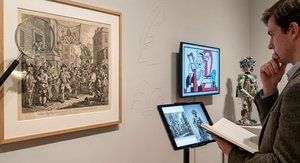
The Sharpest Wit: A Critical Exploration of Satire in Art History – From Hogarth to Contemporary Critique
Explore the history of satire in art! From Hogarth's London to contemporary critique, discover how artists use wit & visual power to reflect and challenge society. Expert insights at OriginalUniqueArt.

William Hogarth: Satire, Social Commentary & the Birth of Modern British Art
Explore the satirical world of William Hogarth, pioneering British painter & engraver. Discover his iconic works like *A Rake's Progress* and insightful social commentary on 18th-century London life.