 Visualizar na parede
 Compartilhar
 Compartilhar
 Detalhes
 Guia
Guia

 Baixar imagem
 Semelhantes
 Raio X
 Ver diaporama
 Q&A
Q&A Estatísticas
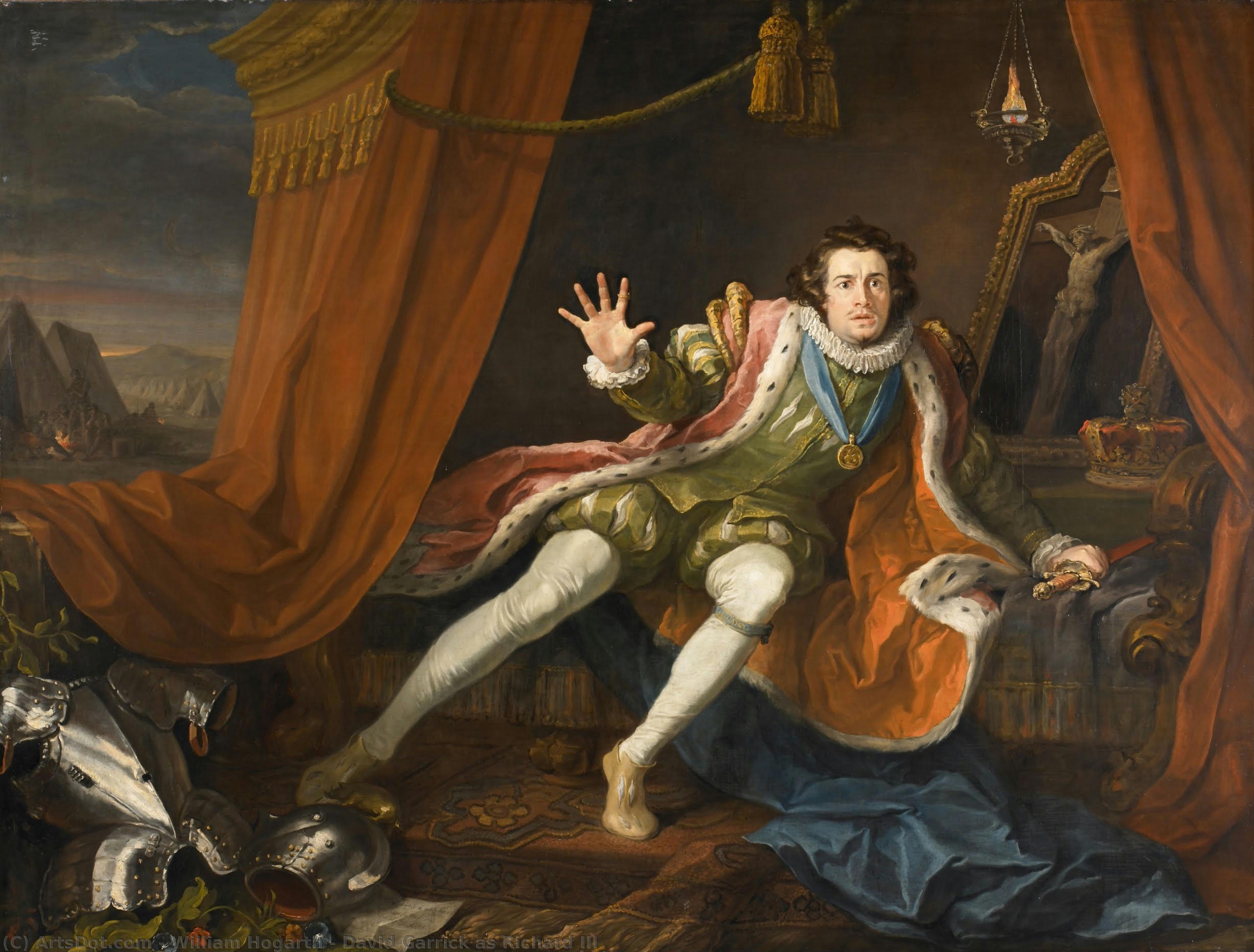
David Garrick como Ricardo III

- 2508.0 x 1905.0 cm


 Ler mais
Giclée / Impressão de Arte
Impressão giclée ou em tela de qualidade de museu, com produção rápida e opções flexíveis de acabamento. ( Comprar pintura feita à mão Alternar para Imagem Digital)




P118B €10

P118H €10

P118W €10

P438Z €10

P508JH €12

P508YH €12

P805H €10

P805Z €10

P919BZ €10

P919G €10

P919XJ €10

P959ZH €10

P968JZ €12

W106C €8

W218G €10

W218JH €8

W218Y €10

W307PJ €10

W316G €10

W316PJ €8

W316Y €10

W398PJ €8

W4111J €10

W500HY €15

W500JH €15

W692G €12

W849H €8

W940BG €15

W953PJ €8




Escolha entre os nossos tamanhos pré-definidos que respeitam as proporções originais da obra de arte.

Insira a largura e a altura desejadas para se ajustarem à sua moldura ou parede. Uma impressão pode ser apenas cortada, nunca ampliada além da imagem original; portanto, um tamanho com proporções diferentes resultará na perda de parte da imagem. Enviamos uma maquete digital para sua aprovação antes de realizarmos a impressão. A imagem exibida nesta página não mostra o corte real — apenas a maquete o faz.
Entrega mundial () em 2 semanas, em vez das 4/5 semanas padrão. (31 Outubro)

Envio expresso gratuito para todo o mundo

Tela de Linho de Alta Qualidade

Seguro de transporte completo

Garantia de Reembolso de Impostos Alfandegários

Garantia de Fidelidade Cromática

Política de Devolução em 100 Dias (Apenas para Defeitos)

Garantia de reembolso de 100%

Oferta de desconto por quantidade
 A opção de vidro está disponível apenas para tamanhos inferiores a 110 cm

David Garrick como Ricardo III
Giclée / Impressão de Arte
Tamanho da Reprodução
-


Preço Total
€ 71
David Garrick como Ricardo III: Um Triunfo do Retrato Dramático
A obra “David Garrick como Ricardo III”, de William Hogarth, concluída em 1745, ergue-se como uma conquista monumental no retrato teatral — um testemunho tanto da inovação artística quanto da compreensão astuta do artista sobre a sua era. Mais do que uma simples representação de um ator célebre, esta obra-prima em óleo sobre tela mergulha em temas de ambição, traição e tormento psicológico, consolidando o seu lugar no cânone da arte barroca britânica e assegurando a sua posição de destaque na Walker Art Gallery, em Liverpool.- Artista: William Hogarg (1697 – 1764)
- Cidade de Nascimento: Londres
- País de Nascimento: Reino Unido
- Técnica: Óleo sobre Tela
- Dimensões: 2508 x 1905 cm
- Localização: Walker Art Gallery, Liverpool
Uma Colaboração Nascida da Amizade e da Publicidade
A génese de “David Garrick como Ricardo III” reside numa parceria notável entre Hogarth e o próprio David Garrick — um celebrado intérprete shakespeariano que cativava o público com as suas interpretações de papéis icónicos. Reconhecendo a fama crescente de Garrick, Hogarth utilizou habilmente esta associação para elevar a sua própria reputação artística, transformando o retrato num astuto empreendimento promocional. Não se tratava apenas de capturar a semelhança de Garrick; tratava-se de transmitir a própria essência da sua persona teatral — um retrato dramático que procurava personificar o vilão atormentado de Shakespeare.Composição e Simbolismo: Capturando o Pesadelo Antes da Batalha
A composição da pintura é meticulosamente elaborada, repleta de elementos simbólicos concebidos para intensificar o seu impacto emocional. Garrick encontra-se posicionado dentro de uma tenda em Bosworth Field — o local da vitória decisiva de Henrique VIII sobre Ricardo III — momentos antes da batalha fatídica. Hogarth captura brilhantemente o estado psicológico de Garrick: “as luzes brilham em azul! Não é meia-noite profunda? Gotas frias e temíveis pendem sobre a minha carne trémula...” Esta descrição evocativa sublinha a apreensão e a vulnerabilidade de Garrick, espelhando as ansiedades que rodeiam o conflito iminente. Sob o seu elmo, encontra-se um bilhete amassado — um lembrete pungente da traição que paira sobre a personagem de Ricardo III.Técnica Artística e Drama Visual
Hogarth empregou pinceladas magistrais para transmitir textura e profundidade, misturando cores com perícia para criar uma atmosfera de drama palpável. O uso de cortinas vermelhas abertas revela Garrick no palco — um recurso deliberado que enfatiza o contexto teatral do retrato. Além disso, a inclusão de dois cães e de um pássaro adiciona camadas de intriga visual, enriquecendo a complexidade narrativa da cena. Estes elementos contribuem para uma sensação de imediatismo e convidam à contemplação de temas como poder, engano e destino.Legado e Relevância na Atualidade
“David Garrick como Ricardo III” permanece como um símbolo duradouro da arte barroca britânica — uma mistura cativante de realismo histórico e drama psicológico. A sua influência pode ser vista em retratos teatrais subsequentes e continua a inspirar artistas nos dias de hoje. Para aqueles que procuram inspiração ou consideram uma reprodução de alta qualidade, a Walker Art Gallery oferece um acesso inigualável a esta obra-prima. Ao lado de “David Garrick como Ricardo III”, explore “The Tinted Venus” de Gibson — outro exemplo deslumbrante da destreza artística de Hogarth — disponível na OriginalUniqueArt para colecionadores e entusiastas.Perguntas e Respostas
Que harmonia de cores apresenta "David Garrick como Ricardo III", de William Hogarth?
As cores de "David Garrick como Ricardo III", de William Hogarth apresentam uma harmonia Forte unidade cromática. A harmonia descreve como as cores se relacionam entre si.
Em que fase da carreira de William Hogarth se situa "David Garrick como Ricardo III", considerando a sua data?
Dada a sua data de 1745, "David Garrick como Ricardo III" insere-se no período Maduro de William Hogarth.
Qual é a intensidade das cores em "David Garrick como Ricardo III", de William Hogarth?
As cores em "David Garrick como Ricardo III", de William Hogarth possuem uma intensidade Monocromático.
Biografia do Artista
A London Life in Ink and Paint: The World of William Hogarth
William Hogarth, born into the bustling heart of 18th-century London in 1697, was more than just an artist; he was a visual historian, a keen observer of human nature, and a satirical commentator on the societal currents of his age. His life story is inextricably linked to the very fabric of England during a period of significant transformation – its burgeoning ambitions, underlying anxieties, and pervasive hypocrisies all finding potent expression in his remarkably detailed and often biting works. The son of a struggling Latin schoolmaster, Hogarth’s early experiences instilled within him both a love for learning and a sharp awareness of social inequalities, a foundation that would prove crucial to shaping his artistic vision. Initially apprenticed to an engraver, he quickly demonstrated a talent extending beyond mere technical skill; he possessed an innate ability to observe the nuances of human behavior and translate them into compelling visual narratives. However, he chafed against the constraints of traditional engraving, seeking a more expressive outlet for his burgeoning creativity. This led him to studies at both St Martin’s Lane Academy and under Sir James Thornhill, where he honed his skills in painting and composition, absorbing influences that would later inform his unique style.The Birth of Modern Moral Subjects
Hogarth's true innovation lay not simply *what* he painted, but *how*. He pioneered what he termed “modern moral subjects” – a series of pictures designed to tell a story, often imbued with a strong satirical edge. These weren’t isolated portraits or landscapes; they were visual novels unfolding before the viewer’s eyes, offering pointed commentary on contemporary society. A Harlot's Progress, created in 1742, stands as perhaps his most famous example. This series of six paintings meticulously follows the tragic downfall of Mary, a young woman arriving in London full of hope but quickly succumbing to the temptations and dangers of city life. Each scene is rendered with painstaking detail, filled with symbolic elements that reveal the moral decay surrounding her. The progression from hopeful innocence to desperate poverty and ultimately, despair, is depicted with unflinching honesty, forcing viewers to confront uncomfortable truths about social mobility and the consequences of unchecked desire. Similarly, A Rake's Progress, begun in 1733, charts the reckless decline of Tom Rakewell, a man who squanders his inheritance on gambling, debauchery, and ultimately, madness. These weren’t merely cautionary tales; they were unflinching portraits of a society grappling with issues of class, morality, and social mobility. Hogarth's genius resided in his ability to elevate everyday scenes – the bustling streets of London, the opulent interiors of the wealthy, the squalid lives of the poor – into works of art that resonated deeply with his audience. He didn’t shy away from depicting the harsh realities of life, presenting them with a blend of humor and pathos that forced viewers to confront uncomfortable truths about themselves and their society.Technique and Influences: A Synthesis of Styles
Hogarth's artistic style was a unique amalgamation of diverse influences. He greatly admired the realism and narrative detail found in the works of Dutch genre painters like Pieter de Hooch, evident in his meticulous depictions of interiors and everyday life. The satirical prints produced in France also played a role in shaping his approach to social commentary. However, Hogarth wasn’t simply imitating these sources; he was synthesizing them into something entirely new and distinctly his own. His technique was characterized by a masterful use of line and shading, particularly evident in his engravings. He employed a distinctive cross-hatching technique that created depth and texture, bringing his scenes to life with remarkable clarity. He also possessed an exceptional eye for composition, arranging figures and objects within the frame to create dynamic and engaging narratives. Beyond visual art, Hogarth was influenced by literary works, particularly those of Jonathan Swift and Henry Fielding, whose satirical wit informed his own social observations. He believed that art should not merely be beautiful but should also serve a moral purpose, challenging viewers to confront uncomfortable truths about themselves and their society. He sought to hold a mirror up to nature, reflecting both its beauty and its ugliness with unflinching honesty.The Foundling Hospital and the Rise of Public Art
Hogarth’s commitment to social reform extended beyond his paintings. He became a staunch supporter of the Foundling Hospital, established by Thomas Coram to care for abandoned children. Recognizing the importance of public engagement with art, he spearheaded efforts to display his works – and those of other artists – at the hospital, creating what is considered one of Britain’s first public art galleries. This initiative not only provided a platform for artistic expression but also fostered a sense of civic pride and social responsibility. His involvement in this project demonstrated his belief that art could be a powerful tool for promoting positive change within society. He was deeply moved by the plight of orphaned children, and his support for the hospital reflected his desire to alleviate suffering and improve the lives of those most vulnerable.Legacy and Lasting Impact
The impact of William Hogarth extends far beyond the realm of 18th-century art. His work gained immense popularity thanks to the mass production of prints based on his paintings, making his satirical commentary accessible to a wider audience than ever before. He is widely considered a precursor to political cartooning and comic strips, laying the groundwork for visual storytelling in popular culture. Artists like James Gillray and George Cruikshank were directly influenced by his style, carrying forward his tradition of social satire. Even Charles Lamb, the celebrated essayist, recognized the narrative power of Hogarth’s images, famously remarking that they were “like books to be read rather than merely looked at.”- Hogarth established a distinctly British artistic identity.
- His work provides invaluable insights into 18th-century English society.
- He influenced generations of artists and satirists.

William Hogarth
1697 - 1764 , Reino Unido
Dados Rápidos
- Artistic Movement Or Style: Satírico, Realista
- Artists Or Movements Influenced By This Artist:
- Gillray
- Cartoonismo político
- Artists Who Influenced This Artist:
- Pieter de Hooch
- Jonathan Swift
- Date Of Birth: 1697
- Date Of Death: 1764
- Full Name: William Hogarth
- Nationality: Britânico
- Notable Artworks:
- A Harlot's Progress
- A Rake's Progress
- Marriage A-la-Mode
- Place Of Birth: Londres, Reino Unido
Artigos Relacionados

The Dramatic Flourish: Exploring the Baroque Movement's Enduring Legacy in Art History
Explore the dramatic world of Baroque art! Discover iconic artists like Caravaggio & Rubens, defining techniques, and its lasting impact on art history. Expert insights for collectors & enthusiasts at OriginalUniqueArt.

The Visceral Stage: Exploring Dramatic Narratives & Emotional Intensity in Baroque Art
Explore the dramatic world of Baroque art! Discover iconic masters like Caravaggio & Rembrandt, their techniques, and the movement's lasting impact. Expert insights for collectors & enthusiasts at OriginalUniqueArt.

Os 10 Mestres do Barroco: Obras-Primas que Moldaram a Arte e Decoram o Lar
Descubra os 10 maiores ícones do Barroco! Explore a história, técnica e emoção por trás de Caravaggio, Rembrandt, Bernini e outros mestres. Encontre reproduções de arte barroca para decorar seu lar com luxo em OriginalUniqueArt.com.

Barroco Brasileiro: Opulência e Emoção para Interiores Contemporâneos
Descubra como o Barroco brasileiro pode transformar seus interiores! Explore a história, elementos-chave e dicas para integrar este estilo luxuoso e cheio de emoção em sua casa.

Theatricality & Triumph: Baroque Drama in Painting & Sculpture
Explore the dramatic world of Baroque art! Discover its history, defining characteristics, & lasting influence on painting & sculpture. Expert insights into Caravaggio, Zurbarán, and Bernini – plus high-quality reproductions at OriginalUniqueArt.