Visualizar na parede
 Compartilhar
 Compartilhar
 Detalhes
 Guia
Guia

 Baixar imagem
 Semelhantes
 Raio X
 Ver diaporama
 Perguntas e Respostas
 Estatísticas
Análise da Beleza


 Ler mais
Giclée / Impressão de Arte
Impressão giclée ou em tela de qualidade de museu, com produção rápida e opções flexíveis de acabamento. ( Comprar pintura feita à mão Alternar para Imagem Digital)




P118B €10

P118H €10

P118W €10

P438Z €10

P508JH €12

P508YH €12

P805H €10

P805Z €10

P919BZ €10

P919G €10

P919XJ €10

P959ZH €10

P968JZ €12

W106C €8

W218G €10

W218JH €8

W218Y €10

W307PJ €10

W316G €10

W316PJ €8

W316Y €10

W398PJ €8

W4111J €10

W500HY €15

W500JH €15

W692G €12

W849H €8

W940BG €15

W953PJ €8




Escolha entre os nossos tamanhos pré-definidos que respeitam as proporções originais da obra de arte.

Insira a largura e a altura desejadas para se ajustarem à sua moldura ou parede. Uma impressão pode ser apenas cortada, nunca ampliada além da imagem original; portanto, um tamanho com proporções diferentes resultará na perda de parte da imagem. Enviamos uma maquete digital para sua aprovação antes de realizarmos a impressão. A imagem exibida nesta página não mostra o corte real — apenas a maquete o faz.
Entrega mundial () em 2 semanas, em vez das 4/5 semanas padrão. (11 Novembro)

Envio expresso gratuito para todo o mundo

Tela de Linho de Alta Qualidade

Seguro de transporte completo

Garantia de Reembolso de Impostos Alfandegários

Garantia de Fidelidade Cromática

Política de Devolução em 100 Dias (Apenas para Defeitos)

Garantia de reembolso de 100%

Oferta de desconto por quantidade
 A opção de vidro está disponível apenas para tamanhos inferiores a 110 cm

Análise da Beleza
Giclée / Impressão de Arte
Tamanho da Reprodução
-


Preço Total
€ 73
Analisis da Beleza
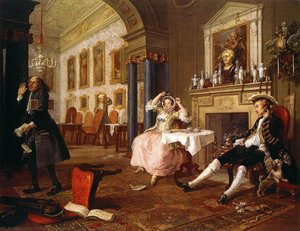
William Hogarth, nascido em Londres em 1697, foi muito mais que um artista; ele era um historiador visual, um observador atento da natureza humana e um crítico satírico das correntes sociais de sua época. Sua história de vida está inextricavelmente ligada ao próprio tecido da Inglaterra durante uma transformação significativa – suas ambições crescentes, suas ansiedades subjacentes e sua prevalecente hipocrisia – todas encontrando expressão poderosa em suas obras extraordinariamente detalhadas e frequentemente mordazes. Filho de um pobre escola mestre latino, Hogarth adquiriu desde cedo tanto amor pelo conhecimento quanto consciência aguda das desigualdades sociais, uma base fundamental para moldar sua visão artística. Inicialmente aprendiz de escultor, ele rapidamente demonstrou talento além da mera habilidade técnica; ele possuía uma capacidade inerente para observar os nuances do comportamento humano e traduzi-los em imagens que desafiam o olhar atento. Esta combinação de observação meticulosa e expressão artística caracterizou toda a sua obra e estabeleceu seu lugar como um dos artistas mais importantes do século XVIII. Apesar das dificuldades financeiras enfrentadas por sua família, Hogarth recebeu uma educação sólida que lhe proporcionou acesso às ideias filosóficas e científicas da época, influenciando profundamente suas teorias sobre beleza e arte. Sua formação intelectual foi particularmente marcada pelo estudo da escultura clássica, que o inspirou a buscar padrões de equilíbrio, proporção e harmonia em suas próprias obras. Esta influência estética é evidente em muitas de suas pinturas e gravuras, onde ele emprega técnicas inovadoras para criar imagens que evocam emoções profundas e transmitem ideias complexas. Além disso, Hogarth era um crítico feroz da sociedade inglesa de sua época, denunciando a corrupção moral e os vícios sociais com uma honestidade brutal que o tornou um dos artistas mais controversos de seu tempo. Sua obra é considerada uma das mais importantes do século XVIII por sua capacidade de capturar a essência da experiência humana e provocar reflexões sobre questões éticas e políticas. A análise de beleza foi um ponto central na filosofia estética de Hogarth, que buscava compreender os princípios fundamentais que governam o prazer estético humano. Ele acreditava que a beleza não era apenas uma questão de aparência física, mas também de ordem interna e racionalidade, refletindo valores culturais e religiosos importantes da época. Esta perspectiva filosófica influenciou profundamente sua obra artística, levando-o a explorar temas como virtude, pecado e moralidade com uma sensibilidade excepcional. Hogarth defendia que o artista deveria buscar inspiração na natureza humana e nos valores espirituais universais, criando obras que promovam o bem comum e contribuam para o desenvolvimento intelectual e moral da sociedade. Sua obra é considerada um marco da filosofia estética moderna por sua defesa da razão como guia para a compreensão do mundo e da experiência humana. Hogarth empregou técnicas inovadoras na gravura para criar imagens que capturam a beleza e o movimento com uma precisão impressionante. Ele utilizou linhas finas e cuidadosas para construir tonalidades suaves e criar padrões intrincados, buscando reproduzir fielmente os efeitos da luz e sombra na natureza humana. Além disso, Hogarth aplicava princípios matemáticos rigorosos à composição de suas obras, garantindo que elas fossem equilibradas e harmoniosas. Esta abordagem científica refletiu o espírito da época iluminista, que valorizava a razão como instrumento para o conhecimento e o progresso humano. Sua obra é considerada um exemplo supremo da arte barroca inglesa por sua combinação de beleza estética e rigor científico. Em suma, William Hogarth foi um artista excepcional cuja obra permanece relevante até hoje por sua profundidade intelectual e sensibilidade artística. Ele desafiou as convenções estéticas tradicionais de seu tempo, buscando novas formas de expressão que refletissem a complexidade da experiência humana e os valores culturais da época. Sua obra é considerada uma das mais importantes do século XVIII por sua capacidade de provocar reflexões sobre questões éticas e políticas e por inspirar artistas posteriores com sua visão inovadora e seu estilo único. Hogarth permanece um artista admirado por sua honestidade intelectual e artística, cuja obra continua a fascinar estudiosos e amantes da arte em todo o mundo.Perguntas e Respostas
Qual é a tonalidade predominante que percorre "Análise da Beleza", de William Hogarth?
Um tom Do ocre ao sépia percorre "Análise da Beleza", de William Hogarth.
"Análise da Beleza", de William Hogarth está em domínio público?
Quanto aos direitos autorais, "Análise da Beleza" está em em domínio público — seus direitos autorais expiraram.
Onde posso comprar uma imagem digital de "Análise da Beleza", de William Hogarth?
Para obter uma versão digital de "Análise da Beleza", de William Hogarth, peça download de imagem digital em alta resolução em sua página Imagem Digital de Alta Resolução.
Biografia do Artista
A Vida de William Hogarth
Londres, 1697. O ar em Bartholomew Close é denso, preenchido pelos sons de uma metrópole em constante crescimento. É neste cenário que William Hogarth entra em um mundo de estabilidade precária. Seu pai, Richard Hogarth, luta para garantir o sustento como mestre de escola de latim e autor de livros didáticos. As finanças da família oscilam drasticamente; em certo momento, Richard enfrenta a dura realidade do encarceramento por dívidas na Fleet Prison. Essa exposição precoce à instabilidade da vida urbana deixa uma marca indelével. William Hogarth cresce observando o abismo entre as classes sociais, uma perspectiva que acabará por definir sua carreira como pintor, gravador, satirista, cartunista e escritor.
O caminho deste jovem não é pavimentado por heranças ou patronatos facilitados. Em vez disso, é uma vida moldada pela aspereza da cidade. Ele percorre as ruas de Londres, observando as figuras que povoam as cafeterias e as feiras. Sua mãe, Anne Gibbons, oferece o ancoradouro doméstico para uma existência frequentemente marcada pelas flutuações econômicas da época. Quando ele finalmente começa a deixar sua marca no mundo, já é um homem de múltiplas disciplinas, utilizando a tinta e o nanquim para dissecar a própria sociedade que o criou.
- A Harlot's Progress (1731/1732)
- A Rake's Progress (1735)
- Marriage A-la-Mode (1743–1745)
Infância, Família e Formação
Londres, 1697. Filho de Richard Hogarth, um mestre de escola de latim e escritor ocasional, William cresce em meio às fortunas oscilantes de um homem que luta para manter sua subsistência na metrópole. A instabilidade do ambiente doméstico toma um rumo drástico quando Richard é enviado para a Fleet Prison, onde passará cinco anos devido a dívidas não pagas. Este período de privações, marcado pela precariedade financeira da família, deixa uma impressão indelével no jovem observador da vida urbana.
Por volta de 1714, o foco de sua vida volta-se para os detalhes técnicos do ofício. Hogarth inicia um aprendizado com Ellis Gamble, um gravador de ouro e prata que atuava em Leicester Fields. É nesse período que ele aprende a precisão exigida para a criação de cartões comerciais e produtos similares, desenvolvendo um domínio fundamental sobre a placa de cobre. Essa base técnica sólida fornecerá as ferramentas necessárias para uma carreira que, eventualmente, transcenderá a mera reprodução comercial.
Sua trajetória se transforma à medida que ele avança para o estudo artístico formal. Em 1720, ele se matricula na St Martin's Lane Academy. Sua formação expande-se ainda mais sob a tutela de Sir James Thornhill, o pintor oficial de George I. Sob a orientação de Thornhill, o foco de Hogarth desloca-se da precisão em pequena escala da gravura para as complexidades mais amplas da pintura e da composição, movendo-se do trabalho meticuloso do artesão em direção à escala grandiosa das belas artes.
Técnica e Estilo Artístico
William Hogarth transita com maestria entre a precisão do retrato realista e a energia rápida e sequencial de séries que antecipam a estética das histórias em quadrinhos. Ele não se limita a pintar; ele constrói narrativas vivas. Essa abordagem atinge o seu ápice no desenvolvimento dos seus "temas morais modernos", um método no qual utiliza a narrativa visual para criticar o tecido social de sua época. Para ele, tanto a tela quanto a placa de cobre tornam-se palcos para dramas em constante desenrolar, utilizando frequentemente uma mistura de humor e sátira mordaz para enfatizar suas críticas sociais.
A base técnica de sua obra reside no seu domínio absoluto da gravura. William Hogarth compreendia o peso de uma linha e o poder de uma gravura para alcançar o grande público. Em 1753, ele transcende o campo visual para o teórico com a publicação de sua obra Analysis of Beauty. Neste tratado, ele vai além da mera observação para codificar suas teorias estéticas, enfatizando especificamente a importância da "linha serpentina" como um princípio fundamental de beleza e movimento.
- A Harlot's Progress (1731/1732)
- A Rake's Progress (1735)
- Marriage A-la-Mode (1743–1745)
Obras-Chave e Séries
O poder narrativo de sua obra atinge o seu ápice nos chamados "temas morais modernos", uma série de pinturas concebidas para funcionar como verdadeiros romances visuais. Em 1731/1732, A Harlot's Progress traça a trágica queda de uma jovem que chega a Londres, apenas para sucumbir às tentações da cidade. Esse padrão de decadência social continua em 1735 com A Rake's Progress, que acompanha Tom Rakewell enquanto ele esbanja sua herança em jogos de azar e libertinagem. Estas obras não se limitam a retratar cenas; elas mapeiam as consequências da corrupção moral através de detalhes meticulosos e elementos simbólicos profundos.
O foco desloca-se da ruína individual para o choque entre as classes sociais na série Marriage A-la-Mode, produzida entre 1743 e 1745. Aqui, o artista ironiza os resultados desastrosos dos casamentos arranjados e a busca desenfreada por status. A tensão entre os interiores opulentos dos ricos e as realidades degradantes dos pobres torna-se um tema recorrente. Mesmo em seus anos tardios, o comentário permanece afiado. Em 1748, O the Roast Beef of Old England aborda a identidade nacional, enquanto a obra de 1750, The March of the Guards to Finchley, apresenta uma visão caótica e barulhenta da vida militar, contrastando as fileiras disciplinadas ao longe com o comportamento escandaloso dos soldados em primeiro plano.
- A Harlot's Progress (1731/1732)
- A Rake's Progress (1735)
- Marriage A-la-Mode (1743–1745)
- O the Roast Beef of Old England (1748)
- The March of the Guards to Finchley (1750)
Legado e Impacto Duradouro
O século XVIII testemunhou o surgimento de uma escola de arte distintamente britânica, um movimento impulsionado pela recusa de William Hogarth em depender de modelos continentais. Ele transcendeu a mera imitação de estilos estrangeiros para estabelecer uma linguagem visual enraizada nas próprias ruas de Londres. Essa mudança foi profunda; ele tornou-se o artista inglês mais importante de sua geração. Sua influência é tão onipresente que o termo "hogarthiano" entrou no léxico para descrever seu estilo particular de observação satírica.
A realidade comercial de seu sucesso trouxe consigo um novo tipo de conflito. À medida que suas gravuras ganhavam uma popularidade massiva, elas também atraíam uma onda de reproduções não autorizadas. O plágio tornou-se uma ameaça constante ao seu sustento. Essa tensão forçou um confronto legal que alterou permanentemente o panorama da propriedade intelectual. Ele atuou ativamente em prol da Lei de Direitos Autorais de 1735, um movimento que assegurou os direitos dos criadores contra aqueles que buscavam lucrar com seu trabalho sem permissão.
Seu método de narrativa por meio de imagens sequenciais criou um modelo para as mídias do futuro. Ele atua como um precursor direto da caricatura política moderna e da história em quadrinhos. Ao utilizar uma série de imagens para dissecar o comportamento social, William Hogarth forneceu um molde para narrativas visuais que dependem da leitura, e não apenas do olhar. Sua influência estende-se das gravuras satíricas do século XVIII até os próprios fundamentos da cultura popular contemporânea.
Onde Ver as Obras Hoje
Os vestígios físicos das críticas sociais de William Hogarth permanecem espalhados por grandes instituições. Em Londres, a National Gallery abriga peças da série Marriage à la Mode, onde a narrativa visual da decadência social é preservada. Próxima dali, a Tate Britain detém Satan, Sin and Death (A Scene from Milton, uma obra que destaca sua habilidade de traduzir temas literários complexos para a forma visual. O Foundling Museum também mantém sua presença na cidade, guardando The March of the Guards to Finchley, uma peça que captura a energia caótica da vida militar do século XVIII.
O alcance de seu trabalho estende-se para além do Reino Unido. Na cidade de Nova York, a Frick Collection preserva Miss Mary Edwards, um retrato que reflete sua destreza em capturar o caráter individual. Estas coleções oferecem uma oportunidade de encontrar os detalhes específicos de suas gravuras e pinturas em seus contextos originais. Os visitantes podem perceber sua influência na maneira como estas instituições gerem a tensão entre a arte erudita e a sátira popular.

William Hogarth
1697 - 1764 , Reino Unido
Dados Rápidos
- Artistic Movement Or Style: Temas morais modernos
- Artists Or Movements Influenced By This Artist:
- James Gillray
- George Cruikshank
- Artists Who Influenced This Artist:
- Pieter de Hooch
- Sir James Thornhill
- Date Of Birth: 1697
- Date Of Death: 1764
- Full Name: William Hogarth
- Nationality: Inglês
- Notable Artworks:
- A Harlot's Progress
- A Rake's Progress
- Marriage à la Mode
- Place Of Birth: Londres, Reino Unido
Artigos Relacionados

Rococó: 10 Obras-Primas que Definiram um Movimento Artístico Elegante | OriginalUniqueArt.com
Descubra as 10 obras-primas do Rococó! Explore a elegância de Fragonard, Boucher e Watteau. A arte do século XVIII ganha vida com cores pastel e detalhes luxuosos. Encontre reproduções de alta qualidade em OriginalUniqueArt.com.
Século XVIII na Arte: 10 Obras que Definem uma Era – OriginalUniqueArt
Descubra 10 obras-primas do Século XVIII! Explore a arte de David, Fragonard e Reynolds. Neoclassicismo, Rococó e retratos icônicos ganham vida. Encontre reproduções de alta qualidade para decorar sua casa com OriginalUniqueArt.com

The Rococo Aesthetic: Opulence, Rebellion & the Pursuit of Pleasure in 18th-Century Art
Explore the opulent world of Rococo art! Discover its origins, key artists like Watteau & Boucher, and lasting influence on design. Expert insights for collectors & enthusiasts.

William Hogarth: Satire, Social Commentary & the Birth of Modern British Art
Explore the satirical world of William Hogarth, pioneering British painter & engraver. Discover his iconic works like *A Rake's Progress* and insightful social commentary on 18th-century London life.
10 Gravuras Icônicas que Revolucionaram a História da Arte | OriginalUniqueArt
Descubra 10 gravuras icônicas de Dürer, Rembrandt e Goya que revolucionaram a arte! Explore a história, técnica e beleza atemporal destas obras-primas. Encontre reproduções de alta qualidade para decorar sua casa com OriginalUniqueArt.com.