 Visualizar em escala
 Enviar
 Compartilhar
 Ver detalhes

 Baixar
 Semelhantes
 Raio X
 Apresentação de slides
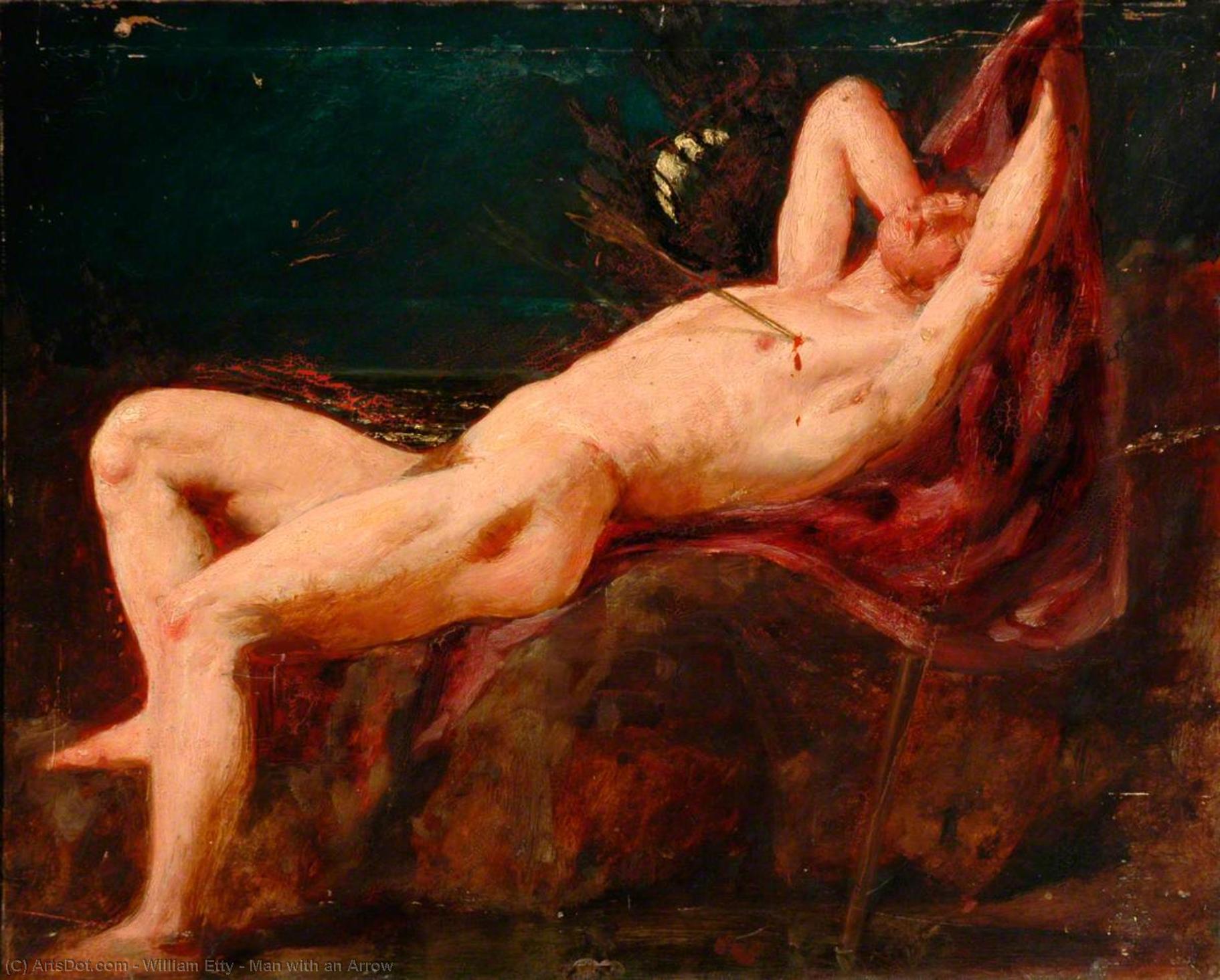
Man with an Arrow


 Ver mais
Reprodução em Óleo Feita à Mão
Óleo sobre tela pintado à mão no seu tamanho e moldura, feito sob encomenda pelos nossos artistas. ( Encomendar impressão Comprar imagem em alta resolução)




P118B $10

P118H $10

P118W $10

P438Z $10

P508JH $12

P508YH $12

P805H $10

P805Z $10

P919BZ $10

P919G $10

P919XJ $10

P959ZH $10

P968JZ $12

W106C $8

W218G $10

W218JH $8

W218Y $10

W307PJ $10

W316G $10

W316PJ $8

W316Y $10

W398PJ $8

W4111J $10

W500HY $15

W500JH $15

W692G $12

W849H $8

W940BG $15

W953PJ $8




Escolha entre os nossos tamanhos pré-definidos que respeitam as proporções originais da obra de arte.

Pode inserir as suas próprias dimensões para se adequar a uma moldura ou espaço específico. Se o tamanho selecionado não corresponder às proporções da imagem original, iremos cortar a obra de arte ou estender a pintura com elementos adicionais pintados à mão. Um esboço digital será enviado para sua aprovação antes do início da produção.
Tenha em atenção que a pré-visualização no ecrã não reflete o corte ou extensão real. Apenas o esboço mostrará com precisão a composição final.
Embora tamanhos personalizados estejam disponíveis, recomendamos selecionar uma dimensão da lista predefinida para preservar as proporções originais.
Após o pedido, a equipa OriginalUniqueArt.com enviará um e-mail ao cliente para solicitar instruções e fornecer uma prévia do esboço.
Entrega mundial () em 3 a 4 semanas, em vez das 5 semanas padrão. (18 Agosto). Sem comprometer a qualidade.

Envio Expresso Gratuito para todo o Mundo

Tela de Linho Premium

Seguro de transporte total

Garantia de Reembolso de Impostos Alfandegários

Garantia de Fidelidade de Cor

Política de Devolução de 60 Dias (Apenas para Defeitos)

Garantia de reembolso de 100%

Desconto para múltiplas unidades
 A opção de vidro está disponível apenas para tamanhos inferiores a 110 cm

Man with an Arrow
Técnica de Reprodução
Dimensões da Reprodução
-


Preço Total
$ 300
Descrição da Obra
The Poetic Stillness of William Etty's Nude
To gaze upon William Etty’s "Man with an Arrow" is to encounter a moment suspended between repose and potential action. The composition immediately draws the viewer into the languid curve of the reclining figure, whose very posture speaks of deep comfort, almost as if he has surrendered entirely to the soft embrace of his surroundings. This is not merely a depiction of flesh; it is an exploration of human vulnerability rendered with masterful academic precision. Etty, known for his dedication to the study of the nude form, presents here a figure that seems both idealized and profoundly real. The inclusion of the bow and arrow nearby serves as a subtle counterpoint to the man's current state—a reminder of the latent energy coiled just beneath the surface of his apparent ease.
Mastery in Form and Brushwork
Etty’s technique, characteristic of the early 19th century British tradition, showcases an impressive commitment to anatomical study. One can almost feel the meticulous layering of paint that gives the skin its luminous quality. The artist handles the interplay of light across the musculature with a painterly richness that speaks to years of dedicated practice at the Royal Academy Schools. Beyond the central figure, the inclusion of two birds—one poised in the upper left and another drifting near the center-right—injects vital movement into what could otherwise be a static tableau. These avian elements are not mere decoration; they act as visual breathers, guiding the eye across the canvas and suggesting that life continues vibrantly around this moment of quiet contemplation.
Symbolism of Readiness and Nature
The juxtaposition within "Man with an Arrow" is rich with symbolic resonance. The nude body often symbolizes humanity in its purest state, while the bow and arrow are archetypal symbols of skill, readiness, and directed will. Lying at rest yet armed for action suggests a man who is intimately connected to his environment—a harmony between cultivated grace and primal capability. Furthermore, the birds themselves frequently symbolize freedom or the spirit. Together, these elements invite the viewer to contemplate the balance between repose and purpose, between the wild impulse of nature and the disciplined artistry of human existence.
Bringing the Salon Home: Decorating with Art History
For those seeking to infuse a space with the gravitas and romance of historical masterworks, this piece offers unparalleled depth. A reproduction of "Man with an Arrow" transcends simple wall decoration; it becomes a focal point for thoughtful conversation. Its classical subject matter pairs beautifully in drawing rooms, studies, or elegant reception areas that appreciate academic tradition. The soft, warm tones inherent in Etty’s palette ensure that the artwork complements rather than overwhelms sophisticated interior design schemes, lending an air of cultured contemplation to any room it graces.
Biografia do Artista
A Pioneer of the British Nude: The Life and Art of William Etty
William Etty, a name perhaps less instantly recognizable than his contemporaries like Turner or Constable, nevertheless occupies a pivotal position in 19th-century British art. Born in York on March 10, 1787, above his father’s bakery, Etty's journey from humble beginnings to Royal Academician was one marked by relentless dedication, artistic innovation, and no small measure of controversy. His early life offered little indication of the path he would forge. Apprenticed at age twelve to a printer in Hull, seven years were spent immersed in the practicalities of typography – a world far removed from the canvases that would eventually bear his signature. Yet, even amidst the mechanical demands of printmaking, Etty nurtured a burgeoning passion for drawing, an impulse that ultimately propelled him towards London and the hallowed halls of the Royal Academy Schools in 1807. There, under the tutelage of Thomas Lawrence, he honed his skills through diligent copying, laying the foundation for a career defined by masterful depictions of the human form.The Rise to Prominence: Nudes and Controversy
Etty’s breakthrough arrived in 1821 with *Cleopatra's Arrival in Cilicia*, a painting that immediately ignited both admiration and scandal. The work, teeming with nude figures, was exhibited to widespread acclaim, yet simultaneously earned him a reputation for indecency. This duality would become a defining characteristic of his career. He wasn’t merely depicting nudity; he was exploring the human form with an unprecedented realism and anatomical precision for a British artist of that era. His commitment to accurately rendering flesh tones, light, and shadow – influenced by his study of Venetian masters like Titian and Rubens during travels in Italy and France – set him apart. He continued to produce historical scenes populated with nudes, often drawn from classical mythology or literature, such as *The Sirens and Ulysses*. These works were commercially successful, allowing Etty to thrive despite the constant criticism leveled against his subject matter. In 1828, he was elected a Royal Academician, solidifying his position within the established art world, even as whispers of impropriety followed him. The critics of the time often deemed his work “too luscious” for public consumption, highlighting the societal constraints placed upon artistic expression at the time.Beyond the Nude: Portraits and Still Life
While Etty is most celebrated for his nudes, his artistic range extended beyond this controversial domain. Recognizing the need to broaden his appeal – and perhaps secure a more stable income – he ventured into portraiture during the 1830s. Though not as groundbreaking as his figure paintings, these portraits demonstrate his technical skill and ability to capture character. Furthermore, Etty became one of the first English painters to seriously engage with still life, demonstrating an eye for detail and a sensitivity to texture that rivaled the Dutch masters he admired. This diversification reveals a pragmatic side to Etty’s artistic practice, a willingness to adapt to market demands while remaining true to his core aesthetic principles. He continued, however, to return to the nude form throughout his life, driven by an unwavering fascination with its beauty and expressive potential.Influences and Techniques
Etty's artistic development was shaped by a confluence of influences. His early apprenticeship in printing instilled a meticulous attention to detail and a deep understanding of composition. The Royal Academy’s instruction under Thomas Lawrence provided him with the fundamentals of academic painting, while his travels through Italy and France exposed him to the works of Venetian masters – particularly Titian and Rubens – whose mastery of color, light, and anatomy profoundly impacted his style. Etty's technique was characterized by a remarkable ability to render the subtleties of human flesh, achieved through countless hours of observation and study. He meticulously dissected the musculature and bone structure beneath the skin, translating this knowledge into paintings that possessed an astonishing degree of realism. His use of light and shadow created a sense of volume and depth, while his attention to detail – from the texture of hair to the wrinkles on aged skin – brought his figures to life with remarkable immediacy.Legacy and Rediscovery
William Etty died in York on November 13, 1849, leaving behind a substantial body of work that initially enjoyed considerable popularity. However, tastes shifted in the decades following his death, and his paintings fell into relative obscurity. By the late 19th century, his once-celebrated works were largely forgotten, dismissed as outdated or simply too shocking for Victorian sensibilities. A remarkable rediscovery began in the early 21st century. His inclusion in Tate Britain’s landmark *Exposed: The Victorian Nude* exhibition (2001–2002) sparked renewed interest in his art, prompting critical reevaluation and a reassessment of his place in British art history. The restoration of *The Sirens and Ulysses* in 2010 further cemented this revival, revealing the brilliance of his technique and the enduring power of his vision. Today, William Etty is recognized as a pioneering figure who challenged artistic conventions, celebrated the human form with unparalleled realism, and left an indelible mark on the landscape of British art. His works stand as testaments to his skill, dedication, and unwavering commitment to capturing the beauty and complexity of the human experience.Key Works
- Cleopatra's Arrival in Cilicia (1821): The painting that launched Etty’s career and established his reputation for depicting nudes.
- The Sirens and Ulysses (1837): A dramatic depiction of Homer’s epic, showcasing Etty's mastery of composition and anatomy.
- Reverend William Jay (c. 1836-40): An example of his portraiture work, demonstrating a keen eye for character.
- Standing Female Nude (date unknown): A study showcasing Etty’s exceptional skill in rendering realistic flesh tones and form.

William Etty
1787 - 1849 , Reino Unido
Informações Rápidas
- Artistic Movement Or Style: Romantismo
- Artists Or Movements Influenced By This Artist: ['Venezians']
- Artists Who Influenced This Artist: ['Lawrence']
- Date Of Birth: 10 Mar 1787
- Date Of Death: 13 Nov 1849
- Full Name: William Etty
- Nationality: Britânico
- Notable Artworks:
- Cleópatra
- Sereias
- Nude
- Place Of Birth: York, Reino Unido
Artigos Relacionados

William Etty: Rediscovering Victorian Sensibility & the Sublime in Historical Painting
Explore the captivating world of William Etty, a pioneering Victorian artist famed for his dramatic historical paintings and groundbreaking nude figures. Discover his life, controversial reception, and enduring legacy with our expert analysis.
Romantic Realism's Finest: 10 Masterpieces for Your Home | OriginalUniqueArt
Explore 10 defining masterpieces of Romantic Realism! Discover Courbet, Millet & Daumier's powerful paintings—capturing emotion and social realities. Find museum-quality reproductions for your home at OriginalUniqueArt.com.
Realismo Acadêmico: 10 Obras-Primas que Moldaram a História da Arte | OriginalUniqueArt
Descubra as 10 obras-primas do Realismo Acadêmico que revolucionaram a arte! Explore Bouguereau, Gérôme e Cabanel. Reproduções de alta qualidade para decorar sua casa com beleza clássica. Explore a coleção completa em OriginalUniqueArt.com.

Academic Art: Tradition, Technique & the Pursuit of Ideal Form in the 19th Century
Explore the world of Academic Art! Discover its history, key artists like Ingres & Bouguereau, defining techniques, and lasting influence on 19th-century painting. Learn about the Salon system and its legacy.

The Enduring Allure of the Nude: A Historical & Artistic Exploration of the Human Form
Explore the captivating history of nude art! Discover iconic paintings & artists from classical to modern eras. Uncover symbolism, techniques & find museum-quality reproductions at OriginalUniqueArt.