
 Visualizar na parede
 Compartilhar
 Compartilhar
 Detalhes

 Baixar imagem
 Semelhantes
 Raio X
 Slideshow
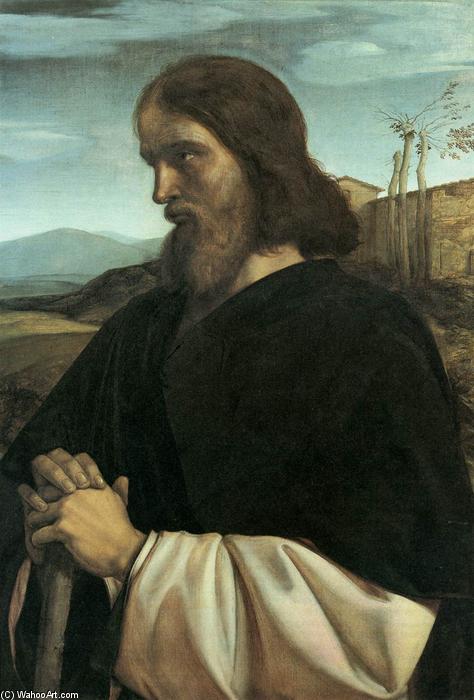
St Joseph
 Oil On Canvas
- WallArt
- Pre-Raphaelite
 1847
1847 79.0 x 55.0 cm
 Royal Collection
 Ler mais
Giclée / Impressão de Arte
Impressão giclée ou em tela de qualidade de museu, com produção rápida e opções flexíveis de acabamento. ( Comprar pintura feita à mão Comprar imagem)




P118B $10

P118H $10

P118W $10

P438Z $10

P508JH $12

P508YH $12

P805H $10

P805Z $10

P919BZ $10

P919G $10

P919XJ $10

P959ZH $10

P968JZ $12

W106C $8

W218G $10

W218JH $8

W218Y $10

W307PJ $10

W316G $10

W316PJ $8

W316Y $10

W398PJ $8

W4111J $10

W500HY $15

W500JH $15

W692G $12

W849H $8

W940BG $15

W953PJ $8




Escolha entre os nossos tamanhos pré-definidos que respeitam as proporções originais da obra de arte.

Você pode inserir suas próprias dimensões para se ajustar a uma moldura ou espaço específico. Se o tamanho selecionado não corresponder às proporções da imagem original, iremos recortar a obra de arte ou estender a imagem com uma borda espelhada ou preenchimento sólido. Um mockup digital será enviado para sua aprovação antes do início da produção.
Por favor, observe que a visualização na tela não reflete o recorte ou a extensão real. Apenas o mockup mostrará com precisão a composição final.
Embora tamanhos personalizados estejam disponíveis, recomendamos selecionar uma dimensão da lista predefinida para preservar as proporções originais.
Entrega mundial () em 2 semanas, em vez das 4/5 semanas padrão. (7 Setembro)

Envio expresso gratuito para todo o mundo

Tela de Linho de Alta Qualidade

Seguro de transporte completo

Garantia de Reembolso de Impostos Alfandegários

Garantia de Fidelidade Cromática

Política de Devolução de 100 Dias (Apenas Defeitos)

Garantia de reembolso de 100%

Oferta de desconto por quantidade
 A opção de vidro está disponível apenas para tamanhos inferiores a 110 cm

St Joseph
Giclée / Impressão de Arte
Tamanho da Reprodução
-


Preço Total
$ 80
The Serene Figure: William Dyce’s St. Joseph
William Dyce's "St. Joseph" is more than a portrait; it’s a carefully constructed meditation on faith, domesticity, and the quiet dignity of a biblical figure. Painted in 1847 during a period of burgeoning Pre-Raphaelite influence in England, this oil-on-canvas work transcends mere representation to become a deeply evocative study of human character. Dyce, a pivotal figure in establishing art education within the British system, imbues the scene with an almost palpable sense of contemplation – Joseph’s gaze, slightly turned leftward, suggests a man lost in thought, perhaps reflecting on his role as guardian of Mary and infant Jesus.
The composition itself is remarkably restrained. Dyce eschews dramatic gestures or elaborate drapery, opting instead for a directness that draws the viewer into Joseph’s world. The muted palette – dominated by earthy browns, ochres, and subtle greens – contributes to the painting's overall sense of solemnity and timelessness. Notice how Dyce masterfully employs light and shadow; it isn’t harsh or theatrical but rather a gentle diffusion that softens the features and emphasizes the texture of Joseph’s clothing, hinting at both its practicality and the inherent value placed upon his role.
A Pre-Raphaelite Echo
Dyce's work firmly resides within the orbit of the Pre-Raphaelites, though he never formally joined their brotherhood. The influence is evident in his meticulous attention to detail, his preference for naturalistic rendering, and his exploration of religious themes with a heightened sense of emotional resonance. The painting shares similarities with works by Millais and Rossetti – particularly in its focus on the domestic sphere and the portrayal of biblical figures as relatable human beings. However, Dyce’s approach is subtly different; there's a greater emphasis on psychological depth and a quiet reverence that distinguishes his style.
The choice of subject matter itself—St. Joseph—is significant. Often overshadowed by Mary and Jesus in traditional iconography, Joseph represents the steadfastness, humility, and protective spirit essential to the Christian narrative. Dyce’s portrayal elevates him beyond a mere supporting character, presenting him as a man of quiet strength and unwavering devotion.
Craftsmanship and Context
Created in 1847, “St. Joseph” reflects the artistic climate of Victorian England. The Royal Collection, where it currently resides at Windsor Castle, speaks to its historical importance and enduring appeal. Dyce’s technical skill is undeniable; his brushwork is smooth and controlled, creating a sense of depth and texture that invites close examination. The canvas itself, likely prepared by a skilled craftsman, provides an ideal surface for Dyce's meticulous rendering.
Furthermore, the painting was commissioned by Prince Albert, highlighting its significance within the royal household. This connection adds another layer to the artwork’s narrative – it wasn’t merely a devotional image but also a symbol of familial piety and the values championed by the Victorian monarchy. The inclusion of the landscape background—rolling hills under a cloudy sky—further grounds the scene in a tangible reality, suggesting that Joseph's faith is rooted in the everyday world.
A Legacy of Reflection
“St. Joseph” remains a powerful and moving work of art. It’s a testament to Dyce’s artistic vision and his ability to capture the essence of human emotion through meticulous observation and skillful execution. More than just a depiction of a biblical figure, it's an invitation to contemplate themes of faith, family, and the quiet dignity of ordinary lives. Reproductions of this piece offer a beautiful opportunity to bring a touch of Victorian serenity and contemplative grace into any space.
Biografia do Artista
Early Life and Artistic Training
William Dyce (1806–1864) nasceu em Aberdeen, Escócia, filho de Dr. William Dyce FRSE, médico e membro da Royal Society, e Margaret Chalmers, filha de um rico banqueiro. Sua família fomentou uma apreciação pelo aprendizado e pela cultura, equipando-o com uma sólida base para seus futuros empreendimentos artísticos. Ele frequentou a Marischal College, a universidade de Aberdeen, onde obteve um diploma de Mestre aos apenas dezesseis anos – uma conquista notável para a época. Reconhecendo seu talento para o design, Dyce seguiu treinamento formal nas Royal Academy Schools em Edimburgo e Londres, imergindo-se no estudo da arte clássica e dominando técnicas vitais para sua carreira posterior. Seus primeiros anos foram marcados pela exposição a ideias artísticas influentes circulantes na Escócia e na Inglaterra, moldando suas sensibilidades estéticas e estabelecendo-o como um estudante profundamente comprometido com a excelência artística.Italian Influences and Artistic Development
A primeira grande viagem de Dyce para o exterior ocorreu em 1825, quando viajou para Roma – um momento crucial que alterou irreversivelmente o curso de sua vida artística. Inspirado pela grandiosidade da arte renascentista e cativado pelo espírito dos pintores nazarenos, Dyce passou nove meses diligentemente estudando as obras de Titian e Poussin, absorvendo seus princípios composicionais e dominando seu magistral uso da cor. Essa imersão na tradição artística italiana impactou profundamente seu estilo, fomentando uma preferência por observação detalhada e pela expressão de profunda contemplação espiritual – características que se tornariam marcas registradas de sua obra. Ele retornou a Aberdeen em 1826, continuando a aperfeiçoar suas habilidades como pintor e produzindo várias obras notáveis, incluindo Bacchus Nursed by the Nymphs of Nysa, que lhe renderam considerável aclamação.Edinburgh Years and Portraiture
Dyce estabeleceu-se em Edimburgo como um retratista durante a década de 1830, obtendo comissões de figuras proeminentes da sociedade escocesa. Sua atenção meticulosa aos detalhes – particularmente sua capacidade de capturar nuances sutis de expressão e profundidade psicológica – lhe rendeu considerável reconhecimento. Ele combinou habilmente influências clássicas com sensibilidades românticas, produzindo retratos que eram tanto esteticamente refinados quanto emocionalmente ressonantes. Simultaneamente, ele defendeu a causa da educação artística, defendendo a criação de uma escola de design em Edimburgo – um cargo que ocupou até 1843, onde supervisionou sua expansão e modernização.London Engagement and Architectural Patronage
Em 1837, Dyce se mudou para Londres, aceitando o papel de Mestre da School of Design na Somerset House. Este marcou um ponto de virada significativo em sua carreira, impulsionando-o para o coração do discurso artístico victoriano e garantindo-lhe acesso a mecenas influentes – notavelmente o Príncipe Albert. Ele realizou extensas pesquisas sobre práticas pedagógicas de educação artística no exterior, informando a criação do “Sistema South Kensington”, que dominaria a instrução artística inglesa por décadas. O envolvimento de Dyce se estendeu além dos esforços pedagógicos; ele atuou como consultor em projetos arquitetônicos, incluindo o projeto das novas Casas do Parlamento – um projeto que demonstrou sua maestria na pintura de fresco e consolidou sua reputação como um dos maiores artistas da Grã-Bretanha.Major Achievements and Legacy
A herança artística de Dyce repousa principalmente em duas empreitadas monumentais: a decoração da Abadia de Westminster e a criação das Casas do Parlamento. Suas pinturas de fresco na Abadia de Westminster – particularmente Neptune Resigning to Britannia – representam uma vitória do espírito victoriano e da visão artística, incorporando a grandiosidade do Império Britânico e demonstrando sua incomparável habilidade na técnica de fresco. No entanto, sua obra mais celebrada é Pegwell Bay, Kent – uma pintura de paisagem que exemplifica a observação detalhada de Dyce da natureza e sua capacidade de transmitir profunda emoção. Além disso, as contribuições de Dyce para a educação artística – a criação da Royal College of Art e sua defesa de abordagens pedagógicas inovadoras – têm sido um testemunho de sua crença inabalável no poder transformador do treinamento artístico. William Dyce permanece um artista cuja obra encarna o espírito da Grã-Bretanha victoriana – caracterizada pela curiosidade intelectual, sinceridade moral e uma fervorosa devoção à elevação da cultura humana.
William Dyce
1806 - 1864 , Escócia
Dados Rápidos
- Artistic Movement Or Style: Pre-Rafaelita
- Artists Or Movements Influenced By This Artist: ['Nazarenos']
- Artists Who Influenced This Artist:
- Friedrich Overbeck
- Ruskin
- Date Of Birth: 1806-09-19
- Date Of Death: 1864-02-14
- Full Name: William Dyce
- Nationality: Escocês
- Notable Artworks:
- Pegwell Bay
- Baco em Nisa
- Criação de Adão
- Place Of Birth: Aberdeen, Reino Unido
Artigos Relacionados

Oil on Canvas: A Historical & Technical Exploration of a Timeless Artistic Medium
Explore the rich history & enduring techniques of oil painting on canvas. Discover the science behind its longevity, conservation practices, and contemporary relevance. Expert insights for art enthusiasts.

El Greco: As 25 Obras-Primas que Definem um Gênio da Pintura | OriginalUniqueArt
Descubra as 25 obras-primas de El Greco, o mestre renascentista espanhol! Explore a história, técnica e emoção por trás de quadros icônicos como 'O Enterro do Conde Orgaz'. Encontre reproduções de arte exclusivas e inspire sua decoração em OriginalUniqueArt.com.

The Enduring Legacy of Oil on Canvas: Technique, History & Aesthetic Impact
Explore the rich history & techniques of oil painting – from Renaissance masters to Impressionism. Discover pigments, layering methods, and why this timeless medium endures. Expert insights for artists & art enthusiasts.

The Enduring Power of Painting: A Historical & Contemporary Exploration of Form and Emotion
Explore the rich history & enduring techniques of oil painting with OriginalUniqueArt. Discover masterpieces, learn about art collecting, and find authentic handmade reproductions crafted by skilled artists.

O Legado Duradouro da Pintura a Óleo sobre Tela: Técnica, História e Prática Contemporânea
Explore a história e as técnicas da pintura a óleo com especialistas. Descubra os mestres, materiais essenciais e o futuro desta arte atemporal. Reproduções de qualidade museológica.