- Início

- Impressão em tela
- william carse
- Sweeps Having a Fight

 Preview
 Enviar
 Compartilhar
 Detalhes da obra

 Baixar
 Semelhantes
 Raio X
 Slideshow
Sweeps Having a Fight
 27.0 x 37.0 cm
 Armley Mills
 Ver mais
Giclê / Impressão de Arte
Impressão giclée ou em tela de qualidade de museu, com produção rápida e opções flexíveis de acabamento. ( Switch to hand made Painting Switch to Image)




































Escolha entre os nossos tamanhos pré-definidos que respeitam as proporções originais da obra de arte.

Você pode inserir suas próprias dimensões para se ajustar a uma moldura ou espaço específico. Se o tamanho selecionado não corresponder às proporções da imagem original, iremos recortar a obra de arte ou estender a imagem com uma borda espelhada ou preenchimento sólido. Um mockup digital será enviado para sua aprovação antes do início da produção.
Por favor, observe que a visualização na tela não reflete o recorte ou a extensão real. Apenas o mockup mostrará com precisão a composição final.
Embora tamanhos personalizados estejam disponíveis, recomendamos selecionar uma dimensão da lista predefinida para preservar as proporções originais.
Entrega mundial () em 2 semanas, em vez das 4/5 semanas padrão. (28 Julho)

Envio Expresso Gratuito para todo o Mundo

Tela de Linho Premium

Seguro de envio completo

Garantia de Reembolso de Impostos Alfandegários

Garantia de Fidelidade de Cores

Política de Devolução de 60 Dias (Apenas para Defeitos)

Garantia de 100% de Reembolso

Desconto para múltiplas unidades
 A opção de vidro está disponível apenas para tamanhos inferiores a 110 cm

Sweeps Having a Fight
Giclê / Impressão de Arte
Dimensões da Reprodução
-


Preço Total Final
$ 80
Biografia do Artista
William Carse (1800–1845): Bridging Romanticism and Observation
William Carse (1800–1845) stands as a pivotal figure in Scottish art history, embodying the spirit of Romanticism while simultaneously grounding his artistic vision in meticulous observation of the natural world. Born in Edinburgh to Alexander Carse, a painter himself, William’s early exposure to artistic practice undoubtedly shaped his sensibilities and propelled him toward a career dedicated to capturing the beauty and drama of Scotland's landscapes and rural life. Despite limited biographical details surviving from his lifetime—primarily gleaned from contemporary accounts and scholarly research—his impact on Victorian painting remains undeniable.- Early Influences: Carse’s formative years coincided with the ascendancy of Paulus Potter, whose depictions of livestock rendered in a strikingly realistic style exerted considerable influence over Carse's artistic approach. This fascination with animal subjects would permeate his oeuvre, establishing him as one of Scotland’s foremost painters of animals.
- Edinburgh Training: He studied at the Trustees Drawing Academy of Edinburgh under David Allan, absorbing Allan’s mastery of tonal painting and furthering his technical skills. Allan's emphasis on capturing atmospheric effects—particularly light and shadow—served as a crucial catalyst for Carse’s artistic development.
A Landscape Painter Defined: Potterian Style and Atmospheric Rendering
Carse’s distinctive style is characterized by an unwavering commitment to portraying Scottish landscapes with unparalleled accuracy and emotional resonance. He meticulously rendered the textures of heather moorland, the contours of hillsides, and the shimmering surfaces of lochs—all infused with a palpable sense of atmosphere. This stylistic hallmark aligns seamlessly with Potter's aesthetic principles, prioritizing tonal gradation and subtle color harmonies over conventional illusionistic techniques. Critics noted Carse’s ability to convey “the spirit of place,” capturing not merely visual appearances but also the intangible qualities that define Scotland’s character.- Notable Landscapes: Among his most celebrated works are depictions of Glenriddell House and its surrounding estate, meticulously rendered with painstaking detail—a testament to Carse's dedication to realism.
- Technique: He employed a technique rooted in Potter’s method, utilizing thin layers of paint applied in graduated tones to achieve luminous effects and conveying the mood of the scene through subtle color variations.
Public Recognition and Legacy: Leeds Gallery Acquisition
William Carse achieved considerable acclaim during his lifetime, securing commissions from prominent patrons and exhibiting extensively at prestigious venues such as the Royal Academy and the British Institution. His paintings garnered critical praise for their artistic merit and emotional depth—a reflection of his profound engagement with the Romantic movement’s core tenets. Perhaps most enduringly, Carse's legacy resides in the Leeds Gallery’s acquisition of “The Shepherdess,” a masterpiece that exemplifies his signature style and remains a cornerstone of Scottish art history. This painting is considered to be one of Scotland’s finest landscapes and continues to inspire admiration for its masterful execution and evocative portrayal of rural life.Influence on Subsequent Artists
Carse's artistic vision profoundly impacted subsequent generations of Scottish painters, establishing him as a pivotal figure in the Romantic tradition. His meticulous observation of nature—combined with his unwavering devotion to tonal painting—served as an inspiration for artists striving to capture the sublime beauty of Scotland’s landscapes. He helped solidify Potterian style as a dominant aesthetic within Scottish art and cemented Carse's place as one of Scotland’s most important landscape painters.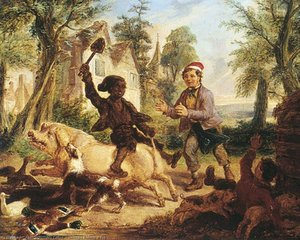
william carse
1800 - 1845
Informações Rápidas
- Artistic Movement Or Style: Paulus Potter Style
- Artists Or Movements Influenced By This Artist: ['Romanticism']
- Artists Who Influenced This Artist: ['David Allan']
- Date Of Death: 1845
- Full Name: William Carse
- Nationality: Scottish
- Notable Artworks:
- Leith Scene
- Glenriddell
- Place Of Birth: Edinburgh, Scotland

