

 Visualizar em escala
 Enviar
 Compartilhar
 Ver detalhes

 Baixar imagem
 Semelhantes
 Raio X
 Apresentação de slides
 Estatísticas
In the Orchard (also known as Spring)


 Ver mais
Reprodução em Óleo Feita à Mão
Óleo sobre tela pintado à mão no tamanho e moldura de sua escolha, feito sob encomenda pelos nossos artistas. ( Alternar para Impressão Ver Imagem Digital)




P118B $10

P118H $10

P118W $10

P438Z $10

P508JH $12

P508YH $12

P805H $10

P805Z $10

P919BZ $10

P919G $10

P919XJ $10

P959ZH $10

P968JZ $12

W106C $8

W218G $10

W218JH $8

W218Y $10

W307PJ $10

W316G $10

W316PJ $8

W316Y $10

W398PJ $8

W4111J $10

W500HY $15

W500JH $15

W692G $12

W849H $8

W940BG $15

W953PJ $8




Escolha entre os nossos tamanhos pré-definidos que respeitam as proporções originais da obra de arte.

Pode inserir as suas próprias dimensões para se adequar a uma moldura ou espaço específico. Se o tamanho selecionado não corresponder às proporções da imagem original, iremos cortar a obra de arte ou estender a pintura com elementos adicionais pintados à mão. Um esboço digital será enviado para sua aprovação antes do início da produção.
Tenha em atenção que a pré-visualização no ecrã não reflete o corte ou extensão real. Apenas o esboço mostrará com precisão a composição final.
Embora tamanhos personalizados estejam disponíveis, recomendamos selecionar uma dimensão da lista predefinida para preservar as proporções originais.
Após o pedido, a equipa OriginalUniqueArt.com enviará um e-mail ao cliente para solicitar instruções e fornecer uma prévia do esboço.
Entrega mundial () em 3 a 4 semanas, em vez das 5 semanas padrão. (18 Setembro). Sem comprometer a qualidade.

Envio expresso gratuito para todo o mundo

Tela de Linho Premium

Seguro de transporte total

Garantia de Reembolso de Impostos Alfandegários

Garantia de Fidelidade de Cor

Política de Devolução em 100 Dias (Apenas para Defeitos)

Garantia de reembolso de 100%

Desconto para múltiplas unidades
 A opção de vidro está disponível apenas para tamanhos inferiores a 110 cm

In the Orchard (also known as Spring)
Técnica de Reprodução
Dimensões da Reprodução
-


Preço Total
$ 300
A Serene Encounter in the Heart of Spring
In the gentle embrace of 1892, William Brymner captured a moment of profound tranquility in his masterpiece, In the Orchard, also affectionately known as Spring. The canvas invites the viewer to step into a sun-dappled sanctuary, where a man and a woman stroll leisurely down a winding path. This is not merely a depiction of a walk in the countryside; it is an evocative window into a world of harmony and peace. As the couple wanders through the blossoming trees, their presence serves as the emotional anchor for a scene teeming with life. The orchard, lush and vibrant, acts as a living cathedral of nature, where the soft light filters through the canopy to illuminate a landscape that feels both intimate and expansive.
Beyond the central figures, Brymner masterfully populates his orchard with a subtle tapestry of human connection. Scattered throughout the midground and distance, other figures appear like gentle whispers of movement, suggesting a shared communal appreciation for the season's rebirth. A loyal dog, positioned near the heart of the composition, adds a touch of domestic warmth and grounded reality to the idyllic setting. This careful arrangement of subjects creates a remarkable sense of depth, drawing the eye from the immediate foreground into the soft, hazy reaches of the orchard, making the viewer feel as though they are an unobserved participant in this peaceful afternoon.
The Impressionist Touch and Technical Brilliance
Brymner’s technical execution in In the Orchard reveals his deep immersion in the European artistic currents of his time. Having refined his skills at the prestigious Académie Julian in Paris, he brought a sophisticated understanding of light and color to the Canadian landscape. The painting breathes with the spirit of Impressionism, utilizing delicate brushwork to capture the fleeting qualities of light as it dances across petals and leaves. Rather than relying on harsh outlines, Brymner uses a nuanced palette to suggest form and atmosphere, creating a sense of movement and immediacy that makes the air itself feel alive.
For the discerning collector or interior designer, this work offers more than just visual beauty; it provides an atmospheric anchor for any space. The painting’s ability to evoke a sense of calm and timelessness makes it an ideal centerpiece for rooms designed for relaxation and reflection. Whether placed in a sunlit morning room or a sophisticated study, the soft greens, warm earth tones, and delicate floral hues of the orchard provide a natural elegance that complements both classical and contemporary decor. A high-quality oil reproduction of this work allows the enduring legacy of Brymner’s vision to reside within your home, offering a permanent connection to the serene beauty of a Canadian spring.
Biografia do Artista
A Pioneer Forging a Canadian Vision
William Brymner, born in Greenock, Scotland in 1855, stands as a pivotal figure in the development of Canadian art—a bridge between the established traditions of academic painting and the burgeoning currents of modernism. His life’s journey, marked by both rigorous training and an adventurous spirit, ultimately shaped a uniquely Canadian artistic identity. The Brymner family's emigration to Melbourne, Lower Canada (present-day Quebec) in 1857, and their subsequent move to Montreal in 1864, planted the seeds of his connection to the land that would become central to his artistic vision. Initially drawn to architecture, a practical pursuit reflecting his father’s stable career as Dominion Archivist, Brymner soon discovered his true calling lay within the realm of painting. This pivotal shift led him to Paris in 1878, where he enrolled at the prestigious Académie Julian, immersing himself in the world of fine art under the tutelage of William-Adolphe Bouguereau and Tony Robert-Fleury. These masters, renowned for their ‘grand manner’ naturalism, instilled in Brymner a foundation of technical skill and compositional understanding that would remain with him throughout his career.Parisian Influences and Artistic Development
The Parisian art scene proved transformative for the young artist. While mastering academic techniques—particularly Bouguereau's meticulous realism—Brymner simultaneously absorbed the influence of Jean-Louis Ernest Meissonier, whose detailed depictions of historical scenes captivated him. He deliberately rejected grand narratives and mythological subjects, opting instead for intimate domestic scenes and evocative landscapes—a conscious decision to portray the world around him with honesty and sensitivity. This period witnessed Brymner skillfully balancing academic rigor with the emerging Impressionistic tendencies dominating the artistic landscape. His style began to evolve, demonstrating a growing awareness of light’s subtle nuances and its ability to shape perception. Pieces like “Two Girls Reading” (1898) exemplify this early mastery, showcasing his capacity to capture fleeting moments and imbue them with quiet emotion. He wasn't merely replicating what he saw; he was interpreting it through a lens informed by both tradition and innovation—a hallmark of his distinctive artistic approach.Returning to Canada: Teacher and Innovator
In 1886, Brymner returned to Montreal after nearly seven years of intermittent residence in Paris, establishing himself as a prominent art teacher and significantly impacting the next generation of Canadian artists. He became Director of the Art Association of Montreal school from 1886 to 1921, fostering an environment that encouraged experimentation and challenged conventional norms. His landscapes frequently depicted scenes around Quebec and the Maritimes, capturing the natural beauty of Canada with a growing Impressionistic flair. Works like “In the Orchard (Spring)” (1892) and his paintings of Ile aux Coudres demonstrate this evolving aesthetic—a loosening of brushwork, heightened color palettes, and an emphasis on conveying atmosphere rather than simply representing physical form. Brymner’s influence extended beyond his individual canvases; he was shaping a movement—one that would propel Canadian art into the modern era.Major Works & Continued Influence
Brymner's oeuvre encompasses a diverse range of subjects, reflecting both his academic training and his embrace of Impressionistic ideals. Notable paintings include “Frontenac Receiving Sir William Philip’s Envoy,” which skillfully blends historical accuracy with atmospheric perspective; “Summer Landscape,” capturing the serene beauty of Quebec’s countryside; and “The Weaver,” portraying everyday life with remarkable detail and emotional resonance. His dedication to teaching and his willingness to champion new artistic ideas cemented his legacy as a catalyst for Canadian modernism. He mentored numerous artists who would become instrumental in shaping the visual culture of Canada—most notably Emily Coonan, whose work embodies Brymner’s Impressionistic vision. Furthermore, he served as Vice-President of the Royal Canadian Academy of Arts (RCA) from 1907 to 1916 and was awarded the Companion of the Order of St Michael and St George in recognition of his contributions to the arts—a testament to his enduring influence on Canadian artistic history. Brymner’s impact transcends mere stylistic innovation; he instilled a belief in artistic freedom and encouraged his students to explore their own creative impulses. His paintings continue to be exhibited and celebrated as exemplary representations of late 19th-century Canadian art, reminding us of his unwavering commitment to preserving and advancing the nation's cultural heritage. He remains a cornerstone of Canadian artistic identity—a visionary who bridged tradition and modernity, leaving behind an indelible mark on the landscape of Canadian painting.
William Brymner
1855 - 1925 , Reino Unido
Informações Rápidas
- Artistic Movement Or Style: Impressionismo & Naturalismo
- Artists Or Movements Influenced By This Artist: ['Grupo Beaver Hall']
- Artists Who Influenced This Artist:
- Bouguereau
- Robert-Fleury
- Meissonier
- Date Of Birth: 1855
- Full Name: William Brymner
- Nationality: Canadá
- Notable Artworks:
- Frontenac Recebendo o Embaixador Sir William Philip
- O Tecelão
- Paisagem de Verão
- Place Of Birth: Greenock, Reino Unido
Artigos Relacionados
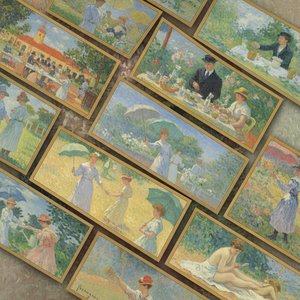
Renoir: As 25 Obras-Primas do Mestre Impressionista | OriginalUniqueArt
Descubra as 25 obras-primas de Renoir, o mestre do Impressionismo! Explore a história, cores vibrantes e emoção por trás de quadros icônicos como 'Bal au moulin de la Galette'. Encontre reproduções de arte exclusivas para decorar sua casa com elegância em OriginalUniqueArt.com.

Paisagens Impressionistas Icônicas: 10 Obras que Mudaram a Arte | OriginalUniqueArt
Descubra as 10 obras impressionistas que revolucionaram a arte! Explore Monet, Renoir e outros mestres da paisagem. Encontre reproduções de alta qualidade para decorar sua casa com a beleza do Impressionismo em OriginalUniqueArt.com.

Impressionistic Realism's Finest: 10 Masterpieces for Your Home | OriginalUniqueArt
Journey through Impressionistic Realism with 10 iconic masterpieces by Monet, Renoir & Van Gogh. Explore art history, techniques & find museum-quality reproductions for your home at OriginalUniqueArt.com. Discover all masterpieces online!
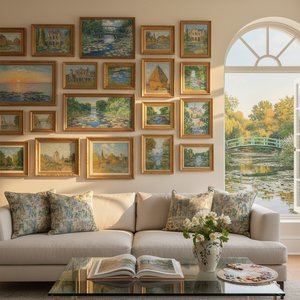
Claude Monet: As 25 Obras-Primas Essenciais para Amantes da Arte e Decoração
Descubra as 25 obras-primas de Claude Monet, o mestre do Impressionismo! Explore a história por trás dos nenúfares, paisagens e cores vibrantes que revolucionaram a arte. Encontre reproduções de alta qualidade para decorar sua casa com a beleza atemporal de Monet em OriginalUniqueArt.com.

Os 10 Mestres do Impressionismo e a Paisagem que Mudou a Arte | OriginalUniqueArt
Descubra os 10 quadros impressionistas que revolucionaram a arte! Explore Monet, Renoir e outros mestres da paisagem francesa. Encontre reproduções de alta qualidade para decorar sua casa com beleza e história em OriginalUniqueArt.com.