Visualizar em escala
 Enviar
 Compartilhar
 Ver detalhes
 Guia de Obras do Aluno

 Baixar imagem
 Semelhantes
 Raio X
 Apresentação de slides
 Estatísticas
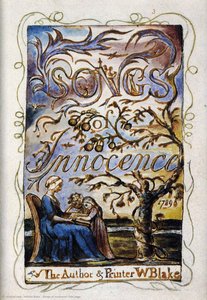
Dante's Divine Comedy, Beatrice Addressing Dante


 Ver mais
Giclée / Impressão de Arte
Impressão giclée ou em tela de qualidade de museu, com produção rápida e opções flexíveis de acabamento. ( Encomendar reprodução pintada à mão Ver Imagem Digital)




P118B $10

P118H $10

P118W $10

P438Z $10

P508JH $12

P508YH $12

P805H $10

P805Z $10

P919BZ $10

P919G $10

P919XJ $10

P959ZH $10

P968JZ $12

W106C $8

W218G $10

W218JH $8

W218Y $10

W307PJ $10

W316G $10

W316PJ $8

W316Y $10

W398PJ $8

W4111J $10

W500HY $15

W500JH $15

W692G $12

W849H $8

W940BG $15

W953PJ $8




Escolha entre os nossos tamanhos pré-definidos que respeitam as proporções originais da obra de arte.

Você pode inserir suas próprias dimensões para se ajustar a uma moldura ou espaço específico. Se o tamanho selecionado não corresponder às proporções da imagem original, iremos recortar a obra de arte ou estender a imagem com uma borda espelhada ou preenchimento sólido. Um mockup digital será enviado para sua aprovação antes do início da produção.
Por favor, observe que a visualização na tela não reflete o recorte ou a extensão real. Apenas o mockup mostrará com precisão a composição final.
Embora tamanhos personalizados estejam disponíveis, recomendamos selecionar uma dimensão da lista predefinida para preservar as proporções originais.
Entrega mundial () em 2 semanas, em vez das 4/5 semanas padrão. (26 Setembro)

Envio expresso gratuito para todo o mundo

Tela de Linho Premium

Seguro de transporte total

Garantia de Reembolso de Impostos Alfandegários

Garantia de Fidelidade de Cor

Política de Devolução em 100 Dias (Apenas para Defeitos)

Garantia de reembolso de 100%

Desconto para múltiplas unidades
 A opção de vidro está disponível apenas para tamanhos inferiores a 110 cm

Dante's Divine Comedy, Beatrice Addressing Dante
Giclée / Impressão de Arte
Dimensões da Reprodução
-


Preço Total
$ 80
A Visionary Encounter: Blake’s Interpretation of Dante
This captivating work by William Blake is a powerful illustration from his series inspired by Dante Alighieri's epic poem, *The Divine Comedy*. The scene depicts the pivotal moment when Beatrice, Dante’s idealized love and spiritual guide, addresses the poet himself. It isn’t merely an illustration; it’s a vibrant reimagining of a literary cornerstone through the lens of Romanticism’s most imaginative minds.Artistic Style & Technique: A Marriage of Precision and Passion
Blake's distinctive style is immediately apparent in this piece. Eschewing traditional painting methods, he employed a unique technique combining relief etching with watercolor and ink. This allows for an extraordinary level of detail – intricate patterns adorn the figures’ garments, while swirling forms create a dynamic sense of movement. The flattened perspective and lack of conventional depth contribute to the dreamlike quality, pulling the viewer *into* Dante's spiritual journey rather than offering a detached observation. Vivid colors, though somewhat muted by time, still possess an emotional intensity characteristic of Blake’s work, lending a mystical aura to the scene.Historical Context: Romanticism & The Revival of Dante
Created during a period of intense artistic and intellectual ferment, this artwork reflects the core tenets of the Romantic movement – a celebration of emotion, imagination, and individualism. The late 18th and early 19th centuries witnessed a renewed interest in medieval literature, with Dante’s *Divine Comedy* experiencing a significant revival. Blake was deeply engaged with contemporary artistic currents, influenced by artists like Henry Fuseli and J.M.W. Turner, yet he forged his own profoundly original path. His interpretation of Dante wasn't simply illustrative; it was an attempt to visually embody the poem’s spiritual and psychological depths.Decoding the Symbolism: Love, Enlightenment & The Human Spirit
The composition is rich with symbolic meaning. Beatrice, bathed in a celestial light, represents divine love, grace, and enlightenment – the guiding force leading Dante towards salvation. Her commanding gesture and focused gaze suggest her role as an active agent in his spiritual transformation. Surrounding them are swirling figures and fantastical elements that can be interpreted as representing the complexities of the human soul, earthly temptations, or even the chaotic forces confronting Dante on his journey through the afterlife. The overall effect is less a literal depiction of a scene from *The Divine Comedy* and more an allegorical representation of the ascent towards spiritual understanding.Emotional Impact & Interior Design Considerations
This artwork evokes a sense of awe, mystery, and profound emotional resonance. It’s not merely visually striking; it invites contemplation on themes of love, morality, and the search for meaning. Its complex composition and rich symbolism make it a compelling focal point in any interior space. The muted color palette lends itself well to both traditional and contemporary settings, pairing beautifully with warm neutrals or jewel-toned accents. Here are some design considerations:- Placement: A high-quality reproduction would be particularly impactful in a library, study, or living room – spaces designed for reflection and intellectual engagement.
- Scale: The artwork’s dramatic energy also makes it suitable for larger rooms where its presence can command attention without overwhelming the space.
- Complementary Styles: Consider pairing with antique furniture or modern pieces featuring organic shapes to echo the work's flowing lines.
- Lighting: Subtle, directional lighting will enhance the details and create a more immersive experience.
Biografia do Artista
A Visionary’s Journey: The Life and Art of William Blake
William Blake, born in London on November 28, 1757, was a figure perpetually out of step with his time, yet destined to become one of the most celebrated artists and poets of the Romantic Age. His life unfolded against the backdrop of a rapidly changing England—a world grappling with industrialization, political upheaval, and shifting spiritual beliefs. From humble beginnings as the son of a hosier, Blake’s early years were marked by an intensely vivid imagination and a propensity for visionary experiences that would profoundly shape his artistic trajectory. Though largely self-taught in formal academics, he received drawing instruction at a young age, quickly revealing a talent that hinted at the extraordinary path ahead. His apprenticeship with engraver James Basire proved pivotal, providing him not only with technical mastery but also an understanding of printmaking techniques he would later revolutionize. These early influences—the Gothic grandeur of Westminster Abbey, the classical forms of Raphael and Michelangelo—served as foundational elements in his developing aesthetic, though Blake was never one to remain bound by convention.The Illuminated World: Technique and Innovation
Blake’s artistic innovation wasn't merely about subject matter; it resided fundamentally in *how* he created. Dissatisfied with conventional engraving methods, he developed a unique process known as “illuminated printing.” This involved etching both text and illustrations onto copper plates, then hand-coloring the resulting prints—a laborious but deeply personal approach that allowed for complete artistic control. This wasn’t simply illustration accompanying poetry; it was an integrated art form where image and verse were inextricably linked, each enhancing the meaning of the other. His relief etching technique, born from a claimed visionary experience following his brother's death, further distinguished his work, granting it a distinctive textural quality and allowing for greater artistic freedom than traditional methods. Beyond printmaking, Blake also worked with watercolors and tempera paints, often depicting biblical scenes or fantastical subjects imbued with symbolic weight. A key characteristic of his style was a deliberate rejection of linear perspective in favor of a more emotive, symbolic representation—a flattening of space that drew the viewer into the heart of his visionary world. He sought to capture not just what he saw but what he *felt*, channeling spiritual insight into every brushstroke and line of text.Themes of Innocence, Experience, and Rebellion
The core of Blake’s artistic output lies in its exploration of profound themes: the duality of innocence and experience, the constraints of reason versus the liberating power of imagination, and a fierce critique of societal norms.- Songs of Innocence and of Experience (1794), perhaps his most accessible work, presents a contrasting vision of childhood—one idyllic and untainted, the other marked by hardship and corruption.
- The Marriage of Heaven & Hell (1793) is a provocative prose poem that challenges conventional morality, celebrating energy, desire, and rebellion against restrictive doctrines.
- His illustrations for Dante’s *Divine Comedy* showcase his dramatic vision and ability to translate complex narratives into powerful visual imagery.
A Legacy Rediscovered: Blake's Enduring Influence
During his lifetime, William Blake remained largely marginalized, misunderstood by many of his contemporaries. His work was often dismissed as eccentric or even mad. He struggled financially throughout much of his life, relying on commissions and the support of a small circle of patrons like Thomas Butts. However, in the decades following his death on August 12, 1827, Blake’s reputation began to grow steadily. The Pre-Raphaelites, captivated by his visionary style and symbolic imagery, embraced him as a kindred spirit. Later movements—Symbolism and Modernism—found resonance in his emphasis on imagination, subjective experience, and spiritual themes. Today, William Blake is recognized as a pivotal figure in the Romantic movement, an artist whose work continues to inspire poets, painters, and thinkers across disciplines. His exploration of complex philosophical and religious ideas through art remains profoundly relevant, challenging us to question conventional wisdom and embrace the power of individual vision. Blake’s legacy isn't simply about his artistic achievements; it is about his unwavering commitment to creative freedom—a testament to the enduring power of imagination in a world often dominated by reason and constraint.
William Blake
1757 - 1827 , Reino Unido
Informações Rápidas
- Artistic Movement Or Style: Romantismo
- Artists Who Influenced This Artist:
- Rafael
- Michelangelo
- Date Of Birth: 1757
- Date Of Death: 1827
- Full Name: William Blake
- Nationality: Britânico
- Notable Artworks:
- Canções da Innocência e da Experiência
- O Casamento do Céu e do Inferno
- O Tigre
- Jerusalém
- Place Of Birth: Londres, Reino Unido
Artigos Relacionados

Dante Gabriel Rossetti: As 25 Obras-Primas do Mestre Pré-Rafaelita | OriginalUniqueArt
Descubra as 25 obras-primas de Dante Gabriel Rossetti, o mestre pré-rafaelita! Explore a beleza, simbolismo e paixão em pinturas icônicas como 'Proserpina' e 'Beata Beatrix'. Encontre reproduções de arte exclusivas para transformar sua casa com OriginalUniqueArt.com.
The Refined Aesthetic of Victorian Illustration: A Study in Narrative & Technique
Explore the captivating world of Victorian illustration! Discover Pre-Raphaelite influences, key artists like Rossetti & Stephens, and the era's rich narrative detail. A deep dive for art enthusiasts.

William Blake: Romantic Visionary & Mystical Genius of the Imagination
Explore the mystical art & poetic genius of William Blake (1757-1827). Discover his revolutionary illuminated printing, rich symbolism, and lasting influence on Romanticism. Find handmade reproductions at OriginalUniqueArt.
Kay Rasmus Nielsen: A Golden Age Illustrator's Enchanting Legacy of Symbolism & Narrative
Explore the captivating world of Kay Rasmus Nielsen, a celebrated Golden Age illustrator renowned for his Art Nouveau fairy tale art & Disney contributions. Discover his unique style, enduring legacy, and how to collect his enchanting works.
Paul Gustave Doré: A Master of Romantic Realism & the Illustrated Imagination
Explore the captivating world of Gustave Doré, master of Romantic realism & iconic illustrator. Discover his dramatic wood engravings, paintings, and sculptures – a legacy shaping art history. Learn more at OriginalUniqueArt.