
 Preview
 Enviar
 Compartilhar
 Detalhes da obra

 Baixar
 Semelhantes
 Raio X
 Slideshow
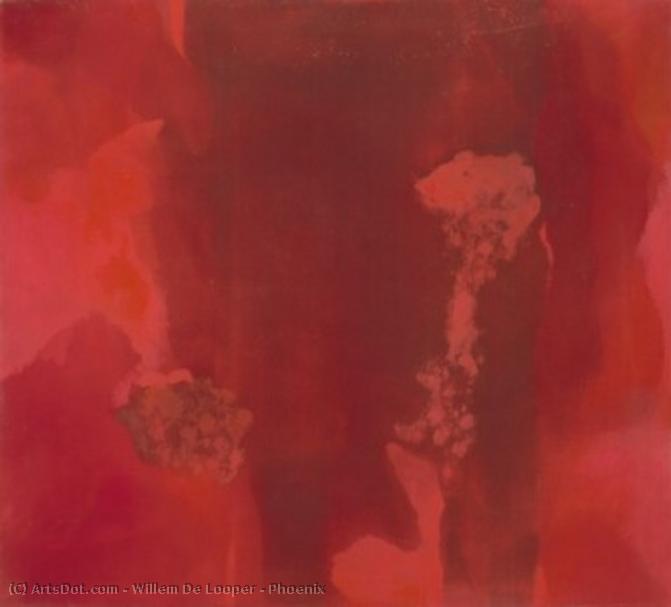
Phoenix
 1970
1970 191.0 x 213.0 cm
 Ver mais
Giclê / Impressão de Arte
Impressão giclée ou em tela de qualidade de museu, com produção rápida e opções flexíveis de acabamento. ( Switch to hand made Painting Switch to Image)




































Escolha entre os nossos tamanhos pré-definidos que respeitam as proporções originais da obra de arte.

Você pode inserir suas próprias dimensões para se ajustar a uma moldura ou espaço específico. Se o tamanho selecionado não corresponder às proporções da imagem original, iremos recortar a obra de arte ou estender a imagem com uma borda espelhada ou preenchimento sólido. Um mockup digital será enviado para sua aprovação antes do início da produção.
Por favor, observe que a visualização na tela não reflete o recorte ou a extensão real. Apenas o mockup mostrará com precisão a composição final.
Embora tamanhos personalizados estejam disponíveis, recomendamos selecionar uma dimensão da lista predefinida para preservar as proporções originais.
Entrega mundial () em 2 semanas, em vez das 4/5 semanas padrão. (28 Julho)

Envio Expresso Gratuito para todo o Mundo

Tela de Linho Premium

Seguro de envio completo

Garantia de Reembolso de Impostos Alfandegários

Garantia de Fidelidade de Cores

Política de Devolução de 60 Dias (Apenas para Defeitos)

Garantia de 100% de Reembolso

Desconto para múltiplas unidades
 A opção de vidro está disponível apenas para tamanhos inferiores a 110 cm

Phoenix
Giclê / Impressão de Arte
Dimensões da Reprodução
-


Preço Total Final
$ 80
Biografia do Artista
Willem Johan de Looper (1932–2009): A Pioneer of Color Field Painting
Willem Johan de Looper (October 30, 1932 – January 30, 2009) stands as a significant figure in American Abstract Expressionism and the broader landscape of color field painting. Born in The Hague, Netherlands, his formative years were shaped by a Montessori education and profoundly impacted by the anxieties of World War II—a period marked by displacement and familial resilience.
- Early Life & Education: De Looper’s upbringing instilled in him a meticulous attention to detail and an appreciation for observation, qualities that would later inform his artistic approach. His brother's encouragement fueled his ambition to pursue higher education, culminating in a degree from American University where he studied under influential mentors like Robert Gates and Ben Summerford.
- Influence of American Culture: The arrival of publications such as *The New Yorker* during the war years proved pivotal. De Looper was captivated by their exploration of culture, music, advertising, and art—a fascination that propelled him toward a career in visual arts and cemented his lifelong admiration for American artistic traditions.
- Military Service & Initial Artistic Exploration: Serving two years in the United States Army during the Korean War provided De Looper with valuable experience and broadened his worldview. Following his discharge, he began his museum career at The Phillips Collection, where he honed his skills as a curator and developed an enduring connection to the art world.
De Looper’s artistic journey commenced in the late 1960s with a groundbreaking technique—abandoning brushes altogether. He embraced a process of layering acrylic paint onto canvas, creating expansive compositions dominated by harmonious color fields devoid of representational imagery. This method, championed by fellow Washington Color School artists like Paul Klee and John Marin, represented a radical departure from traditional painting conventions.
- Washington Color School Movement: De Looper’s participation in the Washington Color School movement solidified his reputation as an innovator who prioritized pure color and atmospheric resonance. His canvases—characterized by broad stripes of pigment—became emblematic of this influential artistic trend.
- Notable Works: Among his most celebrated pieces are “Phoenix” and “The Duke,” which exemplify De Looper’s distinctive style and demonstrate his masterful command of color and texture. These paintings, housed in prominent museums across the United States and internationally, continue to inspire admiration for their simplicity and profound emotional impact.
Throughout his career, De Looper maintained a steadfast commitment to artistic integrity and pursued excellence with unwavering dedication. His legacy extends beyond individual artworks; he served as chief curator at The Phillips Collection for decades, shaping the museum’s collection and fostering dialogue about contemporary art. Willem Johan de Looper's contribution to American Abstract Expressionism remains indelible—a testament to his visionary approach and enduring artistic vision.
- Museum Curator: De Looper’s tenure at The Phillips Collection underscored his passion for promoting artistic understanding and enriching cultural experiences.
De Looper died January 30, 2009, leaving behind a rich artistic output that continues to resonate with collectors and critics alike.

willem johan de looper
1932 - 2009 , Netherlands
Informações Rápidas
- Artistic Movement Or Style: Washington Color School
- Artists Or Movements Influenced By This Artist: ['Color Field painting']
- Artists Who Influenced This Artist:
- Paul Klee
- John Marin
- Arthur Dove
- Date Of Birth: October 30, 1932
- Date Of Death: January 30, 2009
- Full Name: Willem Johan de Looper
- Nationality: Dutch-American
- Notable Artworks:
- Phoenix
- The Duke
- Place Of Birth: The Hague, Netherlands

