Visualizar em escala
 Enviar
 Compartilhar
 Ver detalhes

 Baixar
 Semelhantes
 Raio X
 Apresentação de slides
Sand Barges
 Óleo sobre tela
- Arte de Parede
- Post-Impressionismo
 1888
1888- Século XIX
 55.0 x 66.0 cm
 Museu Folkwang
 Ver mais
Reprodução em Óleo Feita à Mão
Óleo sobre tela pintado à mão no seu tamanho e moldura, feito sob encomenda pelos nossos artistas. ( Encomendar impressão Comprar imagem em alta resolução)




P118B $10

P118H $10

P118W $10

P438Z $10

P508JH $12

P508YH $12

P805H $10

P805Z $10

P919BZ $10

P919G $10

P919XJ $10

P959ZH $10

P968JZ $12

W106C $8

W218G $10

W218JH $8

W218Y $10

W307PJ $10

W316G $10

W316PJ $8

W316Y $10

W398PJ $8

W4111J $10

W500HY $15

W500JH $15

W692G $12

W849H $8

W940BG $15

W953PJ $8




Escolha entre os nossos tamanhos pré-definidos que respeitam as proporções originais da obra de arte.

Pode inserir as suas próprias dimensões para se adequar a uma moldura ou espaço específico. Se o tamanho selecionado não corresponder às proporções da imagem original, iremos cortar a obra de arte ou estender a pintura com elementos adicionais pintados à mão. Um esboço digital será enviado para sua aprovação antes do início da produção.
Tenha em atenção que a pré-visualização no ecrã não reflete o corte ou extensão real. Apenas o esboço mostrará com precisão a composição final.
Embora tamanhos personalizados estejam disponíveis, recomendamos selecionar uma dimensão da lista predefinida para preservar as proporções originais.
Após o pedido, a equipa OriginalUniqueArt.com enviará um e-mail ao cliente para solicitar instruções e fornecer uma prévia do esboço.
Entrega mundial () em 3 a 4 semanas, em vez das 5 semanas padrão. (18 Agosto). Sem comprometer a qualidade.

Envio Expresso Gratuito para todo o Mundo

Tela de Linho Premium

Seguro de transporte total

Garantia de Reembolso de Impostos Alfandegários

Garantia de Fidelidade de Cor

Política de Devolução de 60 Dias (Apenas para Defeitos)

Garantia de reembolso de 100%

Desconto para múltiplas unidades
 A opção de vidro está disponível apenas para tamanhos inferiores a 110 cm

Sand Barges
Técnica de Reprodução
Dimensões da Reprodução
-


Preço Total
$ 300
Descrição da Obra
Sand Barges: Uma Vislumbre da Vida Arlesiana por Vincent van Gogh
Vincent Willem van Gogh, um nome sinônimo de paixão artística e genialidade turbulenta, permanece uma das figuras mais reconhecidas e amadas na história da arte ocidental. Nasceu em 30 de março de 1853, em Groot-Zundert, Holanda, sua jornada não foi uma de aclamação imediata, mas sim lenta chama de dedicação, luta e, finalmente, influência profunda. O filho mais velho de seis filhos nascidos para um pastor protestante, Teodoro van Gogh, sua vida inicial estava impregnada de contemplação religiosa, uma sensibilidade que influenciaria sutilmente muito de seu trabalho posterior.
Embora tenha demonstrado inclinação para desenho desde cedo, seu caminho não foi imediatamente claro; explorou diversas vocações – comerciante de arte, professor e missionário – antes de abraçar plenamente a vida do artista. Essas experiências, embora aparentemente díspares, provaram formativas, inculcando nele uma profunda empatia pela classe trabalhadora e um senso espiritual profundo que wou
Composição e Técnica Artística
A cena se desenrola ao longo de uma quarteira onde três barcas estão ancoradas, cada uma distinta em tamanho e forma. A maestria de Van Gogh no uso da cor imediatamente chama o olhar: tonalidades rosadas-purpúricas dominam as embarcações, contrastando drasticamente com o intenso verde da água. Uma bandeira francesa orgulhosamente voa sobre um mastro, adicionando um toque de identidade nacional à composição. Na frente, um trabalhador diligente descarrega areia de uma carrinho de mão, enquanto outros indivíduos estão envolvidos em várias tarefas relacionadas às barcas, criando uma sensação de atividade agitada. Notavelmente, Van Gogh omite o céu, concentrando-se inteiramente na cena imediata e intensificando a intimidade do momento.
O estilo pós-impressionista de Van Gogh é evidente em toda a extensão de Sand Barges. Pinceladas ousadas e expressivas criam uma sensação palpável de movimento e energia. Aplicação espessa de tinta (impasto) adiciona textura e profundidade à tela, reforçando ainda mais a vivacidade das cores. Essa técnica não apenas captura a realidade física da cena, mas também transmite a resposta emocional de Van Gogh a ela – um sentimento de vitalidade e indústria.
Contexto Histórico e Simbolismo
Pintado durante o período Arles de Van Gogh, Sand Barges reflete seu desejo de capturar a essência da vida provençal. Ele estava profundamente inspirado pelas paisagens e pessoas da região, buscando retratá-las com honestidade e empatia. A pintura oferece um olhar valioso sobre a atividade industrial ao longo do rio Rhône durante o final do século XIX, quando Arles serviu como importante centro comercial. Além de seu valor documental, Sand Barges carrega peso simbólico.
As barcas em si podem ser interpretadas como símbolos de trabalho e perseverança, representando o esforço duro e a dedicação das pessoas que dependiam do rio para sustento. As tonalidades vibrantes, particularmente o contraste marcante entre rosa e verde, evocam um senso de otimismo e vitalidade, mesmo diante da tarefa árdua do trabalho manual. A ausência do céu pode simbolizar o foco de Van Gogh no presente imediato, enfatizando a importância de apreciar a beleza nos momentos cotidianos.
Legado e Impacto Emocional
Sand Barges permanece um testemunho do legado duradouro de Van Gogh como um dos artistas mais influentes da história – seu talento para transformar cenas ordinárias em obras de arte extraordinárias continua a inspirar gerações de pintores e entusiastas da arte por igual. A pintura apresenta uma oportunidade única para colecionadores e designers interiores trazerem um pedaço da genialidade de Van Gogh às suas casas, criando um ponto focal cativante que desperta conversa e inspira contemplação.
Biografia do Artista
A Life Painted in Emotion: The World of Vincent van Gogh
Vincent Willem van Gogh, a name synonymous with artistic passion and turbulent genius, remains one of the most recognizable and beloved figures in Western art history. Born on March 30, 1853, in Groot-Zundert, Netherlands, his journey was not one of immediate acclaim but rather a slow burn of dedication, struggle, and ultimately, profound influence. The eldest of six children born to a Protestant minister, Theodorus van Gogh, Vincent’s early life was steeped in religious contemplation, a sensibility that would subtly permeate much of his later work. Though he displayed an inclination towards drawing from a young age, his path wasn't immediately clear; he explored various vocations – art dealer, teacher, and missionary – before fully embracing the artist’s life. These experiences, though seemingly disparate, proved formative, instilling in him a deep empathy for the working class and a profound sense of spiritual seeking that would become hallmarks of his artistic vision. Early influences included the Dutch Masters like Rembrandt van Rijn and Frans Hals, whose masterful use of light and shadow resonated with young Vincent, as well as contemporary French painters Jean-François Millet and Camille Corot, who depicted scenes of rural life with a poignant realism.From Darkness to Light: Artistic Development and Style
Van Gogh’s serious engagement with painting began around 1880, largely self-taught, driven by an inner compulsion to express the world as he perceived it. His initial works reflected his compassion for the marginalized, focusing on the lives of peasants and laborers – exemplified in pieces like The Potato Eaters. These early paintings are characterized by dark, earthy tones and a raw, almost brutal honesty that sought to capture the hardship and dignity of rural existence. The figures aren’t idealized; they're depicted with unflinching realism, conveying their weariness and resilience. A pivotal moment arrived with his move to Paris in 1886, where he was exposed to the vibrant world of Impressionism and Post-Impressionism. This encounter proved transformative, injecting brighter colors into his palette and encouraging experimentation with new techniques. He absorbed the lessons of artists like Monet, Renoir, and Pissarro, but never fully adopted their style; instead, he forged a path uniquely his own. His distinctive style rapidly evolved, becoming instantly recognizable for its bold colors, expressive brushwork, and emotional intensity. Van Gogh didn’t merely *represent* reality; he sought to convey the feeling of being within it, utilizing impasto – thick layers of paint – to create texture and imbue his canvases with a palpable energy. This technique wasn't simply aesthetic; it was an integral part of his expressive language, allowing him to translate inner turmoil and ecstatic joy onto the canvas.Periods of Intensity: Key Works and Artistic Phases
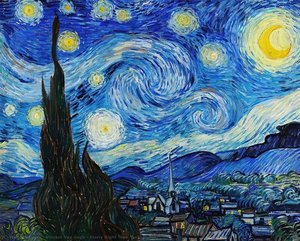
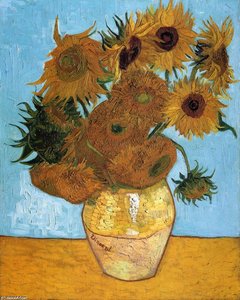
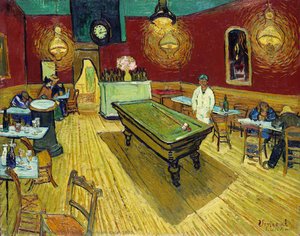
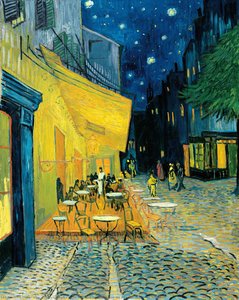
Van Gogh’s artistic journey can be broadly divided into distinct periods, each marked by unique characteristics and significant works. The Dutch Period (1880-1886), as mentioned, was defined by somber tones and depictions of peasant life. These paintings, often done in dark browns and greens, reflect a sense of melancholy and social commentary. The subsequent Parisian Period (1886-1888) saw a dramatic shift towards brighter colors and experimentation with Impressionist techniques. He began to incorporate the broken brushstrokes and fleeting effects of light that were characteristic of the movement, but he retained his own distinct style. However, it was during the Arles Period (1888-1889), in the south of France, that Van Gogh reached a peak of creative intensity. Surrounded by the radiant light and vibrant landscapes of Provence, he produced some of his most iconic works: Sunflowers, bursting with golden hues; *The Night Café*, a claustrophobic depiction of a dimly lit tavern; and *Starry Night Over the Rhône*, capturing the shimmering reflections on the river’s surface. These paintings are not merely depictions of scenes; they are emotional landscapes, pulsating with life and imbued with a sense of longing. The swirling brushstrokes and intense colors convey a feeling of heightened emotion and spiritual awareness. His final years, spent in Saint-Rémy and Auvers-sur-Oise (1889-1890), were marked by continued artistic output despite increasing mental distress. Confined to an asylum at Saint-Rémy following a breakdown, he found solace in painting the surrounding countryside, resulting in masterpieces like Starry Night, a swirling vortex of color and emotion that continues to captivate viewers today. Even during this period of profound suffering, his portraits – particularly those of Dr. Gachet – reveal an extraordinary sensitivity and psychological depth.A Legacy Forged in Suffering: Achievements and Historical Significance
Despite facing rejection and struggling with mental illness throughout his life, Van Gogh created over 2,100 artworks in just over a decade—approximately 860 oil paintings. This astonishing output is testament to his unwavering dedication and relentless creative drive. Remarkably, during his lifetime, only one painting – The Red Vineyard – was sold. Recognition came posthumously, slowly at first, then with increasing momentum in the early 20th century. His work profoundly influenced the development of modern art, particularly Expressionism and Fauvism, inspiring artists to prioritize emotional expression over realistic representation. His bold use of color, distorted forms, and expressive brushwork paved the way for new artistic possibilities. Today, Van Gogh’s paintings are among the most recognizable and valuable artworks in the world, commanding record prices at auction and drawing millions of visitors to museums worldwide. But his legacy extends far beyond monetary value; he remains a cultural icon, representing the archetype of the “tortured artist” – though this narrative often overshadows his skill, dedication, and artistic vision. The Van Gogh Museum in Amsterdam stands as a testament to his enduring influence, showcasing his work and celebrating his life for generations to come. His art continues to resonate with audiences because it speaks to universal human experiences—love, loss, hope, despair—with an honesty and vulnerability that transcends time and culture.- Major Influences: Dutch Masters (Rembrandt, Hals), Millet, Corot.
- Key Periods: Dutch, Parisian, Arles, Saint-Rémy/Auvers-sur-Oise.
- Notable Works: The Potato Eaters, Sunflowers, Starry Night, The Night Café.
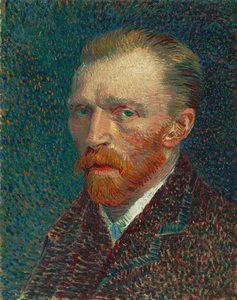
vincent willem van gogh
1853 - 1890 , Países Baixos
Informações Rápidas
- Artistic Movement Or Style: Pós-Impressionismo
- Artists Or Movements Influenced By This Artist:
- Expressionismo
- Fauvismo
- Artists Who Influenced This Artist:
- Rembrandt
- Millet
- Date Of Birth: 30 de Março de 1853
- Date Of Death: 29 de Julho de 1890
- Full Name: Vincent Willem van Gogh
- Nationality: Holandês
- Notable Artworks:
- O Pintor de Camponeses
- Girassóis
- Noite Estrelada
- Café à Noite
- Place Of Birth: Zundert, Holanda
Artigos Relacionados
Van Gogh: As 25 Obras-Primas Que Definem um Gênio da Arte | OriginalUniqueArt
Descubra as 25 obras-primas de Vincent van Gogh, do icônico 'Noite Estrelada' aos vibrantes 'Girassóis'. Explore a história, cores e emoção por trás de cada pintura. Reproduções de alta qualidade em OriginalUniqueArt.com!

Os 10 Mestres do Pós-Impressionismo: Obras que Transformaram a Arte e Decoram o Lar
Descubra os 10 quadros pós-impressionistas que revolucionaram a arte! Explore Van Gogh, Monet e Cézanne. Encontre reproduções de alta qualidade para decorar sua casa com obras atemporais em OriginalUniqueArt.com.
Decoding Van Gogh's Turmoil: OriginalUniqueArt’s Masterful Reproductions of Emotional Depth
Discover exquisite Van Gogh reproductions from OriginalUniqueArt – expert art specialists offering museum-quality prints & custom paintings. Trust our authentic process and elevate your collection today.

Rembrandt van Rijn: As 25 Obras-Primas que Definem um Mestre da Luz e Sombra | OriginalUniqueArt
Descubra as 25 obras-primas de Rembrandt van Rijn, o mestre da luz e sombra! Explore a história por trás de 'A Ronda Noturna', seus auto-retratos e muito mais. Encontre reproduções de arte exclusivas para decorar sua casa com OriginalUniqueArt.com.
Beyond Impressionism: Exploring the Emotional Depth of Post-Impressionist Painting
Explore the profound emotional depth & innovative techniques of Post-Impressionism with OriginalUniqueArt. Discover Cézanne, Van Gogh, Gauguin & more – and their lasting impact on modern art.