Visualizar em escala
 Enviar
 Compartilhar
 Ver detalhes
 Guia de Obras do Aluno

 Baixar imagem
 Semelhantes
 Raio X
 Apresentação de slides
 Estatísticas
Paisagem com Árvores


 Ver mais
Giclée / Impressão de Arte
Impressão giclée ou em tela de qualidade de museu, com produção rápida e opções flexíveis de acabamento. ( Encomendar reprodução pintada à mão Ver Imagem Digital)




P118B $10

P118H $10

P118W $10

P438Z $10

P508JH $12

P508YH $12

P805H $10

P805Z $10

P919BZ $10

P919G $10

P919XJ $10

P959ZH $10

P968JZ $12

W106C $8

W218G $10

W218JH $8

W218Y $10

W307PJ $10

W316G $10

W316PJ $8

W316Y $10

W398PJ $8

W4111J $10

W500HY $15

W500JH $15

W692G $12

W849H $8

W940BG $15

W953PJ $8




Escolha entre os nossos tamanhos pré-definidos que respeitam as proporções originais da obra de arte.

Você pode inserir suas próprias dimensões para se ajustar a uma moldura ou espaço específico. Se o tamanho selecionado não corresponder às proporções da imagem original, iremos recortar a obra de arte ou estender a imagem com uma borda espelhada ou preenchimento sólido. Um mockup digital será enviado para sua aprovação antes do início da produção.
Por favor, observe que a visualização na tela não reflete o recorte ou a extensão real. Apenas o mockup mostrará com precisão a composição final.
Embora tamanhos personalizados estejam disponíveis, recomendamos selecionar uma dimensão da lista predefinida para preservar as proporções originais.
Entrega mundial () em 2 semanas, em vez das 4/5 semanas padrão. (26 Setembro)

Envio expresso gratuito para todo o mundo

Tela de Linho Premium

Seguro de transporte total

Garantia de Reembolso de Impostos Alfandegários

Garantia de Fidelidade de Cor

Política de Devolução em 100 Dias (Apenas para Defeitos)

Garantia de reembolso de 100%

Desconto para múltiplas unidades
 A opção de vidro está disponível apenas para tamanhos inferiores a 110 cm

Paisagem com Árvores
Giclée / Impressão de Arte
Dimensões da Reprodução
-


Preço Total
$ 80
Paisagem com Árvores de Van Gogh: Um Refúgio na Alma
A "Paisagem com Árvores", datada de 1881, é uma obra que reside no acervo do Museu Boijmans van Beuningen em Roterdã, e representa um momento crucial na jornada artística de Vincent van Gogh. Mais do que uma simples representação da natureza, a tela se revela como um portal para o mundo interior do artista, um espaço onde a melancolia e a esperança dançam em perfeita harmonia. Criada durante sua estadia na Holanda, antes de sua partida para a França, esta paisagem prenuncia as cores vibrantes e pinceladas expressivas que viriam a definir seu estilo único.
A Técnica do Olhar Atento
Van Gogh emprega aqui uma técnica notável, utilizando carvão, tinta e aguada sobre papel. A combinação desses materiais permite uma riqueza de texturas e tons que conferem à paisagem uma sensação palpável de realidade. As árvores, com seus galhos entrelaçados e troncos retorcidos, dominam a composição, criando um labirinto visual que atrai o olhar do espectador para dentro da cena. A ausência de folhas nas árvores sugere um período de transição, talvez o outono ou o inverno, intensificando a atmosfera de introspecção e quietude. Observe como as linhas densas e precisas delineiam os troncos, contrastando com as áreas mais suaves e esfumaçadas que representam o chão coberto por vegetação rasteira. Essa dualidade técnica reflete a complexidade da emoção humana.
Um Contexto de Busca Interior
A "Paisagem com Árvores" surge em um período de intensa busca pessoal e artística para Van Gogh. Após tentativas frustradas em diversas profissões, ele se dedicou à pintura com fervor, buscando expressar suas emoções e sua visão do mundo através da arte. A paisagem holandesa, com sua beleza austera e seus tons sombrios, serviu como um ponto de partida para a exploração de temas mais profundos, como a relação entre o homem e a natureza, a solidão e a esperança. É importante lembrar que Van Gogh estava aprendendo a pintar nesse período, absorvendo influências da arte holandesa tradicional, mas já demonstrando uma inclinação para a expressividade emocional que o distinguiria no futuro.
Simbolismo Silencioso
Embora aparentemente simples, a paisagem carrega consigo um simbolismo sutil. As árvores despidas podem representar a vulnerabilidade e a transitoriedade da vida, enquanto a terra escura e silenciosa evoca uma sensação de melancolia e introspecção. No entanto, a própria solidez dos troncos e a persistência das formas sugerem também uma força interior, uma capacidade de resistência diante das adversidades. A ausência de figuras humanas na cena intensifica essa atmosfera contemplativa, convidando o espectador a se conectar com a natureza em um nível mais profundo e pessoal. É como se Van Gogh nos oferecesse um refúgio silencioso, um espaço para a reflexão e a renovação.
A Emoção que Transcende o Tempo
A "Paisagem com Árvores" de Van Gogh não é apenas uma representação visual da natureza; é uma janela para a alma do artista. A tela irradia uma emoção intensa, uma mistura de melancolia e esperança, solidão e conexão com o mundo natural. Ao contemplar esta obra, somos transportados para um lugar de introspecção e quietude, onde podemos nos conectar com nossas próprias emoções e encontrar consolo na beleza da paisagem. A capacidade de Van Gogh de transmitir sentimentos tão profundos através de sua arte é o que torna suas obras tão atemporais e universalmente apreciadas.
Biografia do Artista
A Life Painted in Emotion: The World of Vincent van Gogh
Vincent Willem van Gogh, a name synonymous with artistic passion and turbulent genius, remains one of the most recognizable and beloved figures in Western art history. Born on March 30, 1853, in Groot-Zundert, Netherlands, his journey was not one of immediate acclaim but rather a slow burn of dedication, struggle, and ultimately, profound influence. The eldest of six children born to a Protestant minister, Theodorus van Gogh, Vincent’s early life was steeped in religious contemplation, a sensibility that would subtly permeate much of his later work. Though he displayed an inclination towards drawing from a young age, his path wasn't immediately clear; he explored various vocations – art dealer, teacher, and missionary – before fully embracing the artist’s life. These experiences, though seemingly disparate, proved formative, instilling in him a deep empathy for the working class and a profound sense of spiritual seeking that would become hallmarks of his artistic vision. Early influences included the Dutch Masters like Rembrandt van Rijn and Frans Hals, whose masterful use of light and shadow resonated with young Vincent, as well as contemporary French painters Jean-François Millet and Camille Corot, who depicted scenes of rural life with a poignant realism.From Darkness to Light: Artistic Development and Style
Van Gogh’s serious engagement with painting began around 1880, largely self-taught, driven by an inner compulsion to express the world as he perceived it. His initial works reflected his compassion for the marginalized, focusing on the lives of peasants and laborers – exemplified in pieces like The Potato Eaters. These early paintings are characterized by dark, earthy tones and a raw, almost brutal honesty that sought to capture the hardship and dignity of rural existence. The figures aren’t idealized; they're depicted with unflinching realism, conveying their weariness and resilience. A pivotal moment arrived with his move to Paris in 1886, where he was exposed to the vibrant world of Impressionism and Post-Impressionism. This encounter proved transformative, injecting brighter colors into his palette and encouraging experimentation with new techniques. He absorbed the lessons of artists like Monet, Renoir, and Pissarro, but never fully adopted their style; instead, he forged a path uniquely his own. His distinctive style rapidly evolved, becoming instantly recognizable for its bold colors, expressive brushwork, and emotional intensity. Van Gogh didn’t merely *represent* reality; he sought to convey the feeling of being within it, utilizing impasto – thick layers of paint – to create texture and imbue his canvases with a palpable energy. This technique wasn't simply aesthetic; it was an integral part of his expressive language, allowing him to translate inner turmoil and ecstatic joy onto the canvas.Periods of Intensity: Key Works and Artistic Phases
Van Gogh’s artistic journey can be broadly divided into distinct periods, each marked by unique characteristics and significant works. The Dutch Period (1880-1886), as mentioned, was defined by somber tones and depictions of peasant life. These paintings, often done in dark browns and greens, reflect a sense of melancholy and social commentary. The subsequent Parisian Period (1886-1888) saw a dramatic shift towards brighter colors and experimentation with Impressionist techniques. He began to incorporate the broken brushstrokes and fleeting effects of light that were characteristic of the movement, but he retained his own distinct style. However, it was during the Arles Period (1888-1889), in the south of France, that Van Gogh reached a peak of creative intensity. Surrounded by the radiant light and vibrant landscapes of Provence, he produced some of his most iconic works: Sunflowers, bursting with golden hues; *The Night Café*, a claustrophobic depiction of a dimly lit tavern; and *Starry Night Over the Rhône*, capturing the shimmering reflections on the river’s surface. These paintings are not merely depictions of scenes; they are emotional landscapes, pulsating with life and imbued with a sense of longing. The swirling brushstrokes and intense colors convey a feeling of heightened emotion and spiritual awareness. His final years, spent in Saint-Rémy and Auvers-sur-Oise (1889-1890), were marked by continued artistic output despite increasing mental distress. Confined to an asylum at Saint-Rémy following a breakdown, he found solace in painting the surrounding countryside, resulting in masterpieces like Starry Night, a swirling vortex of color and emotion that continues to captivate viewers today. Even during this period of profound suffering, his portraits – particularly those of Dr. Gachet – reveal an extraordinary sensitivity and psychological depth.A Legacy Forged in Suffering: Achievements and Historical Significance
Despite facing rejection and struggling with mental illness throughout his life, Van Gogh created over 2,100 artworks in just over a decade—approximately 860 oil paintings. This astonishing output is testament to his unwavering dedication and relentless creative drive. Remarkably, during his lifetime, only one painting – The Red Vineyard – was sold. Recognition came posthumously, slowly at first, then with increasing momentum in the early 20th century. His work profoundly influenced the development of modern art, particularly Expressionism and Fauvism, inspiring artists to prioritize emotional expression over realistic representation. His bold use of color, distorted forms, and expressive brushwork paved the way for new artistic possibilities. Today, Van Gogh’s paintings are among the most recognizable and valuable artworks in the world, commanding record prices at auction and drawing millions of visitors to museums worldwide. But his legacy extends far beyond monetary value; he remains a cultural icon, representing the archetype of the “tortured artist” – though this narrative often overshadows his skill, dedication, and artistic vision. The Van Gogh Museum in Amsterdam stands as a testament to his enduring influence, showcasing his work and celebrating his life for generations to come. His art continues to resonate with audiences because it speaks to universal human experiences—love, loss, hope, despair—with an honesty and vulnerability that transcends time and culture.- Major Influences: Dutch Masters (Rembrandt, Hals), Millet, Corot.
- Key Periods: Dutch, Parisian, Arles, Saint-Rémy/Auvers-sur-Oise.
- Notable Works: The Potato Eaters, Sunflowers, Starry Night, The Night Café.
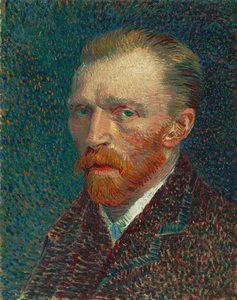
vincent willem van gogh
1853 - 1890 , Países Baixos
Informações Rápidas
- Artistic Movement Or Style: Pós-Impressionismo
- Artists Or Movements Influenced By This Artist:
- Expressionismo
- Fauvismo
- Artists Who Influenced This Artist:
- Rembrandt
- Millet
- Date Of Birth: 30 de Março de 1853
- Date Of Death: 29 de Julho de 1890
- Full Name: Vincent Willem van Gogh
- Nationality: Holandês
- Notable Artworks:
- O Pintor de Camponeses
- Girassóis
- Noite Estrelada
- Café à Noite
- Place Of Birth: Zundert, Holanda
Artigos Relacionados

Os 10 Mestres do Pós-Impressionismo: Obras que Transformaram a Arte e Decoram o Lar
Descubra os 10 quadros pós-impressionistas que revolucionaram a arte! Explore Van Gogh, Monet e Cézanne. Encontre reproduções de alta qualidade para decorar sua casa com obras atemporais em OriginalUniqueArt.com.

Rembrandt van Rijn: As 25 Obras-Primas que Definem um Mestre da Luz e Sombra | OriginalUniqueArt
Descubra as 25 obras-primas de Rembrandt van Rijn, o mestre da luz e sombra! Explore a história por trás de 'A Ronda Noturna', seus auto-retratos e muito mais. Encontre reproduções de arte exclusivas para decorar sua casa com OriginalUniqueArt.com.

Arboreal Echoes: A Historical & Artistic Exploration of Trees in Painting
Explore the rich history of trees in painting! Discover symbolism, Romantic masterpieces by Caspar David Friedrich & beyond. A curated journey for art enthusiasts.
Beyond the Surface: The Raw Power and Texture of Van Gogh's Impasto Brushstrokes
Explore the visceral power of Van Gogh's impasto technique. Discover how his thick, sculptural brushstrokes transform emotion into texture, creating a tactile legacy that continues to inspire modern collectors and fine art enthusiasts worldwide.
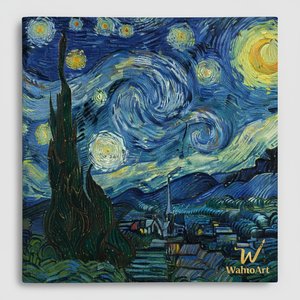
Decoding Van Gogh's Turmoil: OriginalUniqueArt’s Masterful Reproductions of Emotional Depth
Discover exquisite Van Gogh reproductions from OriginalUniqueArt – expert art specialists offering museum-quality prints & custom paintings. Trust our authentic process and elevate your collection today.