Visualizar na parede
 Compartilhar
 Compartilhar
 Detalhes
 Guia
Guia

 Baixar imagem
 Semelhantes
 Raio X
 Ver diaporama
 Perguntas e Respostas
 Estatísticas
 Top 100
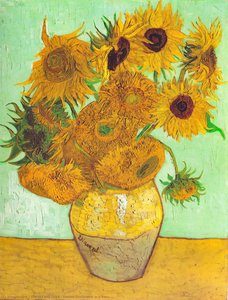
Girassóis

- 91.0 x 71.0 cm


 Ler mais
Giclée / Impressão de Arte
Impressão giclée ou em tela de qualidade de museu, com produção rápida e opções flexíveis de acabamento. ( Comprar pintura feita à mão Alternar para Imagem Digital)




P118B €10

P118H €10

P118W €10

P438Z €10

P508JH €12

P508YH €12

P805H €10

P805Z €10

P919BZ €10

P919G €10

P919XJ €10

P959ZH €10

P968JZ €12

W106C €8

W218G €10

W218JH €8

W218Y €10

W307PJ €10

W316G €10

W316PJ €8

W316Y €10

W398PJ €8

W4111J €10

W500HY €15

W500JH €15

W692G €12

W849H €8

W940BG €15

W953PJ €8




Escolha entre os nossos tamanhos pré-definidos que respeitam as proporções originais da obra de arte.

Insira a largura e a altura desejadas para se ajustarem à sua moldura ou parede. Uma impressão pode ser apenas cortada, nunca ampliada além da imagem original; portanto, um tamanho com proporções diferentes resultará na perda de parte da imagem. Enviamos uma maquete digital para sua aprovação antes de realizarmos a impressão. A imagem exibida nesta página não mostra o corte real — apenas a maquete o faz.
Entrega mundial () em 2 semanas, em vez das 4/5 semanas padrão. (5 Novembro)

Envio expresso gratuito para todo o mundo

Tela de Linho de Alta Qualidade

Seguro de transporte completo

Garantia de Reembolso de Impostos Alfandegários

Garantia de Fidelidade Cromática

Política de Devolução em 100 Dias (Apenas para Defeitos)

Garantia de reembolso de 100%

Oferta de desconto por quantidade
 A opção de vidro está disponível apenas para tamanhos inferiores a 110 cm

Girassóis
Giclée / Impressão de Arte
Tamanho da Reprodução
-


Preço Total
€ 72
A Essência Vibrante da Gratidão e da Melancolia
Imergir-se na obra "Sunflowers" de Vincent van Gogh é como ser transportado para o coração pulsante do Arles, França, em 1888. Mais do que uma simples representação de flores, esta pintura é um manifesto visual e emocional, uma janela para a alma do artista. Van Gogh não se contenta em replicar a beleza natural; ele a transforma, infundindo-a com sua paixão, seus conflitos internos e sua profunda conexão com o mundo ao seu redor. A composição, aparentemente simples, revela uma complexidade de cores, texturas e emoções que ressoam profundamente no espectador.
A série "Sunflowers" é um testemunho da busca incessante do artista por capturar a fugacidade da vida e a beleza efêmera das coisas. Cada flor, cada pétala, parece vibrar com uma energia intensa, enquanto o amarelo saturado – a cor predileta de Van Gogh – domina a tela, irradiando calor e vitalidade. No entanto, observe atentamente os cabeças levemente inclinados; ali reside um elemento de melancolia, um lembrete da inevitabilidade da morte e da transitoriedade de todas as coisas belas.
A Maestria do Impasto: Uma Linguagem Visual Única
A técnica utilizada por Van Gogh é fundamental para a compreensão desta obra. O "impasto", aquela aplicação generosa e texturizada da tinta, não é apenas um detalhe estético; é uma forma de expressão. Cada pincelada visível, cada camada de cor empilhada sobre a outra, revela o esforço físico e emocional do artista. Ao tocar na tela, sentimos a textura áspera e quase tridimensional das flores, como se pudéssemos respirar o ar quente e perfumado do campo.
O uso dramático da luz e sombra, combinado com as pinceladas vigorosas, cria uma sensação de movimento e dinamismo. A composição é cuidadosamente equilibrada, mas a energia bruta das pinceladas sugere um estado de espírito turbulento, refletindo as lutas internas do artista. Van Gogh não busca a imitação da realidade; ele a transforma em uma interpretação pessoal e visceral.
Contexto Histórico: A "Yellow House" e o Sonho de uma Comunidade Artística
A criação desta série de "Sunflowers" coincide com um período particularmente otimista na vida de Van Gogh. Ele estava preparando a sua tão aguardada “Yellow House” em Arles, um refúgio onde sonhava em reunir artistas e promover a colaboração criativa. As flores tornaram-se um símbolo desse ideal, uma forma de acolher seus amigos e inspirar a produção artística. A casa, com suas paredes amareladas e janelas amplas, era concebida como um espaço de luz e cor, onde a arte e a vida se fundiam em perfeita harmonia.
A relação entre Van Gogh e Paul Gauguin é fundamental para entender o significado desta obra. A esperança de impressionar o amigo influente com as "Sunflowers" era uma motivação poderosa, mas também um reflexo da sua própria busca por reconhecimento e validação artística. A série pode ser vista como uma tentativa de expressar gratidão, amizade e a admiração pelo sol – fonte de vida e energia.
Reprodução Excepcional: Capturando a Essência de Van Gogh
OriginalUniqueArt oferece reproduções meticulosamente pintadas que capturam a essência vibrante e emocional desta obra-prima. Cada detalhe, desde as pinceladas texturizadas até a paleta de cores rica e intensa, é cuidadosamente recriado por nossos artistas altamente qualificados. Nossas reproduções não são apenas cópias; são interpretações artísticas que evocam a mesma sensação de admiração e contemplação que sentimos diante da obra original.
Seja para decorar sua casa, escritório ou galeria, uma reprodução de "Sunflowers" de Van Gogh é um investimento em beleza, história e emoção. Permita-se ser transportado para o mundo apaixonante do artista holandês e desfrute da magia eterna desta obra-prima.
Perguntas e Respostas
A qual movimento artístico pertence "Girassóis", de Vincent Van Gogh?
"Girassóis" é uma obra do Post-Impressionist Brilliance. O movimento indica a tradição artística da qual a obra faz parte.
"Girassóis", de Vincent Van Gogh está localizado no país de origem do artista?
Não – a obra de arte encontra-se no exterior. O país de nascimento de Vincent Van Gogh é Países Baixos, e o museu que detém o original de "Girassóis" está em Alemanha.
Que sentimento "Girassóis", de Vincent Van Gogh expressa dentro de Post-Impressionist Brilliance?
A emoção Esperançoso de "Girassóis" acompanha seu estilo Post-Impressionist Brilliance.
Biografia do Artista
Uma Vida Pintada com Paixão: Vincent van Gogh
Vincent Willem van Gogh, um nome sinônimo de cores vibrantes e emoção pura, permanece como uma das figuras mais reconhecíveis e amadas da história da arte. Nascido em 30 de março de 1853, em Zundert, na Holanda, sua jornada — de um jovem atormentado em busca de propósito a um visionário artístico — é um conto comovente de dedicação, luta e, finalmente, um legado eterno. Embora tenha alcançado pouco sucesso comercial durante sua vida — vendendo apenas uma pintura, A Vinha Tinta, antes de sua morte — o impacto de Van Gogh na arte moderna é imensurável, abrindo caminho para o Expressionismo e influenciando inúmeros artistas que o sucederam. Sua história não trata apenas de pinceladas e telas; é um testemunho do poder da expressão humana diante da adversidade.
Anos Iniciais e o Despertar Artístico
A vida de Van Gogh foi marcada por uma série de aspirações não realizadas. Ele experimentou diversas profissões — negociante de arte, professor e até missionário — antes de finalmente se dedicar à pintura na idade relativamente tardia de 27 anos. Essas experiências anteriores moldaram profundamente sua visão de mundo e encontraram eco em sua arte. Suas obras iniciais, retratando cenas da vida camponesa na zona rural da Bélgica, refletem uma profunda empatia pela classe trabalhadora e uma paleta sombria que espelhava suas dificuldades. Influenciado por artistas como Jean-François Millet, Van Gogh buscou capturar a dignidade e a resiliência desses indivíduos através de um realismo cru. No entanto, foi sua mudança para Paris, em 1886, que se mostrou transformadora. Lá, ele encontrou o Impressionismo e o Pós-Impressionismo, absorvendo as técnicas de mestres como Monet, Renoir e Pissarro. Essa exposição ampliou seus horizontes artísticos, levando-o a experimentar cores mais brilhantes e pinceladas mais soltas, embora mantendo uma intensidade emocional distinta, ausente em muitos de seus contemporâês. Seu irmão Theo, um negociante de arte, desempenhou um papel crucial durante este período, fornecendo apoio financeiro e atuando como um elo vital com o mundo artístico parisiense. A extensa correspondência entre eles oferece percepções inestimáveis sobre o desenvolvimento artístico e as lutas pessoais de Van Gogh.
A Luz do Sul e a Criatividade Explosiva
Buscando uma paisagem mais vibrante e um senso de renovação, Van Gogh mudou-se para Arles, no sul da França, em 1888. Este movimento marcou um período de intensa produção criativa, caracterizado por uma explosão de cores e uma técnica de impasto distinta — aplicando a tinta generosamente sobre a tela, criando uma superfície texturizada que parece pulsar com energia. Foi aqui que ele produziu algumas de suas obras mais icônicas: Girassóis, O Café Noturno e A Noite Estrelada. A luz intensa da Provence parecia incendiar sua imaginação, levando-o a retratar paisagens e naturezas-mortas com uma vivacidade sem precedentes. Seu desejo por colaboração artística o levou a convidar Paul Gauguin para se juntar a ele em Arles, na esperança de estabelecer uma colônia utópica de artistas. No entanto, o relacionamento entre eles provou ser volátil, culminando em um confronto dramático que resultente na automutilação da própria orelha por Van Gogh. Este evento sublinhou a fragilidade de seu estado mental e marcou o início de um período de institucionalização e crescente sofrimento psicológico.
Anos Finais e Legado Duradouro
Após seu colapso, Van Gogh internou-se voluntariamente em um manicômio em Saint-Rémy, onde continuou a pintar profusamente, capturando as paisagens circundantes com beleza e turbulência. Obras como A Noite Estrelada, pintadas durante esse tempo, são imbuídas de um senso de maravilhamento cósmico e profunda profundidade emocional. Mais tarde, ele mudou-se para Auvers-sur-Oise sob os cuidados do Dr. Paul Gachet, mas suas lutas persistiram. Em 29 de julho de 1890, aos 37 anos, Van Gogh morreu tragicamente devido a um ferimento de arma de fogo autoinfligido. Apesar de ter alcançado pouco reconhecimento em vida, seu trabalho começou a ganhar aclamação póstuma graças, em grande parte, aos esforços incansáveis de sua cunhada, Johanna van Gogh-Bonger, que herdou seu espólio e dedicou-se a promover sua arte. Hoje, as pinturas de Van Gogh são celebradas mundialmente por sua intensidade emocional, técnicas inovadoras e beleza duradoura. Seu legado estende-se muito além da tela; ele tornou-se um símbolo da paixão artística, da perseverança diante da adversidade e do poder da arte em expressar as emoções humanas mais profundas.
Principais Influências e Desenvolvimento Artístico
- Realismo Inicial: As representações da vida camponesa de Jean-François Millet influenciaram os primeiros trabalhos de Van Gogh.
- Impressionismo e Pós-Impressionismo: A exposição a Monet, Renoir, Pissarro e outros em Paris ampliou sua paleta e técnica.
- Gravuras Japonesas: Van Gogh foi profundamente influenciado pelas xilogravuras japonesas, que colecionava avidamente. Suas composições ousadas e planos de cores chapados impactaram seu próprio estilo.
- Expressão Emocional: Acima de tudo, Van Gogh buscava transmitir emoção através de sua arte, priorizando a experiência subjetiva sobre a representação objetiva. Esse foco na intensidade emocional tornou-se uma característica definidora de seu trabalho e abriu caminho para o Expressionismo.
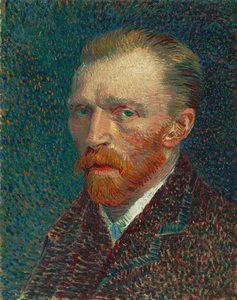
Vincent Van Gogh
1853 - 1890 , Países Baixos
Dados Rápidos
- Artistic Movement Or Style: Pós-Impressionismo
- Artists Or Movements Influenced By This Artist:
- Expressionismo
- Fauvismo
- Artists Who Influenced This Artist:
- Rembrandt
- Millet
- Date Of Birth: 30 de Março de 1853
- Date Of Death: 29 de Julho de 1890
- Full Name: Vincent Willem van Gogh
- Nationality: Holandês
- Notable Artworks:
- O Pintor de Camponeses
- Girassóis
- Noite Estrelada
- Café à Noite
- Place Of Birth: Zundert, Holanda
Artigos Relacionados
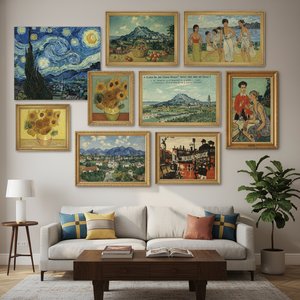
Os 10 Mestres do Pós-Impressionismo: Obras que Transformaram a Arte e Decoram o Lar
Descubra os 10 quadros pós-impressionistas que revolucionaram a arte! Explore Van Gogh, Monet e Cézanne. Encontre reproduções de alta qualidade para decorar sua casa com obras atemporais em OriginalUniqueArt.com.

Rembrandt van Rijn: As 25 Obras-Primas que Definem um Mestre da Luz e Sombra | OriginalUniqueArt
Descubra as 25 obras-primas de Rembrandt van Rijn, o mestre da luz e sombra! Explore a história por trás de 'A Ronda Noturna', seus auto-retratos e muito mais. Encontre reproduções de arte exclusivas para decorar sua casa com OriginalUniqueArt.com.
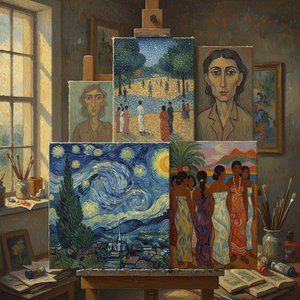
Beyond Impressionism: Exploring the Emotional Depth of Post-Impressionist Painting
Explore the profound emotional depth & innovative techniques of Post-Impressionism with OriginalUniqueArt. Discover Cézanne, Van Gogh, Gauguin & more – and their lasting impact on modern art.

Os 10 Ícones do Impressionismo para Inspirar sua Decoração | OriginalUniqueArt
Descubra os 10 quadros impressionistas mais icônicos de Monet, Renoir e Degas! Explore a história, cores vibrantes e técnicas revolucionárias do Impressionismo. Encontre reproduções de arte exclusivas para inspirar sua decoração em OriginalUniqueArt.com.
Decoding Van Gogh's Turmoil: OriginalUniqueArt’s Masterful Reproductions of Emotional Depth
Discover exquisite Van Gogh reproductions from OriginalUniqueArt – expert art specialists offering museum-quality prints & custom paintings. Trust our authentic process and elevate your collection today.