Tamanho do texto

() ·

Uma pintura feita para você, à mão

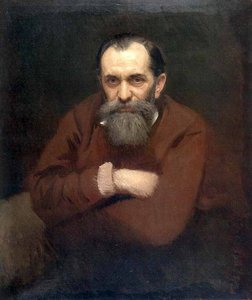
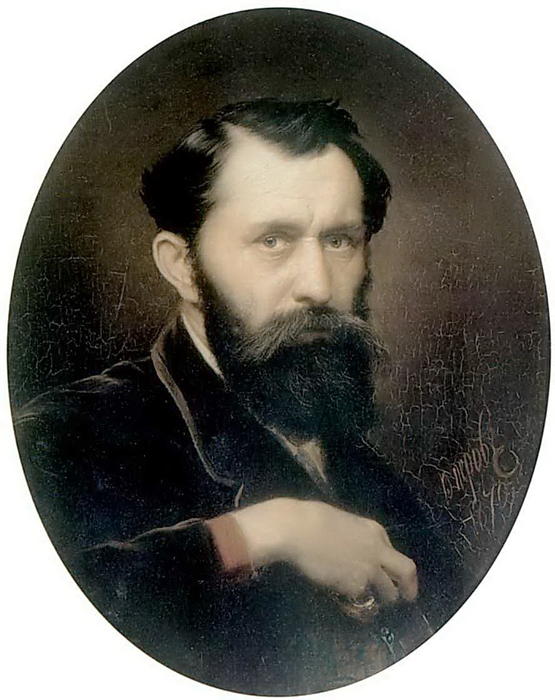
Self-portrait

Reprodução em Óleo Feita à Mão

Óleo sobre tela pintado à mão no tamanho e moldura de sua escolha, feito sob encomenda pelos nossos artistas. ( Alternar para Impressão Alternar para Imagem Digital)

Descrição do Item

Explore Vasily Perov's captivating Self-Portrait (1870), a masterpiece of Russian Realism. Witness the artist’s skill & emotional depth in this iconic oil painting.

Biografia do Artista

"meta_description": "Vasily Perov (1834-1882) foi um pintor russo e figura chave do realismo social. Suas obras impactantes retratam a vida cotidiana e as questões sociais da Rússia do século XIX, marcando uma revolução na arte nacional."

de ·

Capítulo 1

Qual deve ser o tamanho?

Deslize para alterar o tamanho; a imagem à esquerda mostra a moldura em sua largura real. As proporções originais são mantidas.

Tamanho padrão
personalizado
CM
INCH

Escolha entre os nossos tamanhos pré-definidos que respeitam as proporções originais da obra de arte.

largura
altura

Insira a largura e a altura desejadas para se ajustarem à sua moldura ou parede. Como esta obra é pintada à mão, para um tamanho com proporções diferentes, o artista poderá pintar um pouco mais ao redor da imagem ou reduzir ligeiramente a composição — você escolhe. Enviamos uma maquete digital para sua aprovação antes de iniciar a pintura. A imagem exibida nesta página não representa o resultado real — apenas a maquete mostra o resultado final.

Capítulo 2

Como deve chegar?

Escolha as bordas da tela esticada

Escolha sua moldura

Corner sample of the WhiteWrap canvas edge finish, stretched on madeira maciça bars
Branco €1
Corner sample of the BlurSideWrap canvas edge finish, stretched on madeira maciça bars
Bordas esfumaçadas €1
Corner sample of the ExtendedWrap canvas edge finish, stretched on madeira maciça bars
Bordas estendidas €1
Corner sample of the P118B picture frame: poliestireno moldado, 5 cm wide and 3 cm thick
P118B €10
Corner sample of the P118H picture frame: poliestireno moldado, 5 cm wide and 3 cm thick
P118H €10
Corner sample of the P118W picture frame: poliestireno moldado, 5 cm wide and 3 cm thick
P118W €10
Corner sample of the P438Z picture frame: poliestireno moldado, 5.5 cm wide and 3.5 cm thick
P438Z €10
Corner sample of the P508JH picture frame: poliestireno moldado, 7 cm wide and 3.5 cm thick
P508JH €12
Corner sample of the P508YH picture frame: poliestireno moldado, 7 cm wide and 3.5 cm thick
P508YH €12
Corner sample of the P805H picture frame: poliestireno moldado, 5 cm wide and 3.5 cm thick
P805H €10
Corner sample of the P805Z picture frame: poliestireno moldado, 5 cm wide and 3.5 cm thick
P805Z €10
Corner sample of the P919BZ picture frame: poliestireno moldado, 7 cm wide and 3.5 cm thick
P919BZ €10
Corner sample of the P919G picture frame: poliestireno moldado, 7 cm wide and 3.5 cm thick
P919G €10
Corner sample of the P919XJ picture frame: poliestireno moldado, 7 cm wide and 3.5 cm thick
P919XJ €10
Corner sample of the P959ZH picture frame: poliestireno moldado, 5 cm wide and 3 cm thick
P959ZH €10
Corner sample of the P968JZ picture frame: poliestireno moldado, 6 cm wide and 4 cm thick
P968JZ €12
Corner sample of the W106C picture frame: madeira maciça, 5 cm wide and 3 cm thick
W106C €8
Corner sample of the W218G picture frame: madeira maciça, 5 cm wide and 3 cm thick
W218G €10
Corner sample of the W218JH picture frame: madeira maciça, 5 cm wide and 3 cm thick
W218JH €8
Corner sample of the W218Y picture frame: madeira maciça, 5 cm wide and 3 cm thick
W218Y €10
Corner sample of the W307PJ picture frame: madeira maciça, 6 cm wide and 3 cm thick
W307PJ €10
Corner sample of the W316G picture frame: madeira maciça, 6 cm wide and 3 cm thick
W316G €10
Corner sample of the W316PJ picture frame: madeira maciça, 6 cm wide and 3 cm thick
W316PJ €8
Corner sample of the W316Y picture frame: madeira maciça, 6 cm wide and 3 cm thick
W316Y €10
Corner sample of the W398PJ picture frame: madeira maciça, 5 cm wide and 3 cm thick
W398PJ €8
Corner sample of the W4111J picture frame: madeira maciça, 6.5 cm wide and 3.5 cm thick
W4111J €10
Corner sample of the W500HY picture frame: madeira maciça, 7 cm wide and 5 cm thick
W500HY €15
Corner sample of the W500JH picture frame: madeira maciça, 7 cm wide and 5 cm thick
W500JH €15
Corner sample of the W692G picture frame: madeira maciça, 8 cm wide and 4 cm thick
W692G €12
Corner sample of the W849H picture frame: madeira maciça, 5 cm wide and 3 cm thick
W849H €8
Corner sample of the W940BG picture frame: madeira maciça, 7.5 cm wide and 4.5 cm thick
W940BG €15
Corner sample of the W953PJ picture frame: madeira maciça, 6 cm wide and 3.5 cm thick
W953PJ €8
Corner sample of the H24-GOLD picture frame: madeira entalhada com gesso, 10 cm wide and 6 cm thick
H24-GOLD €30
Corner sample of the H24-SILVER picture frame: madeira entalhada com gesso, 10 cm wide and 6 cm thick
H24-SILVER €30
Corner sample of the H36-GOLD picture frame: madeira entalhada com gesso, 15 cm wide and 6.5 cm thick
H36-GOLD €45
Corner sample of the H36-SILVER picture frame: madeira entalhada com gesso, 15 cm wide and 6.5 cm thick
H36-SILVER €45
Prévia da moldura
Com moldura

Moldura: . Dimensões totais com a moldura: .

Capítulo 3

Quem o pinta, e deveria algo mudar?

Exemplos do que pode ser alterado: Substituir o rosto pela foto do cliente; Adicionar um animal de estimação (ex: substituir gato por cachorro); Incluir uma mensagem oculta no fundo; Alterar a paisagem ou elementos do fundo.
Após o pedido, a equipe da OriginalUniqueArt.com enviará um e-mail ao cliente para instruções e fornecerá uma prévia da montagem

Entrega mundial () em 3 a 4 semanas, em vez das 5 semanas padrão. (7 Novembro). Sem comprometer a qualidade.

Capítulo 4

Os retoques finais

Uma placa de identificação, como em um museu?

Detalhes da Placa de Bronze Gravada

This elegant plaque features the artist's name and the title of the artwork, finely engraved for a timeless presentation.

It is made from bronze with a refined, elegant finish. The text is precisely laser-engraved for a sharp and permanent result. Measuring 9x2 cm, the plaque is compact yet easy to read. It's built to be durable and scratch-resistant, offering a professional, museum-quality look. Mounting is simple thanks to the included adhesive backing.

Detalhes da Placa de Acrílico Transparente

The plaque includes essential engraved details such as the artist's name, the title of the artwork, the date it was created, the type of media used-like oil on canvas or watercolor-a brief description of the piece, and a QR code that links to the complete artwork information.

It is crafted from clear acrylic, offering a sleek, modern appearance. The text is UV-engraved in black to ensure strong visual contrast. With a size of 10x15 cm, it ensures optimal readability. It comes equipped with two metal hooks for secure wall mounting. The plaque is designed to be weather-resistant, making it suitable for various environments, and it includes interactive features that work seamlessly with smartphone scanning.

Detalhes da Placa de Acrílico Preto

This elegant plaque includes engraved information such as the artist's name, the title of the artwork, the date it was created, the type of media used (like oil on canvas or watercolor), a short description of the artwork, and a QR code for quick access to more information.

The plaque itself is made from refined black acrylic with a premium finish. The text is laser-engraved in white for high contrast and readability. Its size is 10x15 cm, designed to be easy to read. It comes with two metal hooks for professional mounting. The design is sleek and fits any interior style. It is also weather-resistant and durable, with built-in digital integration for mobile compatibility.

Um verniz protetor?

Para quando você precisa?

Capítulo 5

A sua pintura, conforme encomendada

Self-portrait

Técnica de Reprodução

Tamanho da Reprodução

-

Artista Sênior de Elite

Mais detalhes, refinamento e tempo de produção adicional

-

Moldura para Reprodução

-

-

Para obras de arte ou reproduções com mais de 105 cm (aproximadamente 41 polegadas) em qualquer um dos lados, a moldura será enviada como um kit desmontado. Este método garante uma entrega segura e evita danos durante o transporte.

Montagem profissional necessária — este não é um produto DIY (faça você mesmo).
O kit deve ser montado e a tela esticada por um profissional de molduraria experiente, utilizando cola de madeira (não inclusa), um alicate de esticar tela e grampos para manter as travessas alinhadas enquanto a cola seca. A montagem incorreta ou a tensão desigual da tela podem danificar permanentemente a obra de arte e não estão cobertas pela nossa garantia.

  • Todas as barras de madeira maciça estão incluídas, precisamente cortadas ao tamanho certo.

  • Montado com os parafusos fornecidos, além de cola para madeira para as junções dos cantos, que não está inclusa e deve ser providenciada pelo seu moldurista.

  • São necessárias ferramentas profissionais não incluídas: um alicate de estiramento de tela (esticador) e grampos para manter as ripas alinhadas enquanto a cola seca.

Importante:
As junções dos cantos requerem cola para madeira, as ripas devem ser mantidas com grampos até que a cola esteja completamente seca, e o estiramento da tela na moldura montada requer um alicate de esticar tela. Nenhum destes itens está incluído no kit. Por favor, certifique-se de contar com um profissional de molduraria experiente antes de encomendar este tamanho.

Etiqueta de identificação

-

-

Verniz de Proteção

Verniz brilhante (realça as cores e protege contra a luz e a umidade)

-

Personalizar minha obra

Exemplos de alterações possíveis: Substituir o rosto por uma foto do cliente; Adicionar um animal de estimação (ex.: substituir gato por cachorro); Incluir uma mensagem oculta no fundo; Alterar a paisagem ou os elementos do fundo.

-

Urgente

Entrega mundial () em 3 a 4 semanas, em vez das 5 semanas padrão. (7 Novembro). Sem comprometer a qualidade.

-

Envio Expresso

Entrega mundial para em 5 semanas. (14 Novembro).

Com envio incluído

Preço Total

€ 268

Preço Total € 268

A opção de vidro está disponível apenas para tamanhos inferiores a 110 cm

Incluído em todos os pedidos

  • Envio expresso gratuito para todo o mundo
  • Tela de Linho de Alta Qualidade
  • Seguro de transporte completo
  • Garantia de Reembolso de Impostos Alfandegários
  • Garantia de Fidelidade Cromática
  • Política de Devolução em 100 Dias (Apenas para Defeitos)
  • Garantia de reembolso de 100%
  • Oferta de desconto por quantidade

Self-Portrait by Vasily Grigoryevich Perov: A Glimpse into the Soul of a Realist

The Self-portrait by Vasily Grigoryevich Perov, created in 1870, is a captivating example of Realism that continues to fascinate art enthusiasts worldwide. This oil on canvas painting measures 63 x 52 cm and stands as a testament to the artist's skill in capturing an accurate depiction of visual reality while simultaneously revealing profound psychological depth.

Artistic Context and Style: The Rise of Russian Realism

Perov was a key figure in the Russian Realist movement, which emerged in the mid-19th century as a reaction against Romantic idealism. Realism sought to depict life as it truly was, focusing on everyday subjects and social issues with unflinching honesty. Perov’s work had a significant impact on the development of art in Russia, influencing subsequent generations of artists who embraced this commitment to portraying reality without embellishment. The Self-portrait showcases Perov's ability to blend elements of realism with a deep understanding of human emotion. The painting is characterized by its use of earthy tones, subtle lighting, and an emphasis on texture, which creates a sense of depth and dimensionality. This meticulous attention to detail was central to the Realist aesthetic.

A Detailed Examination: Technique and Composition

The Self-portrait demonstrates Perov’s mastery of oil painting techniques. The artist employs subtle gradations of color and light to model the face and clothing, creating a sense of volume and realism. Noticeable brushstrokes add texture and vitality to the surface, preventing the image from appearing overly smooth or artificial. The composition is carefully considered; the subject's face is centrally positioned within an oval frame, drawing the viewer’s eye directly to his gaze. The dark background serves to isolate Perov, intensifying the focus on his expression and conveying a sense of introspection. The lighting appears soft and diffused, highlighting the textures of the man’s clothing and facial features.

Symbolism and Emotional Impact: A Portrait of Introspection

Beyond its technical brilliance, the Self-portrait resonates with viewers due to its emotional depth. Perov's expression is serious, perhaps even melancholic, inviting speculation about his inner thoughts and feelings. The long beard and hair, rendered with meticulous detail, suggest a man of intellect and experience. The overall somber mood, created by the muted color palette and dark background, contributes to an atmosphere of formality and introspection. While Perov was known for depicting scenes of social hardship in his other works (such as The Queue at The Fountain and A Meal in the Monastery), this self-portrait offers a more personal glimpse into the artist's own psyche.

Perov and His Contemporaries: A Legacy of Realism

Vasily Grigoryevich Perov (1834 – 1882) was born in Tobolsk, Russia. His early life was marked by complexity due to his illegitimacy, a circumstance that likely informed his later social commentary through art. He received training at the Alexander Stupin Art School and the Moscow School of Painting. Perov’s contributions to the art world are not limited to his Self-portrait. Other artists who explored the Realist style include Jean Baptiste Camille Corot and Albert Edelfelt. For example, Corot’s A Ford with Large Trees and Edelfelt's Conveying a Child showcase the versatility and range of Realism.

Perguntas e Respostas

"Self-portrait", de Vasily Perov, está em domínio público? E por quê?

"Self-portrait", de Vasily Perov, está em em domínio público — seus direitos autorais expiraram. Os termos de direitos autorais são calculados a partir do falecimento do artista, e Vasily Perov faleceu em 1882.

Qual era a idade de Vasily Perov ao criar "Self-portrait" em 1870?

Vasily Perov criou "Self-portrait" aos 37 anos. O artista nasceu em 1833 e a obra data de 1870.

Qual é o nível de contraste de "Self-portrait", de Vasily Perov?

O contraste entre claro e escuro de "Self-portrait" é registrado como Statement. O contraste descreve a intensidade da diferença entre as áreas claras e escuras.

Saiba mais sobre esta pintura

Visualizar na parede Visualizar em RA Alternar para Impressão Alternar para Imagem Digital Compartilhar
Detalhes Guia Adicionar aos favoritos Baixar imagem Semelhantes Raio X Ver diaporama Perguntas e Respostas Estatísticas

Em números

  • 1870o ano em que foi pintada
  • 29molduras para escolher
  • tamanhos padrão, em suas próprias proporções
  • 5semanas para pintar e entregar
Vasily Perov

Vasily Perov

1833 - 1882, Rússia

Informações rápidas sobre Vasily Perov

  • Artistic Movement Or Style: Realismo crítico
  • Artists Or Movements Influenced By This Artist:
    • Repin
    • Surikov
  • Artists Who Influenced This Artist: ['Stupin']
  • Date Of Birth: 2 jan 1834
  • Date Of Death: 29 mai 1882
  • Full Name: Vasily Grigorevich Perov
  • Nationality: Russo
  • Notable Artworks:
    • Sermão em um vilarejo
    • Fila na fonte
    • Última jornada
  • Place Of Birth: Tobolsk, Rússia

Biografia do Artista

A Life Etched in Realism: Vasily Perov and the Soul of Russia

Vasily Grigoryevich Perov, born Vasily Vasiliev on January 2, 1834 (December 21, 1833 Old Style) in the remote Siberian town of Tobolsk, wasn’t destined for a life of privilege or artistic ease. His early years were marked by an unconventional upbringing—an illegitimate son of Baron Grigory Kridener, the provincial prosecutor for the region of Arzamas, and Akulina Ivanova. This circumstance instilled within him a profound sensitivity to social inequalities, shaping his artistic vision in ways that would profoundly impact Russian art. The adoption of the surname “Perov,” derived from the Russian word "pero" (pen), a nod to his early skill in calligraphy, foreshadowed his dedication to meticulously detailing the world around him—a world often obscured by societal indifference. His formal artistic journey began at the Alexander Stupin Art School in Arzamas, where he honed fundamental skills before progressing to the Moscow School of Painting, Sculpture and Architecture in 1853. This period was crucial, not just for technical training, but also for exposing him to a broader range of artistic influences that would later inform his distinctive style. Early recognition came swiftly—silver and gold medals awarded by the Imperial Academy of Arts for works like “Commissary of Rural Police Investigating” and, most notably, "Sermon in a Village" in 1861—a painting that catapulted him into national prominence and secured him the opportunity to study abroad.

The Voice of the Voiceless: Themes and Techniques

Perov’s artistic vision was fundamentally rooted in a commitment to portraying Russian society with unflinching honesty, rejecting the idealized depictions favored by many of his contemporaries. He wasn't interested in romanticizing poverty or suffering; rather, he sought to present it with dignity and empathy, forcing viewers to confront uncomfortable truths about their own society. His paintings are not mere representations of reality; they are powerful social commentaries that expose the hardships, injustices, and spiritual emptiness prevalent in 19th-century Russia. “Sermon in a Village,” for example, subtly critiques religious hypocrisy by depicting a disengaged congregation during a church service, while "The Queue at the Fountain" starkly illustrates the daily struggles of rural life—the long waits, the meager resources, and the pervasive sense of hopelessness. His technique was characterized by meticulous detail, somber color palettes – often dominated by browns, grays, and muted greens – and a masterful use of light and shadow to create dramatic effect. He wasn’t interested in flattering his subjects; he presented them as they were, warts and all. His skill extended beyond oil painting; he also excelled in etching, as demonstrated by the powerful monochromatic work “Naushnitsa. Before the storm,” which showcases his mastery of chiaroscuro and intricate detail. The choice of subject matter—peasants, laborers, the marginalized, and the forgotten—was deliberate, a conscious effort to give voice to those typically ignored by the art establishment.

Founding a Movement: The Peredvizhniki

Perov’s dedication to realism aligned perfectly with the burgeoning spirit of artistic rebellion that led to the formation of the Peredvizhniki (Wanderers) in 1870. This collective of Russian realist painters broke away from the constraints of the Academy, establishing an independent society dedicated to exhibiting art throughout Russia—reaching audiences beyond the confines of St. Petersburg and Moscow. The Peredvizhniki aimed to bring art directly to the people, to address social issues through their work, and to promote a uniquely Russian artistic identity. Perov wasn’t merely a member; he was a founding force, instrumental in shaping the movement’s ideals and advocating for its principles. His commitment to portraying the lives of ordinary Russians resonated deeply with the Peredvizhniki's mission, solidifying his position as a leading figure within the group. The Wanderers’ exhibitions became immensely popular, attracting large crowds and sparking important conversations about art, society, and national identity.

Major Achievements and Notable Works

Perov’s career was marked by a prolific output of powerful and emotionally resonant paintings. Some of his most celebrated works include:
  • Sermon in a Village (1861): A seminal painting that exposed the hypocrisy of religious institutions.
  • The Queue at the Fountain (1865): A poignant depiction of rural poverty and hardship.
  • Last Journey (1865): A somber portrayal of a peasant funeral procession, highlighting themes of mortality and social inequality.
  • Troika: Apprentice Workmen Carrying Water (1866): A scene of everyday labor, capturing the physical exertion and camaraderie of rural life.
  • Drowned Woman (1867): A haunting image of a policeman discovering a drowned body, raising questions about justice and morality.
  • Portrait of Fyodor Dostoyevsky (1872): A rare portrait that captures the intellectual intensity of the renowned author.
Beyond these iconic works, Perov created numerous other paintings exploring themes of poverty, social injustice, and human suffering—each imbued with his characteristic realism and emotional depth.

Legacy and Enduring Influence

Vasily Perov’s untimely death from tuberculosis in 1882 at the age of 48 marked a significant loss for Russian art. However, his legacy continued to inspire generations of artists who followed in his footsteps. His influence can be seen in the works of Ilya Repin and Vasily Surikov, both masters of realist painting who further developed the tradition he helped establish. Perov’s paintings remain relevant today not only for their artistic merit but also for their enduring social commentary. They serve as a powerful reminder of the hardships faced by ordinary people throughout history and continue to provoke empathy and understanding. His works are now housed in prominent collections, including the Tropinin and Contemporary Moscow Artists Museum, ensuring that his vision continues to resonate with audiences worldwide. Perov’s contribution extends beyond mere artistic skill; he was a social conscience etched onto canvas, a voice for the voiceless, and a pioneer of Russian realism. He left behind a body of work that not only documented his time but also challenged it, forever changing the landscape of Russian art.

Informações Rápidas

  • Movement: Realism
  • Dimensions: 63 x 52 cm
  • Subject or theme: Self-portrait
  • Year: 1870
  • Medium: Oil on canvas
  • Notable elements or techniques: Earthy tones, subtle lighting

Quiz de Arte

Cada pergunta possui apenas uma resposta correta.

Pergunta 1:
What artistic movement is Vasily Perov’s ‘Self-Portrait’ most closely associated with?
Pergunta 2:
Approximately what year was the 'Self-Portrait' created?
Pergunta 3:
What is a prominent characteristic of the lighting in the ‘Self-Portrait’?
Pergunta 4:
Which of the following best describes the overall mood conveyed by the painting, considering its color palette and subject's expression?
Pergunta 5:
What is a notable aspect of Perov’s artistic contributions, as highlighted in the description?