

 Visualizar em escala
 Enviar
 Compartilhar
 Ver detalhes

 Baixar imagem
 Semelhantes
 Raio X
 Apresentação de slides
 Estatísticas
Moses Striking the Rock
 Acrylic On Canvas
- WallArt
- Baroque Painting
 1653
1653 197.0 x 261.0 cm
 Museu do Louvre
 Ver mais
Giclée / Impressão de Arte
Impressão giclée ou em tela de qualidade de museu, com produção rápida e opções flexíveis de acabamento. ( Encomendar reprodução pintada à mão Ver Imagem Digital)




P118B $10

P118H $10

P118W $10

P438Z $10

P508JH $12

P508YH $12

P805H $10

P805Z $10

P919BZ $10

P919G $10

P919XJ $10

P959ZH $10

P968JZ $12

W106C $8

W218G $10

W218JH $8

W218Y $10

W307PJ $10

W316G $10

W316PJ $8

W316Y $10

W398PJ $8

W4111J $10

W500HY $15

W500JH $15

W692G $12

W849H $8

W940BG $15

W953PJ $8




Escolha entre os nossos tamanhos pré-definidos que respeitam as proporções originais da obra de arte.

Você pode inserir suas próprias dimensões para se ajustar a uma moldura ou espaço específico. Se o tamanho selecionado não corresponder às proporções da imagem original, iremos recortar a obra de arte ou estender a imagem com uma borda espelhada ou preenchimento sólido. Um mockup digital será enviado para sua aprovação antes do início da produção.
Por favor, observe que a visualização na tela não reflete o recorte ou a extensão real. Apenas o mockup mostrará com precisão a composição final.
Embora tamanhos personalizados estejam disponíveis, recomendamos selecionar uma dimensão da lista predefinida para preservar as proporções originais.
Entrega mundial () em 2 semanas, em vez das 4/5 semanas padrão. (16 Setembro)

Envio expresso gratuito para todo o mundo

Tela de Linho Premium

Seguro de transporte total

Garantia de Reembolso de Impostos Alfandegários

Garantia de Fidelidade de Cor

Política de Devolução em 100 Dias (Apenas para Defeitos)

Garantia de reembolso de 100%

Desconto para múltiplas unidades
 A opção de vidro está disponível apenas para tamanhos inferiores a 110 cm

Moses Striking the Rock
Giclée / Impressão de Arte
Dimensões da Reprodução
-


Preço Total
$ 80
Valerio Castello’s Dramatic Genesis: “Moses Striking the Rock”
Valerio Castello's "Moses Striking the Rock," painted in 1653, is not merely a depiction of a biblical narrative; it’s a visceral embodiment of divine power and human faith. This monumental canvas, measuring an impressive 197 x 261 cm, transports the viewer directly into the heart of Exodus, capturing a pivotal moment where Moses, guided by God, commands water to emerge from the parched desert landscape. Castello, a leading figure in the vibrant Baroque art scene of Genoa, masterfully blends elements of Italian Renaissance grandeur with a distinctly dramatic flair, creating an image that resonates with both spiritual intensity and theatrical spectacle.
The painting’s style is firmly rooted in the Mannerist tradition, yet it transcends simple imitation. Castello doesn't shy away from exaggeration – the musculature of Moses is sculpted with a deliberate intensity, conveying not just strength but also an almost superhuman resolve. The figures surrounding him are similarly rendered with heightened realism, their expressions etched with urgency and hope. This dramatic approach, reminiscent of the works of Tintoretto and Veronese, who profoundly influenced Castello’s artistic development, imbues the scene with a palpable sense of drama and movement. Castello's early training in Genoa, coupled with his travels to Milan and Parma, exposed him to these influential styles, shaping his unique visual language.
A Symphony of Color and Light
Castello’s technical skill is immediately apparent in the masterful use of color and light. The palette is rich and vibrant, dominated by deep reds, blues, and ochres that evoke the heat and dust of the desert. The artist employs a technique known as *chiaroscuro*, skillfully manipulating light to create dramatic contrasts between illuminated figures and shadowed backgrounds. This chiaroscuro effect not only adds depth and volume to the composition but also draws the viewer’s eye directly to Moses, highlighting his central role in the narrative. The use of layered glazes creates a luminous quality, giving the painting an almost ethereal glow – a testament to Castello's understanding of how light interacts with surface.
The composition itself is carefully orchestrated. Moses, positioned slightly off-center, dominates the scene, his outstretched hand poised to strike the rock. The figures gathered around him—the Israelites, their faces turned towards the miracle – are rendered in varying degrees of detail, emphasizing their collective anticipation and faith. Noticeably, two birds are included in the composition; one perched near the top left corner and another at the bottom right. These additions aren’t merely decorative; they likely symbolize hope and divine guidance, mirroring the miraculous emergence of water from the rock.
Historical Context and Artistic Influences
“Moses Striking the Rock” was created during a period of significant artistic innovation in Genoa. Castello's work reflects the city's thriving cultural scene, where artists were experimenting with new techniques and styles while drawing inspiration from both classical traditions and contemporary masters. His exposure to the works of Venetian painters like Tintoretto and Veronese—known for their dynamic compositions and dramatic use of light—clearly influenced his approach to this biblical subject. Furthermore, Castello’s time in Parma allowed him to study the work of Italian Mannerist artists, further refining his style.
The painting's creation coincided with a renewed interest in religious themes during the Baroque era. The Catholic Church was actively commissioning artworks designed to inspire faith and devotion, and Castello’s “Moses Striking the Rock” undoubtedly served this purpose. It is believed that the work was commissioned for the Palazzo Brignole Sale in Genoa, where it remains today, a powerful testament to the artist's skill and vision.
Symbolism and Emotional Resonance
Beyond its technical brilliance, “Moses Striking the Rock” resonates with profound symbolic meaning. The act of Moses striking the rock is not simply a miraculous event; it represents God’s intervention in the lives of his people, providing them with sustenance and ultimately leading them to freedom. The painting captures this moment of divine grace with remarkable intensity, conveying a sense of hope, faith, and deliverance. The figures' expressions—a mixture of awe, gratitude, and anticipation—speak volumes about the transformative power of belief.
Ultimately, Valerio Castello’s “Moses Striking the Rock” is more than just a historical painting; it’s a deeply moving exploration of faith, hope, and the enduring human desire for salvation. Its dramatic composition, masterful use of color and light, and profound symbolism continue to captivate viewers centuries after its creation, solidifying Castello's place as one of Genoa’s most important Baroque artists.
Biografia do Artista
The Genesis of a Genoese Visionary
Valerio Castello emerged from the shadows of a noble Genoese lineage, a life marked by both the prestige of his birth and the sudden sting of financial hardship following his father’s untimely death. While his path might have led toward the quiet halls of scholarly pursuit, an innate, profound connection to the art of drawing redirected his destiny toward the canvas. Under the watchful eyes of masters such as Domenico Fiasella and Giovanni Andrea De Ferrari, the young Castello began to weave his technical prowess with a burgeoning artistic ambition. This formative period was not merely about mastering the brush; it was about absorbing the very essence of the Ligurian spirit, preparing him for a career that would soon illuminate the heights of the Baroque era.A Tapestry of Light and Motion
The trajectory of Castello’s genius was irrevocably altered by his transformative travels through Milan and Parma between 1640 and 1645. These wanderings served as a vital immersion into the vibrant currents of Venetian art, where he encountered the dramatic intensity of Camillo Procaccini. His style began to coalesce into a magnificent synthesis, blending the theatrical dynamism of Tintoretto with the opulent, sun-drenched grandeur of Veronese. This unique alchemy allowed him to master the complexities of composition and perspective, particularly in his celebrated battle scenes, which captured the chaotic energy and heroic scale favored by the European elite. His ability to blend these disparate influences created a visual language that was both muscular and exquisitely graceful.An Enduring Baroque Legacy
Though his life was tragically brief, ending in 1659, the impact of Castello’s hand remains etched into the architectural and spiritual fabric of Genoa. His ability to command both the intimate canvas and the monumental fresco is evident in works such as Moses Striking the Rock, a 1653 masterpiece that embodies divine power through visceral movement, and his breathtaking frescoes within the Basilica della Santissima Annunziata del Vastato. Whether depicting the poignant biblical narratives of Rebecca at the Well or the grand, collaborative triumphs at the Palazzo Balbi, Castello infused every stroke with a sense of spiritual transcendence. His influence rippled through generations, notably shaping the development of Domenico Piola and cementing his status as a pre-eminent figure of the Baroque, leaving behind a legacy of light, drama, and profound human emotion.
Valerio Castello
1624 - 1659 , Italy
Informações Rápidas
- Artistic Movement Or Style: Baroque
- Artists Or Movements Influenced By This Artist: ['Domenico Piola']
- Artists Who Influenced This Artist:
- Tintoretto
- Veronese
- Date Of Birth: 1624 Genoa Italy
- Date Of Death: 1659
- Full Name: Valerio Castello
- Nationality: Italian
- Notable Artworks:
- Miracle of Saint Zita
- Sacra famiglia e angeli
- The Adoration of the Magi
- Place Of Birth: Genoa Italy
Artigos Relacionados

The Dramatic Flourish: Exploring the Baroque Movement's Enduring Legacy in Art History
Explore the dramatic world of Baroque art! Discover iconic artists like Caravaggio & Rubens, defining techniques, and its lasting impact on art history. Expert insights for collectors & enthusiasts at OriginalUniqueArt.
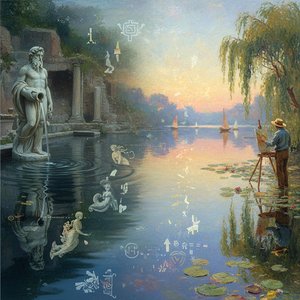
Fluid Reflections: Exploring Water's Symbolism in Art History – From Myth to Impressionism
Explore the rich symbolism of water in art history – from ancient myths to Impressionism's fleeting beauty. Discover masterpieces & find your perfect serene artwork with OriginalUniqueArt.com.

Os 10 Mestres do Barroco: Obras-Primas que Moldaram a Arte e Decoram o Lar
Descubra os 10 maiores ícones do Barroco! Explore a história, técnica e emoção por trás de Caravaggio, Rembrandt, Bernini e outros mestres. Encontre reproduções de arte barroca para decorar seu lar com luxo em OriginalUniqueArt.com.

Barroco Brasileiro: Opulência e Emoção para Interiores Contemporâneos
Descubra como o Barroco brasileiro pode transformar seus interiores! Explore a história, elementos-chave e dicas para integrar este estilo luxuoso e cheio de emoção em sua casa.

The Visceral Stage: Exploring Dramatic Narratives & Emotional Intensity in Baroque Art
Explore the dramatic world of Baroque art! Discover iconic masters like Caravaggio & Rembrandt, their techniques, and the movement's lasting impact. Expert insights for collectors & enthusiasts at OriginalUniqueArt.