

 Visualizar em escala
 Enviar
 Compartilhar
 Ver detalhes
 Guia de Obras do Aluno

 Baixar imagem
 Semelhantes
 Raio X
 Apresentação de slides
 Estatísticas
Beauty in Snow
 Ukiyo-e
 90.0 x 29.0 cm
 Ver mais
Giclée / Impressão de Arte
Impressão giclée ou em tela de qualidade de museu, com produção rápida e opções flexíveis de acabamento. ( Encomendar reprodução pintada à mão Ver Imagem Digital)




P118B $10

P118H $10

P118W $10

P438Z $10

P508JH $12

P508YH $12

P805H $10

P805Z $10

P919BZ $10

P919G $10

P919XJ $10

P959ZH $10

P968JZ $12

W106C $8

W218G $10

W218JH $8

W218Y $10

W307PJ $10

W316G $10

W316PJ $8

W316Y $10

W398PJ $8

W4111J $10

W500HY $15

W500JH $15

W692G $12

W849H $8

W940BG $15

W953PJ $8




Escolha entre os nossos tamanhos pré-definidos que respeitam as proporções originais da obra de arte.

Você pode inserir suas próprias dimensões para se ajustar a uma moldura ou espaço específico. Se o tamanho selecionado não corresponder às proporções da imagem original, iremos recortar a obra de arte ou estender a imagem com uma borda espelhada ou preenchimento sólido. Um mockup digital será enviado para sua aprovação antes do início da produção.
Por favor, observe que a visualização na tela não reflete o recorte ou a extensão real. Apenas o mockup mostrará com precisão a composição final.
Embora tamanhos personalizados estejam disponíveis, recomendamos selecionar uma dimensão da lista predefinida para preservar as proporções originais.
Entrega mundial () em 2 semanas, em vez das 4/5 semanas padrão. (25 Setembro)

Envio expresso gratuito para todo o mundo

Tela de Linho Premium

Seguro de transporte total

Garantia de Reembolso de Impostos Alfandegários

Garantia de Fidelidade de Cor

Política de Devolução em 100 Dias (Apenas para Defeitos)

Garantia de reembolso de 100%

Desconto para múltiplas unidades
 A opção de vidro está disponível apenas para tamanhos inferiores a 110 cm

Beauty in Snow
Giclée / Impressão de Arte
Dimensões da Reprodução
-


Preço Total
$ 80
Biografia do Artista
Utagawa Kunimasa: A Master of Edo Period Drama and Elegance
Utagawa Kunimasa (歌川 国政; 1773 – December 26, 1810) stands as a pivotal figure in the history of Japanese ukiyo-e art, specifically within the influential Utagawa school. Born in Aizuwakamatsu, Iwashiro Province, Kunimasa’s artistic journey began humbly—working initially in a dye shop—before attracting the mentorship of Utagawa Toyokuni, arguably the most celebrated artist of his time. This formative relationship profoundly shaped Kunimasa's distinctive style, characterized by an ambitious synthesis of Sharaku’s dramatic intensity and Toyokuni’s refined decorative sensibilities.Early Life and Artistic Formation
Kunimasa’s early life was marked by a dedication to craftsmanship and artistic training. His apprenticeship under Toyokuni wasn’t merely about technical skill; it instilled in him an understanding of the broader aesthetic goals of ukiyo-e—to capture fleeting moments of beauty and emotion with unparalleled precision. Toyokuni's influence ensured Kunimasa wouldn’t simply replicate his mentor’s style but would forge a path toward originality, blending stylistic elements into a cohesive artistic vision. This formative connection established a foundation for Kunimasa’s future endeavors, shaping his perspective on artistic expression and influencing his creative choices throughout his career.A Distinctive Artistic Style
Kunimasa’s artistic signature is instantly recognizable: a masterful command of color and composition that elevates ukiyo-e prints beyond mere depictions to immersive experiences. Critics debate whether he fully achieved Sharaku's visceral impact, yet Kunimasa undeniably succeeded in conveying dynamism and psychological depth—traits that distinguish his oeuvre from many contemporaries. His use of bold hues and carefully orchestrated perspectives created a palpable sense of drama, particularly evident in his yakusha-e portraits and bijin-ga paintings. He skillfully employed techniques like gradation shading and meticulous detail to imbue his subjects with life and emotion. This approach distinguishes Kunimasa’s work from many others of the era, demonstrating an exceptional level of artistic sophistication.Notable Works: Kabuki Actors and Beautiful Women
Kunimasa’s artistic output produced several iconic pieces that continue to captivate audiences today. Among the most celebrated are his yakusha-e portraits of Kabuki actors, notably Sawamura Sojuro III as Kiyomori (Beauty in Snow), which exemplifies his ability to capture the essence of theatrical performance—the subtle expressions and gestures conveying profound emotion. Similarly, his bijin-ga paintings showcase an exquisite appreciation for feminine beauty, portraying women with grace and sophistication. The Shintomiza Joruri, Constitution Festival Picture is another remarkable achievement, demonstrating Kunimasa’s talent for capturing complex narratives within a single image. These works stand as testaments to his artistic vision and enduring legacy.Legacy and Influence
Utagawa Kunimasa's influence extends far beyond his own lifetime. He served as an inspiration to subsequent generations of ukiyo-e artists who embraced his stylistic innovations—a harmonious blend of intensity and elegance—solidifying his place as one of the Utagawa school’s foremost masters. His meticulous attention to detail, combined with a profound understanding of theatrical conventions and visual storytelling, established standards that continue to resonate within Japanese art history. Today, Kunimasa's works reside in prestigious museums worldwide, guaranteeing his enduring legacy as a cornerstone of Edo period artistic achievement.
Utagawa Kunimasa
1773 - 1810 , Japão
Informações Rápidas
- Artistic Movement Or Style: Utagawa School
- Artists Who Influenced This Artist: ['Toyokuni']
- Date Of Birth: 1773
- Date Of Death: December 26, 1810
- Full Name: Utagawa Kunimasa
- Nationality: Japanese
- Notable Artworks:
- Cat Theatre
- Beauty in Snow
- Shintomiza Joruri
- Place Of Birth: Aizuwakamatsu, Japan
Artigos Relacionados
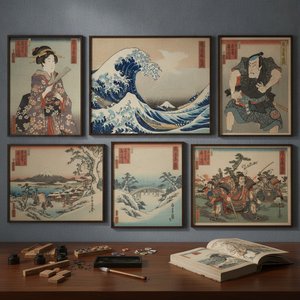
Ukiyo-e: The Art of the Floating World and the Legacy of Japanese Woodblock Masters
Explore the profound history of Ukiyo-e, from Hokusai's iconic waves to the vibrant culture of Edo Japan. Discover the intricate craft of woodblock printing and the enduring legacy of these Japanese masterpieces through our expert art history guide.

Beyond the Great Wave: The High-Impact Visual Revolution of Japanese Landscape Art
Go beyond Hokusai's Great Wave. Explore the high-impact, graphic world of Japanese Ukiyo-e landscapes and urban prints. Discover how these bold, vibrant woodblock masterpieces continue to shape modern pop culture and contemporary design aesthetics.
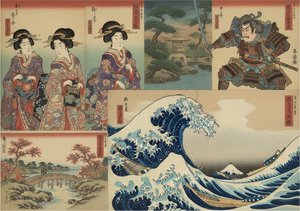
Ukiyo-e: Exploring Japan's Floating World & Enduring Artistic Legacy
Explore the captivating world of Ukiyo-e – Japan's iconic woodblock prints! Discover masters like Hokusai & Hiroshige, learn about Edo period culture, and find expert art collecting guidance at OriginalUniqueArt.

Katsushika Hokusai: As 25 Obras-Primas que Definem um Mestre da Arte Japonesa
Descubra as 25 obras-primas de Katsushika Hokusai, o mestre do ukiyo-e! Explore a história por trás de 'A Grande Onda' e outras gravuras japonesas icônicas. Encontre reproduções de arte exclusivas para decorar sua casa com elegância em OriginalUniqueArt.com.

Floating Worlds: The Captivating Magic and Timeless Legacy of Japanese Ukiyo-e Art
Explore the ephemeral beauty of Japanese Ukiyo-e art. From the dynamic warriors of Kuniyoshi to serene landscapes, discover the profound history, masterful techniques, and global influence of these iconic woodblock prints in our deep cultural retrospective.