

 Visualizar em escala
 Enviar
 Compartilhar
 Ver detalhes
 Guia de Obras do Aluno

 Baixar imagem
 Semelhantes
 Raio X
 Apresentação de slides
 Estatísticas
Três Mulheres
 Óleo sobre tela
- Arte de Parede
- Futurist Divisionism
 1910
1910- Modernismo
 180.0 x 132.0 cm
 Ver mais
Giclée / Impressão de Arte
Impressão giclée ou em tela de qualidade de museu, com produção rápida e opções flexíveis de acabamento. ( Encomendar reprodução pintada à mão Ver Imagem Digital)




P118B $10

P118H $10

P118W $10

P438Z $10

P508JH $12

P508YH $12

P805H $10

P805Z $10

P919BZ $10

P919G $10

P919XJ $10

P959ZH $10

P968JZ $12

W106C $8

W218G $10

W218JH $8

W218Y $10

W307PJ $10

W316G $10

W316PJ $8

W316Y $10

W398PJ $8

W4111J $10

W500HY $15

W500JH $15

W692G $12

W849H $8

W940BG $15

W953PJ $8




Escolha entre os nossos tamanhos pré-definidos que respeitam as proporções originais da obra de arte.

Você pode inserir suas próprias dimensões para se ajustar a uma moldura ou espaço específico. Se o tamanho selecionado não corresponder às proporções da imagem original, iremos recortar a obra de arte ou estender a imagem com uma borda espelhada ou preenchimento sólido. Um mockup digital será enviado para sua aprovação antes do início da produção.
Por favor, observe que a visualização na tela não reflete o recorte ou a extensão real. Apenas o mockup mostrará com precisão a composição final.
Embora tamanhos personalizados estejam disponíveis, recomendamos selecionar uma dimensão da lista predefinida para preservar as proporções originais.
Entrega mundial () em 2 semanas, em vez das 4/5 semanas padrão. (27 Setembro)

Envio expresso gratuito para todo o mundo

Tela de Linho Premium

Seguro de transporte total

Garantia de Reembolso de Impostos Alfandegários

Garantia de Fidelidade de Cor

Política de Devolução em 100 Dias (Apenas para Defeitos)

Garantia de reembolso de 100%

Desconto para múltiplas unidades
 A opção de vidro está disponível apenas para tamanhos inferiores a 110 cm

Três Mulheres
Giclée / Impressão de Arte
Dimensões da Reprodução
-


Preço Total
$ 80
Uma Obra-Prima Evocativa de Umberto Boccioni
Mergulhe na beleza serena desta obra cativante, "Três Mulheres", criada pelo visionário artista italiano Umberto Boccioni em 1910. Esta peça requintada é um testemunho da evolução artística de Boccioni e do seu papel fundamental na moldagem do movimento Futurista.
O Tema: Uma Tapeçaria de Intimidade
Ao retratar três mulheres num momento de reflexão silenciosa, esta pintura exala uma atmosfera de tranquilidade e introspecção. A figura central é Inês, amante de Boccioni, ladeada pela sua mãe Cecilia à esquerda e pela sua irmã Amelia à direita. Cada mulher é capturada num estado de contemplação, com expressões que transmitem um sentido de calma e melancolia.
Estilo: Uma Fusão entre o Divisionismo e o Futurismo
"Três Mulheres" é um exemplo notável da transição de Boccioni do Divisionismo para o Futurismo. A pintura utiliza a técnica divisionista de pinceladas separadas para criar cores intensas e luminosas. Simultaneamente, incorpora elementos do Futurismo, como pinceladas visíveis e uma composição dinâmica, refletindo a abordagem inovadora do artista em relação à forma e ao movimento.
Técnica: O Domínio da Luz e da Cor
O domínio de Boccioni sobre a luz e a cor é evidente nesta obra. As linhas suaves e fluidas, aliadas a uma paleta de cores suaves, criam uma atmosfera onírica, enquanto as mudanças subtis nos tons conferem profundidade e dimensão. A iluminação difusa ilumina as figuras, realçando o seu sentido de calor e intimidade.
Contexto Histórico: Uma Ponte para o Futurismo
Criada durante um período crucial na carreira de Boccioni, "Três Mulheres" marca a sua transição do Divisionismo para o Futurismo. Esta mudança foi influenciada pelo seu encontro com Filippo Tommaso Marinetti, o fundador do movimento Futurista. A pintura reflete o esforço de Boccioni em adaptar os seus temas pré-futuristas à nova estética, resultando numa mistura única de estilos.
Simbolismo: Unidade e Introspecção
A composição triangular das figuras simboliza unidade e conexão. O posicionamento central de Inês sugere a sua importância como uma ponte entre a mãe e a irmã de Boccioni. As expressões serenas das mulheres evocam temas de introspecção e paz interior, convidando os espectadores a contemplarem as suas próprias emoções.
Impacto Emocional: Um Sentido de Tranquilidade
"Três Mulheres" exerce um profundo impacto emocional sobre os observadores, oferecendo uma sensação de tranquilidade e contemplação. A qualidade onírica da obra, combinada com as suas cores suaves e linhas delicadas, cria uma atmosfera de calma e introspecção. Esta peça é ideal para aqueles que procuram adicionar um toque de serenidade e elegância ao seu espaço.
Por Que Escolher a Nossa Reprodução?
No OriginalUniqueArt.com, especializamo-nos na criação de reproduções pintadas à mão de alta qualidade de obras de arte famosas. Os nossos artesãos habilidosos recriam meticulosamente cada detalhe da peça original, garantindo que receba uma reprodução fiel e bela. Quer seja um amante da arte, um colecionador ou um designer de interiores, a nossa reprodução de "Três Mulheres" será uma adição deslumbrante à sua coleção.
Experimente a beleza intemporal de "Três Mulheres", de Umberto Boccioni, e traga uma sensação de tranquilidade e elegância para a sua casa ou escritório com a nossa requintada reprodução.
Biografia do Artista
A Life Forged in Motion: The Revolutionary Vision of Umberto Boccioni
Umberto Boccioni, born in Reggio Calabria in 1882, was a figurehead of the Italian Futurist movement—a force that sought to shatter artistic conventions and embrace the dynamism of the modern world. His life, though tragically cut short at just thirty-three, became a testament to this fervent belief in progress, speed, and the intoxicating energy of the machine age. Boccioni’s early years were marked by constant relocation due to his father's civil service position, an upbringing that exposed him to diverse landscapes and instilled within him a restless spirit. This nomadic existence eventually led him to Rome, where he initially pursued studies in decorative arts before gravitating towards painting, absorbing influences from the Liberty style poster artists of the time. However, it was his encounter with Futurism, ignited by the writings of Filippo Tommaso Marinetti, that truly set his artistic trajectory ablaze.Embracing the Whirlwind: The Rise of a Futurist
The year 1910 proved pivotal for Boccioni. He signed the *Manifesto dei Pittori Futuristi*, solidifying his commitment to a movement that celebrated technology, velocity, and even violence as emblems of modernity. This wasn’t merely an aesthetic choice; it was a philosophical rebellion against the weight of tradition, a desire to capture the very essence of a world hurtling towards an uncertain future. Boccioni quickly became one of Futurism's most articulate theorists, expanding upon Marinetti’s initial pronouncements and applying them to the visual arts. He argued for a complete break from representational accuracy, advocating instead for paintings that conveyed not just *what* things looked like, but *how* they felt in motion—the sensation of speed, the fragmentation of form, the overwhelming energy of urban life. His early works, while still hinting at Impressionist and Divisionist influences, began to demonstrate this burgeoning obsession with dynamism. Paintings such as *The City Rises* (1910-1911) are monumental in scale and ambition, depicting the chaotic construction of a modern metropolis—a swirling vortex of human figures, buildings, and machinery that embodies the Futurist ideal. The painting is not a static representation but an attempt to capture the feeling of growth and transformation inherent in urban development.Deconstructing Reality: Technique and Themes
Boccioni’s artistic development was characterized by an increasingly radical approach to form. He moved away from traditional notions of perspective and composition, embracing fragmentation as a means of conveying movement and energy. Objects were broken down into their constituent parts, lines of force radiated outwards, and colors blended in swirling patterns—all designed to create a sense of visual vibration. This deconstruction wasn’t merely stylistic; it was rooted in Boccioni's belief that reality itself was fluid and constantly changing. He sought to represent not the static appearance of things, but their dynamic essence. Key themes emerged throughout his oeuvre: dynamism, the celebration of modernity, and a fascination with the human body as a vehicle for expressing energy and motion. This is powerfully illustrated in works like *Dynamism of a Human Body* (1913), where a figure is depicted not as a solid form but as a series of fragmented shapes suggesting movement through space. The painting captures the sensation of a person in motion, emphasizing speed and force rather than a fixed pose. He experimented with various techniques to achieve this effect, including layering paint and using contrasting colors to create a sense of depth and movement. Perhaps his most iconic creation, *Unique Forms of Continuity in Space* (1913), transcends painting altogether—a bronze sculpture that embodies the Futurist ideal with breathtaking force. The figure appears to be caught mid-stride, its limbs and torso elongated and distorted, conveying a sense of unstoppable momentum. The sculpture’s dynamic form challenges traditional notions of representation, suggesting movement and energy rather than static solidity.Influences and Legacy
Boccioni's artistic journey was shaped by a confluence of influences. He initially studied with Giacomo Balla in Rome, absorbing the techniques of Divisionism—a method of painting that involved breaking down colors into small, separate dots to create an optical effect. Marinetti’s *Manifesto del Futurismo* provided the theoretical framework for his artistic practice, encouraging him to reject the past and embrace the dynamism of modern life. He also drew inspiration from Cubism's fragmentation of form and the philosophical writings of Nietzsche, who challenged traditional values and advocated for a celebration of the individual will. Boccioni’s untimely death in 1916, during World War I, cut short his career but left behind a profound legacy. His ideas and artworks continued to resonate long after his passing, influencing subsequent Futurist artists and shaping the course of modern art. He is remembered as a pioneer who dared to challenge artistic conventions and explore new ways of representing reality—a visionary whose work continues to inspire artists today. His sculptures remain powerful symbols of dynamism and modernity, reminding us of the energy and movement that define our world.- Key Influences: Giacomo Balla’s Divisionism, Filippo Tommaso Marinetti's Futurism, Nietzschean philosophy.
- Notable Techniques: Layered paint application, contrasting colors, fragmentation of form.
- Major Themes: Dynamism, modernity, the human body in motion.
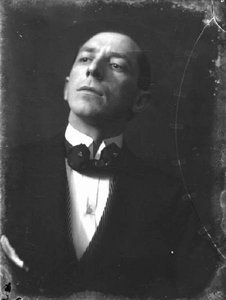
Umberto Boccioni
1882 - 1916 , Itália
Informações Rápidas
- Artistic Movement Or Style: Futurismo
- Artists Or Movements Influenced By This Artist:
- Constructivismo
- Expressionismo
- Artists Who Influenced This Artist:
- Giacomo Balla
- Cubismo
- Date Of Birth: 1882-10-19
- Date Of Death: 1916-08-17
- Full Name: Umberto Boccioni
- Nationality: Italiano
- Notable Artworks:
- Cidade que sobe
- Formas Únicas
- Corpo em movimento
- Place Of Birth: Reggio Calabria, Itália
Artigos Relacionados

Carlo Carrà: Futurist Visions & Metaphysical Transformations in Early 20th-Century Italian Painting
Explore the artistic journey of Carlo Carrà, a pivotal figure in Italian Futurism & Metaphysical painting. Discover his dynamic compositions, collaborations with de Chirico, and lasting influence on modern art history.
The Enduring Muse: Women as Subject & Symbol in Art History
Explore the rich history of women in art – from archetypal representations to contemporary voices challenging norms. Discover iconic artists & movements, and learn about reclaiming female narratives through painting and beyond.

The Enduring Muse: Women as Subject & Symbol in Art History
Explore the rich history of women in art – from iconic muses to groundbreaking artists. Discover feminist movements, global perspectives & reclaim female narratives with OriginalUniqueArt.

Umberto Boccioni: Dynamism, Futurist Ideals & the Evolution of Modern Sculpture
Explore the revolutionary art of Umberto Boccioni, a leading figure of Futurism. Discover his iconic sculptures & paintings, and delve into the movement's impact on modern art history with OriginalUniqueArt.

Speed, Power, and Motion: A Definitive Guide to the Italian Futurist Art Movement
Explore the dynamic world of Italian Futurism. Discover how masters like Umberto Boccioni captured speed, power, and modernity through revolutionary techniques. A definitive guide for art historians and collectors seeking to understand the movement that redefined the machine age.


