
 Visualizar na parede
 Compartilhar
 Compartilhar
 Detalhes
 Guia
Guia

 Baixar imagem
 Semelhantes
 Raio X
 Ver diaporama
 Perguntas e Respostas
 Estatísticas
Wakan Hyaku Monogatari

 Ler mais
Giclée / Impressão de Arte
Impressão giclée ou em tela de qualidade de museu, com produção rápida e opções flexíveis de acabamento. ( Comprar pintura feita à mão Alternar para Imagem Digital)




P118B €10

P118H €10

P118W €10

P438Z €10

P508JH €12

P508YH €12

P805H €10

P805Z €10

P919BZ €10

P919G €10

P919XJ €10

P959ZH €10

P968JZ €12

W106C €8

W218G €10

W218JH €8

W218Y €10

W307PJ €10

W316G €10

W316PJ €8

W316Y €10

W398PJ €8

W4111J €10

W500HY €15

W500JH €15

W692G €12

W849H €8

W940BG €15

W953PJ €8




Escolha entre os nossos tamanhos pré-definidos que respeitam as proporções originais da obra de arte.

Insira a largura e a altura desejadas para se ajustarem à sua moldura ou parede. Uma impressão pode ser apenas cortada, nunca ampliada além da imagem original; portanto, um tamanho com proporções diferentes resultará na perda de parte da imagem. Enviamos uma maquete digital para sua aprovação antes de realizarmos a impressão. A imagem exibida nesta página não mostra o corte real — apenas a maquete o faz.
Entrega mundial () em 2 semanas, em vez das 4/5 semanas padrão. (7 Novembro)

Envio expresso gratuito para todo o mundo

Tela de Linho de Alta Qualidade

Seguro de transporte completo

Garantia de Reembolso de Impostos Alfandegários

Garantia de Fidelidade Cromática

Política de Devolução em 100 Dias (Apenas para Defeitos)

Garantia de reembolso de 100%

Oferta de desconto por quantidade
 A opção de vidro está disponível apenas para tamanhos inferiores a 110 cm

Wakan Hyaku Monogatari
Giclée / Impressão de Arte
Tamanho da Reprodução
-


Preço Total
€ 72
Subject and Composition
This exquisite artwork masterfully blends traditional Japanese aesthetics with a contemporary illustrative sensibility. At its core, the scene centers around a luminous golden candlestick or incense holder, symbolizing enlightenment and spiritual remembrance. Surrounding this focal point are delicately inscribed paper fans, each bearing elegant calligraphy that evokes poetic reflection and cultural reverence. The arrangement of these fans, layered and overlapping, guides the viewer’s eye across the composition, creating a dynamic yet harmonious visual narrative. Subtle botanical motifs, such as bamboo or fern leaves, add a touch of natural serenity, reinforcing themes of harmony between nature and spirituality.Style and Technique
This piece exemplifies a refined fusion of traditional Japanese painting techniques with modern illustrative elements. The use of flat, smooth textures and precise line work reflects the meticulous craftsmanship characteristic of ukiyo-e prints. The color palette is soft and muted, dominated by shades of teal, cream, pink, and black, contrasted by the warm glow of gold on the central object. Ink and watercolor are skillfully employed to create delicate shading and highlights, giving the scene a subtle depth while maintaining a flat, two-dimensional aesthetic typical of Japanese printmaking. The calligraphy adds an additional layer of artistry, emphasizing the importance of written language and poetic expression within the scene.Historical and Cultural Context
Rooted in Japan’s rich cultural tradition, this artwork draws inspiration from the Edo period’s emphasis on poetry, calligraphy, and symbolic objects. The scene likely references spiritual or ritualistic practices, emphasizing themes of enlightenment, remembrance, and the transient nature of life. The integration of calligraphic inscriptions and natural motifs reflects a deep appreciation for the harmony between human expression and the natural world. The artwork’s modern illustrative style bridges past and present, making it relevant for contemporary collectors and interior designers seeking to incorporate traditional Japanese elegance into modern spaces.Symbolism and Emotional Impact
Every element within this composition carries symbolic weight. The central golden candlestick or incense holder signifies illumination and spiritual awakening, while the inscribed fans represent poetic messages and cultural continuity. Botanical motifs evoke serenity and the enduring beauty of nature, fostering a contemplative mood. The layered arrangement and balanced composition evoke a sense of harmony and introspection, inviting viewers to pause and reflect. This piece’s understated elegance and poetic symbolism create an emotional resonance that can inspire tranquility, reverence, and cultural appreciation in any setting.Perfect for Collection and Interior Design
Ideal for art lovers, discerning collectors, and interior designers, this high-quality reproduction offers a timeless glimpse into Japan’s artistic heritage. Its refined aesthetic complements both traditional and contemporary interiors, adding a touch of cultural sophistication and poetic grace. Whether displayed in a living room, study, or gallery space, this artwork serves as a captivating focal point that sparks conversation and inspires reflection. Its meticulous craftsmanship and layered symbolism make it a valuable addition to any curated collection, embodying the enduring beauty and depth of Japanese artistic tradition.Perguntas e Respostas
Onde posso encontrar obras de arte semelhantes a "Wakan Hyaku Monogatari", de Tsukioka Yoshitoshi?
Obras de arte semelhantes a "Wakan Hyaku Monogatari", de Tsukioka Yoshitoshi podem ser encontradas na página de Obras semelhantes desta obra.
Posso examinar "Wakan Hyaku Monogatari" com mais detalhes?
A página Raio X de "Wakan Hyaku Monogatari", de Tsukioka Yoshitoshi é um visualizador interativo que permite percorrer onze camadas ópticas da imagem da obra, incluindo uma visualização em estilo raio-X.
"Wakan Hyaku Monogatari" é típico do que Tsukioka Yoshitoshi costumava criar?
"Wakan Hyaku Monogatari" retrata japanese calligraphy, symbolic objects, botanical motifs, traditional scene, cultural reverence, poetic elegance, layered visual narrative, illustrative style, enquanto os temas recorrentes de Tsukioka Yoshitoshi são calligraphy, symbolic objects, cultural reverence, poetic elegance, modern illustrative style. A comparação entre ambos revela como a obra se relaciona com os temas habituais do artista.
Biografia do Artista
A Life Etched in Ink and Wood: The World of Tsukioka Yoshitoshi
Tsukioka Yoshitoshi, born Owariya Yonejiro in 1839 amidst the bustling streets of Edo (modern Tokyo), stands as a monumental figure in the history of Japanese art. He is widely celebrated as the last great master of *ukiyo-e*, the “pictures of the floating world,” yet to define him solely by this title feels insufficient. Yoshitoshi wasn’t merely a preserver of tradition; he was an innovator, a visual storyteller who fearlessly captured the tumultuous spirit of a Japan undergoing radical transformation. His life unfolded against a backdrop of societal upheaval – the waning years of the Tokugawa shogunate, the Meiji Restoration, and the rapid influx of Western ideas – all profoundly shaping his artistic vision. From humble beginnings as the son of a merchant elevated to samurai status, Yoshitoshi’s path led him into an apprenticeship with Utagawa Kuniyoshi, a master whose influence would be indelible. This formative period instilled in him not only technical skill but also a deep appreciation for narrative and dynamic composition.From Apprenticeship to Artistic Independence
Yoshitoshi's early years were steeped in the rigorous discipline of *ukiyo-e* training under Kuniyoshi. He absorbed his master’s techniques, honing his draftsmanship and learning to translate stories into compelling visual form. However, Yoshitoshi quickly began to forge his own path. While initially working within established conventions, he soon demonstrated a willingness to push boundaries, particularly in his depictions of violence and death. These weren't gratuitous displays but rather reflections of the era’s unrest and personal tragedies – the loss of both his father and Kuniyoshi deeply impacted his artistic direction. The mid-1860s saw Yoshitoshi gaining recognition for what became known as his “bloody prints,” a series characterized by graphic imagery and dramatic intensity. Series like *Eimei nijûhasshûku* (Twenty-Eight Famous Murders with Verse) shocked and captivated audiences, showcasing scenes of brutal killings rendered with startling realism. This willingness to confront dark themes set him apart from many of his contemporaries. He experimented with different series and subjects, including the popular *Tsūzoku saiyūki* (“A Modern Journey to the West”) and *Wakan hyaku monogatari* (“One Hundred Stories of China and Japan”), demonstrating a versatility that further cemented his reputation.Innovation in a Changing World
Yoshitoshi’s genius lay not only in his subject matter but also in his artistic technique. He masterfully blended traditional Japanese aesthetics with Western influences, incorporating elements of perspective and composition gleaned from imported prints and engravings. This fusion created a unique visual language that was both distinctly Japanese and strikingly modern. As Japan embraced modernization, new technologies like photography and lithography threatened the very existence of *ukiyo-e*. Yoshitoshi recognized this challenge and responded by elevating his craft to unprecedented levels of artistry. He experimented with color palettes, refined his carving techniques, and pushed the boundaries of narrative storytelling within the woodblock medium. His series *Musha Burui* (Warrior Prints) exemplifies this dedication – each print a dynamic explosion of action and emotion, showcasing his skill in portraying heroic figures and dramatic battles. He understood that to survive, *ukiyo-e* had to evolve, and he dedicated himself to ensuring its continued relevance.Legacy and Enduring Influence
Yoshitoshi’s life was a struggle against time, a valiant effort to safeguard a cherished artistic tradition in the face of overwhelming change. He succeeded not only in preserving *ukiyo-e* but also in transforming it, leaving behind a body of work that continues to captivate and inspire. Despite facing immense challenges – financial hardship, personal struggles, and the decline of traditional art forms – Yoshitoshi remained steadfast in his commitment to *ukiyo-e*. He worked tirelessly until his death in 1892, leaving behind a vast body of work that continues to be studied and admired by collectors and scholars worldwide. His prints are more than just beautiful objects; they are windows into a bygone era, powerful expressions of human emotion, and enduring symbols of artistic excellence.A Final Flourish: Yoshitoshi’s Lasting Impact
- Preservation of Tradition: In a rapidly modernizing Japan, Yoshitoshi championed traditional woodblock printing techniques.
- Artistic Innovation: He seamlessly blended Japanese aesthetics with Western influences, creating a unique and dynamic style.
- Narrative Power: His prints are renowned for their compelling storytelling and dramatic intensity.
- Historical Documentation: Yoshitoshi’s work provides valuable insights into the social, political, and cultural landscape of 19th-century Japan.
- A testament to his enduring legacy is the continued appreciation for his artistry by collectors and art enthusiasts worldwide.
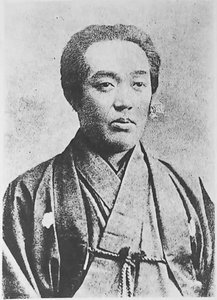
Tsukioka Yoshitoshi
1839 - 1892 , Japão
Dados Rápidos
- Artistic Movement Or Style: *Ukiyo-e*
- Artists Or Movements Influenced By This Artist: ['Futuros artistas']
- Artists Who Influenced This Artist: ['Kuniyoshi']
- Date Of Birth: 30 de abril de 1839
- Date Of Death: 9 de junho de 1892
- Full Name: Tsukioka Yoshitoshi
- Nationality: Japonês
- Notable Artworks:
- Tokugawa Iemitsu
- Musha-e Series
- Sukune - Yoshitoshi
- Place Of Birth: Tóquio, Japão
Artigos Relacionados
Masterpieces of Japan: A Definitive Guide to Ukiyo-e and the Art of the Floating World
Explore the profound beauty of Japanese Ukiyo-e. From Hokusai's iconic waves to the elegance of the Edo period, discover the history and masters behind the 'Floating World' in this expert art-history guide for collectors and enthusiasts.

The Floating World: Unveiling the Timeless Beauty and Soul of Japanese Ukiyo-e Artistry
Journey through the ephemeral beauty of Japanese Ukiyo-e. Uncover the profound history of woodblock prints, the mastery of Hokusai, and the captivating link between the 'Floating World' and Impressionism. A sophisticated guide for the discerning art enthusiast.

Floating Worlds: A Definitive Guide to the Mastery and Philosophy of Japanese Ukiyo-e Woodblock Prints
Explore the profound beauty of Ukiyo-e. Discover the history, philosophy, and legendary masters of Japanese woodblock prints, from Hokusai to Kuniyoshi, in this expert guide to the 'Floating World'.
Tsukioka Yoshitoshi: A Master of Ukiyo-e's Final Flourish – Narrative, Innovation, and the Meiji Transition
Explore the life & art of Tsukioka Yoshitoshi, the last great master of ukiyo-e woodblock printing. Discover his dramatic warrior prints, innovative series like 'One Hundred Aspects of the Moon,' and legacy reflecting Japan's Meiji transition.

Katsushika Hokusai: As 25 Obras-Primas que Definem um Mestre da Arte Japonesa
Descubra as 25 obras-primas de Katsushika Hokusai, o mestre do ukiyo-e! Explore a história por trás de 'A Grande Onda' e outras gravuras japonesas icônicas. Encontre reproduções de arte exclusivas para decorar sua casa com elegância em OriginalUniqueArt.com.


