
 Visualizar na parede
 Compartilhar
 Compartilhar
 Detalhes
 Guia
Guia

 Baixar imagem
 Semelhantes
 Raio X
 Ver diaporama
 Perguntas e Respostas
 Estatísticas
Shutendôji

 Ler mais
Obtenha um arquivo pronto para impressão que vai muito além da visualização na web. Cada imagem digital que vendemos provém de um arquivo mestre de alta resolução em nosso banco de dados — geralmente entre 5.000 e 15.000 pixels de largura — para que você possa imprimir em grandes formatos, realizar cortes precisos ou reproduzir detalhes minuciosos com total confiança.
Nenhum arquivo sai do nosso estúdio sem passar por um cuidadoso processo de revisão. Um especialista digital verifica as cores em relação à pintura original e as corrige se necessário, aumentando então a clareza e o detalhe com ferramentas profissionais de retoque — sempre mantendo a fidelidade às pinceladas e ao estilo do artista. O resultado é uma imagem que se assemelha à pintura, e não a um scan com filtros.
Aprovação antes da finalização: nosso especialista enviará a imagem por e-mail em até 72 horas para sua revisão. Não ficou satisfeito? Solicite melhorias ou correções, ou peça o reembolso caso a qualidade não atenda às suas expectativas.
Esta é a qualidade em que confiam editoras, estúdios de design, galerias e gráficas.
Imagem Digital
Baixe um arquivo de alta resolução para exibição pessoal, impressão e projetos criativos. ( Alternar para Impressão Comprar pintura feita à mão)
Incluído em cada compra de imagem digital
Entrega Digital Especializada e Garantida
Ao escolher o OriginalUniqueArt.com, você não está apenas adquirindo uma imagem — você está recebendo uma obra de arte digital profissionalmente aprimorada, elaborada com precisão e com garantia de satisfação. Aqui está tudo o que acompanha seu pedido, automaticamente:

Entrega rápida por e-mail
O seu arquivo de imagem digital em alta resolução será enviado por e-mail em até 72 horas após o pedido — pronto para uso imediato.

Arquivo Digital com IA Otimizado
Sua obra de arte é otimizada profissionalmente por meio de ferramentas avançadas de IA e edição manual, garantindo o máximo de detalhes, clareza e precisão de cores.

Reenvio gratuito vitalício
Apagou ou perdeu o seu ficheiro acidentalmente? Não se preocupe – nós reenviamos para si a qualquer momento, gratuitamente.

Sem Taxas de Importação - Sempre
Desfrute da sua obra de arte instantaneamente, sem taxas alfandegárias, impostos ou custos de entrega — downloads digitais são sempre isentos de taxas.

Garantia de Fidelidade de Cores
Garantimos que sua imagem digital reflita as cores originais com a maior fidelidade possível, utilizando ferramentas profissionais e gerenciamento de cores.

Garantia de satisfação de 100 dias
Se não estiver satisfeito com a sua imagem digital, nós a revisaremos ou reembolsaremos 100% dentro de 100 dias — sem perguntas.

Garantia de Reembolso 100%
Não está satisfeito? Receba o reembolso total em até 100 dias após o recebimento do seu arquivo digital — sem perguntas.

Descontos para pedidos em lote
Compre 3 imagens, economize 10% - Compre 5, economize 15% - Compre 10+, economize 20%. Ideal para projetos criativos, galerias e agências.
Captivating Subject and Mythological Significance
This exquisite Japanese woodblock print vividly captures a legendary scene from folklore, depicting the formidable demon Shutendôji surrounded by an array of women. Rooted in traditional storytelling, the artwork embodies the rich mythological heritage of Japan, evoking themes of power, spirituality, and the supernatural. The central figure’s commanding presence and expressive gestures invite viewers into a world where myth and reality intertwine, stirring curiosity and awe.Masterful Style and Artistic Technique
Crafted in the ukiyo-e tradition, this print exemplifies the meticulous craftsmanship of the Edo period. The artist employs bold, flowing lines and flat color fields characteristic of Japanese woodblock printing, creating a dynamic composition that guides the eye across the scene. Vibrant hues—deep reds, blues, and contrasting flesh tones—bring the figures to life, while subtle details in the decorative patterns and symbolic elements enhance its visual richness. The precise registration of colors and the textured line work reflect the technical mastery and artistic finesse of the period.Historical Context and Cultural Depth
Created during the late Edo era, around 1865, this print is part of a series illustrating ghost stories and supernatural tales that fascinated Japanese society. Such works served both as entertainment and as moral allegories, blending entertainment with cultural values. The depiction of Shutendôji, a legendary demon, underscores the era’s interest in the spiritual realm and the moral lessons embedded within folklore. This piece offers a window into Japan’s rich tradition of storytelling and its reverence for mythic figures.Symbolism and Emotional Impact
Every element in this print is imbued with symbolic meaning—Shutendôji’s formidable stance signifies strength and otherworldly power, while the surrounding women may represent the human connection to the spiritual or the temptations faced by mortals. The vivid colors and dramatic composition evoke intense emotions, ranging from awe to trepidation, making it a compelling centerpiece for any collection or interior space. Its theatricality and narrative depth inspire viewers to explore the stories behind the imagery, fostering a deeper appreciation for Japanese art and culture.Perfect for Collection and Interior Design
Whether displayed in a private collection or used as a striking decorative piece, this high-quality reproduction offers a timeless connection to Japan’s artistic heritage. Its vibrant colors and intricate details make it an eye-catching addition to any interior, adding a touch of mystique and cultural sophistication. Art lovers, collectors, and interior designers alike will find this print to be a captivating conversation piece that enriches any environment with historical depth and artistic excellence.Perguntas e Respostas
Onde posso comprar uma impressão de "Shutendôji", de Tsukioka Yoshitoshi?
"Shutendôji" está disponível como uma impressão fine art em tela de algodão ou papel canvas de arquivo. Os pedidos podem ser feitos na página de Impressão Fine Art, no tamanho de sua escolha.
Qual artista e qual estilo estão por trás de "Shutendôji"?
Tsukioka Yoshitoshi criou "Shutendôji" dentro do movimento Ukiyo-e.
É possível fazer o download de "Shutendôji"?
"Shutendôji", de Tsukioka Yoshitoshi pode ser descarregado na página de Download da obra, como download de imagem digital em alta resolução.
Biografia do Artista
A Life Etched in Ink and Wood: The World of Tsukioka Yoshitoshi
Tsukioka Yoshitoshi, born Owariya Yonejiro in 1839 amidst the bustling streets of Edo (modern Tokyo), stands as a monumental figure in the history of Japanese art. He is widely celebrated as the last great master of *ukiyo-e*, the “pictures of the floating world,” yet to define him solely by this title feels insufficient. Yoshitoshi wasn’t merely a preserver of tradition; he was an innovator, a visual storyteller who fearlessly captured the tumultuous spirit of a Japan undergoing radical transformation. His life unfolded against a backdrop of societal upheaval – the waning years of the Tokugawa shogunate, the Meiji Restoration, and the rapid influx of Western ideas – all profoundly shaping his artistic vision. From humble beginnings as the son of a merchant elevated to samurai status, Yoshitoshi’s path led him into an apprenticeship with Utagawa Kuniyoshi, a master whose influence would be indelible. This formative period instilled in him not only technical skill but also a deep appreciation for narrative and dynamic composition.From Apprenticeship to Artistic Independence
Yoshitoshi's early years were steeped in the rigorous discipline of *ukiyo-e* training under Kuniyoshi. He absorbed his master’s techniques, honing his draftsmanship and learning to translate stories into compelling visual form. However, Yoshitoshi quickly began to forge his own path. While initially working within established conventions, he soon demonstrated a willingness to push boundaries, particularly in his depictions of violence and death. These weren't gratuitous displays but rather reflections of the era’s unrest and personal tragedies – the loss of both his father and Kuniyoshi deeply impacted his artistic direction. The mid-1860s saw Yoshitoshi gaining recognition for what became known as his “bloody prints,” a series characterized by graphic imagery and dramatic intensity. Series like *Eimei nijûhasshûku* (Twenty-Eight Famous Murders with Verse) shocked and captivated audiences, showcasing scenes of brutal killings rendered with startling realism. This willingness to confront dark themes set him apart from many of his contemporaries. He experimented with different series and subjects, including the popular *Tsūzoku saiyūki* (“A Modern Journey to the West”) and *Wakan hyaku monogatari* (“One Hundred Stories of China and Japan”), demonstrating a versatility that further cemented his reputation.Innovation in a Changing World
Yoshitoshi’s genius lay not only in his subject matter but also in his artistic technique. He masterfully blended traditional Japanese aesthetics with Western influences, incorporating elements of perspective and composition gleaned from imported prints and engravings. This fusion created a unique visual language that was both distinctly Japanese and strikingly modern. As Japan embraced modernization, new technologies like photography and lithography threatened the very existence of *ukiyo-e*. Yoshitoshi recognized this challenge and responded by elevating his craft to unprecedented levels of artistry. He experimented with color palettes, refined his carving techniques, and pushed the boundaries of narrative storytelling within the woodblock medium. His series *Musha Burui* (Warrior Prints) exemplifies this dedication – each print a dynamic explosion of action and emotion, showcasing his skill in portraying heroic figures and dramatic battles. He understood that to survive, *ukiyo-e* had to evolve, and he dedicated himself to ensuring its continued relevance.Legacy and Enduring Influence
Yoshitoshi’s life was a struggle against time, a valiant effort to safeguard a cherished artistic tradition in the face of overwhelming change. He succeeded not only in preserving *ukiyo-e* but also in transforming it, leaving behind a body of work that continues to captivate and inspire. Despite facing immense challenges – financial hardship, personal struggles, and the decline of traditional art forms – Yoshitoshi remained steadfast in his commitment to *ukiyo-e*. He worked tirelessly until his death in 1892, leaving behind a vast body of work that continues to be studied and admired by collectors and scholars worldwide. His prints are more than just beautiful objects; they are windows into a bygone era, powerful expressions of human emotion, and enduring symbols of artistic excellence.A Final Flourish: Yoshitoshi’s Lasting Impact
- Preservation of Tradition: In a rapidly modernizing Japan, Yoshitoshi championed traditional woodblock printing techniques.
- Artistic Innovation: He seamlessly blended Japanese aesthetics with Western influences, creating a unique and dynamic style.
- Narrative Power: His prints are renowned for their compelling storytelling and dramatic intensity.
- Historical Documentation: Yoshitoshi’s work provides valuable insights into the social, political, and cultural landscape of 19th-century Japan.
- A testament to his enduring legacy is the continued appreciation for his artistry by collectors and art enthusiasts worldwide.
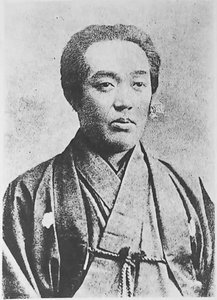
Tsukioka Yoshitoshi
1839 - 1892 , Japão
Breve Biografia
- Artistic Movement Or Style: *Ukiyo-e*
- Artists Or Movements Influenced By This Artist: ['Futuros artistas']
- Artists Who Influenced This Artist: ['Kuniyoshi']
- Date Of Birth: 30 de abril de 1839
- Date Of Death: 9 de junho de 1892
- Full Name: Tsukioka Yoshitoshi
- Nationality: Japonês
- Notable Artworks:
- Tokugawa Iemitsu
- Musha-e Series
- Sukune - Yoshitoshi
- Place Of Birth: Tóquio, Japão