

 Visualizar na parede
 Compartilhar
 Compartilhar
 Detalhes
 Guia
Guia

 Baixar imagem
 Semelhantes
 Raio X
 Ver diaporama
 Q&A
Q&A Estatísticas
Postal Tengu

 Ler mais
Giclée / Impressão de Arte
Impressão giclée ou em tela de qualidade de museu, com produção rápida e opções flexíveis de acabamento. ( Comprar pintura feita à mão Alternar para Imagem Digital)




P118B €10

P118H €10

P118W €10

P438Z €10

P508JH €12

P508YH €12

P805H €10

P805Z €10

P919BZ €10

P919G €10

P919XJ €10

P959ZH €10

P968JZ €12

W106C €8

W218G €10

W218JH €8

W218Y €10

W307PJ €10

W316G €10

W316PJ €8

W316Y €10

W398PJ €8

W4111J €10

W500HY €15

W500JH €15

W692G €12

W849H €8

W940BG €15

W953PJ €8




Escolha entre os nossos tamanhos pré-definidos que respeitam as proporções originais da obra de arte.

Insira a largura e a altura desejadas para se ajustarem à sua moldura ou parede. Uma impressão pode ser apenas cortada, nunca ampliada além da imagem original; portanto, um tamanho com proporções diferentes resultará na perda de parte da imagem. Enviamos uma maquete digital para sua aprovação antes de realizarmos a impressão. A imagem exibida nesta página não mostra o corte real — apenas a maquete o faz.
Entrega mundial () em 2 semanas, em vez das 4/5 semanas padrão. (29 Outubro)

Envio expresso gratuito para todo o mundo

Tela de Linho de Alta Qualidade

Seguro de transporte completo

Garantia de Reembolso de Impostos Alfandegários

Garantia de Fidelidade Cromática

Política de Devolução em 100 Dias (Apenas para Defeitos)

Garantia de reembolso de 100%

Oferta de desconto por quantidade
 A opção de vidro está disponível apenas para tamanhos inferiores a 110 cm

Postal Tengu
Giclée / Impressão de Arte
Tamanho da Reprodução
-


Preço Total
€ 71
Subject and Composition
This captivating artwork features two anthropomorphic birds, vividly dressed in traditional Japanese attire, engaged in a lively and humorous interaction. Their expressive gestures and vibrant clothing create a dynamic focal point that immediately draws the viewer’s attention. Set against a minimalist background with a subtle mountain silhouette and power lines, the scene balances traditional Japanese elements with playful imagination, inviting viewers to explore a layered narrative filled with cultural symbolism and whimsy.Artistic Style and Technique
Blending traditional Japanese ukiyo-e techniques with a modern, cartoonish twist, this piece employs bold outlines, vibrant colors, and fluid lines to evoke a sense of movement and emotion. The use of ink and watercolor-like washes enhances the whimsical quality, while the exaggerated features—such as large expressive eyes and outstretched wings—add a lively, animated character to the scene. The artist’s skillful use of shading and texture provides depth and volume, creating a visually engaging composition that celebrates craftsmanship and artistic innovation.Historical Context and Cultural Significance
Rooted in the rich tradition of Japanese woodblock printing, this work echoes the playful and satirical spirit often found in ukiyo-e art. The inclusion of calligraphy and a red seal anchors the piece within its cultural origins, while the fantastical depiction of birds may symbolize themes of communication, rivalry, or social commentary prevalent in Edo-period art. The surreal elements reflect a broader Japanese artistic tendency to blend reality with imagination, offering a glimpse into the cultural psyche and artistic experimentation of the time.Symbolism and Interpretation
The anthropomorphic birds symbolize more than their whimsical appearance; they may represent human traits such as rivalry, humor, or social interaction. The contrasting colors and expressive gestures suggest a narrative of conflict or camaraderie, while the mountain in the background hints at stability and tradition. Overall, the artwork invites viewers to interpret its playful scene as a reflection on cultural exchange, societal dynamics, or the humorous side of human nature, making it a thought-provoking addition to any collection.Emotional Impact and Interior Appeal
This piece exudes a joyful, lively energy that can brighten any space, making it an ideal choice for interior designers seeking to add a touch of cultural sophistication and playful charm. Its vibrant palette and engaging composition evoke feelings of curiosity and delight, inspiring viewers to explore its details and underlying stories. Whether displayed in a living room, office, or gallery, this artwork offers a unique blend of tradition and imagination, creating an inviting atmosphere that sparks conversation and admiration among art lovers and collectors alike.Perguntas e Respostas
De qual país é a obra do Nothing "Postal Tengu"?
A obra do Nothing "Postal Tengu" foi criada por um artista nascido em Japão.
Como é construída a composição cromática de "Postal Tengu", de Tsukioka Yoshitoshi?
Em "Postal Tengu", um Balanced contraste une-se a uma Strong Color Unity harmonia.
A imagem de "Postal Tengu", de Tsukioka Yoshitoshi pode ser reproduzida livremente?
Informação de direitos autorais para "Postal Tengu", de Tsukioka Yoshitoshi: a obra está em em domínio público — seus direitos autorais expiraram. Isso determina se reproduções da imagem podem ser feitas livremente.
Biografia do Artista
A Life Etched in Ink and Wood: The World of Tsukioka Yoshitoshi
Tsukioka Yoshitoshi, born Owariya Yonejiro in 1839 amidst the bustling streets of Edo (modern Tokyo), stands as a monumental figure in the history of Japanese art. He is widely celebrated as the last great master of *ukiyo-e*, the “pictures of the floating world,” yet to define him solely by this title feels insufficient. Yoshitoshi wasn’t merely a preserver of tradition; he was an innovator, a visual storyteller who fearlessly captured the tumultuous spirit of a Japan undergoing radical transformation. His life unfolded against a backdrop of societal upheaval – the waning years of the Tokugawa shogunate, the Meiji Restoration, and the rapid influx of Western ideas – all profoundly shaping his artistic vision. From humble beginnings as the son of a merchant elevated to samurai status, Yoshitoshi’s path led him into an apprenticeship with Utagawa Kuniyoshi, a master whose influence would be indelible. This formative period instilled in him not only technical skill but also a deep appreciation for narrative and dynamic composition.From Apprenticeship to Artistic Independence
Yoshitoshi's early years were steeped in the rigorous discipline of *ukiyo-e* training under Kuniyoshi. He absorbed his master’s techniques, honing his draftsmanship and learning to translate stories into compelling visual form. However, Yoshitoshi quickly began to forge his own path. While initially working within established conventions, he soon demonstrated a willingness to push boundaries, particularly in his depictions of violence and death. These weren't gratuitous displays but rather reflections of the era’s unrest and personal tragedies – the loss of both his father and Kuniyoshi deeply impacted his artistic direction. The mid-1860s saw Yoshitoshi gaining recognition for what became known as his “bloody prints,” a series characterized by graphic imagery and dramatic intensity. Series like *Eimei nijûhasshûku* (Twenty-Eight Famous Murders with Verse) shocked and captivated audiences, showcasing scenes of brutal killings rendered with startling realism. This willingness to confront dark themes set him apart from many of his contemporaries. He experimented with different series and subjects, including the popular *Tsūzoku saiyūki* (“A Modern Journey to the West”) and *Wakan hyaku monogatari* (“One Hundred Stories of China and Japan”), demonstrating a versatility that further cemented his reputation.Innovation in a Changing World
Yoshitoshi’s genius lay not only in his subject matter but also in his artistic technique. He masterfully blended traditional Japanese aesthetics with Western influences, incorporating elements of perspective and composition gleaned from imported prints and engravings. This fusion created a unique visual language that was both distinctly Japanese and strikingly modern. As Japan embraced modernization, new technologies like photography and lithography threatened the very existence of *ukiyo-e*. Yoshitoshi recognized this challenge and responded by elevating his craft to unprecedented levels of artistry. He experimented with color palettes, refined his carving techniques, and pushed the boundaries of narrative storytelling within the woodblock medium. His series *Musha Burui* (Warrior Prints) exemplifies this dedication – each print a dynamic explosion of action and emotion, showcasing his skill in portraying heroic figures and dramatic battles. He understood that to survive, *ukiyo-e* had to evolve, and he dedicated himself to ensuring its continued relevance.Legacy and Enduring Influence
Yoshitoshi’s life was a struggle against time, a valiant effort to safeguard a cherished artistic tradition in the face of overwhelming change. He succeeded not only in preserving *ukiyo-e* but also in transforming it, leaving behind a body of work that continues to captivate and inspire. Despite facing immense challenges – financial hardship, personal struggles, and the decline of traditional art forms – Yoshitoshi remained steadfast in his commitment to *ukiyo-e*. He worked tirelessly until his death in 1892, leaving behind a vast body of work that continues to be studied and admired by collectors and scholars worldwide. His prints are more than just beautiful objects; they are windows into a bygone era, powerful expressions of human emotion, and enduring symbols of artistic excellence.A Final Flourish: Yoshitoshi’s Lasting Impact
- Preservation of Tradition: In a rapidly modernizing Japan, Yoshitoshi championed traditional woodblock printing techniques.
- Artistic Innovation: He seamlessly blended Japanese aesthetics with Western influences, creating a unique and dynamic style.
- Narrative Power: His prints are renowned for their compelling storytelling and dramatic intensity.
- Historical Documentation: Yoshitoshi’s work provides valuable insights into the social, political, and cultural landscape of 19th-century Japan.
- A testament to his enduring legacy is the continued appreciation for his artistry by collectors and art enthusiasts worldwide.
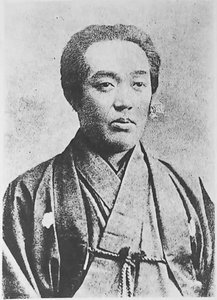
Tsukioka Yoshitoshi
1839 - 1892 , Japão
Dados Rápidos
- Artistic Movement Or Style: *Ukiyo-e*
- Artists Or Movements Influenced By This Artist: ['Futuros artistas']
- Artists Who Influenced This Artist: ['Kuniyoshi']
- Date Of Birth: 30 de abril de 1839
- Date Of Death: 9 de junho de 1892
- Full Name: Tsukioka Yoshitoshi
- Nationality: Japonês
- Notable Artworks:
- Tokugawa Iemitsu
- Musha-e Series
- Sukune - Yoshitoshi
- Place Of Birth: Tóquio, Japão
Artigos Relacionados
Ukiyo-e: Exploring Japan's Floating World & Enduring Artistic Legacy
Explore the captivating world of Ukiyo-e – Japan's iconic woodblock prints! Discover masters like Hokusai & Hiroshige, learn about Edo period culture, and find expert art collecting guidance at OriginalUniqueArt.

Floating Worlds: A Definitive Guide to the Mastery and Philosophy of Japanese Ukiyo-e Woodblock Prints
Explore the profound beauty of Ukiyo-e. Discover the history, philosophy, and legendary masters of Japanese woodblock prints, from Hokusai to Kuniyoshi, in this expert guide to the 'Floating World'.

Katsushika Hokusai: As 25 Obras-Primas que Definem um Mestre da Arte Japonesa
Descubra as 25 obras-primas de Katsushika Hokusai, o mestre do ukiyo-e! Explore a história por trás de 'A Grande Onda' e outras gravuras japonesas icônicas. Encontre reproduções de arte exclusivas para decorar sua casa com elegância em OriginalUniqueArt.com.

The Floating World: Unveiling the Timeless Beauty and Soul of Japanese Ukiyo-e Artistry
Journey through the ephemeral beauty of Japanese Ukiyo-e. Uncover the profound history of woodblock prints, the mastery of Hokusai, and the captivating link between the 'Floating World' and Impressionism. A sophisticated guide for the discerning art enthusiast.
Tsukioka Yoshitoshi: A Master of Ukiyo-e's Final Flourish – Narrative, Innovation, and the Meiji Transition
Explore the life & art of Tsukioka Yoshitoshi, the last great master of ukiyo-e woodblock printing. Discover his dramatic warrior prints, innovative series like 'One Hundred Aspects of the Moon,' and legacy reflecting Japan's Meiji transition.


