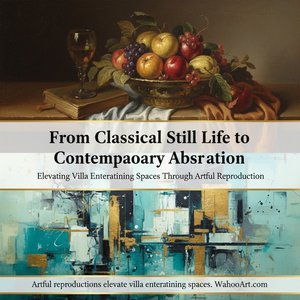
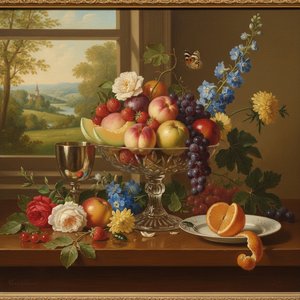
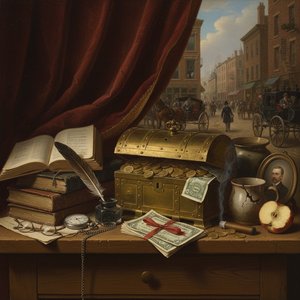
Still Life
Reprodução em Óleo Feita à Mão
Óleo sobre tela pintado à mão no seu tamanho e moldura, feito sob encomenda pelos nossos artistas.
P118B $10
P118H $10
P118W $10
P438Z $10
P508JH $12
P508YH $12
P805H $10
P805Z $10
P919BZ $10
P919G $10
P919XJ $10
P959ZH $10
P968JZ $12
W106C $8
W218G $10
W218JH $8
W218Y $10
W307PJ $10
W316G $10
W316PJ $8
W316Y $10
W398PJ $8
W4111J $10
W500HY $15
W500JH $15
W692G $12
W849H $8
W940BG $15
W953PJ $8
Escolha entre os nossos tamanhos pré-definidos que respeitam as proporções originais da obra de arte.

Pode inserir as suas próprias dimensões para se adequar a uma moldura ou espaço específico. Se o tamanho selecionado não corresponder às proporções da imagem original, iremos cortar a obra de arte ou estender a pintura com elementos adicionais pintados à mão. Um esboço digital será enviado para sua aprovação antes do início da produção.
Tenha em atenção que a pré-visualização no ecrã não reflete o corte ou extensão real. Apenas o esboço mostrará com precisão a composição final.
Embora tamanhos personalizados estejam disponíveis, recomendamos selecionar uma dimensão da lista predefinida para preservar as proporções originais.
Após o pedido, a equipa OriginalUniqueArt.com enviará um e-mail ao cliente para solicitar instruções e fornecer uma prévia do esboço.
Entrega Mundial () em 3 a 4 semanas, em vez das 5 semanas padrão. (20 Julho). Sem comprometer a qualidade.
Envio Expresso Gratuito para todo o Mundo
Tela de Linho Premium
Seguro de envio completo
Garantia de Reembolso de Impostos Alfandegários
Garantia de Fidelidade de Cores
Política de Devolução de 60 Dias (Apenas para Defeitos)
Garantia de 100% de Reembolso
Desconto para múltiplas unidades
Still Life
Técnica de Reprodução
Dimensões da Reprodução
-
Preço Total Final
-
Descrição da Obra
Tom Wesselmann: Uma Celebração do Cotidiano
Este artigo explora profundamente o trabalho de Tom Wesselmann, um artista fundamental do movimento Pop Art que revolucionou a arte moderna com sua abordagem inovadora e estética marcante. Vamos mergulhar na análise detalhada de uma obra emblemática – “Still Life #30” – para compreender suas características únicas e seu impacto cultural duradouro.Sobre a Obra: Uma Sinfonia Visual
“Still Life #30”, criada em 1963, é uma composição escultórica complexa que desafia as convenções tradicionais da pintura. Wesselmann reuniu objetos cotidianos – incluindo uma televisão antiga, uma luminária de cozinha e uma parede revestida com papel pintado azul e branco listrado – para criar uma instalação que transcende a mera representação visual. O artista não buscava apenas reproduzir o mundo ao redor, mas sim explorar suas relações entre elementos aparentemente distintos, como o objeto físico e o espaço arquitetônico. Essa abordagem ousada refletiu o espírito da época, marcada pela influência da mídia e pela busca por novas formas de expressão artística.Estilo e Técnica: Uma Fusão Criativa
A obra exemplifica um estilo híbrido que combina elementos do Pop Art com técnicas tradicionais de pintura a óleo sobre tela. Wesselmann empregou pinceladas precisas para capturar os detalhes da composição, enfatizando as características faciais e expressões dos objetos presentes na instalação. Além disso, ele aplicou uma meticulosa atenção à textura das superfícies – desde o brilho do papel pintado até a suavidade do tecido – criando uma experiência sensorial rica e envolvente para o espectador. O uso de materiais como madeira, vidro e metal adiciona profundidade à obra, convidando o olhar a explorar diferentes planos de percepção.Contexto Histórico e Simbolismo: Uma Crítica ao Idealizado
“Still Life #30” surge no contexto do movimento Pop Art, que surgiu na década de 1960 como uma reação à abstração expressionista dominante da época. Wesselmann incorporou símbolos como a televisão e o papel pintado azul e branco listrado para criticar os valores culturais predominantes na sociedade americana daquele período – incluindo o consumismo e a influência da mídia – enquanto celebrava a beleza do cotidiano e a simplicidade das formas geométricas. A inclusão de uma reprodução da obra de Piet Mondrian reforça essa mensagem, representando um desejo por uma sociedade utópica baseada em princípios racionais e harmoniosos.Impacto Emocional: Uma Reflexão Sobre o Tempo e a Memória
Em última análise, “Still Life #30” convida o espectador a uma reflexão sobre o tempo, a memória e a relação entre arte e vida cotidiana. A obra captura um momento específico da história americana – o período pós-guerra –, evocando sentimentos de nostalgia e contemplação diante da beleza efêmera das coisas simples. É uma obra que permanece relevante hoje em dia, inspirando artistas e amantes da arte a explorar novas perspectivas sobre o mundo ao redor e a celebrar a riqueza da experiência humana.Biografia do Artista
A Celebration of the Everyday: The World of Tom Wesselmann
Tom Wesselmann, born in Cincinnati, Ohio, in 1931 and passing away in 2004, stands as a pivotal figure within the vibrant landscape of Pop Art. His journey began not with an immediate artistic calling, but with studies in psychology at the University of Cincinnati following a brief period at Hiram College. This early exploration of the human mind would subtly inform his later work, imbuing it with a keen awareness of perception and desire. A stint in military service from 1952 to 1954 provided an unexpected creative outlet through cartooning – a skill that honed his observational abilities and sense of visual narrative. Upon his discharge, Wesselmann dedicated himself to refining his drawing skills at the Art Academy of Cincinnati, laying the foundation for the bold aesthetic he would soon become known for. He wasn’t initially drawn to the prevailing Abstract Expressionist fervor; instead, he sought a more direct engagement with the world around him, a desire that ultimately led him to embrace the burgeoning Pop Art movement.From Collage to Iconography: Defining a Style
Wesselmann quickly distinguished himself within Pop Art not through replication of mass-produced imagery like some of his contemporaries, but through a unique synthesis of collage techniques and representational painting. He wasn’t simply *showing* us consumer objects; he was constructing worlds around them, layering textures and perspectives to create visually arresting compositions. A crucial turning point came with the inception of the Great American Nude series in 1961. These weren't traditional nudes steeped in classical ideals; they were bold, unapologetic depictions of sensuality interwoven with patriotic motifs and the iconography of American consumer culture. The influence of Robert Motherwell’s powerful “Elegy to the Spanish Republic” is evident here – not in style, but in Wesselmann’s approach to combining disparate elements within a single canvas, creating tension and resonance. He deliberately rejected the gestural abstraction of Action Painting, opting instead for meticulous construction and a deliberate control over his visual language. His signature aesthetic blossomed into carefully arranged still lifes, intimate bedroom scenes, and striking nudes, all rendered in a palette of vibrant, often clashing colors that mirrored the energy of postwar America. He achieved this distinctive style by meticulously crafting compositions using collage techniques—combining painted surfaces with printed materials like advertisements and wallpaper—creating layered visual narratives that challenged conventional artistic conventions.The Great American Nude Series: Sexuality and Patriotism
The Great American Nude series represents Wesselmann’s most iconic contribution to Pop Art, cementing his reputation as a visionary artist who dared to confront societal anxieties about sexuality while simultaneously celebrating the ideals of American patriotism. Beginning in 1961, these monumental canvases depict nude figures posed against backgrounds that incorporate elements of classical art history and contemporary advertising—a deliberate juxtaposition designed to provoke contemplation and disrupt established artistic hierarchies. Wesselmann’s masterful use of color—often employing bold reds, whites, and blues—further amplified the series' impact, aligning with the dominant aesthetic trends of the era and establishing a visual vocabulary that would endure for decades. The figures themselves are presented in stylized poses reminiscent of sculptures from antiquity, emphasizing both beauty and vulnerability. Simultaneously, the backgrounds incorporate images from magazines and billboards—a conscious reference to the pervasive influence of consumer culture on American life—underscoring Wesselmann’s critique of materialism and his fascination with visual communication.Exploring Domestic Spaces: Bedroom Paintings
Continuing his exploration of everyday life, Wesselmann turned his attention to the domestic sphere in his *Bedroom Paintings* series (1968–83), creating intimate interiors populated by simple objects—light switches, flowers, pillows—arranged in carefully considered compositions. These paintings stand apart from traditional genre representations, eschewing sentimentalism for a more understated aesthetic that captures the essence of domestic tranquility while simultaneously hinting at unspoken desires and anxieties. Like the *Great American Nude* series, Wesselmann’s *Bedroom Paintings* utilize collage techniques—incorporating painted surfaces with printed materials—to generate visual complexity and depth. The artist's meticulous attention to detail—particularly in rendering textures and colors—further enhances the paintings' immersive quality, inviting viewers to contemplate the subtle nuances of human experience.Legacy and Influence
Tom Wesselmann’s artistic legacy extends far beyond his individual artworks; he profoundly influenced subsequent generations of artists who embraced collage techniques and sought to infuse their work with a spirit of playful experimentation. His unwavering commitment to exploring themes of desire, domesticity, and American culture—combined with his masterful command of visual language—established him as one of the foremost figures in Pop Art and cemented his place among the most important artists of the 20th century. His groundbreaking approach to painting challenged conventions and paved the way for new artistic expressions, demonstrating that beauty could be found not only in grand narratives but also in the seemingly insignificant details of daily life. Wesselmann’s work continues to inspire artists today, reminding us of the enduring power of art to provoke thought, stimulate emotion, and transform our understanding of the world around us.Tom Wesselmann
1931 - 2004 , Estados Unidos
Informações Rápidas
- Artistic Movement Or Style: Pop Art
- Artists Who Influenced This Artist:
- Robert Motherwell
- Willem de Kooning
- Date Of Birth: 1931
- Date Of Death: 2004
- Full Name: Tom Wesselmann
- Nationality: American
- Notable Artworks:
- Great American Nude Series
- Bedroom Paintings
- Still Lifes
- Place Of Birth (City And Country): Cincinnati, USA


A opção de vidro está disponível apenas para tamanhos inferiores a 110 cm