

 Visualizar em escala
 Enviar
 Compartilhar
 Ver detalhes
 Guia de Obras do Aluno

 Baixar imagem
 Semelhantes
 Raio X
 Apresentação de slides
 Estatísticas
Dr. Edward Hudson


 Ver mais
Reprodução em Óleo Feita à Mão
Óleo sobre tela pintado à mão no tamanho e moldura de sua escolha, feito sob encomenda pelos nossos artistas. ( Alternar para Impressão Ver Imagem Digital)




P118B €10

P118H €10

P118W €10

P438Z €10

P508JH €12

P508YH €12

P805H €10

P805Z €10

P919BZ €10

P919G €10

P919XJ €10

P959ZH €10

P968JZ €12

W106C €8

W218G €10

W218JH €8

W218Y €10

W307PJ €10

W316G €10

W316PJ €8

W316Y €10

W398PJ €8

W4111J €10

W500HY €15

W500JH €15

W692G €12

W849H €8

W940BG €15

W953PJ €8




Escolha entre os nossos tamanhos pré-definidos que respeitam as proporções originais da obra de arte.

Digite a largura e a altura de que necessita, para se ajustar à sua moldura ou à sua parede. Esta obra é pintada à mão, por isso, para um tamanho com uma proporção diferente, o artista pode pintar um pouco mais ao redor da imagem ou cortar um pouco — você escolhe. Enviamos-lhe uma maquete digital para aprovação antes de a pintura começar. A imagem exibida nesta página não mostra o resultado real — apenas a maquete mostra.
Após o pedido, a equipa OriginalUniqueArt.com enviará um e-mail ao cliente para solicitar instruções e fornecer uma prévia do esboço.
Entrega mundial () em 3 a 4 semanas, em vez das 5 semanas padrão. (22 Outubro). Sem comprometer a qualidade.

Envio expresso gratuito para todo o mundo

Tela de Linho Premium

Seguro de transporte total

Garantia de Reembolso de Impostos Alfandegários

Garantia de Fidelidade de Cor

Política de Devolução em 100 Dias (Apenas para Defeitos)

Garantia de reembolso de 100%

Desconto para múltiplas unidades
 A opção de vidro está disponível apenas para tamanhos inferiores a 110 cm

Dr. Edward Hudson
Técnica de Reprodução
Dimensões da Reprodução
-


Preço Total
€ 263
Dr. Edward Hudson: A Portrait of Victorian Patronage
Thomas Sully’s “Mrs. Edward Hudson,” completed in 1814, stands as an emblem of the Victorian era's fascination with portraiture and its celebration of aristocratic status. More than just a likeness of Dr. Edward Hudson—a prominent physician and influential figure within London society—the painting embodies the ideals of refinement, intellect, and moral virtue that defined the period’s artistic sensibilities.
- Subject Matter: The portrait depicts Dr. Hudson seated in a richly upholstered armchair, gazing calmly outwards. His wife accompanies him, presenting an aura of serene dignity alongside her husband.
- Style & Technique: Sully employed the “Grand Manner,” championed by Joshua Reynolds and favored by the Royal Academy during this time. This style prioritized idealized beauty and meticulous detail, striving to capture not merely physical appearance but also inner character. The artist skillfully utilized soft brushstrokes and subtle tonal gradations to achieve a luminous effect, conveying both realism and an emotional depth that transcends mere representation.
- Historical Context: Hudson’s patronage of the arts—particularly sculpture—was instrumental in fostering artistic innovation during his lifetime. “Mrs. Edward Hudson” reflects this cultural milieu, aligning with the broader Victorian preoccupation with moral seriousness and the pursuit of excellence in all endeavors.
Composition & Color Palette: Orchestrating Light and Emotion
Sully’s compositional choices contribute significantly to the painting's impact. The central positioning of Hudson and his wife establishes a formal balance, while the slight turn of his head introduces dynamism and directs the viewer’s gaze outwards—suggesting contemplation and engagement with ideas beyond the immediate frame. The color palette is dominated by muted browns and blacks, punctuated by highlights of white – primarily in the collar – and a striking crimson envelope held by Hudson's hand.
- Color Harmony: The reddish hue serves as a focal point, symbolizing passion or perhaps representing Hudson’s scholarly pursuits.
- Lighting: Soft, diffused light emanates from the left side, sculpting Hudson’s face and creating gentle shadows that accentuate his features—enhancing both realism and conveying an atmosphere of quiet contemplation.
Symbolism & Artistic Legacy
"Mrs. Edward Hudson" transcends its surface appearance to communicate profound symbolic meanings. The opulent furnishings underscore Hudson's wealth and social standing, while the envelope symbolizes correspondence – perhaps representing his intellectual engagement with fellow scholars or conveying a message of refined thoughtfulness. Sully’s masterful technique—characterized by meticulous brushwork and subtle tonal variations—established him as one of the foremost portraitists of his era, influencing generations of artists who followed.
- Influence: Hudson's work continues to inspire admiration for its elegance, psychological insight, and unwavering commitment to artistic excellence.
Provenance & Reproduction Considerations
This remarkable portrait has traversed time and ownership, culminating in its current residence at the Detroit Institute of Arts. Its journey underscores the enduring value of art history—and the importance of preserving cultural treasures for future generations.
- Reproductions: High-quality reproductions offer an accessible pathway to experiencing Sully’s artistic vision – allowing viewers to appreciate the painting's beauty and nuance without incurring the expense or logistical challenges associated with acquiring original artwork.
Perguntas e Respostas
A que fase do desenvolvimento de Thomas Sully "Dr. Edward Hudson" pertence?
Dentro da carreira de Thomas Sully, "Dr. Edward Hudson" pertence ao período Mature Romanticism. Esta fase ajuda a compará-la com outras obras do artista.
Por que o status de direitos autorais de "Dr. Edward Hudson" é como é?
O status de direitos autorais de "Dr. Edward Hudson" - em domínio público - seus direitos autorais expiraram - decorre do falecimento do artista em 1872.
Que técnica e estilo caracterizam "Dr. Edward Hudson" de Thomas Sully?
"Dr. Edward Hudson" é feita em Oil On Canvas, no estilo Romantic British Portraiture.
Biografia do Artista
A Transatlantic Brushstroke: The Life and Art of Thomas Sully
Nascido sob os céus de Horncastle, em Lincolnshire, em 1783, a jornada de Thomas Sully foi uma passagem artística e cultural notável – não apenas geográfica, mas profundamente enraizada na experiência humana. Sua história transcende a mera definição de pintor; ela reflete a emergência de uma identidade americana distinta, expressa através da precisão do retrato. Filho de atores, Matthew e Sarah Chester Sully, Thomas experimentou uma infância itinerante quando sua família emigrou para Charleston, Carolina do Sul, em 1792, buscando novas oportunidades no palco americano. Essa exposição precoce ao teatro – à captura de expressões fugazes e à personificação de personagens – moldaria profundamente sua sensibilidade artística. Inicialmente atraído pelo próprio mundo do teatro como tumbler, o talento inato de Sully logo encontrou expressão em um meio diferente: a pintura. Um aprendizado com um corretor de seguros revelou uma aptidão para o detalhe, mas foi a orientação de Charles Fraser, artista local, e posteriormente seu sogro Jean Belzons, que acendeu verdadeiramente sua paixão pela pintura em miniatura – uma base sobre a qual ele construiria uma carreira distinguida.Da Minatura ao Monumental: Forjando um Estilo Americano
O desenvolvimento artístico de Sully não se limitou aos limites geográficos. Um período de estudo em Londres com o renomado Benjamin West, começando em 1808, provou ser crucial. Embora West fosse uma figura proeminente por si só, a influência de Thomas Lawrence ressoou profundamente no jovem artista americano. O estilo elegante de Lawrence, sua maestria na luz e na textura e sua capacidade de capturar tanto a semelhança quanto o caráter, cativaram Sully. Ele retornou aos Estados Unidos imbuído dessa estética, ganhando o apelido de “o Thomas Lawrence da América”. No entanto, Sully não apenas imitou; ele adaptou e refinou essas influências, forjando um estilo americano distinto que combinava a sofisticação europeia com uma sensibilidade exclusivamente nova do mundo. Seus retratos não eram simplesmente representações de riqueza ou status; eles eram explorações da personalidade, impregnados de profundidade psicológica e ressonância emocional. Rapidamente se estabeleceu em Filadélfia, tornando-se um pintor de retrato líder e capturando os traços de figuras proeminentes como Thomas Jefferson, John Quincy Adams e Andrew Jackson – homens que moldaram o destino da nação.Além da Semelhança: Narrativas Históricas e Legado Artístico
Embora celebrado por seus retratos, a ambição artística de Sully se estendeu além da captura de rostos individuais. Ele aventurou-se na pintura histórica com obras como *The Passage of the Delaware* (1819), uma representação grandiosa da icônica travessia de Washington – uma peça que demonstrou sua capacidade de lidar com composições em grande escala e imbuí-las de poder dramático. Essa disposição para se envolver com narrativas históricas ampliou seu apelo e consolidou seu lugar no mundo da arte americana. Sua produção prolífica – mais de 2.300 pinturas ao longo de sete décadas – testemunha tanto sua habilidade quanto sua dedicação incansável. Ele não era apenas um pintor dos ricos e poderosos; ele documentou uma era, preservando os rostos e as histórias de uma nação em rápida transformação. Sully influenciou não apenas suas próprias telas. Foi um educador dedicado, orientando inúmeros artistas, incluindo Marcus Aurelius Root, que mais tarde se tornaria pioneiro na fotografia.Um Patrono da Cultura: Música, Sociedade e Influência Duradoura
As contribuições de Sully não se limitaram às artes visuais. Como membro fundador da Society of the Musical Fund de Filadélfia, ele demonstrou um profundo compromisso em promover a vida cultural dentro de sua comunidade. Esse envolvimento reflete uma sensibilidade artística mais ampla – uma compreensão de que a arte em todas as suas formas enriquece a sociedade e eleva o espírito humano. Sua obra foi até mesmo adaptada para uso na moeda dos Estados Unidos, consolidando ainda mais seu lugar na consciência nacional. Embora o Romantismo e o Neoclassicismo fossem os movimentos dominantes durante sua vida, o estilo de Sully transcendeu as classificações fáceis. Ele combinou habilmente elementos de ambos, criando uma estética única que priorizava a profundidade emocional, a precisão técnica e a intuição psicológica. Hoje, as pinturas de Thomas Sully pendem em museus prestigiados nos Estados Unidos, cativando continuamente o público com sua beleza, elegância e influência duradoura. Seu legado permanece como um testemunho do potencial transformador da arte e do fascínio perdurável do rosto humano.Principais Obras
- The Passage of the Delaware (1819)
- Portraits of Thomas Jefferson, John Quincy Adams, and Andrew Jackson
Influências Artísticas
- Benjamin West
- Thomas Lawrence

Thomas Sully
1783 - 1872 , Reino Unido
Informações Rápidas
- Artistic Movement Or Style: Romantismo, Neoclassicismo
- Artists Or Movements Influenced By This Artist: ['Pintura americana']
- Artists Who Influenced This Artist:
- Benjamin West
- Thomas Lawrence
- Date Of Birth: 1783
- Date Of Death: 1872
- Full Name: Thomas Sully
- Nationality: Britânico-Americano
- Notable Artworks:
- Passagem do Delaware
- Retratos de Jefferson
- Retratos de Adams
- Retratos de Lafayette
- Place Of Birth: Horncastle, Reino Unido
Artigos Relacionados
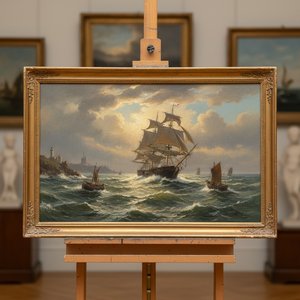
Henry Thomas Dawson: Navigating Light, Sea & Sentiment in Victorian Marine Painting
Explore the captivating world of Henry Thomas Dawson (1811-1878), a master of Victorian marine painting. Discover his evocative coastal scenes, landscapes & lasting artistic legacy. Learn about collecting Dawson's work and find reproductions at OriginalUniqueArt.
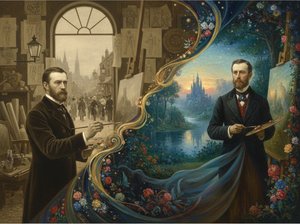
Thomas Edwin Mostyn: A Victorian Genre Painter's Journey from Realism to Romantic Enchantment
Discover the captivating world of Thomas Edwin Mostyn (1864-1930), a Victorian artist renowned for his romantic garden scenes and evocative portraits. Explore his artistic journey, legacy & find high-quality reproductions at OriginalUniqueArt.
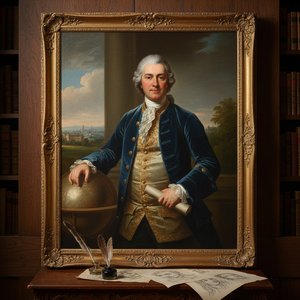
Thomas Hudson: A Study in 18th-Century Portraiture & British Artistic Identity
Explore the life & work of Thomas Hudson, a leading 18th-century British portraitist. Discover his mastery of the 'Grand Manner,' influential style, and lasting impact on British art. Learn about his notable portraits like Judge William Noel & Alexander Van Aken.

Thomas Stuart Smith: A Study in British Impressionism & the Poetic Landscape
Explore the captivating world of Thomas Stuart Smith (1815-1869), a Scottish painter bridging Romantic realism and British Impressionism. Discover his genre scenes, philanthropic legacy & stunning interiors.

The Hudson River School: A Definitive Guide to America's Romantic Landscape Tradition
Explore the profound legacy of the Hudson River School. Discover how masters like Thomas Cole captured the American sublime through Romanticism and Luminism. A definitive guide for art historians and collectors seeking to understand America's wild beauty.