Alternar para Impressão
 Ler mais







































 Para obras de arte ou reproduções com mais de 105 cm (aproximadamente 41 polegadas) em qualquer um dos lados, a moldura será enviada como um kit desmontado. Este método garante uma entrega segura e evita danos durante o transporte.


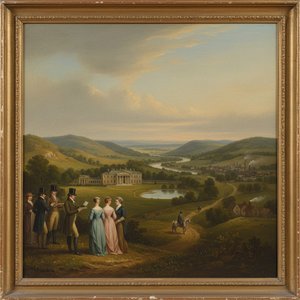
Caroline, Mrs Nathaniel Acton: Elegance Encapsulated in Rococo Pastel
Thomas Gainsborough’s “Caroline, Mrs Nathaniel Acton,” completed in 1758, stands as a quintessential exemplar of Rococo art – a style characterized by delicate ornamentation, pastel hues, and an emphasis on idealized beauty. This portrait captures Caroline Bathurst, Duchess of Norfolk, a woman renowned for her grace and charitable endeavors, presenting her within a meticulously crafted interior setting that speaks volumes about the social conventions of the era.
- Style: Rococo – Defined by its flowing lines, asymmetrical compositions, and opulent decorative elements. Gainsborough skillfully avoids harsh contrasts, favoring soft gradations of color to create an atmosphere of serenity and refinement.
- Technique: Oil on Canvas – Gainsborough employed a glazing technique, layering thin washes of pigment over each other to achieve luminous effects and subtle tonal variations. This meticulous approach ensures that every detail—from the lace trim adorning Caroline’s gown to the delicate floral arrangement—is rendered with exceptional accuracy.
- Historical Context: Painted during the reign of George II, “Caroline” reflects the prevailing aristocratic taste for portraying women as symbols of virtue and domestic harmony. The Duchess's pose – seated gracefully on a chaise lounge – embodies the ideals of feminine elegance and reinforces the importance of familial piety within the upper echelons of society.
Symbolism: Flowers Speak Volumes
The floral arrangement dominating the background is laden with symbolic significance. Roses, traditionally associated with love and passion, intertwine with lilies – emblems of purity and innocence—creating a harmonious visual dialogue that underscores Caroline’s moral character. Gainsborough's masterful use of color—primarily pinks and creams—further enhances this symbolism, conveying an aura of understated sophistication.
Note: The artist’s deliberate choice of floral motifs aligns perfectly with the broader artistic ethos of Rococo, where nature served as a conduit for expressing spiritual values and aesthetic ideals.Emotional Impact: A Portrait of Inner Grace
"Caroline, Mrs Nathaniel Acton" transcends mere representation; it aspires to evoke an emotional response in the viewer. Gainsborough’s gaze—direct yet gentle—captures Caroline's inner serenity, conveying a sense of dignified composure that belies the pressures of aristocratic life. The painting’s luminous palette and harmonious composition instill a feeling of tranquility and beauty, inviting contemplation on themes of virtue, compassion, and refined femininity.
Conclusion: Gainsborough’s masterpiece remains an enduring testament to the artistic achievements of the Rococo period—a captivating glimpse into the opulent world of Georgian aristocracy and a timeless celebration of feminine grace.Perguntas e Respostas
Para qual ambiente "Caroline, Mrs Nathaniel Acton", de Thomas Gainsborough é recomendado?
"Caroline, Mrs Nathaniel Acton", de Thomas Gainsborough é recomendado para um(a) Sala de Estar. Esta sugestão baseia-se no tema, nas cores e na atmosfera da obra.
Em que ano foi criado "Caroline, Mrs Nathaniel Acton", de Thomas Gainsborough?
"Caroline, Mrs Nathaniel Acton" data de 1758. A data situa a obra na carreira de Thomas Gainsborough e em sua época.
Qual é a orientação de "Caroline, Mrs Nathaniel Acton", de Thomas Gainsborough?
"Caroline, Mrs Nathaniel Acton", de Thomas Gainsborough possui um formato Orientação vertical. O formato descreve as proporções da composição.
 Visualizar na parede
 Compartilhar
 Compartilhar
 Detalhes
 Guia
Guia

 Baixar imagem
 Semelhantes
 Raio X
 Ver diaporama
 Q&A
Q&A Estatísticas