Contemporary Realism · 1874
Forgiven (Thomas Faed, 1874)
Thomas Faed (1826–1900) criou Forgiven. Data de 1874. Pertence ao movimento Contemporary Realism. É feito em Oil On Canvas. Está conservada no Guildhall Art Gallery, em Londres, Reino Unido. Mede 36 × 48 cm.
- 1874
- Oil On Canvas
- 36 × 48 cm
- Guildhall Art Gallery, Londres

 Visualizar na parede

 Pintura a Óleo Feita à Mão
 Compartilhar
 Compartilhar
 Ficha técnica


 Baixar imagem
 Semelhantes
 Raio X
 Ver diaporama
 Perguntas e Respostas

 Estatísticas
Forgiven, em resumo
- Título
- Forgiven
- Artista
- Thomas Faed (1826–1900)
- Artista nascido em
- Kirkcudbright, Reino Unido
- Data
- 1874
- Técnica
- Oil On Canvas
- Dimensões
- 36 × 48 cm
- Onde ver
- Guildhall Art Gallery, Londres, Reino Unido
- Movimento
- Contemporary Realism
- Período
- 19th Century
- Tema
- family portrait, domestic scene, victorian era, warmth, rural life, intimate moment
O que Forgiven retrata?
Identification of Forgiven by Thomas Faed
In this intimate oil on canvas, titled Forgiven, the Scottish artist Thomas Faed explores the quietude of domestic life. Created in 1874, the work offers a glimpse into the sentimental realism that defined much of Faed's career. The piece is modest in scale, measuring 36 x 48 cm, which encourages a close, personal encounter with the figures depicted.
Faed, born in 1826 in Gatehouse of Fleet, United Kingdom, possessed a particular sensitivity to the textures of everyday existence. Through Forgiven, he captures a specific moment of familial connection, utilizing the medium of oil to build a sense of warmth within a humble setting. The work remains a significant example of his ability to translate human emotion into a visual narrative.
The Composition and Visual Elements
The scene unfolds within a dimly lit, rustic interior, capturing a quiet moment of domesticity. At the center of the composition, a family group is gathered around a table, consisting of an older man, a woman, and a young child. The arrangement feels somewhat cluttered, with various objects scattered throughout the space to suggest a lived-in, humble setting. This density of detail creates a sense of immediacy, as if we have stumbled upon a private, unposed instance of daily life.
Lighting is used with great subtlety here. The primary source of illumination emanates from a fireplace located on the left side of the frame, casting soft light across the figures and creating deep shadows that provide a sense of volume. This interplay of light and shadow allows for a clear sense of depth, achieved through the careful layering of the figures and the surrounding furniture. The atmosphere remains somber and quiet, grounded by a color palette dominated by muted greens, browns, and grays.
Technique and Style
The work is executed in oil on canvas, utilizing a painterly technique that prioritizes the immediate sensation of the scene. You can see the visible brushstrokes throughout the composition, which lend a sense of immediacy to the domestic setting. The lines are predominantly organic and slightly loose, avoiding the rigid precision of more academic works. This approach allows the forms to settle into the space with a natural, unforced quality.
The lighting is subdued, emanating from a fireplace to the side, which has a profound effect on how the shapes are perceived. Because of this soft illumination, the edges of the figures and objects lack sharpness; instead, they appear somewhat softened, blending gently into the shadows. This creates a palpable sense of volume and depth within the rustic interior. You can feel the tactile nature of the environment through the way the paint is applied to the rough wooden surfaces and the heavy folds of the fabric.
Where to See This Work Today
You may find this work at the Guildhall Art Gallery in London, United Kingdom. It is part of the collection held by the City of London, England. The gallery is situated within the Moorgate area, offering a quiet space to observe the nuances of Faed's brushwork.
The museum itself is housed in a stone building designed in a semi-Gothic style. It provides a dignified setting for such intimate domestic scenes. If you find yourself in the city, the architecture of the gallery complements the historical weight of the pieces within its walls.
Related Works by Thomas Faed
To understand the breadth of Faed's output, one might look toward his earlier compositions, such as His Only Pair, which dates from about 1860. This period of his career also produced Listeners Ne'er Hear Any Good Of Themselves, a work that reflects his interest in the nuances of human interaction. His ability to handle narrative was further demonstrated in The Last of the Clan, completed in 1865. These pieces offer a glimpse into the development of his specific approach to genre painting and the quietude of domestic life.
Several of his most significant paintings are held in permanent collections, allowing for a deeper study of his technical skill. The Silken Gown is part of the collection at the Tate Gallery. In the Aberdeen Art Gallery, one can find both Highland Mary and The Reaper. These works, alongside celebrated pieces like The Motherless Bairn and Scott and His Literary Friends at Abbotsford, illustrate the range of his subject matter, from intimate studies to more expansive, literary-inspired scenes.
Em qual museu se encontra Forgiven?
Guildhall Art Gallery
Londres, Reino Unido
Uma Tapeçaria do Tempo: Onde o Esplendor Vitoriano Encontra Ecos Romanos No coração pulsante do histórico distrito da City, em Londres, a Guildhall Art Gallery oferece muito mais do que uma mera contemplação de telas; ela proporciona uma profunda jornada sensorial através das camadas da civilização humana. Entrar neste espaço é ingressar em um lugar onde a elegância refinada da era vitoriana respira ao lado das pedras rústicas e duradouras da Britânia Romana. Esta instituição singular alcança um feito raro no mundo dos museus, tecendo perfeitamente as pinceladas delicadas dos mestres do século XIX com os ecos tangíveis e subterrâneos de um império antigo.

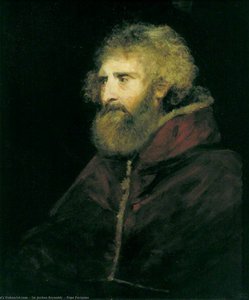

Imagens em alta resolução de Forgiven
Thomas Faed, Forgiven (1874), Guildhall Art Gallery. Domínio público.
Perguntas sobre Forgiven respondidas
Onde posso ver a obra original "Forgiven", de Thomas Faed?
A obra original "Forgiven" pode ser vista no Guildhall Art Gallery, Londres, Reino Unido.
Em que ano foi criado "Forgiven"?
"Forgiven", de Thomas Faed foi criado em 1874.
Qual é a técnica utilizada em "Forgiven", de Thomas Faed?
Thomas Faed utilizou a técnica de Oil On Canvas para "Forgiven". A técnica define a natureza material da obra original.
Quais são as dimensões de "Forgiven", de Thomas Faed na vida real?
A obra original "Forgiven", de Thomas Faed mede 36 x 48 cm.
O que representa "Forgiven"?
Os temas presentes em "Forgiven", de Thomas Faed incluem family portrait, domestic scene, victorian era, warmth, rural life, intimate moment, family bonds, soft lighting. Juntos, eles sintetizam o assunto da obra.
"Forgiven" está em domínio público?
"Forgiven", de Thomas Faed está em em domínio público — seus direitos autorais expiraram. Este status determina como a imagem da obra pode ser reproduzida.
Quem criou "Forgiven"?
"Forgiven" é atribuída a Thomas Faed.
A qual movimento artístico "Forgiven", de Thomas Faed pertence?
"Forgiven", de Thomas Faed pertence ao movimento Contemporary Realism. Este movimento fornece o contexto estilístico da obra.
A que período da carreira de Thomas Faed pertence "Forgiven"?
"Forgiven" representa o Mature Period de Thomas Faed.
Sobre o artista, Thomas Faed

1826–1900, Reino Unido
Thomas Faed
Um Legado de Sentimento Escocês Thomas Faed ocupa um lugar singular nos anais da arte escocesa, sendo frequentemente descrito com a profunda reverência que se poderia dedicar ao impacto de Robert Burns na canção escocesa. Nascido em Kirkcudbrightshire, no Barlay Mill, Faed fazia parte de uma notável família de criadores; seus irmãos James e John, juntamente com sua irmã Susan, compartilhavam essa profunda vocação artística. Sua vida de infância estava enraizada na belíssima e rústica paisagem de Galloway, um ambiente que, sem dúvida, informou o calor e a domesticidade encontrados em suas obras mais queridas. Após receber sua educação formal em artes na escola de design em Edimburgo, ele iniciou uma jornada que o levaria do coração da Escócia aos prestigiados estúdios de Londres.
Também de Thomas Faed
 Worn Out
 Highland Mary1857
 Faults on Both Sides1861
 The Doctor's Visit1889
Ensaios sobre Forgiven
 The Timeless Beauty of Oil on Canvas: A Masterclass in Texture, Impasto, and Artistic MasteryDiscover the profound allure of oil on canvas. Explore the mastery of impasto textures, the science of pigment longevity, and expert guides…
 Masterpieces of Quinten Metsys: The Top 25 Essential ArtworksExplore 25 iconic works by Quinten Metsys, the master of the Antwerp School. Discover his Flemish Renaissance gems on OriginalUniqueArt.com.
 Masterpieces of Realism: The Top 25 Artworks by Thomas EakinsExplore the top 25 masterpieces of American Realism by Thomas Eakins. Discover his iconic works and find curated art on OriginalUniqueArt.c…