Visualizar em escala
 Enviar
 Compartilhar
 Ver detalhes
 Guia de Obras do Aluno

 Baixar imagem
 Semelhantes
 Raio X
 Apresentação de slides
 Estatísticas
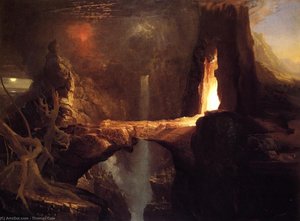
Romantic Landscape with Ruined Tower


 Ver mais
Giclée / Impressão de Arte
Impressão giclée ou em tela de qualidade de museu, com produção rápida e opções flexíveis de acabamento. ( Encomendar reprodução pintada à mão Ver Imagem Digital)




P118B €10

P118H €10

P118W €10

P438Z €10

P508JH €12

P508YH €12

P805H €10

P805Z €10

P919BZ €10

P919G €10

P919XJ €10

P959ZH €10

P968JZ €12

W106C €8

W218G €10

W218JH €8

W218Y €10

W307PJ €10

W316G €10

W316PJ €8

W316Y €10

W398PJ €8

W4111J €10

W500HY €15

W500JH €15

W692G €12

W849H €8

W940BG €15

W953PJ €8




Escolha entre os nossos tamanhos pré-definidos que respeitam as proporções originais da obra de arte.

Digite a largura e a altura de que necessita, para se ajustar à sua moldura ou à sua parede. Uma impressão só pode ser cortada, nunca ampliada além da imagem original, pelo que um tamanho com uma proporção diferente perderá parte da imagem. Enviamos-lhe uma maquete digital para aprovação antes de imprimirmos qualquer coisa. A imagem apresentada nesta página não mostra o corte real — apenas a maquete o faz.
Entrega mundial () em 2 semanas, em vez das 4/5 semanas padrão. (23 Outubro)

Envio expresso gratuito para todo o mundo

Tela de Linho Premium

Seguro de transporte total

Garantia de Reembolso de Impostos Alfandegários

Garantia de Fidelidade de Cor

Política de Devolução em 100 Dias (Apenas para Defeitos)

Garantia de reembolso de 100%

Desconto para múltiplas unidades
 A opção de vidro está disponível apenas para tamanhos inferiores a 110 cm

Romantic Landscape with Ruined Tower
Giclée / Impressão de Arte
Dimensões da Reprodução
-


Preço Total
€ 70
Romantic Landscape with Ruined Tower: A Vision of American Identity
- Thomas Cole’s “Romantic Landscape with Ruined Tower,” painted in 1836, is more than just a depiction of a serene vista; it's a foundational statement of American artistic identity. Created during the height of the Hudson River School movement, this oil painting embodies the Romantic sensibility – a profound connection to nature and an exploration of human experience within its grandeur. Cole, considered the founder of this influential school, sought not merely to record the beauty of the American wilderness but to imbue it with spiritual significance, reflecting the nation’s burgeoning sense of self.
- The scene itself is powerfully evocative. A crumbling tower, a poignant symbol of decay and lost grandeur, dominates the center, while a vast field stretches towards a body of water under a dramatically stormy sky. The inclusion of figures – engaged in quiet contemplation or simply absorbing the landscape’s majesty – adds a layer of human scale to this monumental scene, inviting the viewer to consider their own place within nature's order.
Masterful Technique and Atmospheric Depth
- Cole’s technical skill is immediately apparent in his masterful use of light and color. The stormy sky isn't simply a backdrop; it’s a dynamic force, casting dramatic shadows across the landscape and creating a palpable sense of atmosphere. His brushstrokes are loose yet confident, skillfully layering colors to achieve remarkable depth and realism – a hallmark of the Hudson River School’s approach.
- The artist’s attention to detail is equally impressive. From the textures of the weathered stone in the ruined tower to the subtle reflections on the water's surface, every element contributes to the painting’s immersive quality. This meticulous rendering wasn’t about photographic accuracy; it was about capturing the *feeling* of a place – its power, its beauty, and its inherent mystery.
Symbolism and Historical Context
- “Romantic Landscape with Ruined Tower” is rich in symbolism. The ruined tower itself represents the decline of empires and the transience of human ambition, a theme frequently explored by Romantic artists. The vastness of the landscape speaks to America’s boundless potential, while the figures suggest humanity's relationship with nature – a blend of awe, respect, and perhaps even vulnerability.
- Painted in 1836, this work reflects a pivotal moment in American history. The nation was grappling with questions of identity, expansion, and its place in the world. Cole’s landscapes offered a powerful visual narrative, reinforcing the idea that America's strength lay not in European traditions but in its own unique wilderness – a source of spiritual renewal and national pride.
Owning a Piece of American Art History
- Handmade oil painting reproductions of “Romantic Landscape with Ruined Tower” offer art enthusiasts the opportunity to bring this iconic work into their homes or offices. Each reproduction is meticulously crafted using traditional techniques, ensuring that it captures the essence and emotional impact of Cole’s original masterpiece.
- More than just a decorative object, this reproduction represents a connection to American artistic heritage – a testament to Thomas Cole's vision and his enduring legacy as the founder of the Hudson River School. It is an investment in beauty, history, and the power of art to inspire awe and wonder.
Perguntas e Respostas
"Romantic Landscape with Ruined Tower" está livre de direitos autorais?
Quanto aos direitos autorais, "Romantic Landscape with Ruined Tower" está em em domínio público - seus direitos autorais expiraram.
Qual é o tom emocional de "Romantic Landscape with Ruined Tower" de Thomas Cole?
"Romantic Landscape with Ruined Tower" de Thomas Cole transmite um tom emocional Melancholic.
De qual país é a obra do Hudson River School "Romantic Landscape with Ruined Tower"?
A obra do Hudson River School "Romantic Landscape with Ruined Tower" foi realizada por um artista nascido em Reino Unido.
Biografia do Artista
A Pioneer of American Landscape Painting
Thomas Cole, a name inextricably linked to the birth of distinctly American art, stands as a pivotal figure in 19th-century painting. Born in Bolton le Moors, Lancashire, England, in 1801, his early life offered little indication of the profound impact he would have on the artistic landscape. Emigrating to the United States with his family in 1818 and settling in Ohio, Cole’s journey was one of self-discovery and artistic awakening. Initially working as an itinerant portrait painter—a common trade at the time—he soon found himself drawn to the untamed beauty of the American wilderness. This shift wasn't merely a change in subject matter; it represented a fundamental divergence from European artistic traditions, which often focused on historical or mythological narratives. Cole’s landscapes weren’t simply depictions of scenery; they were imbued with a spiritual and allegorical depth that resonated deeply with a nation forging its own identity. His move to Catskill, New York, in 1825 proved transformative, providing him with both inspiration and a permanent base from which to explore the surrounding Hudson River Valley—a region that would become inextricably linked with his artistic legacy.The Hudson River School and Romantic Ideals
Cole is rightfully regarded as the founder of the Hudson River School, an art movement characterized by its romantic portrayal of the American landscape. However, to label him simply a “landscape painter” feels inadequate. His work transcended mere representation; it was deeply philosophical, often exploring themes of humanity’s relationship with nature, the passage of time, and the rise and fall of civilizations. Influenced by European Romanticism—particularly the works of Claude Lorrain and J.M.W. Turner—Cole adapted these sensibilities to an American context. Where European Romantics often depicted dramatic, sublime landscapes as a reflection of inner turmoil, Cole’s paintings frequently conveyed a sense of optimism and divine presence within the natural world. He saw in the vastness of the American wilderness a symbol of national potential and spiritual renewal. The Oxbow (1836), perhaps his most iconic work—a sweeping vista capturing the dramatic contrast between the wild, untamed river valley and the cultivated farmlands—perfectly exemplifies this vision. It represents both the promise and the challenges of westward expansion, reflecting a deep connection to the land and a contemplation of America’s future.Allegory and The Course of Empire
While celebrated for his realistic depictions of nature, Cole’s artistic ambition extended beyond pure landscape painting. He frequently employed allegory to convey complex moral and philosophical ideas. This is most powerfully demonstrated in his monumental series The Course of Empire, created between 1833 and 1836. Comprising five canvases—"Savage State," "Pastoral State," "Arcadian State," "Consummation," and “Destruction”—the series traces the cyclical history of a civilization, from its pristine origins to its inevitable decline. The paintings are not merely historical narratives; they serve as cautionary tales about the dangers of unchecked ambition and the fragility of human achievement. The Course of Empire resonated deeply with contemporary audiences, reflecting anxieties about the rapid industrialization and westward expansion that were transforming the American landscape. It cemented Cole’s reputation as a visionary artist capable of addressing profound societal concerns through his art.A Life Shaped by Observation and Legacy
Cole's early life in England instilled in him a deep appreciation for nature, which he carried with him to America. His initial work as a portrait painter provided valuable technical skills, but it was his encounter with the American wilderness that truly ignited his artistic passion. He meticulously studied the landscapes of the Hudson River Valley, capturing their light, color, and atmosphere with remarkable detail. He wasn’t simply copying what he saw; he was interpreting it through the lens of his own philosophical and spiritual beliefs. Cole's dedication to observation and his ability to infuse his paintings with symbolic meaning set him apart from many of his contemporaries. He mentored several young artists, including Frederic Edwin Church, who would go on to become one of the most celebrated figures of the Hudson River School. Cole’s influence extended beyond painting; he was a prolific writer and thinker, articulating a compelling vision for American art that emphasized originality, spirituality, and a deep connection to the natural world. His legacy continues to inspire artists and nature enthusiasts today, ensuring that his contribution to American culture will endure for generations to come.- Cole’s work is housed in major museums across the United States, including the New-York Historical Society, the National Gallery of Art in Washington D.C., and the Smithsonian American Art Museum.
- His paintings are not merely historical artifacts; they remain powerfully evocative and relevant today, prompting viewers to contemplate their own relationship with nature and the enduring questions about humanity’s place in the world.
- The Thomas Cole National Historic Site in Catskill, New York, preserves his home and studio, offering visitors a glimpse into the life and work of this remarkable artist.

Thomas Cole
1801 - 1848 , Reino Unido
Informações Rápidas
- Artistic Movement Or Style: Escola do Rio Hudson
- Artists Or Movements Influenced By This Artist:
- Asher B. Durand
- Frederic Edwin Church
- Date Of Birth: 1 de fevereiro de 1801
- Date Of Death: 11 de fevereiro de 1848
- Full Name: Thomas Cole
- Nationality: Americano
- Notable Artworks:
- The Course of Empire
- A Oxbow
- Vista de Etna
- Place Of Birth: Bolton, Reino Unido
Artigos Relacionados

Robert Spencer: Luminism, Narrative & the American Landscape Tradition
Explore the captivating world of Luminism & the Hudson River School with our expert analysis. Discover the history, artists, and enduring beauty of 19th-century American landscape painting. Find museum-quality reproductions at OriginalUniqueArt.
The Sublime Landscape: Exploring the Hudson River School Movement
Explore the captivating world of the Hudson River School! Discover the history, artists, and defining characteristics of this iconic American art movement. Learn about Romanticism's influence & find inspiration for your collection.
As 10 Obras-Primas que Definiram a Escola do Rio Hudson | Arte e Decoração de Luxo
Descubra as 10 obras-primas da Escola do Rio Hudson! Explore a beleza das paisagens americanas de Thomas Cole, Frederic Church e outros mestres. Encontre reproduções de arte exclusivas para decorar sua casa com elegância em OriginalUniqueArt.com.
Epic Landscapes & Wild Nature: The Power of the Hudson River School's Sublime Artistry
Explore the breathtaking power of the Hudson River School. Journey through epic American landscapes, from Thomas Cole's sublime vistas to Luminist light, and discover how these timeless masterpieces continue to inspire modern collectors and art lovers worldwide.

Os 10 Mestres da Paisagem Romântica: Arte para Inspirar a Sua Casa
Descubra os 10 quadros mais emblemáticos da Paisagem Romântica! Explore a história de Turner, Friedrich e outros mestres. Encontre reproduções de arte exclusivas para inspirar sua decoração em OriginalUniqueArt.com.