Hudson River School · 1847
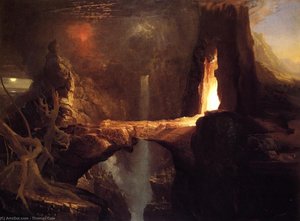
Prometheus Bound (Thomas Cole, 1847)
Thomas Cole (1801–1848) criou Prometheus Bound. Data de 1847. Pertence ao movimento Hudson River School. É feito em Oil. Está conservada no Fine Arts Museums of San Francisco, em São Francisco, Estados Unidos da América. Mede 162 × 243 cm.
- 1847
- Oil
- 162 × 243 cm
- Fine Arts Museums of San Francisco, São Francisco

 Visualizar na parede

 Pintura a Óleo Feita à Mão
 Compartilhar
 Compartilhar
 Ficha técnica


 Baixar imagem
 Semelhantes
 Raio X
 Ver diaporama
 Perguntas e Respostas

 Estatísticas
Prometheus Bound, em resumo
- Título
- Prometheus Bound
- Artista
- Thomas Cole (1801–1848)
- Artista nascido em
- Bolton, Reino Unido
- Data
- 1847
- Técnica
- Oil
- Dimensões
- 162 × 243 cm
- Onde ver
- Fine Arts Museums of San Francisco, São Francisco, Estados Unidos da América
- Movimento
- Hudson River School
- Tema
- landscape, prometheus, mythology, mountains, allegory, romanticism
O que Prometheus Bound retrata?
The Weight of Myth: Thomas Cole’s “Prometheus Bound”
Thomas Cole's "Prometheus Bound," painted in 1847, isn’t merely a landscape; it’s a profound meditation on defiance, punishment, and the enduring human spirit. This monumental canvas, now residing within the Fine Arts Museums of San Francisco, transcends its subject matter to become a powerful allegory for the struggles inherent in challenging authority and forging one's own destiny. Cole, a pivotal figure in the Hudson River School movement, masterfully blends Romanticism with an underlying moral urgency, creating an image that continues to resonate deeply with viewers today.
The scene depicts Prometheus, chained to a towering rock formation amidst a desolate, snow-laden mountainscape. The composition is strikingly dramatic – a vast expanse of jagged peaks dominates the background, dwarfing the solitary figure of the Titan and emphasizing his isolation and vulnerability. A vulture circles overhead, a constant reminder of Zeus’s relentless retribution, while a subtle hint of Jupiter, the Roman equivalent of Zeus, watches from above, embodying the cold indifference of divine power. Cole's use of light is particularly masterful; a diffused, almost ethereal glow illuminates the scene, casting long shadows and creating an atmosphere of both grandeur and despair. The color palette—primarily cool blues, grays, and whites—reinforces this sense of bleakness, punctuated by the fiery red underpaint used to render the snow-covered mountains – a deliberate choice that subtly hints at Prometheus’s stolen fire.
A Myth Made Manifest: Exploring the Narrative
The painting draws directly from Aeschylus's Greek tragedy, “Prometheus Bound,” a story of rebellion against the gods. Prometheus, in this narrative, is not simply a titan but a symbol of humanity’s relentless pursuit of knowledge and progress. He steals fire from Mount Olympus, gifting it to mankind – an act of defiance that ultimately earns him eternal torment at the hands of Zeus. Cole doesn't shy away from the brutality of the punishment; the stark depiction of Prometheus’s chains and the looming threat of the vulture vividly convey the weight of his transgression. However, within this scene of suffering, there is also a palpable sense of resilience. Prometheus’s gaze, fixed upon the viewer, exudes an almost defiant serenity—a refusal to succumb to despair.
The inclusion of the chorus, comprised of figures emerging from the depths of the mountains, adds another layer of complexity to the narrative. They represent the forces of nature, witnesses to Prometheus's plight, and perhaps even a subtle acknowledgment of his heroic struggle. Their hesitant approach, marked by curiosity and apprehension, suggests that even those seemingly untouched by divine wrath recognize the significance of Prometheus’s actions.
The Hudson River School: A New American Vision
“Prometheus Bound” is a quintessential example of the Hudson River School's artistic philosophy. Unlike earlier European landscape paintings that often focused on idyllic pastoral scenes, Cole sought to capture the raw power and sublime beauty of the American wilderness. He employed a technique known as “atmospheric perspective,” subtly blurring distant elements to create a sense of depth and vastness. This approach wasn’t simply about replicating reality; it was about conveying an emotional response—a feeling of awe and reverence for nature's grandeur.
Cole’s work also reflects the burgeoning American identity of the mid-19th century, grappling with themes of independence, self-reliance, and the relationship between humanity and the natural world. The painting can be interpreted as a metaphor for America’s own struggle to assert its sovereignty against established powers – a sentiment particularly relevant in the context of westward expansion and the nation's growing tensions with European empires.
A Timeless Masterpiece: Reproduction & Beyond
Reproductions of “Prometheus Bound” offer an exceptional opportunity to bring this powerful image into any setting. The meticulous detail, evocative atmosphere, and profound symbolism ensure that a high-quality reproduction will serve as both a beautiful work of art and a compelling conversation piece. Consider framing the artwork in a manner that complements its dramatic scale and reinforces its thematic resonance – perhaps within a contemporary interior space to juxtapose the ancient myth with modern life.
For those seeking an authentic experience, exploring the original painting at the Fine Arts Museums of San Francisco is highly recommended. It’s a truly immersive encounter with one of America's most significant artistic achievements—a testament to Thomas Cole’s genius and a timeless exploration of human courage in the face of overwhelming adversity.
Em qual museu se encontra Prometheus Bound?
Fine Arts Museums of San Francisco
São Francisco, Estados Unidos da América
A História dos Fine Arts Museums of San Francisco A trajetória dos Fine Arts Museums of San Francisco teve o seu início com a fundação da instituição em 1871. Ao longo das décadas, este legado expandiu-se através da abertura do de Young Museum, em 1895, e da Legion of Honor, em 1924. Durante várias décadas, estas duas entidades distintas operaram de forma independente, até que, em 1972, foram formalmente unificadas sob a liderança de Ian McKibbin White, consolidando uma visão artística partilhada.


Imagens em alta resolução de Prometheus Bound

Thomas Cole, Prometheus Bound (1847), Fine Arts Museums of San Francisco. Domínio público.
Perguntas sobre Prometheus Bound respondidas
Onde posso ver a obra original "Prometheus Bound", de Thomas Cole?
A obra original "Prometheus Bound", de Thomas Cole encontra-se no Fine Arts Museums of San Francisco, São Francisco, Estados Unidos da América. Uma reprodução permite que a obra seja exibida em sua casa.
Em que ano foi criado "Prometheus Bound", de Thomas Cole?
"Prometheus Bound", de Thomas Cole foi criado em 1847.
De que técnica é feita a obra "Prometheus Bound"?
Thomas Cole utilizou a técnica de Oil para "Prometheus Bound". A técnica define a natureza material da obra original.
Quais são as dimensões da obra original "Prometheus Bound", de Thomas Cole?
A obra original "Prometheus Bound", de Thomas Cole mede 243 x 162 cm.
O que "Prometheus Bound", de Thomas Cole retrata?
Os temas de "Prometheus Bound" são landscape, prometheus, mythology, mountains, allegory, romanticism, wilderness.
"Prometheus Bound", de Thomas Cole está em domínio público?
Quanto aos direitos autorais, "Prometheus Bound" está em em domínio público — seus direitos autorais expiraram.
A qual artista "Prometheus Bound" é atribuída?
O artista por trás de "Prometheus Bound" é Thomas Cole. A obra está catalogada sob o nome de Thomas Cole.
A qual movimento artístico "Prometheus Bound", de Thomas Cole pertence?
"Prometheus Bound", de Thomas Cole pertence ao movimento Hudson River School. Este movimento fornece o contexto estilístico da obra.
A que fase da trajetória de Thomas Cole "Prometheus Bound" pertence?
Dentro da trajetória de Thomas Cole, "Prometheus Bound" pertence ao período Late Period. Esta fase permite compará-la com outras obras do artista.
Sobre o artista, Thomas Cole

1801–1848, Reino Unido
Thomas Cole
A Vida e a Arte de Thomas Cole Nascido em 1º de fevereiro de 1801, em Bolton le Moors, Lancashire, Inglaterra, Thomas Cole iniciou sua jornada longe das paisagens que, eventualmente, definiriam seu nome. Sua família emigrou para os Estados Unidos em 1818, em busca de um novo começo em uma terra de territórios vastos e inexplorados. Naqueles primeiros anos, ele foi um homem de múltiplos ofícios, trabalhando como gravador e, mais tarde, encontrando um sustento estável como pintor de retratos a partir de 1822. Em grande parte autodidata, ele desenvolveu seu olhar através da observação meticulosa e do estudo de livros, distanciando-se do rigor do treinamento acadêmico formal.
Também de Thomas Cole
 O Oxbow
 O sonho do arquiteto1840
 Expulsão. Lua e Luzes Crepusculares1828
 Vista de Florença desde San Miniato1837

Ensaios sobre Prometheus Bound
 Masterpieces of Light: The Top 25 Artworks by Duccio di BuoninsegnaJourney through the Sienese brilliance of Duccio di Buoninsegna. Explore 25 iconic masterpieces, from the Rucellai Madonna to the Maestà, f…
 Nature's Nation: The Hudson River School and the Art of the American SublimeExplore the spiritual depth of the Hudson River School through its masters. Discover the power of the American Sublime today.
 Os 10 Grandes Mestres do Renascimento: Arte, História e Decoração ExclusivaDescubra os 10 maiores ícones da Alta Renascença! Explore a história, técnica e beleza de obras de Leonardo da Vinci, Michelangelo e Rafael…