Tamanho do texto

() ·

Uma pintura feita para você, à mão

Maria Sethe at the Harmonium

Reprodução em Óleo Feita à Mão

Óleo sobre tela pintado à mão no tamanho e moldura de sua escolha, feito sob encomenda pelos nossos artistas. ( Alternar para Impressão Alternar para Imagem Digital)

Descrição do Item

Experience Theo van Rysselberghe's luminous Neo-Impressionist masterpiece, ‘Maria Sethe at the Harmonium,’ capturing serene beauty with meticulous pointillism and a cozy domestic atmosphere.

Biografia do Artista

Descubra as vibrantes pinturas neoimpressionistas de Théo van Rysselberghe! Explore seus paisagens, retratos e cenas marroquinas – uma figura-chave dos Les XX, misturando luz e cor.

de ·

Capítulo 1

Qual deve ser o tamanho?

Deslize para alterar o tamanho; a imagem à esquerda mostra a moldura em sua largura real. As proporções originais são mantidas.

Tamanho padrão
personalizado
CM
INCH

Escolha entre os nossos tamanhos pré-definidos que respeitam as proporções originais da obra de arte.

largura
altura

Insira a largura e a altura desejadas para se ajustarem à sua moldura ou parede. Como esta obra é pintada à mão, para um tamanho com proporções diferentes, o artista poderá pintar um pouco mais ao redor da imagem ou reduzir ligeiramente a composição — você escolhe. Enviamos uma maquete digital para sua aprovação antes de iniciar a pintura. A imagem exibida nesta página não representa o resultado real — apenas a maquete mostra o resultado final.

Capítulo 2

Como deve chegar?

Escolha as bordas da tela esticada

Escolha sua moldura

Corner sample of the WhiteWrap canvas edge finish, stretched on madeira maciça bars
Branco €1
Corner sample of the BlurSideWrap canvas edge finish, stretched on madeira maciça bars
Bordas esfumaçadas €1
Corner sample of the ExtendedWrap canvas edge finish, stretched on madeira maciça bars
Bordas estendidas €1
Corner sample of the P118B picture frame: poliestireno moldado, 5 cm wide and 3 cm thick
P118B €10
Corner sample of the P118H picture frame: poliestireno moldado, 5 cm wide and 3 cm thick
P118H €10
Corner sample of the P118W picture frame: poliestireno moldado, 5 cm wide and 3 cm thick
P118W €10
Corner sample of the P438Z picture frame: poliestireno moldado, 5.5 cm wide and 3.5 cm thick
P438Z €10
Corner sample of the P508JH picture frame: poliestireno moldado, 7 cm wide and 3.5 cm thick
P508JH €12
Corner sample of the P508YH picture frame: poliestireno moldado, 7 cm wide and 3.5 cm thick
P508YH €12
Corner sample of the P805H picture frame: poliestireno moldado, 5 cm wide and 3.5 cm thick
P805H €10
Corner sample of the P805Z picture frame: poliestireno moldado, 5 cm wide and 3.5 cm thick
P805Z €10
Corner sample of the P919BZ picture frame: poliestireno moldado, 7 cm wide and 3.5 cm thick
P919BZ €10
Corner sample of the P919G picture frame: poliestireno moldado, 7 cm wide and 3.5 cm thick
P919G €10
Corner sample of the P919XJ picture frame: poliestireno moldado, 7 cm wide and 3.5 cm thick
P919XJ €10
Corner sample of the P959ZH picture frame: poliestireno moldado, 5 cm wide and 3 cm thick
P959ZH €10
Corner sample of the P968JZ picture frame: poliestireno moldado, 6 cm wide and 4 cm thick
P968JZ €12
Corner sample of the W106C picture frame: madeira maciça, 5 cm wide and 3 cm thick
W106C €8
Corner sample of the W218G picture frame: madeira maciça, 5 cm wide and 3 cm thick
W218G €10
Corner sample of the W218JH picture frame: madeira maciça, 5 cm wide and 3 cm thick
W218JH €8
Corner sample of the W218Y picture frame: madeira maciça, 5 cm wide and 3 cm thick
W218Y €10
Corner sample of the W307PJ picture frame: madeira maciça, 6 cm wide and 3 cm thick
W307PJ €10
Corner sample of the W316G picture frame: madeira maciça, 6 cm wide and 3 cm thick
W316G €10
Corner sample of the W316PJ picture frame: madeira maciça, 6 cm wide and 3 cm thick
W316PJ €8
Corner sample of the W316Y picture frame: madeira maciça, 6 cm wide and 3 cm thick
W316Y €10
Corner sample of the W398PJ picture frame: madeira maciça, 5 cm wide and 3 cm thick
W398PJ €8
Corner sample of the W4111J picture frame: madeira maciça, 6.5 cm wide and 3.5 cm thick
W4111J €10
Corner sample of the W500HY picture frame: madeira maciça, 7 cm wide and 5 cm thick
W500HY €15
Corner sample of the W500JH picture frame: madeira maciça, 7 cm wide and 5 cm thick
W500JH €15
Corner sample of the W692G picture frame: madeira maciça, 8 cm wide and 4 cm thick
W692G €12
Corner sample of the W849H picture frame: madeira maciça, 5 cm wide and 3 cm thick
W849H €8
Corner sample of the W940BG picture frame: madeira maciça, 7.5 cm wide and 4.5 cm thick
W940BG €15
Corner sample of the W953PJ picture frame: madeira maciça, 6 cm wide and 3.5 cm thick
W953PJ €8
Corner sample of the H24-GOLD picture frame: madeira entalhada com gesso, 10 cm wide and 6 cm thick
H24-GOLD €30
Corner sample of the H24-SILVER picture frame: madeira entalhada com gesso, 10 cm wide and 6 cm thick
H24-SILVER €30
Corner sample of the H36-GOLD picture frame: madeira entalhada com gesso, 15 cm wide and 6.5 cm thick
H36-GOLD €45
Corner sample of the H36-SILVER picture frame: madeira entalhada com gesso, 15 cm wide and 6.5 cm thick
H36-SILVER €45
Prévia da moldura
Com moldura

Moldura: . Dimensões totais com a moldura: .

Capítulo 3

Quem o pinta, e deveria algo mudar?

Exemplos do que pode ser alterado: Substituir o rosto pela foto do cliente; Adicionar um animal de estimação (ex: substituir gato por cachorro); Incluir uma mensagem oculta no fundo; Alterar a paisagem ou elementos do fundo.
Após o pedido, a equipe da OriginalUniqueArt.com enviará um e-mail ao cliente para instruções e fornecerá uma prévia da montagem

Entrega mundial () em 3 a 4 semanas, em vez das 5 semanas padrão. (6 Novembro). Sem comprometer a qualidade.

Capítulo 4

Os retoques finais

Uma placa de identificação, como em um museu?

Detalhes da Placa de Bronze Gravada

This elegant plaque features the artist's name and the title of the artwork, finely engraved for a timeless presentation.

It is made from bronze with a refined, elegant finish. The text is precisely laser-engraved for a sharp and permanent result. Measuring 9x2 cm, the plaque is compact yet easy to read. It's built to be durable and scratch-resistant, offering a professional, museum-quality look. Mounting is simple thanks to the included adhesive backing.

Detalhes da Placa de Acrílico Transparente

The plaque includes essential engraved details such as the artist's name, the title of the artwork, the date it was created, the type of media used-like oil on canvas or watercolor-a brief description of the piece, and a QR code that links to the complete artwork information.

It is crafted from clear acrylic, offering a sleek, modern appearance. The text is UV-engraved in black to ensure strong visual contrast. With a size of 10x15 cm, it ensures optimal readability. It comes equipped with two metal hooks for secure wall mounting. The plaque is designed to be weather-resistant, making it suitable for various environments, and it includes interactive features that work seamlessly with smartphone scanning.

Detalhes da Placa de Acrílico Preto

This elegant plaque includes engraved information such as the artist's name, the title of the artwork, the date it was created, the type of media used (like oil on canvas or watercolor), a short description of the artwork, and a QR code for quick access to more information.

The plaque itself is made from refined black acrylic with a premium finish. The text is laser-engraved in white for high contrast and readability. Its size is 10x15 cm, designed to be easy to read. It comes with two metal hooks for professional mounting. The design is sleek and fits any interior style. It is also weather-resistant and durable, with built-in digital integration for mobile compatibility.

Um verniz protetor?

Para quando você precisa?

Capítulo 5

A sua pintura, conforme encomendada

Maria Sethe at the Harmonium

Técnica de Reprodução

Tamanho da Reprodução

-

Artista Sênior de Elite

Mais detalhes, refinamento e tempo de produção adicional

-

Moldura para Reprodução

-

-

Para obras de arte ou reproduções com mais de 105 cm (aproximadamente 41 polegadas) em qualquer um dos lados, a moldura será enviada como um kit desmontado. Este método garante uma entrega segura e evita danos durante o transporte.

Montagem profissional necessária — este não é um produto DIY (faça você mesmo).
O kit deve ser montado e a tela esticada por um profissional de molduraria experiente, utilizando cola de madeira (não inclusa), um alicate de esticar tela e grampos para manter as travessas alinhadas enquanto a cola seca. A montagem incorreta ou a tensão desigual da tela podem danificar permanentemente a obra de arte e não estão cobertas pela nossa garantia.

  • Todas as barras de madeira maciça estão incluídas, precisamente cortadas ao tamanho certo.

  • Montado com os parafusos fornecidos, além de cola para madeira para as junções dos cantos, que não está inclusa e deve ser providenciada pelo seu moldurista.

  • São necessárias ferramentas profissionais não incluídas: um alicate de estiramento de tela (esticador) e grampos para manter as ripas alinhadas enquanto a cola seca.

Importante:
As junções dos cantos requerem cola para madeira, as ripas devem ser mantidas com grampos até que a cola esteja completamente seca, e o estiramento da tela na moldura montada requer um alicate de esticar tela. Nenhum destes itens está incluído no kit. Por favor, certifique-se de contar com um profissional de molduraria experiente antes de encomendar este tamanho.

Etiqueta de identificação

-

-

Verniz de Proteção

Verniz brilhante (realça as cores e protege contra a luz e a umidade)

-

Personalizar minha obra

Exemplos de alterações possíveis: Substituir o rosto por uma foto do cliente; Adicionar um animal de estimação (ex.: substituir gato por cachorro); Incluir uma mensagem oculta no fundo; Alterar a paisagem ou os elementos do fundo.

-

Urgente

Entrega mundial () em 3 a 4 semanas, em vez das 5 semanas padrão. (6 Novembro). Sem comprometer a qualidade.

-

Envio Expresso

Entrega mundial para em 5 semanas. (13 Novembro).

Com envio incluído

Preço Total

€ 268

Preço Total € 268

A opção de vidro está disponível apenas para tamanhos inferiores a 110 cm

Incluído em todos os pedidos

  • Envio expresso gratuito para todo o mundo
  • Tela de Linho de Alta Qualidade
  • Seguro de transporte completo
  • Garantia de Reembolso de Impostos Alfandegários
  • Garantia de Fidelidade Cromática
  • Política de Devolução em 100 Dias (Apenas para Defeitos)
  • Garantia de reembolso de 100%
  • Oferta de desconto por quantidade

A Symphony of Light and Stillness

In the quiet corners of late nineteenth-century European art, few works capture the delicate intersection of domestic peace and intellectual depth as poignantly as Théo van Rysselberghe’s 1891 masterpiece, Maria Sèthe at the Harmonium. This oil on canvas is far more than a mere portrait; it is an immersive experience that invites the viewer into a moment of profound, silent contemplation. The scene depicts a woman, Maria Sèthe, seated before the harmonium, her gaze drifting upward as if caught in the middle of a musical thought or a sudden, beautiful realization. There is a palpable sense of stillness in the room, an atmosphere where time seems to slow down, allowing the soft light of a Belgian afternoon to dance across the surfaces of a private, scholarly sanctuary.

The setting itself tells a story of a life enriched by both art and intellect. Surrounded by the comforting presence of books and the gentle touch of nature provided by a vase of flowers, the room exudes a sophisticated yet cozy ambiance. For the discerning collector or interior designer, this painting offers a unique emotional anchor—a piece that brings a sense of tranquility, warmth, and cultured refinement to any space. It is an artwork that does not demand attention through loud colors or dramatic action, but rather earns it through a subtle, luminous grace that rewards prolonged observation.

The Magic of the Pointillist Dot

To look closely at this work is to witness the revolutionary spirit of Neo-Impressionism. Van Ryssebheghe, heavily inspired by the groundbreaking methods of Georges Seurat and Paul Signac, employs the technique of Pointillism to breathe life into the canvas. Rather than traditional blending, the artist meticulously applies tiny, distinct dots of pure pigment side by side. This scientific approach to color relies on the viewer's eye to perform an optical blend, creating a shimmering, vibrating effect that mimics the true behavior of light. In Maria Sèthe at the Harmonium, this technique is used to extraordinary effect; the woman’s dress, rendered in muted ochre and mauve, seems to catch a subtle, internal glow, while the textures of the wooden instrument and the surrounding shadows possess a luminous depth that feels almost tactile.

This painstaking method requires immense patience and precision, resulting in a surface that feels alive with energy despite the subject's outward stillness. The way the light scatters across the scene—simulating the soft diffusion of sunlight through a window—creates a sense of atmosphere that is both ethereal and grounded. For those seeking a high-quality reproduction, capturing this specific optical vibration is essential, as it is the very soul of the painting, transforming a static domestic scene into a breathing, luminous window into the past.

A Legacy of Elegance for the Modern Interior

Beyond its technical brilliance, the painting serves as a bridge between the traditional realism of the Academy and the modern fascination with light and perception. Van Rysselberghe’s ability to infuse a portrait with such symbolic resonance—suggesting an intellectual pursuit through the presence of books and a musical soul through the harmonium—makes this work a timeless addition to any curated collection. It embodies a period of European history where the domestic sphere was a site of profound cultural cultivation.

Integrating a reproduction of this masterpiece into a contemporary interior design scheme offers an opportunity to introduce narrative depth and historical prestige. Whether placed in a sunlit reading nook or as a focal point in a formal living area, the painting’s soft palette and serene subject matter provide a calming influence. It is an ideal choice for those who appreciate art that speaks of quiet sophistication, offering a sophisticated touch of Belgian Neo-Impressionism that remains as captivating today as it was in 1891.

Perguntas e Respostas

"Maria Sethe at the Harmonium", de Théo van Rysselberghe é uma obra de tons claros ou escuros?

"Maria Sethe at the Harmonium", de Théo van Rysselberghe apresenta um brilho de bright, com uma luminância de Gentle Luminance.

Que humor e emoção se unem em "Maria Sethe at the Harmonium"?

A atmosfera de "Maria Sethe at the Harmonium", de Théo van Rysselberghe é Serene, e seu tom emocional é Reflective.

De que forma o tema de "Maria Sethe at the Harmonium" se relaciona com os temas habituais de Théo van Rysselberghe?

Entre os temas recorrentes de Théo van Rysselberghe — light exploration, neo-impressionist style, musical contemplation, artist’s legacy, symbolic harmony — "Maria Sethe at the Harmonium" traz seu próprio foco em harmonium, woman, piano, interior, music, light, color.

Saiba mais sobre esta pintura

Visualizar na parede Visualizar em RA Alternar para Impressão Alternar para Imagem Digital Compartilhar
Detalhes Guia Adicionar aos favoritos Baixar imagem Semelhantes Raio X Ver diaporama Perguntas e Respostas Estatísticas

Em números

  • 1891o ano em que foi pintada
  • 29molduras para escolher
  • tamanhos padrão, em suas próprias proporções
  • 5semanas para pintar e entregar
Théo van Rysselberghe

Théo van Rysselberghe

1862 - 1926, Bélgica

Informações rápidas sobre Théo van Rysselberghe

  • Artistic Movement Or Style: Neo-Impressionismo
  • Artists Or Movements Influenced By This Artist:
    • Les XX
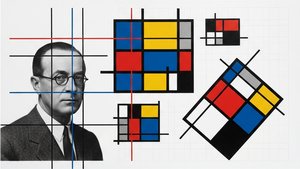
    • Piet Mondrian
  • Artists Who Influenced This Artist:
    • Georges Seurat
    • Paul Signac
  • Date Of Birth: 23 Nov 1862
  • Date Of Death: 13 Dez 1926
  • Full Name: Théophile van Rysselberghe
  • Nationality: Bélgica
  • Notable Artworks:
    • Arabian Phantasia
    • Madame Charles Maus
  • Place Of Birth: Gante, Bélgica

Biografia do Artista

A Pioneer of Light: The Life and Art of Théo van Rysselberghe

Théophile “Théo” van Rysselberghe, born in Ghent, Belgium, in 1862, stands as a pivotal figure bridging the vibrant currents of Impressionism and the groundbreaking principles of Neo-Impressionism. His artistic journey wasn’t defined by immediate stylistic allegiance but rather by a continuous exploration fueled by travel, intellectual exchange, and an unwavering dedication to capturing the essence of light itself. Rooted in a comfortable bourgeois French-speaking family, van Rysselberghe's initial artistic training unfolded within the rigorous structure of the Ghent Academy under Theo Canneel, followed by further studies at the prestigious Académie Royale des Beaux-Arts in Brussels – institutions that instilled in him a foundational understanding of traditional realism. Early works like *Self-Portrait with Pipe* (1880) reveal this early grounding, characterized by meticulous detail and somber tones—a reflection of the prevailing artistic climate within Belgium at the time. Yet, even within these initial pieces, subtle hints began to emerge: a burgeoning sensitivity to light and color, foreshadowing the radical shifts that would characterize his later career. *Child in an Open Spot of the Forest* (1880) serves as a particularly poignant example, hinting at a brighter palette and looser brushwork—a nascent departure from the established norms.

Moroccan Impressions: A Catalyst for Transformation

A truly transformative period commenced with van Rysselberghe’s extended sojourns in Morocco between 1882 and 1888. These immersive experiences acted as a profound catalyst, plunging him into a world saturated with vibrant colors, intense sunlight, and exotic landscapes—a dramatic contrast to the subdued tones of his earlier work. Paintings such as *Arabian Street Cobbler* (1882), *Arabian Boy* (1882), and *Resting Guard* (1883) vividly demonstrate this burgeoning fascination with capturing the effects of light upon form, moving decisively away from strict realism towards a more impressionistic sensibility. However, these travels were not merely acts of visual observation; they represented an immersion into a distinct culture—a broadening of his artistic horizons and a lifelong embrace of travel as a source of inspiration. The Moroccan experience fundamentally altered his perception of color and light, laying the groundwork for his future innovations. It was during this period that he began to experiment with capturing the fleeting effects of sunlight on surfaces, anticipating the techniques of Seurat and Signac.

The Birth of Les XX: A Hub for Avant-Garde Art

Returning to Brussels in 1888, van Rysselberghe became a central figure in the burgeoning avant-garde scene. He played a crucial role in establishing *Les XX* (Les Vingt), an influential group of artists and writers dedicated to promoting innovative art forms—a collective that would profoundly shape the artistic landscape of Belgium. Alongside Octave Maus and Émile Verhaeren, van Rysselberghe spearheaded this movement, creating a platform for showcasing radical ideas and challenging established conventions. *Arabian Phantasia* (1884), a monumental painting depicting an exotic scene, stands as a testament to the group’s ambition and van Rysselberghe's growing confidence in his own artistic vision. The establishment of Les XX marked a turning point, providing him with a supportive environment for experimentation and collaboration—a space where he could refine his techniques and engage with fellow artists pushing the boundaries of contemporary art.

Embracing Neo-Impressionism: A Scientific Approach to Color

The pivotal moment in van Rysselberghe’s artistic evolution arrived with his encounter with Georges Seurat's *A Sunday on La Grande Jatte* (1884–86) at the eighth Impressionist exhibition in Paris. Initially skeptical of Seurat’s meticulously planned “pointillist” technique—the systematic application of tiny dots of pure color—van Rysselberghe gradually came to appreciate its underlying scientific principles and potential for achieving luminous effects. He began experimenting with divisionism, the Neo-Impressionist method of separating colors into their constituent parts and allowing the viewer’s eye to blend them optically. This wasn't simply a technical shift; it represented a fundamental change in his approach to painting—a move towards a more analytical and objective representation of light and color. He forged close friendships with other Neo-Impressionist painters like Paul Signac, traveling with him along the French Riviera and exchanging ideas about technique and theory. Van Rysselberghe distinguished himself within the movement by applying pointillism not only to landscapes but also to portraiture, creating strikingly vibrant and psychologically insightful likenesses of his family and friends—works such as *Madame Charles Maus* (1890) are prime examples.

Beyond Pointillism: A Lasting Legacy

While deeply committed to Neo-Impressionism for a significant period, van Rysselberghe eventually moved beyond its strict tenets in the late 1890s. He sought greater freedom in his brushwork and compositions, exploring new ways to express emotion and atmosphere. He continued to be a prolific artist, working in various media including furniture design, book illustration, and decorative arts. His influence extended far beyond Belgium, impacting artists like Piet Mondrian and Jan Toorop who were inspired by his innovative use of color and light. Van Rysselberghe’s legacy lies not only in his beautiful paintings but also in his role as a catalyst for artistic change—a champion of modernism who helped introduce new ideas and techniques to the Belgian art world. His works are now held in prominent museum collections worldwide, including the Musée du Luxembourg in Paris and the Museum voor Schone Kunsten in Ghent, ensuring that his contribution to the history of art continues to be celebrated and appreciated by generations to come. His dedication to exploring the interplay of light, color, and form cemented his place as a true pioneer of modern painting.

Informações Rápidas

  • Year: 1891
  • Subject or theme: Portrait
  • Artist: Theo van Rysselberghe
  • Artistic style: Light & Color
  • Location: Koninklijk Museum voor Schone Kunsten (Antwerp)
  • Dimensions: 118 x 84 cm