

 Compartilhar
 Compartilhar
 Detalhes

 Baixar imagem
 Semelhantes
 Slideshow
Lassoando Cavalos Selvagens


 Ler mais
Giclée / Impressão de Arte
Impressão giclée ou em tela de qualidade de museu, com produção rápida e opções flexíveis de acabamento. ( Comprar pintura feita à mão Comprar imagem)




































Escolha entre os nossos tamanhos pré-definidos que respeitam as proporções originais da obra de arte.

Você pode inserir suas próprias dimensões para se ajustar a uma moldura ou espaço específico. Se o tamanho selecionado não corresponder às proporções da imagem original, iremos recortar a obra de arte ou estender a imagem com uma borda espelhada ou preenchimento sólido. Um mockup digital será enviado para sua aprovação antes do início da produção.
Por favor, observe que a visualização na tela não reflete o recorte ou a extensão real. Apenas o mockup mostrará com precisão a composição final.
Embora tamanhos personalizados estejam disponíveis, recomendamos selecionar uma dimensão da lista predefinida para preservar as proporções originais.
Entrega mundial () em 2 semanas, em vez das 4/5 semanas padrão. (29 Agosto)

Envio expresso gratuito para todo o mundo

Tela de Linho de Alta Qualidade

Seguro de transporte completo

Garantia de Reembolso de Impostos Alfandegários

Garantia de Fidelidade Cromática

Política de Devolução em 60 Dias (Apenas para Defeitos)

Garantia de reembolso de 100%

Oferta de desconto por quantidade
 A opção de vidro está disponível apenas para tamanhos inferiores a 110 cm

Lassoando Cavalos Selvagens
Giclée / Impressão de Arte
Tamanho da Reprodução
-


Preço Total
$ 80
A Dança Selvagem da Prata: “Lassoing Wild Horses” de Solon Hannibal Borglum
Solon Hannibal de la Mothe Borglum, um escultor profundamente enraizado na alma do Velho Oeste americano, nos presenteia com "Lassoing Wild Horses" – uma obra que transcende a mera representação de uma cena rústica para se tornar um manifesto visual da conquista e da relação complexa entre o homem e a natureza. Nascido em Ogden, Utah, em 1868, Borglum, embora frequentemente eclipsado pelo irmão Gutzon na grandiosidade de projetos monumentais como Mount Rushmore, cultivou uma voz artística singular, caracterizada por um realismo visceral e uma sensibilidade notável para capturar a essência da vida fronteiriça. A escultura, criada em 1898 e posteriormente fundida em bronze em 1906, é um testemunho eloquente de sua visão.
A composição central da obra é dominada pela dinâmica entre o cowboy experiente e seus cavalos selvagens. Borglum não se limita a uma simples cena de captura; ele nos entrega um momento carregado de tensão e movimento. O cavaleiro, ligeiramente deslocado do centro, estende seu braço em direção ao lasso, direcionando implicitamente o olhar do espectador para o ponto focal da ação. A segunda égua, posicionada estrategicamente à direita, adiciona profundidade à cena, criando uma sensação de espaço e imersão que convida o observador a testemunhar a dança selvagem da prata em movimento.
A Técnica da Prata: Bronze e a Arte da Fundição
A maestria técnica de Borglum é evidente na escolha do material – o bronze. A escultura foi produzida através da complexa técnica da “cire perdue”, um método que envolve a criação de um modelo original em cera, seguido pela fundição do molde resultante em bronze. Essa técnica, com sua precisão e capacidade de capturar detalhes finos, permite que Borglum transmita a textura áspera e o brilho metálico do material, conferindo à obra uma qualidade palpável e realista. As linhas esculpidas, meticulosamente trabalhadas, delineiam os músculos dos animais e as vestimentas do cavaleiro com uma clareza impressionante, enquanto as sombras e luzes, cuidadosamente modeladas, realçam a tridimensionalidade da escultura.
A aplicação de um “patina” – um processo que envolve a oxidação controlada do bronze para criar tons avermelhados e marrons – intensifica ainda mais o efeito visual. Essa técnica não apenas confere à obra uma paleta cromática rica e complexa, mas também realça as imperfeições naturais do material, adicionando camadas de história e autenticidade à sua superfície.
Símbolos da Conquista e da Natureza Selvagem
"Lassoing Wild Horses" é mais do que uma representação de um momento específico; ela carrega consigo uma série de símbolos poderosos. A cena evoca a luta entre o homem e a natureza, a busca pelo controle sobre o mundo selvagem e a celebração da habilidade e coragem necessárias para dominar os recursos naturais. O cowboy, com seu olhar fixo no alvo, personifica a determinação humana, enquanto os cavalos selvagens representam a força indomável da natureza. A imagem do lasso, uma linha diagonal que corta a composição, simboliza o esforço, a estratégia e a capacidade de aprisionar o imprevisível.
Além disso, a obra pode ser interpretada como um reflexo das tensões sociais e culturais da época, marcadas pela expansão para o oeste e pelo contato entre as culturas nativas americanas e os colonos europeus. A escultura, portanto, se torna um portal para a compreensão de um período complexo e multifacetado da história americana.
Uma Imagem para o Interior: Reproduções em Alta Qualidade
OriginalUniqueArt oferece reproduções meticulosamente pintadas de "Lassoing Wild Horses", capturando a essência da obra original com uma fidelidade impressionante. Utilizando técnicas de impressão digital de última geração e pigmentos de alta qualidade, nossas reproduções garantem que cada detalhe – desde as linhas esculpidas do bronze até os tons sutis da patina – seja preservado com precisão. Seja para decorar um escritório moderno, um loft urbano ou uma casa de campo rústica, esta obra-prima do Velho Oeste americano adicionará um toque de drama, história e sofisticação a qualquer ambiente.
Biografia do Artista
A Sculptor of the American West: The Life and Art of Solon Hannibal Borglum
Solon Hannibal de la Mothe Borglum, born December 22, 1868, in Ogden, Utah, was a sculptor whose work became inextricably linked with the spirit and landscape of the American West. Though often overshadowed by his more famous brother, Gutzon Borglum – creator of Mount Rushmore – Solon carved out a distinct artistic identity, one deeply rooted in realism and imbued with a sensitive portrayal of frontier life. His story is one of familial complexity, artistic dedication, and a profound connection to the evolving narrative of a nation forging its identity. The early years of his life were marked by an unconventional family dynamic; his father, James Borglum, a Danish immigrant and Mormon polygamist, was married to two sisters, Ida and Christina Mikkelsen. This arrangement led to a fractured childhood for Solon, particularly after his mother, Christina, left the family when he was young – a subject discouraged from discussion within the household. He spent formative years on the Nebraska prairie where his father practiced medicine, developing an intimate understanding of the land and its inhabitants. Initially drawn to the life of a cowboy-rancher, it was his brother Gutzon who recognized and nurtured Solon’s artistic inclinations, encouraging him to pursue formal training.From Paris to the Prairie: Artistic Development and Style
Solon's artistic journey led him first to the Cincinnati Art Academy from 1895 to 1897, where he began to hone his skills. However, it was his subsequent studies in Paris at the Académie Julian under Emmanuel Fremiet that truly shaped his aesthetic vision. There, he gained recognition as “le sculpteur de la prairie” – the sculptor of the prairie – a testament to the unique perspective he brought to European artistic circles. His time in Paris exposed him to classical traditions and refined sculpting techniques, yet he remained steadfastly committed to depicting the scenes and subjects that resonated with his American experience. Borglum’s style is characterized by meticulous realism, an acute understanding of anatomy and movement, and a narrative depth that breathes life into his creations. He didn't merely represent figures; he captured moments, emotions, and the essence of a disappearing way of life. His work focused primarily on depicting life in the American West, particularly scenes involving cowboys, Native Americans, and the vast, untamed landscapes that defined the era. Notable sculptures include “Saint John the Baptist baptizing on the banks of the river” (1900), now housed in Recife, Brazil, a piece demonstrating his mastery of Baroque realism and dramatic composition, and drawings like "Cow" at the Smithsonian American Art Museum, showcasing his ability to capture the raw power and beauty of animal life.War, Teaching, and a Lasting Legacy
The outbreak of World War I saw Solon shift his focus from artistic creation to service. He worked with the YMCA, contributing to Les Foyers du Soldat service clubs in France, providing respite and support for soldiers on the front lines. His dedication was recognized with the Croix de Guerre, a testament to his selfless contributions during wartime. Following the war, Borglum returned to the United States and founded the School of American Sculpture in New York City. Driven by a desire to pass on his knowledge and expertise, he mentored aspiring artists, developing a textbook titled *Sound Construction* as a guide for his students. This pedagogical endeavor reflects his commitment to fostering a new generation of sculptors grounded in both technical skill and artistic vision. Tragically, Solon Borglum’s life was cut short on January 31, 1922, following an appendectomy. However, his legacy endured through the dedication of his wife, Emma Vignal, and later through his daughter Monica and her husband, who diligently preserved and exhibited his work, ensuring that his artistic contributions would not be forgotten.A Bridge Between Eras: Historical Significance
Solon Borglum’s impact on American sculpture lies in his ability to bridge the gap between realism and iconic representations of frontier life. He didn't romanticize the West; he depicted it with honesty, sensitivity, and a deep understanding of its complexities. His sympathetic portrayal of Native Americans was particularly noteworthy, challenging prevailing stereotypes and offering a more nuanced perspective on their culture and experiences. Borglum’s teachings and artistic style influenced numerous artists, including Paul Manship, who studied under him and went on to become a prominent sculptor in his own right. Today, the New Britain Museum of American Art houses a significant collection of Borglum's sculptures and related materials, safeguarding his art for future generations. His work provides invaluable insights into the cultural landscape of the late 19th and early 20th centuries, reflecting both the romantic allure and the harsh realities of life in the American West. Through his remarkable sculptures and drawings, Solon Hannibal Borglum continues to inspire artists and art enthusiasts alike, reminding us of a pivotal era in American history and the enduring power of artistic expression. His legacy is not merely one of sculpted forms but of stories told in bronze and stone, capturing the heart and soul of a nation.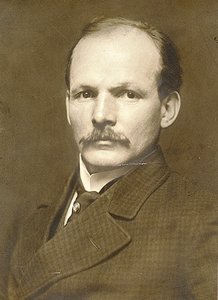
Solon Hannibal Borglum
1868 - 1922 , United States of America
Dados Rápidos
- Artistic Movement Or Style: Realism, Western art
- Artists Or Movements Influenced By This Artist: ['Paul Manship']
- Artists Who Influenced This Artist:
- Emmanuel Fremiet
- Gutzon Borglum
- Date Of Birth: December 22, 1868
- Date Of Death: January 31, 1922
- Full Name: Solon Hannibal Borglum
- Nationality: American
- Notable Artworks:
- Saint John the Baptist
- Cow
- The teacher of sciences
- Place Of Birth: Ogden, USA
Artigos Relacionados

As 10 Obras em Bronze Mais Icônicas que Transformaram a História da Arte | OriginalUniqueArt
Descubra as 10 esculturas em bronze mais influentes da história! Explore a arte de Rodin, Michelangelo e outros mestres. Reproduções de alta qualidade para decorar sua casa com elegância. OriginalUniqueArt.

Esculturas em Bronze Icônicas: 10 Obras que Revolucionaram a Arte | OriginalUniqueArt
Descubra as 10 esculturas em bronze mais icônicas da história! Explore a arte de Rodin, Michelangelo e outros mestres. Encontre reproduções de alta qualidade para sua casa em OriginalUniqueArt.com.
The Enduring Legacy of Bronze: A Historical & Artistic Exploration for the Collector
Explore the rich history & enduring appeal of bronze sculpture with expert insights for collectors at OriginalUniqueArt. Learn about casting techniques, iconic artists, collecting tips & contemporary interpretations.
The Enduring Legacy of Bronze Sculpture: A Collector's Guide to Form & Cultural Significance
Explore the rich history & enduring appeal of bronze sculpture with expert insights for collectors at OriginalUniqueArt. Learn about casting techniques, iconic artists, and collecting tips to build a discerning art collection.
The Enduring Legacy of Bronze: History, Technique & Artistic Expression for the Collector
Explore the rich history & enduring appeal of bronze sculpture with expert insights for collectors at OriginalUniqueArt. Learn about casting techniques, iconic artists, and collecting tips.


