

 Visualizar em escala
 Enviar
 Compartilhar
 Ver detalhes
 Guia de Obras do Aluno

 Baixar imagem
 Semelhantes
 Raio X
 Apresentação de slides
 Estatísticas
The First Communion
 Acrylic On Canvas
- WallArt
- Post-Impressionism
 1907
1907 58.0 x 53.0 cm
 National Trust
 Ver mais
Reprodução em Óleo Feita à Mão
Óleo sobre tela pintado à mão no tamanho e moldura de sua escolha, feito sob encomenda pelos nossos artistas. ( Alternar para Impressão Ver Imagem Digital)




P118B €10

P118H €10

P118W €10

P438Z €10

P508JH €12

P508YH €12

P805H €10

P805Z €10

P919BZ €10

P919G €10

P919XJ €10

P959ZH €10

P968JZ €12

W106C €8

W218G €10

W218JH €8

W218Y €10

W307PJ €10

W316G €10

W316PJ €8

W316Y €10

W398PJ €8

W4111J €10

W500HY €15

W500JH €15

W692G €12

W849H €8

W940BG €15

W953PJ €8




Escolha entre os nossos tamanhos pré-definidos que respeitam as proporções originais da obra de arte.

Digite a largura e a altura de que necessita, para se ajustar à sua moldura ou à sua parede. Esta obra é pintada à mão, por isso, para um tamanho com uma proporção diferente, o artista pode pintar um pouco mais ao redor da imagem ou cortar um pouco — você escolhe. Enviamos-lhe uma maquete digital para aprovação antes de a pintura começar. A imagem exibida nesta página não mostra o resultado real — apenas a maquete mostra.
Após o pedido, a equipa OriginalUniqueArt.com enviará um e-mail ao cliente para solicitar instruções e fornecer uma prévia do esboço.
Entrega mundial () em 3 a 4 semanas, em vez das 5 semanas padrão. (25 Outubro). Sem comprometer a qualidade.

Envio expresso gratuito para todo o mundo

Tela de Linho Premium

Seguro de transporte total

Garantia de Reembolso de Impostos Alfandegários

Garantia de Fidelidade de Cor

Política de Devolução em 100 Dias (Apenas para Defeitos)

Garantia de reembolso de 100%

Desconto para múltiplas unidades
 A opção de vidro está disponível apenas para tamanhos inferiores a 110 cm

The First Communion
Técnica de Reprodução
Dimensões da Reprodução
-


Preço Total
€ 263
A Moment Frozen in Time: Sir William Nicholson’s “The First Communion”
Sir William Nicholson's "The First Communion," painted in 1907, isn’t merely a depiction of a religious ceremony; it’s a poignant snapshot of Victorian England imbued with a delicate blend of realism and sentimentalism. The painting captures a young girl, poised on the steps of an unassuming building – likely a church or community hall – as she prepares to receive her First Communion. Her posture, slightly hesitant yet undeniably hopeful, immediately draws the viewer in, establishing a quiet intimacy that transcends the formal setting. Nicholson masterfully utilizes light and shadow, bathing the scene in a soft, diffused glow that emphasizes the girl’s youthful face and the simple elegance of her white dress. The background, subtly rendered with a streetscape and a distant building, provides context without distracting from the central subject – a testament to Nicholson's skill in balancing detail and atmosphere.
The Beggarstaff Legacy and Artistic Influences
Understanding “The First Communion” requires acknowledging Sir William Nicholson’s place within the broader artistic landscape of his time. He was a key figure in the Beggarstaff partnership, alongside James Pryde, renowned for their groundbreaking graphic work – posters, illustrations, and designs that challenged Victorian conventions with their bold lines, dynamic compositions, and often satirical wit. This experience profoundly shaped Nicholson's approach to painting, instilling a keen eye for composition, color, and capturing fleeting moments of everyday life. The influence of the Pre-Raphaelites is also evident in the painting’s meticulous attention to detail and its focus on portraying human emotion with remarkable sensitivity. The careful rendering of textures – the fabric of the dress, the worn steps – speaks to a desire for realism tempered by an artistic vision.
Symbolism and Victorian Values
“The First Communion” is rich in symbolic meaning, deeply rooted in the values of the late 19th century. The girl’s white dress represents purity and innocence, a visual shorthand for her transition into adulthood and her acceptance within the Christian community. Her hesitant posture suggests both vulnerability and anticipation – she's on the cusp of a significant religious experience. The presence of other figures in the background—a man standing near the left side, another on the right, and two individuals closer to the center—adds a layer of social context, hinting at a community gathered to witness this important rite of passage. The clock mounted on the building’s exterior wall subtly references time and the passage of life, reinforcing the painting's theme of transition and growth. The bird flying above adds an element of lightness and hope, suggesting that this moment marks the beginning of a bright future.
A Window into Victorian Life and Nicholson’s Vision
Beyond its religious subject matter, “The First Communion” offers a valuable glimpse into Victorian society. The modest setting, the everyday attire of the figures, and the quiet dignity of the scene all speak to the values of restraint, piety, and community that were prevalent at the time. Nicholson’s ability to capture this atmosphere with such sensitivity is remarkable. He doesn't simply depict a religious ceremony; he creates a compelling portrait of a moment in time—a moment filled with hope, innocence, and the quiet beauty of human connection. The painting remains a powerful testament to Nicholson’s artistic talent and his profound understanding of the human condition. Reproductions of this evocative work continue to resonate with viewers today, offering a timeless reflection on faith, childhood, and the enduring power of art.
Perguntas e Respostas
Quão intensas são as cores em "The First Communion" de William Nicholson?
A intensidade de cor de "The First Communion" é Balanced. A intensidade descreve o quão vibrantes as cores parecem ser.
"The First Communion" de William Nicholson encontra-se no país de origem do artista?
Sim – a obra de arte encontra-se no país de origem do artista. "The First Communion" está guardada em Reino Unido, enquanto William Nicholson nasceu em Reino Unido.
Onde posso ver uma prévia de "The First Communion"?
Para visualizar uma reprodução de "The First Communion" de William Nicholson, acesse a página de Visualização da obra.
Biografia do Artista
Early Life and Artistic Beginnings
Sir William Newzam Prior Nicholson, nascido em Newark-on-Trent em 1872, emergiu de um pano de fundo que combinava a pragmática industrial com a sensibilidade artística. Seu pai, um engenheiro bem-sucedido e membro do Parlamento Conservador, inculcou um senso de disciplina, enquanto a linhagem materna o conectou às tradições estéticas de Oxfordshire. Desde cedo, Nicholson demonstrou aptidão para a arte, nutrida por aulas com William Cubley, um pintor local que, por sua vez, traçava suas próprias raízes artísticas até Sir Joshua Reynolds. Essa exposição precoce lançou as bases para uma carreira que se expandiria por diversos meios e estilos. Uma breve incursão na escola de arte de Hubert von Herkomer provou ser crucial, não apenas para aprimorar suas habilidades, mas também para apresentá-lo a Mabel Pryde, quem se tornaria sua esposa e colaboradora essencial em seu crescente percurso artístico. Foi através de Mabel que ele conheceu seu irmão, James Pryde, uma parceria que logo revolucionaria o mundo do design gráfico.The Beggarstaffs and a Revolution in Poster Art
A colaboração entre William Nicholson e James Pryde, conhecida como “J. & W. Beggarstaff”, marcou um ponto de inflexão na cultura visual britânica. Rejeitando a estética ornamentada da era vitoriana dos cartazes, eles abraçaram uma simplicidade ousada caracterizada por silhuetas marcantes, planos de cor planos e uma rejeição deliberada à perspectiva tradicional. Seus designs não eram meros anúncios; eram declarações – composições gráficas poderosas que capturavam a imaginação do público. Cartazes para produções como *Don Quixote* e publicações como *Harper’s Magazine* tornaram-se instantaneamente reconhecíveis, influenciando uma geração de artistas e designers. Este período não se tratava apenas de arte comercial; era sobre redefinir a comunicação visual em si. O trabalho dos Beggarstaffs desafiou as convenções, abrindo caminho para o design gráfico moderno e estabelecendo a reputação de Nicholson como um inovador. Seu impacto ressoou muito além do reino dos cartazes, influenciando a ilustração e até mesmo a pintura com sua ênfase em formas fortes e composição deliberada.From Woodcuts to Portraits: A Developing Style
Após a dissolução da parceria Beggarstaff, Nicholson embarcou em um período de exploração estilística. Ele se voltou para o entalhe em madeira e a gravura em madeira, técnicas que lhe permitiram refinar ainda mais sua maestria na linha e na forma. Incentivado pelo influente James Abbott McNeill Whistler, ele abraçou esses métodos, produzindo gravuras intricadas e evocativas que mostravam sua crescente maturidade artística. Essas obras demonstravam uma notável capacidade de capturar a essência com o mínimo de detalhes, uma qualidade que se tornaria um traço distintivo de seu estilo. Simultaneamente, Nicholson estabeleceu-se como pintor de retratos, recebendo encomendas de figuras proeminentes da época. Seus retratos não eram meras representações; eram estudos perspicazes de caráter, revelando as vidas interiores de seus assuntos através de nuances sutis de expressão e pose. Obras como *Lady in Furs* exemplificam essa habilidade, capturando não apenas a aparência física, mas também um senso de personalidade e status social.Still Life, Landscape, and Lasting Legacy
Nas fases mais tardias de sua carreira, Nicholson se concentrou cada vez mais em pintura de natureza morta e paisagem. Suas naturezas-mortas, como *The Lowestoft Bowl*, são celebradas por sua atenção meticulosa aos detalhes, paletas de cores harmoniosas e um senso sutil de intimidade. Ele imbuiu objetos cotidianos com uma qualidade poética, elevando-os além da mera representação para se tornarem símbolos de beleza e contemplação. Seus paisagens, frequentemente retratando cenas de suas viagens pela Espanha e Itália, revelam sensibilidade à luz e à atmosfera, capturando a essência do lugar com notável habilidade. Ao longo de sua vida, Nicholson permaneceu um artista versátil, constantemente experimentando novos métodos e abordagens. Ele escreveu livros infantis, projetou para o teatro e continuou a produzir gravuras ao lado de suas pinturas. A influência de Sir William Nicholson se estende além de seu próprio extenso trabalho; ele inspirou gerações de artistas com seu compromisso com o artesanato, sua mente inovadora e sua capacidade de encontrar beleza no ordinário. Sua obra é um testemunho do poder da arte para iluminar a experiência humana e transformar nossa percepção do mundo ao nosso redor. Ele faleceu em 1949, deixando para trás uma rica herança artística que continua a cativar e inspirar hoje.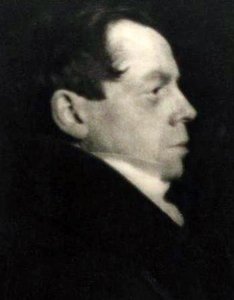
William Nicholson
1872 - 1949 , Reino Unido
Informações Rápidas
- Artistic Movement Or Style: Retratos, naturezas mortas
- Artists Or Movements Influenced By This Artist: ['Beggarstaffs']
- Artists Who Influenced This Artist:
- Whistler
- James Pryde
- Date Of Birth: 5 de fevereiro de 1872
- Date Of Death: 16 de maio de 1949
- Full Name: Sir William Newzam Prior Nicholson
- Nationality: Britânico
- Notable Artworks:
- Lady in Furs
- Bowl de Lowestoft
- Place Of Birth: Newark, Reino Unido
Artigos Relacionados
Sir William Nicholson: A Study in Post-Impressionist Portraiture & Decorative Modernism
Explore the life & work of Sir William Nicholson, a pivotal British Post-Impressionist painter. Discover his striking portraits, innovative woodcuts, and lasting influence on early 20th-century art. Expert insights for collectors.
Penry Williams: Evoking Welsh Nostalgia Through Impressionistic Landscapes
Explore the captivating world of Penry Williams (1802-1885), a Welsh artist renowned for his evocative Impressionistic landscapes and scenes of Italy. Discover his life, style & legacy with OriginalUniqueArt.
Sacred Narratives on Canvas: Exploring Religious Painting Through History
Explore the rich history of religious painting with OriginalUniqueArt.com! Discover iconic artworks, symbolism & techniques from antiquity to the Renaissance. Enhance your art appreciation today.

Ben Nicholson OM: Modernism's Abstract Pioneer & the Poetics of Relief
Explore the revolutionary abstract art of Ben Nicholson OM. Discover his geometric masterpieces, collaborations with Barbara Hepworth & investment potential. Expert insights for collectors.
Sacred Narratives Embodied: A Comprehensive Exploration of Religious Iconography in Art History
Explore the rich history of religious iconography in art! Discover symbolism, movements & masterpieces from Byzantine to Renaissance periods. Expert insights for collectors and enthusiasts at OriginalUniqueArt.
