

 Visualizar na parede
 Compartilhar
 Compartilhar
 Detalhes
 Guia
Guia

 Baixar imagem
 Semelhantes
 Raio X
 Ver diaporama
 Estatísticas
Hawking
 Acrylic On Canvas
- WallArt
 1902
1902- 19th Century
 120.0 x 104.0 cm
 National Trust
 Ler mais
Reprodução em Óleo Feita à Mão
Óleo sobre tela pintado à mão no tamanho e moldura de sua escolha, feito sob encomenda pelos nossos artistas. ( Alternar para Impressão Alternar para Imagem Digital)




P118B €10

P118H €10

P118W €10

P438Z €10

P508JH €12

P508YH €12

P805H €10

P805Z €10

P919BZ €10

P919G €10

P919XJ €10

P959ZH €10

P968JZ €12

W106C €8

W218G €10

W218JH €8

W218Y €10

W307PJ €10

W316G €10

W316PJ €8

W316Y €10

W398PJ €8

W4111J €10

W500HY €15

W500JH €15

W692G €12

W849H €8

W940BG €15

W953PJ €8




Escolha entre os nossos tamanhos pré-definidos que respeitam as proporções originais da obra de arte.

Insira a largura e a altura desejadas para se ajustarem à sua moldura ou parede. Como esta obra é pintada à mão, para um tamanho com proporções diferentes, o artista poderá pintar um pouco mais ao redor da imagem ou reduzir ligeiramente a composição — você escolhe. Enviamos uma maquete digital para sua aprovação antes de iniciar a pintura. A imagem exibida nesta página não representa o resultado real — apenas a maquete mostra o resultado final.
Após o pedido, a equipa OriginalUniqueArt.com enviará um e-mail ao cliente para solicitar instruções e fornecer uma prévia do esboço.
Entrega mundial () em 3 a 4 semanas, em vez das 5 semanas padrão. (25 Outubro). Sem comprometer a qualidade.

Envio expresso gratuito para todo o mundo

Tela de Linho de Alta Qualidade

Seguro de transporte completo

Garantia de Reembolso de Impostos Alfandegários

Garantia de Fidelidade Cromática

Política de Devolução em 100 Dias (Apenas para Defeitos)

Garantia de reembolso de 100%

Oferta de desconto por quantidade
 A opção de vidro está disponível apenas para tamanhos inferiores a 110 cm

Hawking
Técnica de Reprodução
Tamanho da Reprodução
-


Preço Total
€ 263
The Enigmatic Figure of Hawking
William Nicholson’s “Hawking,” painted in 1902, isn't merely a portrait; it’s a carefully constructed tableau of Victorian sensibilities layered with subtle anxieties and burgeoning modernity. The subject, a young boy holding a bird on his arm while accompanied by two dogs, immediately evokes a sense of domesticity—a scene seemingly plucked from the heart of Edwardian England. Yet, closer inspection reveals a complex interplay of elements that hint at deeper currents beneath the surface of this carefully arranged image. The boy’s posture is slightly awkward, his gaze averted, suggesting a quiet introspection or perhaps a touch of unease. The bird he cradles, likely a finch, symbolizes freedom and innocence, but its presence within the confines of the scene introduces an element of fragility and vulnerability.
A Collaboration Born of Artistic Vision
“Hawking” was a product of a remarkable artistic partnership between Nicholson and James Pryde, known collectively as the Beggarstaffs. This duo revolutionized illustration in the late 19th and early 20th centuries by employing a distinctive style characterized by bold lines, flattened perspectives, and a deliberately unpolished aesthetic. Their work rejected the fussy detail of academic portraiture, opting instead for a more immediate and dynamic approach. Nicholson’s contribution to this project was crucial; he brought a sophisticated understanding of composition and characterization, while Pryde provided the technical expertise in woodcut and lithography. The Beggarstaffs' style reflected a shift away from traditional illustration towards a more journalistic and evocative form of visual storytelling.
The Victorian Context: Restraint and Subversion
To fully appreciate “Hawking,” it’s essential to understand the broader context of Victorian England. The era was marked by strict social conventions, rigid moral codes, and a profound sense of propriety. Yet, beneath this veneer of respectability lay currents of change—industrialization, urbanization, and growing anxieties about modernity. Nicholson subtly captures these tensions within his painting. The dogs, symbols of loyalty and domesticity, are juxtaposed with the boy’s withdrawn demeanor, hinting at a disconnect between traditional values and emerging individualistic sensibilities. The inclusion of the bird, representing freedom, further underscores this subtle subversion of Victorian norms.
Symbolism and Emotional Resonance
Beyond its stylistic merits, “Hawking” is rich in symbolic meaning. The boy’s posture suggests a sense of isolation or perhaps a questioning of authority—a common theme in the literature of the period. The bird, as mentioned earlier, represents innocence and vulnerability, while the dogs embody loyalty and companionship. The overall composition creates a feeling of quiet contemplation, inviting the viewer to ponder the complexities of human relationships and the challenges of navigating a rapidly changing world. Nicholson’s masterful use of light and shadow further enhances the painting's emotional impact, creating a sense of depth and atmosphere that draws the eye inward.
A Legacy of Artistic Innovation
Sir William Nicholson’s “Hawking” stands as a testament to his artistic versatility and his ability to capture the spirit of his time. It is a remarkable example of Beggarstaff illustration, blending technical skill with evocative storytelling. Reproductions of this painting offer a captivating glimpse into Victorian England—a world of restrained elegance, hidden anxieties, and burgeoning modernity. Its enduring appeal lies in its ability to resonate with viewers on multiple levels, inviting them to contemplate the complexities of human experience and the timeless themes that continue to shape our understanding of ourselves and the world around us.
Perguntas e Respostas
Como faço para baixar a imagem de "Hawking", de William Nicholson?
"Hawking", de William Nicholson pode ser descarregado na página de Download da obra, como download de imagem digital em alta resolução.
Por quais outros nomes ou pseudônimos William Nicholson é conhecido?
Outros nomes registrados para William Nicholson, criador de "Hawking", incluem Sir William Newzam Prior Nicholson.
"Hawking" está disponível como uma impressão fine art?
"Hawking" está disponível como uma impressão fine art em tela de algodão ou papel canvas de arquivo. Os pedidos podem ser feitos na página de Impressão Fine Art, no tamanho de sua escolha.
Biografia do Artista
Early Life and Artistic Beginnings
Sir William Newzam Prior Nicholson, nascido em Newark-on-Trent em 1872, emergiu de um pano de fundo que combinava a pragmática industrial com a sensibilidade artística. Seu pai, um engenheiro bem-sucedido e membro do Parlamento Conservador, inculcou um senso de disciplina, enquanto a linhagem materna o conectou às tradições estéticas de Oxfordshire. Desde cedo, Nicholson demonstrou aptidão para a arte, nutrida por aulas com William Cubley, um pintor local que, por sua vez, traçava suas próprias raízes artísticas até Sir Joshua Reynolds. Essa exposição precoce lançou as bases para uma carreira que se expandiria por diversos meios e estilos. Uma breve incursão na escola de arte de Hubert von Herkomer provou ser crucial, não apenas para aprimorar suas habilidades, mas também para apresentá-lo a Mabel Pryde, quem se tornaria sua esposa e colaboradora essencial em seu crescente percurso artístico. Foi através de Mabel que ele conheceu seu irmão, James Pryde, uma parceria que logo revolucionaria o mundo do design gráfico.The Beggarstaffs and a Revolution in Poster Art
A colaboração entre William Nicholson e James Pryde, conhecida como “J. & W. Beggarstaff”, marcou um ponto de inflexão na cultura visual britânica. Rejeitando a estética ornamentada da era vitoriana dos cartazes, eles abraçaram uma simplicidade ousada caracterizada por silhuetas marcantes, planos de cor planos e uma rejeição deliberada à perspectiva tradicional. Seus designs não eram meros anúncios; eram declarações – composições gráficas poderosas que capturavam a imaginação do público. Cartazes para produções como *Don Quixote* e publicações como *Harper’s Magazine* tornaram-se instantaneamente reconhecíveis, influenciando uma geração de artistas e designers. Este período não se tratava apenas de arte comercial; era sobre redefinir a comunicação visual em si. O trabalho dos Beggarstaffs desafiou as convenções, abrindo caminho para o design gráfico moderno e estabelecendo a reputação de Nicholson como um inovador. Seu impacto ressoou muito além do reino dos cartazes, influenciando a ilustração e até mesmo a pintura com sua ênfase em formas fortes e composição deliberada.From Woodcuts to Portraits: A Developing Style
Após a dissolução da parceria Beggarstaff, Nicholson embarcou em um período de exploração estilística. Ele se voltou para o entalhe em madeira e a gravura em madeira, técnicas que lhe permitiram refinar ainda mais sua maestria na linha e na forma. Incentivado pelo influente James Abbott McNeill Whistler, ele abraçou esses métodos, produzindo gravuras intricadas e evocativas que mostravam sua crescente maturidade artística. Essas obras demonstravam uma notável capacidade de capturar a essência com o mínimo de detalhes, uma qualidade que se tornaria um traço distintivo de seu estilo. Simultaneamente, Nicholson estabeleceu-se como pintor de retratos, recebendo encomendas de figuras proeminentes da época. Seus retratos não eram meras representações; eram estudos perspicazes de caráter, revelando as vidas interiores de seus assuntos através de nuances sutis de expressão e pose. Obras como *Lady in Furs* exemplificam essa habilidade, capturando não apenas a aparência física, mas também um senso de personalidade e status social.Still Life, Landscape, and Lasting Legacy
Nas fases mais tardias de sua carreira, Nicholson se concentrou cada vez mais em pintura de natureza morta e paisagem. Suas naturezas-mortas, como *The Lowestoft Bowl*, são celebradas por sua atenção meticulosa aos detalhes, paletas de cores harmoniosas e um senso sutil de intimidade. Ele imbuiu objetos cotidianos com uma qualidade poética, elevando-os além da mera representação para se tornarem símbolos de beleza e contemplação. Seus paisagens, frequentemente retratando cenas de suas viagens pela Espanha e Itália, revelam sensibilidade à luz e à atmosfera, capturando a essência do lugar com notável habilidade. Ao longo de sua vida, Nicholson permaneceu um artista versátil, constantemente experimentando novos métodos e abordagens. Ele escreveu livros infantis, projetou para o teatro e continuou a produzir gravuras ao lado de suas pinturas. A influência de Sir William Nicholson se estende além de seu próprio extenso trabalho; ele inspirou gerações de artistas com seu compromisso com o artesanato, sua mente inovadora e sua capacidade de encontrar beleza no ordinário. Sua obra é um testemunho do poder da arte para iluminar a experiência humana e transformar nossa percepção do mundo ao nosso redor. Ele faleceu em 1949, deixando para trás uma rica herança artística que continua a cativar e inspirar hoje.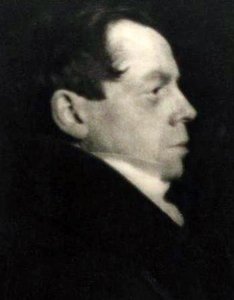
William Nicholson
1872 - 1949 , Reino Unido
Dados Rápidos
- Artistic Movement Or Style: Retratos, naturezas mortas
- Artists Or Movements Influenced By This Artist: ['Beggarstaffs']
- Artists Who Influenced This Artist:
- Whistler
- James Pryde
- Date Of Birth: 5 de fevereiro de 1872
- Date Of Death: 16 de maio de 1949
- Full Name: Sir William Newzam Prior Nicholson
- Nationality: Britânico
- Notable Artworks:
- Lady in Furs
- Bowl de Lowestoft
- Place Of Birth: Newark, Reino Unido
Artigos Relacionados

Christopher Williams: Deconstructing Representation & Materiality in Contemporary Art
Explore the groundbreaking work of Christopher Williams, a pivotal figure in contemporary art. This analysis delves into his deconstruction of representation, materiality, and institutional critique – essential reading for serious collectors.

Ben Nicholson OM: Modernism's Abstract Pioneer & the Poetics of Relief
Explore the revolutionary abstract art of Ben Nicholson OM. Discover his geometric masterpieces, collaborations with Barbara Hepworth & investment potential. Expert insights for collectors.
Sir William Nicholson: A Study in Post-Impressionist Portraiture & Decorative Modernism
Explore the life & work of Sir William Nicholson, a pivotal British Post-Impressionist painter. Discover his striking portraits, innovative woodcuts, and lasting influence on early 20th-century art. Expert insights for collectors.
Penry Williams: Evoking Welsh Nostalgia Through Impressionistic Landscapes
Explore the captivating world of Penry Williams (1802-1885), a Welsh artist renowned for his evocative Impressionistic landscapes and scenes of Italy. Discover his life, style & legacy with OriginalUniqueArt.
Feathered Visions: A Historical & Artistic Exploration of Birds in Painting
Explore the rich history of birds in painting! Discover symbolism, artistic movements & master artists like Audubon. High-quality reproductions available at OriginalUniqueArt.
