

 Visualizar na parede
 Compartilhar
 Compartilhar
 Detalhes
 Guia
Guia

 Baixar imagem
 Semelhantes
 Raio X
 Ver diaporama
 Estatísticas
Young Rimbaud
 Spray Paint
- WallArt
- Australian Modernism
 Contemporary
 152.0 x 122.0 cm
 Canberra Museum and Gallery
 Ler mais
A obra de arte exibida nesta página é protegida por leis de direitos autorais, o que significa que não podemos criar ou vender legalmente uma reprodução idêntica. Esta proteção é aplicada por meio de acordos internacionais, tais como a Convenção de Berna e pelas leis nacionais, incluindo as estabelecidas por Lei de Direitos Autorais dos EUA - Título 17.
Como uma alternativa respeitosa e legal, oferecemos obras de arte personalizadas e pintadas à mão, inspiradas na obra original. Nossos artistas profissionais e experientes estudam cuidadosamente o estilo, a atmosfera e a essência artística da obra original para criar uma peça nova e única que evoque a mesma sensação — permanecendo como uma criação original por direito próprio.
Este método cumpre plenamente as regulamentações de direitos autorais, pois não envolve a cópia ou duplicação da obra protegida. Em vez disso, trata-se de uma reinterpretação criativa — uma nova pintura que é influenciada pela original, mas não idêntica a ela.
Reprodução em Óleo Feita à Mão
Óleo sobre tela pintado à mão no tamanho e moldura de sua escolha, feito sob encomenda pelos nossos artistas. ( Alternar para Impressão Alternar para Imagem Digital)




P118B €10

P118H €10

P118W €10

P438Z €10

P508JH €12

P508YH €12

P805H €10

P805Z €10

P919BZ €10

P919G €10

P919XJ €10

P959ZH €10

P968JZ €12

W106C €8

W218G €10

W218JH €8

W218Y €10

W307PJ €10

W316G €10

W316PJ €8

W316Y €10

W398PJ €8

W4111J €10

W500HY €15

W500JH €15

W692G €12

W849H €8

W940BG €15

W953PJ €8




Escolha entre os nossos tamanhos pré-definidos que respeitam as proporções originais da obra de arte.

Insira a largura e a altura desejadas para se ajustarem à sua moldura ou parede. Como esta obra é pintada à mão, para um tamanho com proporções diferentes, o artista poderá pintar um pouco mais ao redor da imagem ou reduzir ligeiramente a composição — você escolhe. Enviamos uma maquete digital para sua aprovação antes de iniciar a pintura. A imagem exibida nesta página não representa o resultado real — apenas a maquete mostra o resultado final.
Após o pedido, a equipa OriginalUniqueArt.com enviará um e-mail ao cliente para solicitar instruções e fornecer uma prévia do esboço.
Entrega mundial () em 3 a 4 semanas, em vez das 5 semanas padrão. (25 Outubro). Sem comprometer a qualidade.

Envio expresso gratuito para todo o mundo

Tela de Linho de Alta Qualidade

Seguro de transporte completo

Garantia de Reembolso de Impostos Alfandegários

Garantia de Fidelidade Cromática

Política de Devolução em 100 Dias (Apenas para Defeitos)

Garantia de reembolso de 100%

Oferta de desconto por quantidade
 A opção de vidro está disponível apenas para tamanhos inferiores a 110 cm

Young Rimbaud
Técnica de Reprodução
Tamanho da Reprodução
-


Preço Total
€ 263
A Visionary Encounter: The Spirit of Young Rimbaud
In the vast landscape of twentieth-century Australian modernism, few works possess the haunting, ethereal magnetism of Sir Sidney Robert Nolan’s “Young Rimbaud.” Created in 1982, this monumental canvas serves as a profound dialogue between two restless spirits: the Australian master of myth, Nolan, and the French symbolist poet, Arthur Rimbaud. The painting is far more than a mere portrait; it is an evocative exploration of the subconscious, capturing the very essence of poetic transcendence. As one gazes upon the face of the young poet, there is an immediate sense of stepping into a dreamscape where the boundaries between reality and imagination begin to dissolve.
The subject matter draws its lifeblood from Rimbaud’s seminal work, Illuminations—a collection Nolan himself revered as a "book of miracles." Through this piece, Nolan attempts to translate the linguistic magic of Rimbaud's prose into a visual language. The face, appearing with eyes closed in a state of deep introspection or perhaps spiritual trance, invites the viewer to contemplate the internal world of the visionary. It is an invitation to experience what Rimbaud famously called the "systematic derangement of the senses," making the artwork a centerpiece for those who find beauty in the profound and the mysterious.
Technique and the Geometry of Constraint
What distinguishes “Young Rimbaud” from traditional portraiture is Nolan’s daring embrace of spray paint. By the early 1980s, Nolan had moved toward this medium to achieve a level of immediacy and textural complexity that traditional oils could rarely provide. The spray technique allows for a soft, atmospheric layering of color, creating a nebulous quality that mirrors the ephemeral nature of thought and memory. This method lends the work an almost cinematic depth, where colors bleed into one another with a ghostly, luminous grace.
Interwoven with this fluid application is a striking use of geometric structure. A deliberate, cage-like frame surrounds the central visage, acting as a powerful visual metaphor. This geometric constraint represents the "cage" of rational thought and the physical limitations of the human condition that Rimbaud so often sought to escape through his verse. For the discerning collector or interior designer, this tension between the soft, sprayed textures and the sharp, structural lines provides a sophisticated visual rhythm, making it an intellectually stimulating addition to any curated space.
A Legacy for the Modern Collector
To possess a reproduction of such a significant work is to bring a piece of art history into the contemporary home. Nolan’s ability to weave together the harsh realities of his Australian upbringing with the high-minded symbolism of European literature creates a universal appeal. The painting does not merely decorate a room; it anchors it, providing a focal point that sparks conversation and emotional resonance. Whether placed in a minimalist gallery setting or a richly textured study, “Young Rimbaud” radiates an aura of intellectual depth and artistic courage.
For those seeking to invest in art that transcends trends, this work offers a timeless connection to the era of the Angry Penguins and the evolution of modernism. It is a masterpiece of texture, a triumph of medium, and a soulful tribute to the power of the written word, rendered in the vibrant, experimental spirit of one of Australia's greatest legends.
Perguntas e Respostas
A qual artista "Young Rimbaud" é atribuída?
"Young Rimbaud" é atribuída a Sir Sidney Robert Nolan.
Que humor e emoção se unem em "Young Rimbaud"?
Em "Young Rimbaud", um clima Calm acompanha uma emoção Melancholic.
A qual movimento artístico pertence "Young Rimbaud", de Sir Sidney Robert Nolan?
"Young Rimbaud" é uma obra do Australian Modernism. O movimento indica a tradição artística da qual a obra faz parte.
Biografia do Artista
A Life Painted in Myth and Landscape
Sir Sidney Robert Nolan, born in Melbourne in 1917, stands as a monumental figure in 20th-century Australian art. His journey was not one of conventional artistic training but rather an explosive emergence from the working-class streets of St Kilda into a world of vibrant imagination and relentless experimentation. Nolan wasn’t simply a painter; he was a visual storyteller, a mythmaker who wrestled with Australia's history, its landscapes, and its very identity. From his early days as a runner for an illegal betting ring to his eventual acclaim on the international stage, Nolan’s life was marked by a restless energy and a refusal to be confined by artistic norms. He absorbed influences from diverse sources – the poetry of Rimbaud, the spatial innovations of Cézanne, the raw emotion of Danila Vassilieff – yet forged a style uniquely his own, one that resonated with a distinctly Australian sensibility. His early exposure to the harsh realities of Melbourne life and the allure of its underbelly would profoundly shape his artistic vision, imbuing his work with a sense of both defiance and vulnerability.The Shaping of an Iconoclast
Nolan’s formative years were steeped in intellectual ferment. The Heide Circle, centered around patrons John and Sunday Reed, proved pivotal. This haven for artists and writers fostered a spirit of radical experimentation and provided Nolan with crucial support during his developing phase. It was at Heide that he encountered kindred spirits – Albert Tucker, Joy Hester, Arthur Boyd – all grappling with the challenge of creating a distinctly Australian modernism. The influence of modernist literature, particularly the Symbolist poets, cannot be overstated. Rimbaud’s call for a “systematic derangement of the senses” became a guiding principle for Nolan, liberating him from representational constraints and encouraging him to explore the emotional power of color, form, and symbolism. His early works demonstrate this influence, often featuring fragmented figures and dreamlike landscapes that hint at deeper psychological truths. He wasn’t interested in merely depicting reality; he sought to capture its essence, its underlying emotions, and its hidden narratives. This period also saw Nolan experimenting with various media, from stage design for the Ballet Russes to commercial art, each experience contributing to his growing technical prowess and artistic vocabulary.Early Influences and Artistic Development
Nolan’s artistic education began informally, fueled by a voracious appetite for literature and visual art. He devoured books on Pablo Picasso, Paul Klee, Henri Matisse and the surrealists—artists who championed spontaneity and intuition as antidotes to rationalism. Particularly compelling was Klee's approach, which deliberately undermined accepted boundaries of art through experimentation and a range of techniques, media and juxtaposition of subject matter. Klee’s belief that art should be childlike – embracing simplicity and uninhibited emotion – resonated deeply with Nolan’s artistic sensibilities. He recognized the importance of rejecting conventional stylistic conventions and pursuing personal vision—a conviction that would permeate his entire oeuvre. His early paintings reflected these influences, characterized by bold colors, simplified forms, and a deliberate disregard for photographic realism. This initial exploration established a foundation for Nolan's subsequent stylistic innovations and cemented his commitment to artistic freedom.The Iconic Ned Kelly Series
Nolan’s breakthrough came with the commencement of his monumental Ned Kelly series in 1946-47. Inspired by Arthur Rimbaud’s poetic vision—specifically, *“Il faut être absolument modern”—*he embarked on a project that would redefine Australian art and solidify his reputation as one of Australia's foremost modernist artists. Rejecting traditional portraiture or landscape painting, Nolan adopted a radically innovative technique: he painted the Kelly Gang figures in black armor against starkly rendered Australian landscapes—a visual metaphor for confronting history with unflinching honesty. This series wasn’t merely an artistic endeavor; it was a profound engagement with Australia's cultural heritage and a bold assertion of national identity. The flattened planes of color, the deliberate awkwardness of brushwork, and the symbolic use of black armor created a powerful aesthetic statement that challenged conventional notions of heroism and celebrated defiance. Nolan’s meticulous attention to detail—particularly in capturing the textures of the landscape and the expressions of his subjects—demonstrated his mastery of artistic craft and cemented his place as a visionary artist.A Legacy of Visionary Art
Sir Sidney Robert Nolan's legacy extends far beyond his iconic Ned Kelly series. He established himself as one of Australia’s most influential modernist artists, shaping the trajectory of Australian art for decades to come. His unwavering commitment to experimentation, coupled with his profound engagement with Australian mythology and landscape—a preoccupation that would continue throughout his career—established him as a singular voice in 20th-century art history. From Antarctica to Burke and Wills, Nolan consistently pursued artistic innovation while simultaneously confronting complex themes of identity, loss, and the relationship between humanity and nature. His paintings remain celebrated for their emotional intensity, stylistic boldness, and enduring relevance—a testament to Nolan’s extraordinary talent and his unwavering belief in the transformative power of art. Platforms like OriginalUniqueArt continue to showcase reproductions of his masterpieces, ensuring that Nolan's visionary aesthetic inspires audiences worldwide.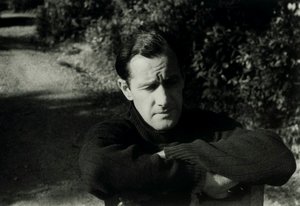
Sir Sidney Robert Nolan
1917 - 1992 , Austrália
Dados Rápidos
- Artistic Movement Or Style: Modernist
- Artists Or Movements Influenced By This Artist: ['Contemporary Art Society']
- Artists Who Influenced This Artist:
- Rimbaud
- Cézanne
- Kandinsky
- Klee
- Date Of Birth: April 22, 1917
- Full Name: Sir Sidney Robert Nolan
- Nationality: Australian
- Notable Artworks:
- Ned Kelly series
- Carriers of Horses
- AFL Series
- Place Of Birth: Melbourne, Australia
Artigos Relacionados

The Frame as Argument: An Expert Guide to Selecting the Perfect Frame for Your Art
Master the art of presentation with our expert guide on choosing the perfect frame. Learn how to enhance your artwork's value, complement your interior design, and ensure long-term preservation through professional framing techniques for collectors and enthusiasts alike.
The Frame as Argument: How the Right Frame Completes or Ruins a Painting
Discover how the perfect frame acts as a silent partner to Impressionist masterpieces. Explore expert insights on selecting frames that enhance light, texture, and historical value for your collection.

Emoldurando a Arte: Um Guia para Escolher a Moldura Certa
Guia completo para escolher a moldura perfeita! Descubra estilos, materiais e dicas de especialistas para valorizar sua arte e integrar com a decoração da sua casa.
Beyond the Canvas: Framing as a Catalyst for Value & Aesthetic Impact in Luxury Art Reproduction
Discover how expert framing elevates your art investment & interior design. Explore museum-quality options, bespoke sizing, and preservation techniques for discerning collectors. Enhance value & aesthetic impact with OriginalUniqueArt.
Emoldurando a Percepção: Um Guia Abrangente para Selecionar Molduras que Aprimoram Estilos de Interiores e o Valor da Arte
Descubra como molduras transformam seus espaços e valorizam sua arte! Guia completo com dicas de especialistas para escolher, instalar e conservar molduras que elevam o luxo e a sofisticação do seu interior.


