

 Visualizar na parede
 Compartilhar
 Compartilhar
 Detalhes
 Guia
Guia

 Baixar imagem
 Semelhantes
 Raio X
 Ver diaporama
 Estatísticas
Durack Ranges
 Oil On Board
- Expressionism
 1950
1950 91.0 x 122.0 cm
 Galeria Nacional de Victoria
 Ler mais
A obra de arte exibida nesta página é protegida por leis de direitos autorais, o que significa que não podemos criar ou vender legalmente uma reprodução idêntica. Esta proteção é aplicada por meio de acordos internacionais, tais como a Convenção de Berna e pelas leis nacionais, incluindo as estabelecidas por Lei de Direitos Autorais dos EUA - Título 17.
Este método cumpre plenamente as regulamentações de direitos autorais, pois não envolve a cópia ou duplicação da obra protegida. Em vez disso, trata-se de uma reinterpretação criativa — uma nova pintura que é influenciada pela original, mas não idêntica a ela.
Giclée / Impressão de Arte
Impressão giclée ou em tela de qualidade de museu, com produção rápida e opções flexíveis de acabamento. ( Comprar pintura feita à mão Alternar para Imagem Digital)




P118B €10

P118H €10

P118W €10

P438Z €10

P508JH €12

P508YH €12

P805H €10

P805Z €10

P919BZ €10

P919G €10

P919XJ €10

P959ZH €10

P968JZ €12

W106C €8

W218G €10

W218JH €8

W218Y €10

W307PJ €10

W316G €10

W316PJ €8

W316Y €10

W398PJ €8

W4111J €10

W500HY €15

W500JH €15

W692G €12

W849H €8

W940BG €15

W953PJ €8




Escolha entre os nossos tamanhos pré-definidos que respeitam as proporções originais da obra de arte.

Insira a largura e a altura desejadas para se ajustarem à sua moldura ou parede. Uma impressão pode ser apenas cortada, nunca ampliada além da imagem original; portanto, um tamanho com proporções diferentes resultará na perda de parte da imagem. Enviamos uma maquete digital para sua aprovação antes de realizarmos a impressão. A imagem exibida nesta página não mostra o corte real — apenas a maquete o faz.
Entrega mundial () em 2 semanas, em vez das 4/5 semanas padrão. (25 Outubro)

Envio expresso gratuito para todo o mundo

Tela de Linho de Alta Qualidade

Seguro de transporte completo

Garantia de Reembolso de Impostos Alfandegários

Garantia de Fidelidade Cromática

Política de Devolução em 100 Dias (Apenas para Defeitos)

Garantia de reembolso de 100%

Oferta de desconto por quantidade
 A opção de vidro está disponível apenas para tamanhos inferiores a 110 cm

Durack Ranges
Giclée / Impressão de Arte
Tamanho da Reprodução
-


Preço Total
€ 70
Durack Ranges - A Landscape of Myth and Memory
The painting “Durack Ranges” by Sir Sidney Robert Nolan is more than just a depiction of the Australian Outback; it’s an embodiment of Nolan's profound engagement with Aboriginal mythology and his exploration of Australia’s scarred landscape as a reflection of its history. Created in 1950, during Nolan’s formative years as a painter, this monumental canvas exemplifies his signature style—a bold simplification of form combined with vibrant color palettes that convey both grandeur and unease. It stands as one of the most iconic pieces from Nolan's Desert & Drought series, cementing his place among Australia’s foremost modernist artists.- Subject Matter: The painting captures a panoramic vista of the Durack Ranges in Western Australia—a region steeped in Aboriginal lore and considered sacred by Indigenous Australians. Nolan meticulously renders the rugged terrain, punctuated by mesas and canyons bathed in hues of ochre, crimson, and indigo.
- Style: Nolan’s approach aligns closely with Expressionism, prioritizing emotional impact over precise representation. The flattened perspective and stylized brushstrokes contribute to a sense of immediacy and drama, mirroring the vastness and power of the natural environment.
- Technique: Employing oil on board, Nolan achieved remarkable textural depth through layering multiple coats of paint—a technique that allows for subtle gradations of color and creates an illusion of movement within the static image. The artist’s deliberate use of impasto adds physicality to the canvas, conveying a palpable sense of energy.
Historical Context: Echoes of Trauma and Resilience Nolan's Desert & Drought series emerged from a period of intense debate surrounding Aboriginal land rights in Australia during the 1950s. Inspired by films depicting the Australian interior—particularly those exploring themes of displacement and hardship—Nolan sought to confront the injustices faced by Indigenous communities while simultaneously celebrating the enduring spirit of the Australian landscape. The Durack Ranges painting specifically references the biblical Exodus narrative, symbolizing the Israelites’ journey from oppression to liberation—a motif that resonates deeply with Australia's colonial past and its ongoing struggle for reconciliation.
Symbolism: Color as Emotion The dominant color scheme—primarily reds and ochres—is deliberately chosen to evoke feelings of heat, dryness, and primal energy. Nolan’s masterful use of color transcends mere visual description; it communicates the emotional resonance of the landscape—a testament to its harsh beauty and enduring significance. The reddish hues subtly hint at the blood of ancient battles fought on Aboriginal land, underscoring the painting's connection to Australia’s history of conflict and dispossession.
Emotional Impact: A Vision of Australian Identity “Durack Ranges” transcends a simple topographical representation; it functions as a powerful visual meditation on themes of isolation, resilience, and spiritual contemplation. Nolan invites viewers to contemplate the immensity of the Outback—to confront its challenges while simultaneously appreciating its sublime grandeur. The painting’s enduring appeal lies in its ability to capture the essence of Australian identity—a complex tapestry woven from myth, landscape, and the legacy of colonization. It remains a cornerstone of Nolan's oeuvre and an unforgettable emblem of Australian art history.
Perguntas e Respostas
"Durack Ranges" está disponível como uma impressão fine art?
Uma impressão de "Durack Ranges", de Sir Sidney Robert Nolan pode ser encomendada diretamente na sua página de Impressão Fine Art: uma impressão fine art em tela de algodão ou papel canvas de arquivo.
Que atmosfera "Durack Ranges" traria para um ambiente?
A atmosfera Serene de "Durack Ranges", de Sir Sidney Robert Nolan combina perfeitamente com o ambiente recomendado: um(a) Living Room.
Qual é a luminosidade percebida de "Durack Ranges", de Sir Sidney Robert Nolan?
A luminosidade percebida de "Durack Ranges", de Sir Sidney Robert Nolan é bright. Ela pode ser harmonizada com a iluminação do espaço pretendido.
Biografia do Artista
A Life Painted in Myth and Landscape
Sir Sidney Robert Nolan, born in Melbourne in 1917, stands as a monumental figure in 20th-century Australian art. His journey was not one of conventional artistic training but rather an explosive emergence from the working-class streets of St Kilda into a world of vibrant imagination and relentless experimentation. Nolan wasn’t simply a painter; he was a visual storyteller, a mythmaker who wrestled with Australia's history, its landscapes, and its very identity. From his early days as a runner for an illegal betting ring to his eventual acclaim on the international stage, Nolan’s life was marked by a restless energy and a refusal to be confined by artistic norms. He absorbed influences from diverse sources – the poetry of Rimbaud, the spatial innovations of Cézanne, the raw emotion of Danila Vassilieff – yet forged a style uniquely his own, one that resonated with a distinctly Australian sensibility. His early exposure to the harsh realities of Melbourne life and the allure of its underbelly would profoundly shape his artistic vision, imbuing his work with a sense of both defiance and vulnerability.The Shaping of an Iconoclast
Nolan’s formative years were steeped in intellectual ferment. The Heide Circle, centered around patrons John and Sunday Reed, proved pivotal. This haven for artists and writers fostered a spirit of radical experimentation and provided Nolan with crucial support during his developing phase. It was at Heide that he encountered kindred spirits – Albert Tucker, Joy Hester, Arthur Boyd – all grappling with the challenge of creating a distinctly Australian modernism. The influence of modernist literature, particularly the Symbolist poets, cannot be overstated. Rimbaud’s call for a “systematic derangement of the senses” became a guiding principle for Nolan, liberating him from representational constraints and encouraging him to explore the emotional power of color, form, and symbolism. His early works demonstrate this influence, often featuring fragmented figures and dreamlike landscapes that hint at deeper psychological truths. He wasn’t interested in merely depicting reality; he sought to capture its essence, its underlying emotions, and its hidden narratives. This period also saw Nolan experimenting with various media, from stage design for the Ballet Russes to commercial art, each experience contributing to his growing technical prowess and artistic vocabulary.Early Influences and Artistic Development
Nolan’s artistic education began informally, fueled by a voracious appetite for literature and visual art. He devoured books on Pablo Picasso, Paul Klee, Henri Matisse and the surrealists—artists who championed spontaneity and intuition as antidotes to rationalism. Particularly compelling was Klee's approach, which deliberately undermined accepted boundaries of art through experimentation and a range of techniques, media and juxtaposition of subject matter. Klee’s belief that art should be childlike – embracing simplicity and uninhibited emotion – resonated deeply with Nolan’s artistic sensibilities. He recognized the importance of rejecting conventional stylistic conventions and pursuing personal vision—a conviction that would permeate his entire oeuvre. His early paintings reflected these influences, characterized by bold colors, simplified forms, and a deliberate disregard for photographic realism. This initial exploration established a foundation for Nolan's subsequent stylistic innovations and cemented his commitment to artistic freedom.The Iconic Ned Kelly Series
Nolan’s breakthrough came with the commencement of his monumental Ned Kelly series in 1946-47. Inspired by Arthur Rimbaud’s poetic vision—specifically, *“Il faut être absolument modern”—*he embarked on a project that would redefine Australian art and solidify his reputation as one of Australia's foremost modernist artists. Rejecting traditional portraiture or landscape painting, Nolan adopted a radically innovative technique: he painted the Kelly Gang figures in black armor against starkly rendered Australian landscapes—a visual metaphor for confronting history with unflinching honesty. This series wasn’t merely an artistic endeavor; it was a profound engagement with Australia's cultural heritage and a bold assertion of national identity. The flattened planes of color, the deliberate awkwardness of brushwork, and the symbolic use of black armor created a powerful aesthetic statement that challenged conventional notions of heroism and celebrated defiance. Nolan’s meticulous attention to detail—particularly in capturing the textures of the landscape and the expressions of his subjects—demonstrated his mastery of artistic craft and cemented his place as a visionary artist.A Legacy of Visionary Art
Sir Sidney Robert Nolan's legacy extends far beyond his iconic Ned Kelly series. He established himself as one of Australia’s most influential modernist artists, shaping the trajectory of Australian art for decades to come. His unwavering commitment to experimentation, coupled with his profound engagement with Australian mythology and landscape—a preoccupation that would continue throughout his career—established him as a singular voice in 20th-century art history. From Antarctica to Burke and Wills, Nolan consistently pursued artistic innovation while simultaneously confronting complex themes of identity, loss, and the relationship between humanity and nature. His paintings remain celebrated for their emotional intensity, stylistic boldness, and enduring relevance—a testament to Nolan’s extraordinary talent and his unwavering belief in the transformative power of art. Platforms like OriginalUniqueArt continue to showcase reproductions of his masterpieces, ensuring that Nolan's visionary aesthetic inspires audiences worldwide.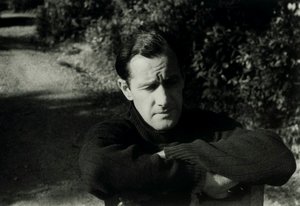
Sir Sidney Robert Nolan
1917 - 1992 , Austrália
Dados Rápidos
- Artistic Movement Or Style: Modernist
- Artists Or Movements Influenced By This Artist: ['Contemporary Art Society']
- Artists Who Influenced This Artist:
- Rimbaud
- Cézanne
- Kandinsky
- Klee
- Date Of Birth: April 22, 1917
- Full Name: Sir Sidney Robert Nolan
- Nationality: Australian
- Notable Artworks:
- Ned Kelly series
- Carriers of Horses
- AFL Series
- Place Of Birth: Melbourne, Australia
Artigos Relacionados

Os 10 Mestres da Paisagem Romântica: Arte para Inspirar a Sua Casa
Descubra os 10 quadros mais emblemáticos da Paisagem Romântica! Explore a história de Turner, Friedrich e outros mestres. Encontre reproduções de arte exclusivas para inspirar sua decoração em OriginalUniqueArt.com.
Beyond Reality: Capturing Emotion Through the Soul of Expressionist Landscapes
Explore the profound emotional depth of Expressionist landscapes. Discover how masters use color, texture, and light to transcend reality, capturing the raw essence of nature through an art-historical lens for the true connoisseur.

Evocations of Place: A Historical Journey Through Landscape Art
Explore the rich history of landscape art with OriginalUniqueArt. Discover renowned artists, movements like Impressionism & Romanticism, and expert guidance for collecting timeless pieces. Find your perfect serene escape today!

Evocations of Place: A Historical Journey Through Landscape Art
Explore the rich history of landscape art with OriginalUniqueArt. Discover renowned artists, movements like Impressionism & tonalism, and expert guidance for collecting timeless pieces. Find your perfect serene escape today!

John Constable: As 25 Obras-Primas que Definem o Mestre da Paisagem Inglesa | OriginalUniqueArt
Descubra as 25 obras-primas de John Constable, o mestre da paisagem inglesa! Explore a arte romântica, cores vibrantes e histórias fascinantes por trás de 'Hay Wain' e outras pinturas icônicas. Encontre reproduções de alta qualidade para decorar sua casa com OriginalUniqueArt.com.


