

 Visualizar em escala
 Enviar
 Compartilhar
 Ver detalhes
 Guia de Obras do Aluno

 Baixar imagem
 Semelhantes
 Raio X
 Apresentação de slides
 Estatísticas
Desert Storm


 Ver mais
Reprodução em Óleo Feita à Mão
Óleo sobre tela pintado à mão no tamanho e moldura de sua escolha, feito sob encomenda pelos nossos artistas. ( Alternar para Impressão Ver Imagem Digital)




P118B $10

P118H $10

P118W $10

P438Z $10

P508JH $12

P508YH $12

P805H $10

P805Z $10

P919BZ $10

P919G $10

P919XJ $10

P959ZH $10

P968JZ $12

W106C $8

W218G $10

W218JH $8

W218Y $10

W307PJ $10

W316G $10

W316PJ $8

W316Y $10

W398PJ $8

W4111J $10

W500HY $15

W500JH $15

W692G $12

W849H $8

W940BG $15

W953PJ $8




Escolha entre os nossos tamanhos pré-definidos que respeitam as proporções originais da obra de arte.

Pode inserir as suas próprias dimensões para se adequar a uma moldura ou espaço específico. Se o tamanho selecionado não corresponder às proporções da imagem original, iremos cortar a obra de arte ou estender a pintura com elementos adicionais pintados à mão. Um esboço digital será enviado para sua aprovação antes do início da produção.
Tenha em atenção que a pré-visualização no ecrã não reflete o corte ou extensão real. Apenas o esboço mostrará com precisão a composição final.
Embora tamanhos personalizados estejam disponíveis, recomendamos selecionar uma dimensão da lista predefinida para preservar as proporções originais.
Após o pedido, a equipa OriginalUniqueArt.com enviará um e-mail ao cliente para solicitar instruções e fornecer uma prévia do esboço.
Entrega mundial () em 3 a 4 semanas, em vez das 5 semanas padrão. (27 Setembro). Sem comprometer a qualidade.

Envio expresso gratuito para todo o mundo

Tela de Linho Premium

Seguro de transporte total

Garantia de Reembolso de Impostos Alfandegários

Garantia de Fidelidade de Cor

Política de Devolução em 100 Dias (Apenas para Defeitos)

Garantia de reembolso de 100%

Desconto para múltiplas unidades
 A opção de vidro está disponível apenas para tamanhos inferiores a 110 cm

Desert Storm
Técnica de Reprodução
Dimensões da Reprodução
-


Preço Total
$ 300
A Landscape of Resilience: The Atmospheric Majesty of Desert Storm
In the vast, sweeping annals of Australian Modernism, few works capture the raw, elemental spirit of the outback as poignantly as Sir Sidney Nolan’s Desert Storm. Painted in 1955, this evocative masterpiece transcends mere landscape painting to become a profound meditation on endurance and the sublime. As the viewer approaches the canvas, they are immediately enveloped by an atmosphere of quiet drama, where the heavy, overcast skies seem to press down upon the arid terrain, creating a sense of profound solitude. Nolan, a master storyteller of the Australian identity, does not merely depict a scene; he invites us into a moment of atmospheric tension, where the stillness of the desert is poised on the precipative edge of a shifting storm.
The composition is a masterful study in scale and depth, utilizing a horizontal format that emphasizes the infinite reaches of the desert expanse. To ground this ethereal scene, Nolan places a gnarled, skeletal tree branch in the left foreground, rendered with vigorous, gestural brushstrokes. This organic element acts as a visual anchor, its twisted form providing a stark contrast to the soft, receding horizons. Through the skillful application of atmospheric perspective, the distant plains fade into muted tones, pulling the eye deep into the heart of the landscape and creating an illusion of immense, breathing space that is both captivating and humbling.
Technique and the Texture of the Earth
Nolan’s technical prowess is most evident in his tactile approach to the medium. Employing an impasto technique, he applies oil paint with a deliberate thickness that lends the work a sculptural quality. This heavy application allows the texture of the desert soil and the ruggedness of the tree bark to be felt as much as seen, imbuing the painting with a physical presence that resonates with the materiality of the earth itself. His palette is one of disciplined restraint, eschewing the temptation of vibrant color in favor of a somber, sophisticated range of greys, browns, beiges, and deep blues.
This muted chromatic language is essential to the painting's emotional resonance. The lack of harsh highlights or deep shadows creates a diffused, even light that mimics the soft glow of a sun obscured by thick cloud cover. This Impressionistic sensibility—prioritizing the capture of fleeting light and mood over photographic precision—allows the artist to communicate the ephemeral nature of the weather. For the collector or interior designer, this subtle color harmony offers a sophisticated way to introduce depth and contemplative calm into a space, acting as a window into a world of quiet strength.
Symbolism and the Modernist Legacy
Beyond its aesthetic beauty, Desert Storm is rich with symbolic weight. The gnarled branch, surviving amidst the desolate terrain, serves as a powerful metaphor for resilience and adaptation in the face of harsh, unforgiving environments. It mirrors the very spirit of the Australian continent—a landscape that is both beautiful and brutal. This theme of survival resonates deeply within the historical context of Nolan’s era, reflecting a period of intense artistic experimentation where the boundaries between myth, history, and nature were being radically redefined.
For those seeking to adorn a collection with works of significant cultural weight, this painting offers an unparalleled opportunity. It is more than a reproduction; it is an invitation to experience the emotional gravity of one of Australia's most iconic modernist voices. Whether placed in a contemporary gallery setting or a curated residential interior, Desert Storm commands attention through its ability to evoke a sense of wonder, peace, and the enduring power of the natural world.
Biografia do Artista
A Life Painted in Myth and Landscape
Sir Sidney Robert Nolan, born in Melbourne in 1917, stands as a monumental figure in 20th-century Australian art. His journey was not one of conventional artistic training but rather an explosive emergence from the working-class streets of St Kilda into a world of vibrant imagination and relentless experimentation. Nolan wasn’t simply a painter; he was a visual storyteller, a mythmaker who wrestled with Australia's history, its landscapes, and its very identity. From his early days as a runner for an illegal betting ring to his eventual acclaim on the international stage, Nolan’s life was marked by a restless energy and a refusal to be confined by artistic norms. He absorbed influences from diverse sources – the poetry of Rimbaud, the spatial innovations of Cézanne, the raw emotion of Danila Vassilieff – yet forged a style uniquely his own, one that resonated with a distinctly Australian sensibility. His early exposure to the harsh realities of Melbourne life and the allure of its underbelly would profoundly shape his artistic vision, imbuing his work with a sense of both defiance and vulnerability.The Shaping of an Iconoclast
Nolan’s formative years were steeped in intellectual ferment. The Heide Circle, centered around patrons John and Sunday Reed, proved pivotal. This haven for artists and writers fostered a spirit of radical experimentation and provided Nolan with crucial support during his developing phase. It was at Heide that he encountered kindred spirits – Albert Tucker, Joy Hester, Arthur Boyd – all grappling with the challenge of creating a distinctly Australian modernism. The influence of modernist literature, particularly the Symbolist poets, cannot be overstated. Rimbaud’s call for a “systematic derangement of the senses” became a guiding principle for Nolan, liberating him from representational constraints and encouraging him to explore the emotional power of color, form, and symbolism. His early works demonstrate this influence, often featuring fragmented figures and dreamlike landscapes that hint at deeper psychological truths. He wasn’t interested in merely depicting reality; he sought to capture its essence, its underlying emotions, and its hidden narratives. This period also saw Nolan experimenting with various media, from stage design for the Ballet Russes to commercial art, each experience contributing to his growing technical prowess and artistic vocabulary.Early Influences and Artistic Development
Nolan’s artistic education began informally, fueled by a voracious appetite for literature and visual art. He devoured books on Pablo Picasso, Paul Klee, Henri Matisse and the surrealists—artists who championed spontaneity and intuition as antidotes to rationalism. Particularly compelling was Klee's approach, which deliberately undermined accepted boundaries of art through experimentation and a range of techniques, media and juxtaposition of subject matter. Klee’s belief that art should be childlike – embracing simplicity and uninhibited emotion – resonated deeply with Nolan’s artistic sensibilities. He recognized the importance of rejecting conventional stylistic conventions and pursuing personal vision—a conviction that would permeate his entire oeuvre. His early paintings reflected these influences, characterized by bold colors, simplified forms, and a deliberate disregard for photographic realism. This initial exploration established a foundation for Nolan's subsequent stylistic innovations and cemented his commitment to artistic freedom.The Iconic Ned Kelly Series
Nolan’s breakthrough came with the commencement of his monumental Ned Kelly series in 1946-47. Inspired by Arthur Rimbaud’s poetic vision—specifically, *“Il faut être absolument modern”—*he embarked on a project that would redefine Australian art and solidify his reputation as one of Australia's foremost modernist artists. Rejecting traditional portraiture or landscape painting, Nolan adopted a radically innovative technique: he painted the Kelly Gang figures in black armor against starkly rendered Australian landscapes—a visual metaphor for confronting history with unflinching honesty. This series wasn’t merely an artistic endeavor; it was a profound engagement with Australia's cultural heritage and a bold assertion of national identity. The flattened planes of color, the deliberate awkwardness of brushwork, and the symbolic use of black armor created a powerful aesthetic statement that challenged conventional notions of heroism and celebrated defiance. Nolan’s meticulous attention to detail—particularly in capturing the textures of the landscape and the expressions of his subjects—demonstrated his mastery of artistic craft and cemented his place as a visionary artist.A Legacy of Visionary Art
Sir Sidney Robert Nolan's legacy extends far beyond his iconic Ned Kelly series. He established himself as one of Australia’s most influential modernist artists, shaping the trajectory of Australian art for decades to come. His unwavering commitment to experimentation, coupled with his profound engagement with Australian mythology and landscape—a preoccupation that would continue throughout his career—established him as a singular voice in 20th-century art history. From Antarctica to Burke and Wills, Nolan consistently pursued artistic innovation while simultaneously confronting complex themes of identity, loss, and the relationship between humanity and nature. His paintings remain celebrated for their emotional intensity, stylistic boldness, and enduring relevance—a testament to Nolan’s extraordinary talent and his unwavering belief in the transformative power of art. Platforms like OriginalUniqueArt continue to showcase reproductions of his masterpieces, ensuring that Nolan's visionary aesthetic inspires audiences worldwide.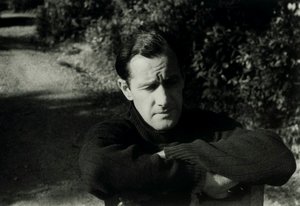
Sir Sidney Robert Nolan
1917 - 1992 , Austrália
Informações Rápidas
- Artistic Movement Or Style: Modernist
- Artists Or Movements Influenced By This Artist: ['Contemporary Art Society']
- Artists Who Influenced This Artist:
- Rimbaud
- Cézanne
- Kandinsky
- Klee
- Date Of Birth: April 22, 1917
- Full Name: Sir Sidney Robert Nolan
- Nationality: Australian
- Notable Artworks:
- Ned Kelly series
- Carriers of Horses
- AFL Series
- Place Of Birth: Melbourne, Australia
Artigos Relacionados

Evocations of Place: A Historical Journey Through Landscape Art
Explore the rich history of landscape art with OriginalUniqueArt. Discover renowned artists, movements like Impressionism & Romanticism, and expert guidance for collecting timeless pieces. Find your perfect serene escape today!

Os 10 Mestres da Paisagem Romântica: Arte para Inspirar a Sua Casa
Descubra os 10 quadros mais emblemáticos da Paisagem Romântica! Explore a história de Turner, Friedrich e outros mestres. Encontre reproduções de arte exclusivas para inspirar sua decoração em OriginalUniqueArt.com.

John Constable: As 25 Obras-Primas que Definem o Mestre da Paisagem Inglesa | OriginalUniqueArt
Descubra as 25 obras-primas de John Constable, o mestre da paisagem inglesa! Explore a arte romântica, cores vibrantes e histórias fascinantes por trás de 'Hay Wain' e outras pinturas icônicas. Encontre reproduções de alta qualidade para decorar sua casa com OriginalUniqueArt.com.

Evoking Nature's Sublime: A Comprehensive Exploration of 19th-Century Landscape Painting
Explore the captivating world of 19th-century landscape painting! Discover renowned artists like Friedrich & Monet, key movements, and find the perfect artwork to bring nature's serenity into your home. Expert insights at OriginalUniqueArt.

Evocations of Place: A Historical Journey Through Landscape Art
Explore the rich history of landscape art with OriginalUniqueArt. Discover renowned artists, movements like Impressionism & tonalism, and expert guidance for collecting timeless pieces. Find your perfect serene escape today!


