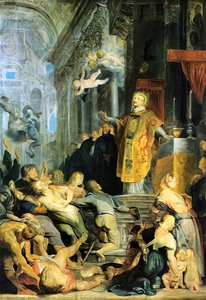
Visualizar na parede
 Compartilhar
 Compartilhar
 Detalhes
 Guia
Guia

 Baixar imagem
 Semelhantes
 Raio X
 Ver diaporama
 Estatísticas
Retrato de Autor
 Óleo sobre painel
- Baroque
 1625
1625 85.0 x 61.0 cm
 Ler mais
Giclée / Impressão de Arte
Impressão giclée ou em tela de qualidade de museu, com produção rápida e opções flexíveis de acabamento. ( Comprar pintura feita à mão Alternar para Imagem Digital)




P118B €10

P118H €10

P118W €10

P438Z €10

P508JH €12

P508YH €12

P805H €10

P805Z €10

P919BZ €10

P919G €10

P919XJ €10

P959ZH €10

P968JZ €12

W106C €8

W218G €10

W218JH €8

W218Y €10

W307PJ €10

W316G €10

W316PJ €8

W316Y €10

W398PJ €8

W4111J €10

W500HY €15

W500JH €15

W692G €12

W849H €8

W940BG €15

W953PJ €8




Escolha entre os nossos tamanhos pré-definidos que respeitam as proporções originais da obra de arte.

Insira a largura e a altura desejadas para se ajustarem à sua moldura ou parede. Uma impressão pode ser apenas cortada, nunca ampliada além da imagem original; portanto, um tamanho com proporções diferentes resultará na perda de parte da imagem. Enviamos uma maquete digital para sua aprovação antes de realizarmos a impressão. A imagem exibida nesta página não mostra o corte real — apenas a maquete o faz.
Entrega mundial () em 2 semanas, em vez das 4/5 semanas padrão. (27 Outubro)

Envio expresso gratuito para todo o mundo

Tela de Linho de Alta Qualidade

Seguro de transporte completo

Garantia de Reembolso de Impostos Alfandegários

Garantia de Fidelidade Cromática

Política de Devolução em 100 Dias (Apenas para Defeitos)

Garantia de reembolso de 100%

Oferta de desconto por quantidade
 A opção de vidro está disponível apenas para tamanhos inferiores a 110 cm

Retrato de Autor
Giclée / Impressão de Arte
Tamanho da Reprodução
-


Preço Total
€ 70
A Window into the Soul: Peter Paul Rubens’s Self-Portrait of 1625
Peter Paul Rubens's self-portrait, painted in 1625, is far more than a simple likeness; it’s a profound and intensely personal revelation. This oil on panel, measuring a modest 85 x 61 centimeters, offers an unprecedented glimpse into the mind of one of the most influential figures of the Flemish Baroque – a man grappling with his own identity, artistic ambitions, and the weighty responsibilities of a celebrated artist. The painting resides within the Gemaldegalerie Donaueschingen, a testament to its enduring significance and the institution’s commitment to preserving cultural heritage.
The immediate impact is one of quiet contemplation. Rubens isn't presenting a flamboyant display of wealth or power; instead, he’s depicted with a deliberate solemnity. His gaze, fixed beyond the viewer, suggests an inward focus, a deep engagement with something unseen – perhaps a memory, a creative impulse, or simply the weight of his own legacy. The beard, neatly trimmed but bearing the marks of time and experience, adds to this sense of gravitas. The simple black hat, angled slightly off-center, is not merely an accessory; it subtly frames his face, drawing attention to his eyes – windows into a complex and deeply thoughtful soul.
Baroque Drama: Light, Shadow, and the Power of Chiaroscuro
Rubens’s mastery of technique is immediately apparent. He employs the dramatic principles of chiaroscuro—the masterful manipulation of light and shadow—to create an astonishing sense of volume and depth. The dark background, rendered with subtle washes of brown underpaint, serves to intensify the luminosity of his face and hands. This isn't a flat, two-dimensional representation; it’s a sculpted portrait, alive with texture and movement. Notice how the light catches the folds of his clothing, highlighting their richness and detail, while simultaneously obscuring other areas in shadow, creating an illusion of three-dimensionality.
The brushwork itself is remarkably expressive. Rubens doesn't shy away from visible strokes—a characteristic of the Baroque style—which contribute to the painting’s dynamic energy. The application of paint varies across the surface; some areas are thinly scrubbed, revealing the wood beneath, while others boast thick, impastoed layers that seem to shimmer with color and vitality. This deliberate variation in technique adds another layer of visual interest and reinforces the sense of movement within the composition.
A Renaissance Man: Contextualizing Rubens’s Self-Portrait
To fully appreciate this self-portrait, it's crucial to understand the historical context in which it was created. 1625 falls during a period of immense artistic and cultural ferment in Europe – the height of the Baroque era. Rubens himself was deeply involved in the political and diplomatic landscape of his time, serving as an ambassador for the Spanish court. This experience undoubtedly informed his work, imbuing it with a sense of grandeur and formality. The portrait reflects this dual existence: the artist-intellectual engaged in scholarly pursuits alongside the diplomat navigating complex international relations.
Furthermore, Rubens’s artistic style was deeply rooted in classical ideals, yet he infused them with a distinctly Baroque sensibility – characterized by heightened emotion, dramatic lighting, and dynamic composition. His work drew inspiration from Renaissance masters like Titian and Michelangelo, but he pushed the boundaries of realism and expression to create something entirely new. The inclusion of elements such as the rock and reddening sky—a subtle nod to his own name (Petrus et caelum rubens)—demonstrates this intellectual engagement with his art.
Legacy and Interpretation: More Than Just a Portrait
Rubens’s self-portraits are not merely technical exercises; they offer invaluable insights into the artist's life, personality, and artistic philosophy. They reveal a man of considerable intellect, ambition, and emotional depth – a complex individual grappling with his own identity within a rapidly changing world. The intensity of his gaze, the subtle nuances of expression, and the masterful use of light and shadow all contribute to a portrait that transcends the limitations of mere likeness.
Consider, too, the significance of the act of self-portraiture itself. In an era when artists were often commissioned to paint portraits of wealthy patrons, Rubens’s decision to depict himself was remarkably bold – a declaration of his own artistic agency and a challenge to conventional notions of representation. For those seeking to understand the profound impact of one of history's greatest painters, exploring works like “The Triumph of Julius” or “The Meeting of Abraham and Melchizedek,” alongside resources such as Wikipedia articles on Rubens and his key paintings, offers a richer appreciation of his artistic genius.
To delve deeper into the historical context surrounding Rubens’s life and work, consider examining resources like The Elevation of the Cross (Rubens) and Massacre of the Innocents (Rubens), alongside broader historical studies such as History of Painting.
Perguntas e Respostas
Quais são as dimensões da obra original "Retrato de Autor"?
A obra original "Retrato de Autor", de Peter Paul Rubens mede 85 x 61 cm.
Qual tamanho de reprodução é sugerido para "Retrato de Autor", de Peter Paul Rubens?
O tamanho de impressão recomendado para "Retrato de Autor", de Peter Paul Rubens é Grande.
Qual é a técnica e as dimensões de "Retrato de Autor", de Peter Paul Rubens?
"Retrato de Autor" foi realizada em Óleo sobre painel e mede 85 x 61 cm em sua forma original.
Biografia do Artista
A Vida Forjada em Splendor Barroco
Sir Peter Paul Rubens, um nome que ressoa com a própria essência do dinamismo barroco, foi muito mais do que simplesmente um pintor. Ele foi um diplomata, um estudioso e um arquiteto cultural que remodelou fundamentalmente o cenário artístico da Europa no século XVII. Nascido em Siegen, Alemanha, em 1577, sua vida inicial foi marcada por deslocamento – uma experiência formativa que permeia sutilmente seu trabalho posterior com uma corrente de drama e profundidade emocional. Seu pai, Jan Rubens, um advogado fugindo de perseguições religiosas por suas crenças calvinistas, desfez a família de sua terra natal, Antuérpia, então sob o domínio espanhol. Essa primeira exílio instilou em Peter Paul um senso de resiliência e adaptabilidade, qualidades que lhe serviriam bem ao longo de sua multifacetada carreira. Após a morte do pai em 1587, a família retornou a Antuérpia, onde ele recebeu uma educação humanista antes de embarcar em seu treinamento artístico por volta de 1590, aprendendo com Tobias Verhaecht e Adam van Noort, aprimorando habilidades fundamentais em desenho e técnicas de pintura. No entanto, seu tempo com Otto van Veen provou ser crucial, expondo-o ao rico legado da arte renascentista italiana – um mundo que ele logo abraçaria plenamente.O Despertar Italiano e a Síntese Artística
Em 1600, Rubens embarcou em uma jornada transformadora para a Itália, uma peregrinação que moldou irrevogavelmente sua visão artística. Por oito anos, mergulhou-se nas obras-primas de Michelangelo, Rafael e Tician, absorvendo sua maestria na forma, cor e composição. A influência desses gigantes renascentistas é evidente em seus primeiros trabalhos italianos, caracterizados por temas clássicos e figuras idealizadas. No entanto, Rubens não apenas imitou; ele sintetizou essas influências com seu próprio talento inato, desenvolvendo um estilo distinto marcado por tons vibrantes, composições dinâmicas e uma representação sensual da forma humana. Estudou a anatomia meticulosamente, resultando em figuras que possuíam tanto realismo físico quanto poder emocional – corpos robustos imbuidos de vida e movimento. Este período não foi apenas um desenvolvimento artístico; foi uma profunda despertar intelectual, fomentando uma apreciação profunda pela mitologia e literatura clássicas, que se tornariam motivos recorrentes em sua obra. Ao retornar a Antuérpia em 1608, Rubens rapidamente estabeleceu-se como o principal artista da época, recebendo uma torrente de comissões que testemunhavam sua crescente reputação e solidificavam sua posição na vanguarda da arte flamenga.Um Mestre de Muitas Formas: Pintura Além dos Limites
A produção artística de Rubens foi incrivelmente diversa e prolífica. Ele não se restringiu a um único gênero; em vez disso, destacou-se em pinturas históricas, cenas mitológicas, retratos, paisagens e obras religiosas – um testemunho de sua versatilidade e criatividade ilimitada. Suas telas grandiosas, frequentemente destinadas a igrejas, palácios e espaços públicos, eram displays impressionantes de virtuosismo técnico e narrativa dramática. A Descida da Cruz (c. 1616-1617) exemplifica seu domínio magistral no uso de luz e sombra para criar uma cena de intensidade emocional profunda, envolvendo os espectadores no coração da narrativa. O Levantamento da Cruz (1610-1611), com suas figuras em turbilhão e composição dinâmica, demonstra sua capacidade de transmitir movimento e energia – um traço característico de seu estilo barroco. Mesmo em temas estáticos como O Julgamento de Paris (c. 1636), Rubens infundiu um senso de vida e vitalidade por meio de sua paleta de cores vibrantes e representação sensual da forma humana. Sua técnica foi igualmente notável – um domínio magistral da pintura a óleo, empregando impasto para criar textura e profundidade, juntamente com técnicas delicadas de esmalte para alcançar efeitos luminosos. Frequentemente, ele incorporava figuras alegóricas e simbolismo, sobrepondo narrativas com significados complexos que convidavam à contemplação e interpretação.Diplomacia, Legado e Influência Duradoura
A influência de Rubens se estendeu muito além do reino da arte. Suas habilidades diplomáticas eram altamente procuradas pelos Países Baixos do Sul (moderno Bélgica), e ele realizou inúmeras missões para a Inglaterra, França e Espanha, negociando tratados e promovendo alianças políticas – um papel dual único que lhe proporcionou uma perspectiva refinada sobre os assuntos europeus e reforçou ainda mais sua reputação como um homem de inteligência e influência. Em 1630, ele se casou com Hélène Fourment, quem se tornou tanto sua musa quanto tema frequente em suas pinturas – sua juventude adornando muitos de seus trabalhos posteriores, personificando a sensualidade e vitalidade que caracterizavam seu estilo. Ele continuou a pintar prolifixamente até sua morte em Antuérpia em 1640, deixando para trás um legado vasto que continua a inspirar admiração e apreço. Seu impacto nas gerações futuras de artistas é imensurável; pintores como Anthony van Dyck, Jacob Jordaens e Eugène Delacroix todos se inspiraram em suas composições dinâmicas, cores vibrantes e figuras sensuais. Rubens não apenas definiu o estilo barroco – ele elevou a pintura a um novo nível de prestígio e influência, solidificando Antuérpia como um importante centro de produção artística durante o século XVII. Ele permanece, séculos depois, uma figura imponente na história da arte, um testemunho do poder da criatividade humana e do fascínio duradouro do esplendor barroco.Características Chave do Estilo de Rubens
- Composição Dinâmica: As pinturas de Rubens são conhecidas por suas composições enérgicas e dramáticas de figuras.
- Paleta de Cores Vibrantes: Ele empregou uma paleta de cores rica e quente que deu vida às suas telas.
- Figuras Sensuais: Suas representações da forma humana eram caracterizadas por plenitude, vitalidade e frequentemente, sensualidade aberta.
- Uso Magistral de Luz e Sombra: Rubens manipulou habilmente a luz e a sombra para criar profundidade, drama e impacto emocional.
- Simbolismo Alegórico: Suas obras frequentemente incorporavam figuras alegóricas e simbolismo, adicionando camadas de significado e complexidade.

Peter Paul Rubens
1577 - 1640 , Alemanha
Dados Rápidos
- Artistic Movement Or Style: Barroco
- Artists Or Movements Influenced By This Artist:
- Van Dyck
- Jordaens
- Delacroix
- Artists Who Influenced This Artist:
- Michelangelo
- Rafael
- Tician
- Date Of Birth: 1577
- Date Of Death: 1640
- Full Name: Sir Peter Paul Rubens
- Nationality: Flamengo
- Notable Artworks:
- Descent do Cruz
- A Relação da Cruz
- Retrato de Isabella Brant
- Place Of Birth: Siegen, Alemanha
Artigos Relacionados

Mastering Drama and Light: A Definitive Guide to the Flemish Baroque Art Movement
Explore the dramatic brilliance of the Flemish Baroque movement. Discover how masters like Peter Paul Rubens utilized chiaroscuro and dynamic composition to redefine art history through light, shadow, and unparalleled emotion.
Baroque Classicism: Reconciling Drama & Order in 17th-Century Art
Explore the captivating world of Baroque Classicism! Discover its history, key artists like Caravaggio & Rubens, and defining characteristics. Expert insights & high-quality reproductions at OriginalUniqueArt.

Os 10 Mestres do Barroco: Obras-Primas que Moldaram a Arte e Decoram o Lar
Descubra os 10 maiores ícones do Barroco! Explore a história, técnica e emoção por trás de Caravaggio, Rembrandt, Bernini e outros mestres. Encontre reproduções de arte barroca para decorar seu lar com luxo em OriginalUniqueArt.com.

A Estética do Drama: A Grandiosidade e a Técnica da Arte Barroca no Século XVII
Descubra o drama e a técnica dos mestres do Barroco, de Caravaggio a Rubens. Explore a grandiosidade desta era agora.
The Grandeur of Baroque Portraiture: Power, Emotion & Artistic Innovation
Explore the grandeur of Baroque portraiture! Discover Rubens, Van Dyck & the masters of 17th-century art. Uncover symbolism, techniques & lasting influence. Expert insights for collectors and enthusiasts.