Visualizar em escala
 Enviar
 Compartilhar
 Ver detalhes
 Guia de Obras do Aluno

 Baixar imagem
 Semelhantes
 Raio X
 Apresentação de slides
 Estatísticas
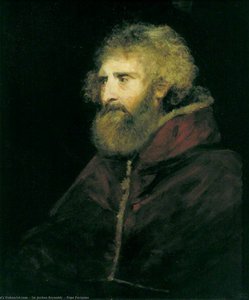
Uma Vidente
 Óleo sobre tela
- Arte de Parede
- Retrato Romântico
 1781
1781 114.0 x 140.0 cm
 English Heritage
 Ver mais
Giclée / Impressão de Arte
Impressão giclée ou em tela de qualidade de museu, com produção rápida e opções flexíveis de acabamento. ( Encomendar reprodução pintada à mão Ver Imagem Digital)




P118B $10

P118H $10

P118W $10

P438Z $10

P508JH $12

P508YH $12

P805H $10

P805Z $10

P919BZ $10

P919G $10

P919XJ $10

P959ZH $10

P968JZ $12

W106C $8

W218G $10

W218JH $8

W218Y $10

W307PJ $10

W316G $10

W316PJ $8

W316Y $10

W398PJ $8

W4111J $10

W500HY $15

W500JH $15

W692G $12

W849H $8

W940BG $15

W953PJ $8




Escolha entre os nossos tamanhos pré-definidos que respeitam as proporções originais da obra de arte.

Você pode inserir suas próprias dimensões para se ajustar a uma moldura ou espaço específico. Se o tamanho selecionado não corresponder às proporções da imagem original, iremos recortar a obra de arte ou estender a imagem com uma borda espelhada ou preenchimento sólido. Um mockup digital será enviado para sua aprovação antes do início da produção.
Por favor, observe que a visualização na tela não reflete o recorte ou a extensão real. Apenas o mockup mostrará com precisão a composição final.
Embora tamanhos personalizados estejam disponíveis, recomendamos selecionar uma dimensão da lista predefinida para preservar as proporções originais.
Entrega mundial () em 2 semanas, em vez das 4/5 semanas padrão. (26 Setembro)

Envio expresso gratuito para todo o mundo

Tela de Linho Premium

Seguro de transporte total

Garantia de Reembolso de Impostos Alfandegários

Garantia de Fidelidade de Cor

Política de Devolução em 100 Dias (Apenas para Defeitos)

Garantia de reembolso de 100%

Desconto para múltiplas unidades
 A opção de vidro está disponível apenas para tamanhos inferiores a 110 cm

Uma Vidente
Giclée / Impressão de Arte
Dimensões da Reprodução
-


Preço Total
$ 80
Uma Janela para o Sentimentalismo Vitoriano: Examinando ‘A Fortune Teller’ de Reynolds
A obra “A Fortune Teller”, concluída por Sir Joshua Reynolds em 1777, ergue-se como um exemplo quintessencial da sensibilidade Romântica que florescia no mundo da arte britânica. Mais do que uma simples representação de três mulheres envolvidas em uma conversa — um tema comum na retratística da época — a pintura mergulha em correntes mais profundas da psicologia vitoriana e das ansiedades sociais em torno da feminilidade e da adivinhação. O manejo magistral da luz e da cor por parte de Reynolds eleva esta cena aparentemente simples a uma exploração de humor e atmosfera, refletindo o fascínio predominante pelas crenças esotéricas e pelo desejo de interpretar os sinais do destino.
A Maestria do Artista: A Técnica Reynoldsiana
Reynolds, um titã entre os retratistas, empregou sua técnica assinatura — uma aplicação em camadas de tinta a óleo — para alcançar gradações tonais notáveis e efeitos luminosos. Ele construiu meticulosamente glaciados sobre glaciados, capturando nuances sutis do tom da pele e das dobras dos tecidos com uma precisão surpreendente. A observação aguçada da anatomia pelo artista, combinada com uma compreensão intuitiva de como a luz interage com as superfícies, resultou em uma pintura que possui tanto realismo quanto poder expressivo. Note a renderização delicada do rosto do bebê — um testemunho da dedicação de Reynolds à precisão anatômica, mas imbuído de ternura e calor. Além disso, o posicionamento cuidadoso dos objetos no ambiente — as tigelas, a cadeira e, notadamente, o relógio — não serve apenas como elementos decorativos, mas contribui para a sensação geral de quietude e contemplação.
Simbolismo na Tranquilidade Doméstica
A cena retratada transcende a mera representação; ela é carregada de um significado simbólico que reflete os ideais vitorianos de harmonia doméstica e virtude materna. As três mulheres encarnam diferentes facetas da feminilidade — a mãe, a esposa e talvez uma jovem iniciando sua jornada matrimonial — cada uma esforçando-se para criar um ambiente acolhedor para seus filhos. As tigelas poderiam representar abundância e fertilidade, enquanto o relógio simboliza a passagem do tempo e a inevitabilidade da mudança — temas prevalentes na arte Romântica preocupada com a mortalidade e o fluxo da vida. Reynolds transmite sutilmente essas ideias através de suas escolhas composicionais e paleta tonal, criando uma imagem que ressoa com os espectadores tanto em níveis intelectuais quanto emocionais.
Contexto Histórico: O Iluminismo Encontra o Misticismo
“A Fortune Teller” surgiu durante um período em que a razão e a investigação científica lutavam contra o crescente interesse pelo espiritualismo e pelas práticas ocultas. O Iluminismo defendia o pensamento racional, mas, simultaneamente, alimentava ansiedades sobre o desconhecido e as forças imprevisíveis que governam a existência humana. Reynolds navegou habilmente por essa dicotomia ao apresentar uma cena enraizada na realidade observável — o interior doméstico de um lar vitoriano — porém imbuída de uma qualidade intangível que fala de preocupações psicológicas mais profundas. Essa justaposição ressalta a preocupação cultural mais ampla em interpretar os sinais do destino e buscar consolo em rituais e tradições — sentimentos que continuariam a moldar a arte e a cultura britânica ao longo do século XIX.
Ressonância Emocional: Capturando Estados Íntimos
Em última análise, “A Fortune Teller” de Reynolds consegue transmitir um profundo senso de serenidade misturado com uma contemplação silenciosa. A paleta de cores suaves — dominada por vermelhos e marrons quentes — cria uma atmosfera de intimidade e conforto. Mais importante ainda, Reynolds captura as expressões sutis nos rostos das mulheres, transmitindo sua reflexão e preocupação mútua. Este retrato magistral fala da fascinação vitoriana em retratar estados interiores ao lado das aparências externas, demonstrando a habilidade de Reynolds em elevar um tema aparentemente comum a uma poderosa meditação sobre a emoção e a experiência humana.
Biografia do Artista
A Luminary of the Enlightenment: The Life and Art of Sir Joshua Reynolds
Sir Joshua Reynolds, born in 1723 in the quaint Devonshire town of Plympton, emerged as a pivotal figure during a period of immense cultural transformation in Britain. His father, Reverend Samuel Reynolds, instilled in him a love for learning and intellectual pursuits, initially steering young Joshua towards a scholarly path. However, an undeniable artistic inclination soon surfaced, leading to his apprenticeship with Thomas Hudson in London at the age of seventeen. This formative experience provided Reynolds with a solid foundation in portraiture—a genre that would become the cornerstone of his illustrious career. Hudson’s studio was more than just a workspace; it was a vibrant hub of fashionable society, exposing Reynolds to the demands and expectations of aristocratic patrons – shaping not only his technique but also his profound understanding of the social landscape he would so masterfully depict. It wasn't merely about capturing likeness; it was about constructing an image that reflected status, taste, and aspiration, a carefully orchestrated representation of power and refinement.Forging a ‘Grand Style’ for British Portraiture
Reynolds didn’t simply replicate what he learned from Hudson. He embarked on a journey of artistic exploration, fueled by a deep admiration for the Old Masters – particularly Raphael, Michelangelo, and Titian. A defining moment in his development occurred during a sojourn to Rome in 1750. There, immersed in classical art and absorbing the principles of the ‘Grand Style’ – an approach that prioritized idealized beauty, dramatic composition, and historical or mythological allusions – Reynolds fundamentally altered his artistic vision. He sought to elevate British portraiture beyond mere representation, imbuing it with a sense of dignity and intellectual weight previously unseen. He believed that portraits should not just record physical appearances but also reveal the sitter’s character and social standing, transforming them into symbols of their era. This ambition led him to incorporate elements of history painting – often depicting his subjects in elaborate costumes or staged settings reminiscent of classical narratives – creating a visual dialogue between the present and the past. Reynolds wasn't merely painting *people*; he was crafting enduring images of power, intellect, and refinement.The First President and Champion of the Royal Academy
Reynolds’ influence extended far beyond his own canvas. In 1768, he became a founding member of the Royal Academy of Arts, and crucially, its first president – a position he held until his death in 1792. This was a watershed moment for British art, establishing an institution dedicated to fostering artistic talent and promoting national identity. Reynolds tirelessly advocated for the importance of art education and championed the recognition of artists as professionals deserving of respect and patronage. His annual Discourses – lectures delivered to Academy students – became seminal texts on artistic theory and practice, outlining his vision for a distinctly British school of painting. He stressed the importance of studying nature, mastering technique, and cultivating imagination, urging artists to strive for originality while remaining grounded in tradition. Reynolds’ leadership transformed the landscape of British art, elevating its status and laying the groundwork for future generations of artistic innovation.Capturing an Era: Notable Works and Enduring Legacy
Reynolds' prolific output encompassed portraits of some of the most prominent figures of 18th-century Britain – members of the aristocracy, literary luminaries, and military heroes. His portrait of Duke of Devonshire, for example, exudes an air of aristocratic power and sophistication, while his depiction of *Peter Darnell Muilman, Charles Crokatt and William Keable in a Landscape* showcases his ability to integrate figures seamlessly into natural settings. Mr and Mrs William Lindow is another compelling example of his skill in capturing the intimacy and social dynamics of family life. Beyond individual portraits, Reynolds also excelled at group compositions, skillfully arranging multiple figures within a single frame to create dynamic and engaging narratives. His work wasn’t simply about technical proficiency; it was about storytelling—about conveying the essence of an era through carefully constructed images. His works can be found in prestigious collections worldwide, including the Tate Britain in London and the Royal Collection at Hampton Court, ensuring that his legacy will continue to inspire and inform for centuries to come.Influences and Artistic Style
Reynolds’ artistic style was deeply rooted in the traditions of the Old Masters, particularly Raphael, Michelangelo, and Titian. He admired their mastery of composition, anatomy, and color, but he also sought to adapt these principles to the specific needs of British portraiture. His ‘Grand Style’ emphasized idealized beauty, dramatic lighting, and a sense of historical or mythological grandeur. He was influenced by the Baroque painters of Italy, particularly Rubens, whose dynamic brushwork and vibrant colors he adopted for his own work. Reynolds' portraits are characterized by their elegance, psychological depth, and meticulous attention to detail. He was renowned for his ability to capture not only the physical likeness of his sitters but also their personalities and social standing. His use of color was particularly noteworthy, employing a rich palette of reds, blues, and greens to create visually stunning and emotionally resonant images.A Lasting Impact
Sir Joshua Reynolds’s legacy extends far beyond his individual paintings. He fundamentally reshaped the course of British art, elevating portraiture to a position of prominence and establishing the Royal Academy as a vital center for artistic development. His emphasis on classical ideals, rigorous technique, and psychological insight influenced generations of artists who followed him. Today, Reynolds remains one of the most celebrated figures in British art history – a testament to his extraordinary talent, vision, and enduring impact on the cultural landscape.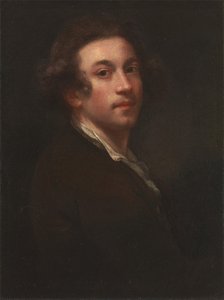
Sir Joshua Reynolds
1723 - 1792 , Reino Unido
Informações Rápidas
- Artistic Movement Or Style: Grand Style retrato
- Artists Or Movements Influenced By This Artist: ['Thomas Gainsborough']
- Artists Who Influenced This Artist: ['Thomas Hudson']
- Date Of Birth: 1723
- Date Of Death: 1792
- Full Name: Sir Joshua Reynolds
- Nationality: Britânico
- Notable Artworks:
- Peter Darnell...
- Sr. e Sra. William Lindow
- Retrato de John Hayes...
- Place Of Birth: Plymouth, Reino Unido
Artigos Relacionados

The Enduring Power of Painting: A Historical & Contemporary Exploration of Form and Emotion
Explore the rich history & enduring techniques of oil painting with OriginalUniqueArt. Discover masterpieces, learn about art collecting, and find authentic handmade reproductions crafted by skilled artists.

Oil on Canvas: A Historical & Technical Exploration of a Timeless Artistic Medium
Explore the rich history & enduring techniques of oil painting on canvas. Discover the science behind its longevity, conservation practices, and contemporary relevance. Expert insights for art enthusiasts.

The Enduring Legacy of Oil on Canvas: Technique, History & Aesthetic Impact
Explore the rich history & techniques of oil painting – from Renaissance masters to Impressionism. Discover pigments, layering methods, and why this timeless medium endures. Expert insights for artists & art enthusiasts.
Sir Joshua Reynolds: 25 Obras-Primas que Definem um Ícone da Arte Britânica | OriginalUniqueArt
Descubra as 25 obras-primas de Sir Joshua Reynolds, o mestre dos retratos ingleses do século XVIII. Explore a elegância neoclássica e a história por trás de cada pintura. Reproduções de arte exclusivas em OriginalUniqueArt.com!

Romantic Realism's Finest: 10 Masterpieces for Your Home | OriginalUniqueArt
Explore 10 defining masterpieces of Romantic Realism! Discover Courbet, Millet & Daumier's powerful paintings—capturing emotion and social realities. Find museum-quality reproductions for your home at OriginalUniqueArt.com.