Visualizar na parede
 Compartilhar
 Compartilhar
 Detalhes
 Guia
Guia

 Baixar imagem
 Semelhantes
 Raio X
 Ver diaporama
 Perguntas e Respostas
 Estatísticas
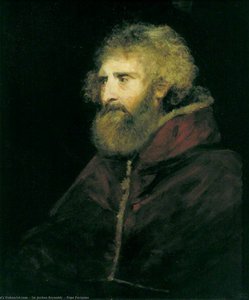
Sra. Jane Braddyll

- 76.0 x 63.0 cm


 Ler mais
Giclée / Impressão de Arte
Impressão giclée ou em tela de qualidade de museu, com produção rápida e opções flexíveis de acabamento. ( Comprar pintura feita à mão Alternar para Imagem Digital)




P118B €10

P118H €10

P118W €10

P438Z €10

P508JH €12

P508YH €12

P805H €10

P805Z €10

P919BZ €10

P919G €10

P919XJ €10

P959ZH €10

P968JZ €12

W106C €8

W218G €10

W218JH €8

W218Y €10

W307PJ €10

W316G €10

W316PJ €8

W316Y €10

W398PJ €8

W4111J €10

W500HY €15

W500JH €15

W692G €12

W849H €8

W940BG €15

W953PJ €8




Escolha entre os nossos tamanhos pré-definidos que respeitam as proporções originais da obra de arte.

Insira a largura e a altura desejadas para se ajustarem à sua moldura ou parede. Uma impressão pode ser apenas cortada, nunca ampliada além da imagem original; portanto, um tamanho com proporções diferentes resultará na perda de parte da imagem. Enviamos uma maquete digital para sua aprovação antes de realizarmos a impressão. A imagem exibida nesta página não mostra o corte real — apenas a maquete o faz.
Entrega mundial () em 2 semanas, em vez das 4/5 semanas padrão. (8 Novembro)

Envio expresso gratuito para todo o mundo

Tela de Linho de Alta Qualidade

Seguro de transporte completo

Garantia de Reembolso de Impostos Alfandegários

Garantia de Fidelidade Cromática

Política de Devolução em 100 Dias (Apenas para Defeitos)

Garantia de reembolso de 100%

Oferta de desconto por quantidade
 A opção de vidro está disponível apenas para tamanhos inferiores a 110 cm

Sra. Jane Braddyll
Giclée / Impressão de Arte
Tamanho da Reprodução
-


Preço Total
€ 72
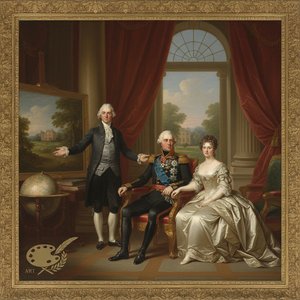
Mrs Jane Braddyll: Um Retrato de Elegância Definido pelo Grand Style de Reynolds
A obra “Mrs Jane Braddyll”, concluída por Sir Joshua Reynolds em 1788, ergue-se como um exemplar quintessencial do retrato neoclássico — um gênero que floresceu durante o Iluminismo e buscou elevar as artes visuais através da beleza idealizada e da observação meticulosa. Mais do que uma simples semelhança, esta pintura encarna o célebre ‘Grand Style’ de Reynolds, refletindo sua profunda compreensão das convenções artísticas e sua habilidade magistral de capturar não apenas a aparência, mas também o caráter e o status social.
- Tema: O retrato retrata Jane Braddyll, uma mulher de considerável influência nos círculos aristocráticos. Seu olhar sereno e sua postura cuidadosamente posicionada transmitem um ar de compostura e dignidade — traços considerados primordiais ao retratar indivíduos de nobre nascimento durante o período.
- Estilo e Técnica: Reynolds empregou o Grand Style, caracterizado por superfícies suaves alcançadas através da sobreposição de camadas de tinta a óleo com precisão minuciosa. As pinceladas são sutilmente mescladas para criar um efeito luminoso, enfatizando variações tonais que conferem profundidade e realismo à tela. O artista utilizou habilidosamente técnicas de hachura e contra-hachura para delinear formas — particularmente as dobras do vestido de Braddyll e os contornos de seu rosto — adicionando riqueza textural e aumentando o impacto visual.
- Contexto Histórico: Criada durante uma época de significativa inovação artística, “Mrs Jane Braddylação” reflete a preocupação cultural mais ampla com os ideais clássicos e os valores humanistas. A obra de Reynolds alinha-se perfeitamente com as sensibilidades estéticas predominantes de sua era, demonstrando um compromisso inabalável em capturar a beleza em sua forma mais refinada.
- Simbolismo e Composição: O pano de fundo de paisagem enevoada serve como mais do que um mero elemento decorativo; ele reforça sutilmente o clima contemplativo do retrato. O posicionamento de Braddyll — sentada centralmente no quadro — enfatiza sua importância e direciona a atenção do espectador para seu rosto expressivo. As linhas dominam a composição, guiando o olhar através da tela e contribuindo para uma sensação de equilíbrio e harmonia.
- Impacto Emocional: “Mrs Jane Braddyll” transcende a mera representação; ela evoca sentimentos de serenidade, graça e elegância contida. A técnica magistral de Reynolds captura não apenas a aparência física de Braddyll, mas também seu espírito interior — um testemunho da habilidade do artista em transmitir emoção profunda através da arte visual.
Esta obra de arte notável exemplifica a dedicação de Reynolds em elevar o retrato além da mera semelhança, transformando-o em um veículo para transmitir profundidade intelectual e emocional. Seu apelo duradouro reside em sua beleza atemporal e em sua execução magistral — um legado que continua a inspirar artistas e colecionadores da mesma forma.
Explorando a Visão do Artista: Reynolds e o Grand Style
Sir Joshua Reynolds (1723–1792) revolucionou a pintura britânica com sua abordagem pioneira ao retrato. Ele defendeu o ‘Grand Style’, rejeitando a frivolidade do Rococó em favor de uma técnica disciplinada, focada em alcançar a beleza idealizada e transmitir nuances psicológicas. Reynolds estudou meticulosamente a escultura e o desenho clássicos, incorporando princípios de anatomia e perspectiva em suas composições — um esforço deliberado para emular a grandeza da antiguidade.
Exame Detalhado: Técnica e Materiais
A maestria de Reynolds residia na aplicação minuciosa da tinta a óleo sobre a tela. Ele empregou uma técnica de camadas conhecida como ‘glazing’ (veladura), aplicando lavagens finas e translúcidas de cor sobre camadas anteriores — um processo que constrói profundidade tonal e luminosidade com uma sutileza notável. O artista utilizou hachuras para criar texturas e contornos, renderizando meticulosamente detalhes como as dobras do vestido de Braddyll e as linhas delicadas de seu cabelo.
Além da Representação: Simbolismo e Contexto
O fundo de paisagem — renderizado em perspectiva atmosférica — sugere um ambiente ao ar livre, enquanto simultaneamente reforça o clima contemplativo do retrato. Reynolds utilizou habilidosamente elementos composicionais para transmitir uma sensação de equilíbrio e harmonia, refletindo a fascinação do Iluminismo pela ordem racional e pela clareza intelectual.
Perguntas e Respostas
Qual é a tonalidade predominante de "Sra. Jane Braddyll", de Sir Joshua Reynolds?
"Sra. Jane Braddyll" inclina-se para um tom Do ocre ao sépia.
Qual é a intensidade do contraste em "Sra. Jane Braddyll", de Sir Joshua Reynolds?
O contraste entre claro e escuro de "Sra. Jane Braddyll" é registrado como Declaração. O contraste descreve a intensidade da diferença entre as áreas claras e escuras.
Para qual ambiente "Sra. Jane Braddyll", de Sir Joshua Reynolds é recomendado, considerando as suas cores?
A paleta de cores Tons terrosos de "Sra. Jane Braddyll", de Sir Joshua Reynolds harmoniza perfeitamente com o ambiente recomendado: um(a) Sala de Estar.
Biografia do Artista
A Luminary of the Enlightenment: The Life and Art of Sir Joshua Reynolds
Sir Joshua Reynolds, born in 1723 in the quaint Devonshire town of Plympton, emerged as a pivotal figure during a period of immense cultural transformation in Britain. His father, Reverend Samuel Reynolds, instilled in him a love for learning and intellectual pursuits, initially steering young Joshua towards a scholarly path. However, an undeniable artistic inclination soon surfaced, leading to his apprenticeship with Thomas Hudson in London at the age of seventeen. This formative experience provided Reynolds with a solid foundation in portraiture—a genre that would become the cornerstone of his illustrious career. Hudson’s studio was more than just a workspace; it was a vibrant hub of fashionable society, exposing Reynolds to the demands and expectations of aristocratic patrons – shaping not only his technique but also his profound understanding of the social landscape he would so masterfully depict. It wasn't merely about capturing likeness; it was about constructing an image that reflected status, taste, and aspiration, a carefully orchestrated representation of power and refinement.Forging a ‘Grand Style’ for British Portraiture
Reynolds didn’t simply replicate what he learned from Hudson. He embarked on a journey of artistic exploration, fueled by a deep admiration for the Old Masters – particularly Raphael, Michelangelo, and Titian. A defining moment in his development occurred during a sojourn to Rome in 1750. There, immersed in classical art and absorbing the principles of the ‘Grand Style’ – an approach that prioritized idealized beauty, dramatic composition, and historical or mythological allusions – Reynolds fundamentally altered his artistic vision. He sought to elevate British portraiture beyond mere representation, imbuing it with a sense of dignity and intellectual weight previously unseen. He believed that portraits should not just record physical appearances but also reveal the sitter’s character and social standing, transforming them into symbols of their era. This ambition led him to incorporate elements of history painting – often depicting his subjects in elaborate costumes or staged settings reminiscent of classical narratives – creating a visual dialogue between the present and the past. Reynolds wasn't merely painting *people*; he was crafting enduring images of power, intellect, and refinement.The First President and Champion of the Royal Academy
Reynolds’ influence extended far beyond his own canvas. In 1768, he became a founding member of the Royal Academy of Arts, and crucially, its first president – a position he held until his death in 1792. This was a watershed moment for British art, establishing an institution dedicated to fostering artistic talent and promoting national identity. Reynolds tirelessly advocated for the importance of art education and championed the recognition of artists as professionals deserving of respect and patronage. His annual Discourses – lectures delivered to Academy students – became seminal texts on artistic theory and practice, outlining his vision for a distinctly British school of painting. He stressed the importance of studying nature, mastering technique, and cultivating imagination, urging artists to strive for originality while remaining grounded in tradition. Reynolds’ leadership transformed the landscape of British art, elevating its status and laying the groundwork for future generations of artistic innovation.Capturing an Era: Notable Works and Enduring Legacy
Reynolds' prolific output encompassed portraits of some of the most prominent figures of 18th-century Britain – members of the aristocracy, literary luminaries, and military heroes. His portrait of Duke of Devonshire, for example, exudes an air of aristocratic power and sophistication, while his depiction of *Peter Darnell Muilman, Charles Crokatt and William Keable in a Landscape* showcases his ability to integrate figures seamlessly into natural settings. Mr and Mrs William Lindow is another compelling example of his skill in capturing the intimacy and social dynamics of family life. Beyond individual portraits, Reynolds also excelled at group compositions, skillfully arranging multiple figures within a single frame to create dynamic and engaging narratives. His work wasn’t simply about technical proficiency; it was about storytelling—about conveying the essence of an era through carefully constructed images. His works can be found in prestigious collections worldwide, including the Tate Britain in London and the Royal Collection at Hampton Court, ensuring that his legacy will continue to inspire and inform for centuries to come.Influences and Artistic Style
Reynolds’ artistic style was deeply rooted in the traditions of the Old Masters, particularly Raphael, Michelangelo, and Titian. He admired their mastery of composition, anatomy, and color, but he also sought to adapt these principles to the specific needs of British portraiture. His ‘Grand Style’ emphasized idealized beauty, dramatic lighting, and a sense of historical or mythological grandeur. He was influenced by the Baroque painters of Italy, particularly Rubens, whose dynamic brushwork and vibrant colors he adopted for his own work. Reynolds' portraits are characterized by their elegance, psychological depth, and meticulous attention to detail. He was renowned for his ability to capture not only the physical likeness of his sitters but also their personalities and social standing. His use of color was particularly noteworthy, employing a rich palette of reds, blues, and greens to create visually stunning and emotionally resonant images.A Lasting Impact
Sir Joshua Reynolds’s legacy extends far beyond his individual paintings. He fundamentally reshaped the course of British art, elevating portraiture to a position of prominence and establishing the Royal Academy as a vital center for artistic development. His emphasis on classical ideals, rigorous technique, and psychological insight influenced generations of artists who followed him. Today, Reynolds remains one of the most celebrated figures in British art history – a testament to his extraordinary talent, vision, and enduring impact on the cultural landscape.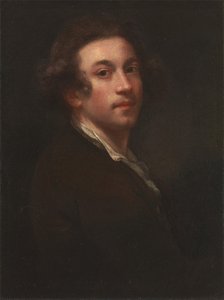
Sir Joshua Reynolds
1723 - 1792 , Reino Unido
Dados Rápidos
- Artistic Movement Or Style: Grand Style retrato
- Artists Or Movements Influenced By This Artist: ['Thomas Gainsborough']
- Artists Who Influenced This Artist: ['Thomas Hudson']
- Date Of Birth: 1723
- Date Of Death: 1792
- Full Name: Sir Joshua Reynolds
- Nationality: Britânico
- Notable Artworks:
- Peter Darnell...
- Sr. e Sra. William Lindow
- Retrato de John Hayes...
- Place Of Birth: Plymouth, Reino Unido
Artigos Relacionados
Sir Joshua Reynolds: Shaping British Art Through Grand Style & Societal Portraiture
Explore the life & work of Sir Joshua Reynolds, a master of British portraiture and founder of the Royal Academy. Discover his 'Grand Style,' techniques, and lasting influence on art history. Learn more at OriginalUniqueArt.

Sir Joshua Reynolds: 25 Obras-Primas que Definem um Ícone da Arte Britânica | OriginalUniqueArt
Descubra as 25 obras-primas de Sir Joshua Reynolds, o mestre dos retratos ingleses do século XVIII. Explore a elegância neoclássica e a história por trás de cada pintura. Reproduções de arte exclusivas em OriginalUniqueArt.com!
Thomas Hudson: A Study in 18th-Century Portraiture & British Artistic Identity
Explore the life & work of Thomas Hudson, a leading 18th-century British portraitist. Discover his mastery of the 'Grand Manner,' influential style, and lasting impact on British art. Learn about his notable portraits like Judge William Noel & Alexander Van Aken.

Reflecting Nobility & Nuance: 18th-Century Portraiture as a Window into Societal Values
Explore the world of 18th-century portraiture with OriginalUniqueArt. Discover symbolism, artistic innovation & societal values reflected in masterpieces by Reynolds, Hogarth & more. Expert insights for collectors.
John Hoppner: Portraiture, Patronage & British Identity in the Late Georgian Era
Explore the life & work of John Hoppner, a leading Georgian portraitist. Discover his vibrant style, influential patrons, and lasting impact on British art history. Expert insights for collectors.