- Início

- Reprodução de Pintura a Óleo
- Sir Joshua Reynolds
- Mrs. Robinson

 Comprar impressão Comprar imagem em alta resolução
 Enviar
 Compartilhar
 Detalhes da obra
 Adicionar aos favoritos

 Baixar
 Semelhantes
 Raio X
 Slideshow
Mrs. Robinson


 Ver mais
Reprodução em Óleo Feita à Mão
Óleo sobre tela pintado à mão no seu tamanho e moldura, feito sob encomenda pelos nossos artistas.




P118B $10

P118H $10

P118W $10

P438Z $10

P508JH $12

P508YH $12

P805H $10

P805Z $10

P919BZ $10

P919G $10

P919XJ $10

P959ZH $10

P968JZ $12

W106C $8

W218G $10

W218JH $8

W218Y $10

W307PJ $10

W316G $10

W316PJ $8

W316Y $10

W398PJ $8

W4111J $10

W500HY $15

W500JH $15

W692G $12

W849H $8

W940BG $15

W953PJ $8




Escolha entre os nossos tamanhos pré-definidos que respeitam as proporções originais da obra de arte.

Pode inserir as suas próprias dimensões para se adequar a uma moldura ou espaço específico. Se o tamanho selecionado não corresponder às proporções da imagem original, iremos cortar a obra de arte ou estender a pintura com elementos adicionais pintados à mão. Um esboço digital será enviado para sua aprovação antes do início da produção.
Tenha em atenção que a pré-visualização no ecrã não reflete o corte ou extensão real. Apenas o esboço mostrará com precisão a composição final.
Embora tamanhos personalizados estejam disponíveis, recomendamos selecionar uma dimensão da lista predefinida para preservar as proporções originais.
Após o pedido, a equipa OriginalUniqueArt.com enviará um e-mail ao cliente para solicitar instruções e fornecer uma prévia do esboço.
Entrega Mundial () em 3 a 4 semanas, em vez das 5 semanas padrão. (16 Julho). Sem comprometer a qualidade.

Envio Expresso Gratuito para todo o Mundo

Tela de Linho Premium

Seguro de envio completo

Garantia de Reembolso de Impostos Alfandegários

Garantia de Fidelidade de Cores

Política de Devolução de 60 Dias (Apenas para Defeitos)

Garantia de 100% de Reembolso

Desconto para múltiplas unidades
 A opção de vidro está disponível apenas para tamanhos inferiores a 110 cm

Mrs. Robinson
Técnica de Reprodução
Dimensões da Reprodução
-


Preço Total Final
-
Descrição da Obra
The Enigmatic Grace of Sir Joshua Reynolds’ Mrs. Robinson
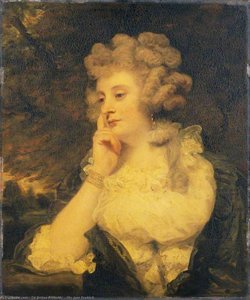
Sir Joshua Reynolds' “Mrs. Robinson,” painted in 1784, isn’t merely a portrait; it’s a carefully constructed tableau vivant—a glimpse into the refined world of Georgian England and the subtle power dynamics within its aristocratic circles. The painting captures Mary Robinson, a celebrated actress known for her roles at Drury Lane, not as a theatrical spectacle but as an embodiment of elegance, intelligence, and quiet observation. Reynolds, a pivotal figure in establishing portraiture as a respected art form, masterfully employs his signature style—a blend of classical restraint and naturalistic detail—to create an image that transcends the simple act of likeness.
The composition immediately draws the viewer into the subject’s world. Mrs. Robinson is positioned slightly off-center, leaning gently towards the observer, a posture suggesting both confidence and a hint of introspection. Her profile view, a favored technique during this era, emphasizes her features—the delicate curve of her jawline, the subtle fullness of her lips, and the intelligent sparkle in her eyes. The loose background, rendered in muted earth tones – creams, beiges, and soft grays – serves to highlight the sitter’s presence without overwhelming it. It's a deliberate choice that prioritizes the subject’s character over elaborate setting.
A Symphony of Color and Light
Reynolds’ palette is remarkably restrained, dominated by cool, harmonious tones. The use of subtle pinks in her skin creates an illusion of warmth against the cooler background, while touches of blue-green hint at a distant landscape—perhaps a reference to her theatrical performances or a symbolic representation of her inner world. The artist's skillful blending of colors achieves a remarkable sense of depth and luminosity, particularly noticeable in the folds of her gown and the delicate highlights on her face. The diffused lighting, originating from an unseen source, casts soft shadows that add volume and dimension to the portrait, creating a three-dimensional effect.
Technically, Reynolds’ brushwork is both meticulous and remarkably loose. He employs a technique known as “alla prima,” working directly onto the canvas without extensive underpainting. This results in visible brushstrokes—a characteristic of his style that lends the painting a sense of immediacy and vitality. The impasto technique, where paint is applied thickly to create texture, is particularly evident in the background, adding visual interest and contributing to the overall richness of the composition. The careful attention to detail, combined with the loose handling of paint, creates a captivating balance between precision and spontaneity.
Symbolism and Social Context
“Mrs. Robinson” is more than just a likeness; it’s a carefully constructed statement about social status and artistic ideals. Reynolds was deeply invested in promoting the “Grand Style” of portraiture, which emphasized naturalism, elegance, and an idealized representation of the sitter's character. Mrs. Robinson’s attire—a simple yet elegant gown—suggests wealth and refinement without resorting to ostentatious displays. Her contemplative pose hints at intelligence and a cultivated sensibility – qualities highly valued in aristocratic women during this period.
The painting also subtly alludes to the social dynamics of the time. As an actress, Mrs. Robinson occupied a unique position within Georgian society—a public figure admired for her talent but often viewed with suspicion by more conservative elements. Reynolds’ portrayal captures both her beauty and her intelligence, suggesting that she is a woman of considerable influence and sophistication. The inclusion of subtle details – like the delicate lace at her neckline – further reinforces this impression.
A Legacy of Elegance
“Mrs. Robinson” stands as a testament to Sir Joshua Reynolds’ mastery of portraiture and his profound understanding of the social and artistic conventions of his time. It's a painting that invites contemplation, revealing layers of meaning beneath its surface beauty. Reproductions of this iconic work capture the essence of Reynolds’ style—his ability to imbue a portrait with both elegance and psychological depth. Whether adorning a grand salon or a private study, “Mrs. Robinson” continues to captivate viewers with its timeless grace and subtle power.
Biografia do Artista
A Luminary of the Enlightenment: The Life and Art of Sir Joshua Reynolds
Sir Joshua Reynolds, born in 1723 in the quaint Devonshire town of Plympton, emerged as a pivotal figure during a period of immense cultural transformation in Britain. His father, Reverend Samuel Reynolds, instilled in him a love for learning and intellectual pursuits, initially steering young Joshua towards a scholarly path. However, an undeniable artistic inclination soon surfaced, leading to his apprenticeship with Thomas Hudson in London at the age of seventeen. This formative experience provided Reynolds with a solid foundation in portraiture—a genre that would become the cornerstone of his illustrious career. Hudson’s studio was more than just a workspace; it was a vibrant hub of fashionable society, exposing Reynolds to the demands and expectations of aristocratic patrons – shaping not only his technique but also his profound understanding of the social landscape he would so masterfully depict. It wasn't merely about capturing likeness; it was about constructing an image that reflected status, taste, and aspiration, a carefully orchestrated representation of power and refinement.Forging a ‘Grand Style’ for British Portraiture
Reynolds didn’t simply replicate what he learned from Hudson. He embarked on a journey of artistic exploration, fueled by a deep admiration for the Old Masters – particularly Raphael, Michelangelo, and Titian. A defining moment in his development occurred during a sojourn to Rome in 1750. There, immersed in classical art and absorbing the principles of the ‘Grand Style’ – an approach that prioritized idealized beauty, dramatic composition, and historical or mythological allusions – Reynolds fundamentally altered his artistic vision. He sought to elevate British portraiture beyond mere representation, imbuing it with a sense of dignity and intellectual weight previously unseen. He believed that portraits should not just record physical appearances but also reveal the sitter’s character and social standing, transforming them into symbols of their era. This ambition led him to incorporate elements of history painting – often depicting his subjects in elaborate costumes or staged settings reminiscent of classical narratives – creating a visual dialogue between the present and the past. Reynolds wasn't merely painting *people*; he was crafting enduring images of power, intellect, and refinement.The First President and Champion of the Royal Academy
Reynolds’ influence extended far beyond his own canvas. In 1768, he became a founding member of the Royal Academy of Arts, and crucially, its first president – a position he held until his death in 1792. This was a watershed moment for British art, establishing an institution dedicated to fostering artistic talent and promoting national identity. Reynolds tirelessly advocated for the importance of art education and championed the recognition of artists as professionals deserving of respect and patronage. His annual Discourses – lectures delivered to Academy students – became seminal texts on artistic theory and practice, outlining his vision for a distinctly British school of painting. He stressed the importance of studying nature, mastering technique, and cultivating imagination, urging artists to strive for originality while remaining grounded in tradition. Reynolds’ leadership transformed the landscape of British art, elevating its status and laying the groundwork for future generations of artistic innovation.Capturing an Era: Notable Works and Enduring Legacy
Reynolds' prolific output encompassed portraits of some of the most prominent figures of 18th-century Britain – members of the aristocracy, literary luminaries, and military heroes. His portrait of Duke of Devonshire, for example, exudes an air of aristocratic power and sophistication, while his depiction of *Peter Darnell Muilman, Charles Crokatt and William Keable in a Landscape* showcases his ability to integrate figures seamlessly into natural settings. Mr and Mrs William Lindow is another compelling example of his skill in capturing the intimacy and social dynamics of family life. Beyond individual portraits, Reynolds also excelled at group compositions, skillfully arranging multiple figures within a single frame to create dynamic and engaging narratives. His work wasn’t simply about technical proficiency; it was about storytelling—about conveying the essence of an era through carefully constructed images. His works can be found in prestigious collections worldwide, including the Tate Britain in London and the Royal Collection at Hampton Court, ensuring that his legacy will continue to inspire and inform for centuries to come.Influences and Artistic Style
Reynolds’ artistic style was deeply rooted in the traditions of the Old Masters, particularly Raphael, Michelangelo, and Titian. He admired their mastery of composition, anatomy, and color, but he also sought to adapt these principles to the specific needs of British portraiture. His ‘Grand Style’ emphasized idealized beauty, dramatic lighting, and a sense of historical or mythological grandeur. He was influenced by the Baroque painters of Italy, particularly Rubens, whose dynamic brushwork and vibrant colors he adopted for his own work. Reynolds' portraits are characterized by their elegance, psychological depth, and meticulous attention to detail. He was renowned for his ability to capture not only the physical likeness of his sitters but also their personalities and social standing. His use of color was particularly noteworthy, employing a rich palette of reds, blues, and greens to create visually stunning and emotionally resonant images.A Lasting Impact
Sir Joshua Reynolds’s legacy extends far beyond his individual paintings. He fundamentally reshaped the course of British art, elevating portraiture to a position of prominence and establishing the Royal Academy as a vital center for artistic development. His emphasis on classical ideals, rigorous technique, and psychological insight influenced generations of artists who followed him. Today, Reynolds remains one of the most celebrated figures in British art history – a testament to his extraordinary talent, vision, and enduring impact on the cultural landscape.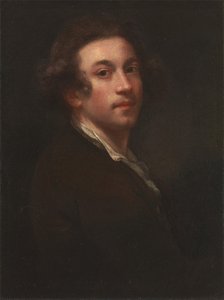
Sir Joshua Reynolds
1723 - 1792 , Reino Unido
Informações Rápidas
- Artistic Movement Or Style: Grand Style retrato
- Artists Or Movements Influenced By This Artist: ['Thomas Gainsborough']
- Artists Who Influenced This Artist: ['Thomas Hudson']
- Date Of Birth: 1723
- Date Of Death: 1792
- Full Name: Sir Joshua Reynolds
- Nationality: Britânico
- Notable Artworks:
- Peter Darnell...
- Sr. e Sra. William Lindow
- Retrato de John Hayes...
- Place Of Birth: Plymouth, Reino Unido
Artigos Relacionados

A Convergência da Tecnologia e Tradição na Criação de Arte Personalizada: Precisão Digital e Técnicas Clássicas no Contexto Contemporâneo
Descubra como a OriginalUniqueArt une tecnologia e tradição para criar arte personalizada de qualidade museológica. Reproduções fiéis, artistas talentosos e consultoria especializada. Transforme suas visões em obras-primas únicas!
John Frederick Lewis: Orientalism, Detail & Genre Painting in 19th-Century British Art
Explore the captivating Orientalist paintings of John Frederick Lewis! Discover his mastery of detail, genre scenes & influence on 19th-century British art. Learn about his life, techniques & legacy at OriginalUniqueArt.
A Arte da Recordação Secreta: Retratos a Óleo Personalizados como Expressões de Afeto e Surpresa Discreta
Transforme suas memórias em obras de arte atemporais com retratos a óleo personalizados. Artistas experientes, técnicas tradicionais e qualidade museológica. Descubra o presente perfeito!
Da Imagem à Herança: A Arte de Comissionar uma Reprodução Pintada à Mão – Preservando Memórias Através da Pintura a Óleo
Transforme suas fotos em obras de arte atemporais! Descubra a arte de comissionar reproduções pintadas à mão, com artistas experientes e materiais de qualidade museológica. Preserve memórias para sempre.

Joseph Highmore: Moral Tales & Domestic Genre in 18th-Century British Art
Explore the captivating world of Joseph Highmore, a leading British Rococo painter. Discover his elegant portraits, insightful 'Pamela' illustrations & contributions to 18th-century art history. Learn more at OriginalUniqueArt.