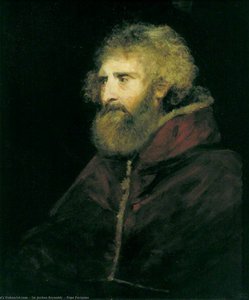
Visualizar em escala
 Enviar
 Compartilhar
 Ver detalhes
 Guia de Obras do Aluno

 Baixar imagem
 Semelhantes
 Raio X
 Apresentação de slides
 Estatísticas
Macbeth and the Witches
 Oil On Canvas
- WallArt
- Neoclassicism
 1786
1786- 19th Century
 272.0 x 366.0 cm
 Ver mais
Giclée / Impressão de Arte
Impressão giclée ou em tela de qualidade de museu, com produção rápida e opções flexíveis de acabamento. ( Encomendar reprodução pintada à mão Ver Imagem Digital)




P118B $10

P118H $10

P118W $10

P438Z $10

P508JH $12

P508YH $12

P805H $10

P805Z $10

P919BZ $10

P919G $10

P919XJ $10

P959ZH $10

P968JZ $12

W106C $8

W218G $10

W218JH $8

W218Y $10

W307PJ $10

W316G $10

W316PJ $8

W316Y $10

W398PJ $8

W4111J $10

W500HY $15

W500JH $15

W692G $12

W849H $8

W940BG $15

W953PJ $8




Escolha entre os nossos tamanhos pré-definidos que respeitam as proporções originais da obra de arte.

Você pode inserir suas próprias dimensões para se ajustar a uma moldura ou espaço específico. Se o tamanho selecionado não corresponder às proporções da imagem original, iremos recortar a obra de arte ou estender a imagem com uma borda espelhada ou preenchimento sólido. Um mockup digital será enviado para sua aprovação antes do início da produção.
Por favor, observe que a visualização na tela não reflete o recorte ou a extensão real. Apenas o mockup mostrará com precisão a composição final.
Embora tamanhos personalizados estejam disponíveis, recomendamos selecionar uma dimensão da lista predefinida para preservar as proporções originais.
Entrega mundial () em 2 semanas, em vez das 4/5 semanas padrão. (25 Setembro)

Envio expresso gratuito para todo o mundo

Tela de Linho Premium

Seguro de transporte total

Garantia de Reembolso de Impostos Alfandegários

Garantia de Fidelidade de Cor

Política de Devolução em 100 Dias (Apenas para Defeitos)

Garantia de reembolso de 100%

Desconto para múltiplas unidades
 A opção de vidro está disponível apenas para tamanhos inferiores a 110 cm

Macbeth and the Witches
Giclée / Impressão de Arte
Dimensões da Reprodução
-


Preço Total
$ 80
A Descent into Prophecy: The Drama of Macbeth and the Witches
To stand before this depiction of Macbeth and the Witches is to step directly onto the tempestuous stage of Shakespearean tragedy. Sir Joshua Reynolds, master chronicler of Georgian society and profound interpreter of dramatic narrative, has captured not merely a scene, but a moment suspended in potent anticipation. The air itself seems thick with ill-omen; the gathering is charged with forbidden knowledge and the intoxicating lure of ambition. We see Macbeth, already adorned with the trappings of kingship—the crown heavy upon his brow, the sword a promise of bloody destiny—confronting the enigmatic trio of witches. This painting transcends simple portraiture; it is a visual meditation on fate versus free will.
The Allure of the Supernatural and Human Drama
Reynolds masterfully populates this dark chamber with figures whose interactions pulse with barely contained energy. Beyond Macbeth, Lady Macbeth stands as a figure of formidable, almost terrifying resolve, while Banquo observes from the periphery, perhaps representing the conscience that resists the fatal pull. The witches themselves are archetypes of temptation—their long hair and pointed hats speak to an ancient, untamed magic. The setting, dominated by the brooding presence of the fireplace, acts as both a source of meager light and a psychological crucible. Reynolds employs dramatic chiaroscuro, allowing deep shadows to consume the edges of the frame, thereby focusing all emotional intensity onto the central confrontation. It is a study in contrasts: the flickering candlelight against the eternal darkness of moral choice.
Technical Brilliance and Historical Context
Painted in 1786, this work places us at the height of Reynolds's career, when he was defining the very parameters of British academic art. While his reputation rests heavily on portraiture, here he channels that technical virtuosity into narrative grandeur. Observe the handling of the drapery; it falls with a weight and richness that speaks to meticulous observation, yet the brushwork remains fluid enough to convey the supernatural element. The costumes are richly detailed, anchoring the high drama in recognizable historical fashion while simultaneously allowing the symbolic elements—the crowns, the robes—to take precedence. It is a perfect marriage of contemporary portraiture skill applied to timeless myth.
Symbolism and Emotional Resonance for the Modern Collector
For the collector or designer seeking an object imbued with narrative depth, this piece offers profound resonance. The symbolism here is potent: ambition (Macbeth), temptation (the Witches), and the burden of destiny. Owning a reproduction of this work is not merely decorating a wall; it is curating a focal point of intellectual drama. It invites contemplation on the whispers that guide our greatest decisions, the moments when the path forward seems illuminated by both glory and utter ruin. The sheer scale (272 x 366 cm) ensures its presence commands attention, transforming any grand hall or library into a space echoing with Shakespearean gravitas.
Biografia do Artista
A Luminary of the Enlightenment: The Life and Art of Sir Joshua Reynolds
Sir Joshua Reynolds, born in 1723 in the quaint Devonshire town of Plympton, emerged as a pivotal figure during a period of immense cultural transformation in Britain. His father, Reverend Samuel Reynolds, instilled in him a love for learning and intellectual pursuits, initially steering young Joshua towards a scholarly path. However, an undeniable artistic inclination soon surfaced, leading to his apprenticeship with Thomas Hudson in London at the age of seventeen. This formative experience provided Reynolds with a solid foundation in portraiture—a genre that would become the cornerstone of his illustrious career. Hudson’s studio was more than just a workspace; it was a vibrant hub of fashionable society, exposing Reynolds to the demands and expectations of aristocratic patrons – shaping not only his technique but also his profound understanding of the social landscape he would so masterfully depict. It wasn't merely about capturing likeness; it was about constructing an image that reflected status, taste, and aspiration, a carefully orchestrated representation of power and refinement.Forging a ‘Grand Style’ for British Portraiture
Reynolds didn’t simply replicate what he learned from Hudson. He embarked on a journey of artistic exploration, fueled by a deep admiration for the Old Masters – particularly Raphael, Michelangelo, and Titian. A defining moment in his development occurred during a sojourn to Rome in 1750. There, immersed in classical art and absorbing the principles of the ‘Grand Style’ – an approach that prioritized idealized beauty, dramatic composition, and historical or mythological allusions – Reynolds fundamentally altered his artistic vision. He sought to elevate British portraiture beyond mere representation, imbuing it with a sense of dignity and intellectual weight previously unseen. He believed that portraits should not just record physical appearances but also reveal the sitter’s character and social standing, transforming them into symbols of their era. This ambition led him to incorporate elements of history painting – often depicting his subjects in elaborate costumes or staged settings reminiscent of classical narratives – creating a visual dialogue between the present and the past. Reynolds wasn't merely painting *people*; he was crafting enduring images of power, intellect, and refinement.The First President and Champion of the Royal Academy
Reynolds’ influence extended far beyond his own canvas. In 1768, he became a founding member of the Royal Academy of Arts, and crucially, its first president – a position he held until his death in 1792. This was a watershed moment for British art, establishing an institution dedicated to fostering artistic talent and promoting national identity. Reynolds tirelessly advocated for the importance of art education and championed the recognition of artists as professionals deserving of respect and patronage. His annual Discourses – lectures delivered to Academy students – became seminal texts on artistic theory and practice, outlining his vision for a distinctly British school of painting. He stressed the importance of studying nature, mastering technique, and cultivating imagination, urging artists to strive for originality while remaining grounded in tradition. Reynolds’ leadership transformed the landscape of British art, elevating its status and laying the groundwork for future generations of artistic innovation.Capturing an Era: Notable Works and Enduring Legacy
Reynolds' prolific output encompassed portraits of some of the most prominent figures of 18th-century Britain – members of the aristocracy, literary luminaries, and military heroes. His portrait of Duke of Devonshire, for example, exudes an air of aristocratic power and sophistication, while his depiction of *Peter Darnell Muilman, Charles Crokatt and William Keable in a Landscape* showcases his ability to integrate figures seamlessly into natural settings. Mr and Mrs William Lindow is another compelling example of his skill in capturing the intimacy and social dynamics of family life. Beyond individual portraits, Reynolds also excelled at group compositions, skillfully arranging multiple figures within a single frame to create dynamic and engaging narratives. His work wasn’t simply about technical proficiency; it was about storytelling—about conveying the essence of an era through carefully constructed images. His works can be found in prestigious collections worldwide, including the Tate Britain in London and the Royal Collection at Hampton Court, ensuring that his legacy will continue to inspire and inform for centuries to come.Influences and Artistic Style
Reynolds’ artistic style was deeply rooted in the traditions of the Old Masters, particularly Raphael, Michelangelo, and Titian. He admired their mastery of composition, anatomy, and color, but he also sought to adapt these principles to the specific needs of British portraiture. His ‘Grand Style’ emphasized idealized beauty, dramatic lighting, and a sense of historical or mythological grandeur. He was influenced by the Baroque painters of Italy, particularly Rubens, whose dynamic brushwork and vibrant colors he adopted for his own work. Reynolds' portraits are characterized by their elegance, psychological depth, and meticulous attention to detail. He was renowned for his ability to capture not only the physical likeness of his sitters but also their personalities and social standing. His use of color was particularly noteworthy, employing a rich palette of reds, blues, and greens to create visually stunning and emotionally resonant images.A Lasting Impact
Sir Joshua Reynolds’s legacy extends far beyond his individual paintings. He fundamentally reshaped the course of British art, elevating portraiture to a position of prominence and establishing the Royal Academy as a vital center for artistic development. His emphasis on classical ideals, rigorous technique, and psychological insight influenced generations of artists who followed him. Today, Reynolds remains one of the most celebrated figures in British art history – a testament to his extraordinary talent, vision, and enduring impact on the cultural landscape.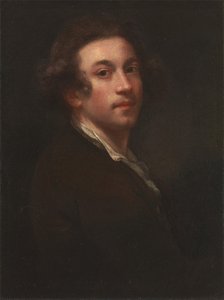
Sir Joshua Reynolds
1723 - 1792 , Reino Unido
Informações Rápidas
- Artistic Movement Or Style: Grand Style retrato
- Artists Or Movements Influenced By This Artist: ['Thomas Gainsborough']
- Artists Who Influenced This Artist: ['Thomas Hudson']
- Date Of Birth: 1723
- Date Of Death: 1792
- Full Name: Sir Joshua Reynolds
- Nationality: Britânico
- Notable Artworks:
- Peter Darnell...
- Sr. e Sra. William Lindow
- Retrato de John Hayes...
- Place Of Birth: Plymouth, Reino Unido
Artigos Relacionados

OriginalUniqueArt.com F.A.Q.: Elevate Your Decor with Premium Textured Giclée Prints
Discover the distinction of OriginalUniqueArt.com premium textured Giclée prints. Expertly crafted with archival 12-color pigments and museum-grade substrates, our prints offer unparalleled vividness for the discerning collector seeking luxury, durability, and timeless elegance.