

 Visualizar em escala
 Enviar
 Compartilhar
 Ver detalhes
 Guia de Obras do Aluno

 Baixar imagem
 Semelhantes
 Raio X
 Apresentação de slides
 Estatísticas
Jephthah


 Ver mais
Giclée / Impressão de Arte
Impressão giclée ou em tela de qualidade de museu, com produção rápida e opções flexíveis de acabamento. ( Encomendar reprodução pintada à mão Ver Imagem Digital)




P118B €10

P118H €10

P118W €10

P438Z €10

P508JH €12

P508YH €12

P805H €10

P805Z €10

P919BZ €10

P919G €10

P919XJ €10

P959ZH €10

P968JZ €12

W106C €8

W218G €10

W218JH €8

W218Y €10

W307PJ €10

W316G €10

W316PJ €8

W316Y €10

W398PJ €8

W4111J €10

W500HY €15

W500JH €15

W692G €12

W849H €8

W940BG €15

W953PJ €8




Escolha entre os nossos tamanhos pré-definidos que respeitam as proporções originais da obra de arte.

Digite a largura e a altura de que necessita, para se ajustar à sua moldura ou à sua parede. Uma impressão só pode ser cortada, nunca ampliada além da imagem original, pelo que um tamanho com uma proporção diferente perderá parte da imagem. Enviamos-lhe uma maquete digital para aprovação antes de imprimirmos qualquer coisa. A imagem apresentada nesta página não mostra o corte real — apenas a maquete o faz.
Entrega mundial () em 2 semanas, em vez das 4/5 semanas padrão. (22 Outubro)

Envio expresso gratuito para todo o mundo

Tela de Linho Premium

Seguro de transporte total

Garantia de Reembolso de Impostos Alfandegários

Garantia de Fidelidade de Cor

Política de Devolução em 100 Dias (Apenas para Defeitos)

Garantia de reembolso de 100%

Desconto para múltiplas unidades
 A opção de vidro está disponível apenas para tamanhos inferiores a 110 cm

Jephthah
Giclée / Impressão de Arte
Dimensões da Reprodução
-


Preço Total
€ 70
The Haunting Beauty of Millais’s Jephthah
Sir John Everett Millais's "Jephthah" – a painting that simultaneously evokes profound sorrow and a strange, unsettling beauty – stands as a cornerstone of the Pre-Raphaelite Brotherhood’s artistic vision. Completed in 1867 and now residing within the National Museum and Gallery of Wales in Cardiff, this oil on canvas is far more than a mere depiction of a biblical scene; it's a meticulously crafted exploration of human emotion, moral consequence, and the weight of ancient narratives.
The painting centers around Jephthah, a judge of Israel, forced by divine decree to sacrifice his daughter as an offering to appease a vengeful god. Millais doesn’t shy away from the brutal reality of this event, yet he imbues it with a haunting tenderness that transforms a tale of tragedy into a powerful meditation on duty and loss. The composition is dominated by the figure of Jephthah himself, a weathered warrior rendered in earthy tones, his face etched with grief as he cradles his daughter within his arms. Her sorrowful expression, coupled with her outstretched hands, speaks volumes about the unbearable weight of her impending fate.
Pre-Raphaelite Detail and Symbolism
Millais’s Pre-Raphaelite style is immediately apparent in the painting's astonishing level of detail. Every element – from the folds of Jephthah’s cloak to the texture of his daughter’s hair, the intricate patterns on her garment – has been rendered with painstaking accuracy. This commitment to realism wasn’t simply a technical exercise; it was a deliberate attempt to capture the essence of the biblical story with unparalleled fidelity. The artist meticulously studied the landscape and clothing of the period, ensuring that every aspect of the scene felt authentic and grounded in historical reality.
Beyond mere representation, “Jephthah” is rich in symbolic meaning. The desolate, windswept landscape – a stark contrast to the vibrant colors of the figures – represents the barrenness and moral decay that plagued Israel at the time. The daughter’s weeping symbolizes not only her personal grief but also the lamentation of an entire nation burdened by sin. The inclusion of other figures in the background—soldiers, attendants—adds layers of complexity, suggesting a community grappling with the consequences of Jephthah's actions and the broader implications of divine judgment.
A Victorian Exploration of Morality
“Jephthah” was created during a period of intense social and intellectual ferment in Victorian England. The Pre-Raphaelites, including Millais, sought to revive the artistic ideals of the medieval era, rejecting the academic conventions of the Royal Academy and embracing a more direct and emotionally honest approach to art. The painting reflects this spirit of rebellion, challenging viewers to confront uncomfortable truths about human nature and the complexities of morality.
Furthermore, the story itself resonated deeply with Victorian sensibilities, grappling with themes of sacrifice, duty, and the conflict between faith and reason. Millais’s portrayal of Jephthah's anguish captures the profound emotional toll exacted by a seemingly inescapable decree – a poignant reflection on the burdens of leadership and the devastating consequences of choices made in the name of divine authority.
Recreating History: High-Quality Reproductions
At OriginalUniqueArt.com, we are proud to offer meticulously crafted oil painting reproductions of “Jephthah,” allowing art lovers worldwide to experience the power and beauty of this iconic masterpiece. Each reproduction is created by skilled artisans using traditional techniques and archival-quality materials, ensuring that it faithfully captures the original’s rich colors, intricate details, and emotional depth. Whether you're a collector, an interior designer seeking a statement piece, or simply someone captivated by art history, our “Jephthah” reproduction is a stunning addition to any collection.
Perguntas e Respostas
A que fase do desenvolvimento de Sir John Everett Millais "Jephthah" pertence?
"Jephthah" pertence ao Pre-Raphaelite Era da carreira de Sir John Everett Millais. Esta classificação relaciona a obra ao desenvolvimento do artista.
O que "Jephthah" compartilha com o restante da obra de Sir John Everett Millais?
"Jephthah" compartilha com as outras obras de Sir John Everett Millais o seu estilo Pre-Raphaelite Brotherhood e os temas recorrentes: romanticism, victorian morality, biblical narrative, pre-raphaelite ideals, detailed realism, religious sacrifice, human suffering themes, millais's iconic.
Qual ambiente é sugerido para "Jephthah" de Sir John Everett Millais?
O espaço recomendado para "Jephthah" de Sir John Everett Millais é uma Living Room. A sugestão pode, naturalmente, ser adaptada ao seu interior.
Biografia do Artista
A Prodigy of the Pre-Raphaelites: The Life and Art of Sir John Everett Millais
Born in Southampton in 1829, John Everett Millais entered the Royal Academy Schools at the astonishing age of eleven—the youngest student ever admitted. This early demonstration of prodigious talent foreshadowed a career that would not only define an artistic movement but also capture the Victorian imagination with its breathtaking realism and emotional depth. From his earliest days, Millais possessed a remarkable gift for observation, a quality that would become the cornerstone of his artistic style. He wasn’t merely painting what he saw; he was meticulously recreating it, imbuing each brushstroke with an almost photographic fidelity. This dedication to truth in representation set him apart and ultimately led him to challenge the established conventions of British art.The Birth of a Brotherhood and Artistic Rebellion
Millais’s artistic trajectory took a pivotal turn in 1848 when, alongside Dante Gabriel Rossetti and William Holman Hunt, he founded the Pre-Raphaelite Brotherhood. This wasn't simply an aesthetic choice; it was a deliberate rebellion against what they perceived as the artificiality of academic art—art that had strayed too far from the natural world and the sincerity of early Renaissance masters, those working *before* Raphael. The Pre-Raphaelites sought to revive the clarity, detail, and vibrant color palettes of artists like Jan van Eyck and Fra Angelico. Their manifesto was one of truth to nature, a rejection of idealized forms, and an embrace of subjects drawn from literature, mythology, and everyday life. Millais’s early works, such as Isabella, immediately showcased this new approach—a meticulous attention to detail combined with a narrative intensity that captivated and often provoked audiences. His most controversial work during this period, Christ in the House of His Parents (1849-50), depicted the Holy Family not as ethereal beings but as ordinary working-class people, sparking outrage among critics who found its realism unsettling and even blasphemous. The painting’s depiction of Jesus as a young carpenter, his mother Mary tending to the household chores, and Joseph engaged in manual labor directly contradicted traditional religious iconography, forcing viewers to confront the humanity of Christ in a way they had never experienced before.Evolving Styles and Victorian Sensibilities
The mid-1850s marked a period of significant change for Millais, both personally and artistically. His marriage to Effie Gray, following the annulment of her marriage to John Ruskin, profoundly influenced his work. He moved away from the intensely detailed, symbolic style of his early Pre-Raphaelite paintings towards a broader, more atmospheric realism. This shift wasn’t simply a matter of stylistic preference; it reflected a growing engagement with contemporary life and a desire to capture the fleeting beauty of the natural world. Paintings like Autumn Leaves exemplify this new direction—a serene depiction of a group of young women drifting leaves on a river, imbued with a sense of melancholy and nostalgia. He also found considerable success as a portraitist, capturing the likenesses of prominent Victorian figures, including John Gladstone and Benjamin Disraeli. This period saw Millais achieve widespread popularity and financial security, but it also drew criticism from some who felt he had compromised his artistic principles.Iconic Works and Lasting Influence
Millais’s career spanned several decades, producing a vast body of work that continues to be celebrated for its beauty, technical skill, and emotional resonance. Ophelia (1851-1852), perhaps his most famous painting, remains an enduring symbol of Victorian art—a hauntingly beautiful depiction of the tragic heroine drowning in a river, surrounded by a profusion of wildflowers. The painting’s meticulous detail, its evocative use of color, and its poignant portrayal of loss have captivated audiences for generations. A Huguenot (1851-1852), depicting a scene of religious persecution, showcases Millais's ability to capture dramatic emotion and narrative intensity. Mariana (1850-1851), inspired by Tennyson’s poem, is a masterful study of light and atmosphere, capturing the mood of quiet contemplation. Throughout his career, Millais consistently demonstrated an extraordinary eye for detail, a deep understanding of color theory, and a remarkable ability to evoke emotion through his art. His work profoundly influenced subsequent generations of artists, shaping the course of British painting in the late 19th century and beyond.Legacy and Historical Context
Sir John Everett Millais’s legacy extends far beyond his individual achievements as an artist. He played a crucial role in establishing the Pre-Raphaelite Brotherhood as a significant force in Victorian art, challenging established conventions and advocating for a return to the principles of early Renaissance painting. His willingness to depict ordinary people in realistic settings, his embrace of contemporary subjects, and his commitment to truth in representation helped to redefine the standards of British art. In 1896, he was elected President of the Royal Academy, a remarkable honor that reflected his enduring influence on the artistic community. Millais’s paintings continue to be exhibited in museums around the world, inspiring admiration for their beauty, technical skill, and emotional depth—a testament to the lasting power of his art and its profound impact on the Victorian imagination.
Sir John Everett Millais
1829 - 1896 , Reino Unido
Informações Rápidas
- Artistic Movement Or Style: Pre-Rafaelita, Realismo
- Artists Or Movements Influenced By This Artist: ['Pre-Rafaelitas']
- Artists Who Influenced This Artist: ['Pre-Rafaelitas']
- Date Of Birth: 8 de junho de 1829
- Date Of Death: 13 de agosto de 1896
- Full Name: Sir John Everett Millais
- Nationality: Britânico
- Notable Artworks:
- Ophelia
- Cristo...
- A Huguenot
- Place Of Birth: Southampton, Reino Unido
Artigos Relacionados

Sir John Everett Millais: Pre-Raphaelite Rebellion & Victorian Narrative Detail
Explore the revolutionary art of Sir John Everett Millais & the Pre-Raphaelite Brotherhood. Discover their radical realism, symbolic narratives, and lasting impact on Victorian aesthetics. A deep dive into 19th-century masterpieces.

The Pre-Raphaelite Brotherhood: Rediscovering Beauty, Romance, and Medieval Magic in Victorian Art
Embark on a journey through the Pre-Raphaelite Brotherhood. Discover the romantic symbolism, medieval magic, and radical beauty of Rossetti and Burne-Jones in this expert exploration of Victorian art history.

Dante Gabriel Rossetti: As 25 Obras-Primas do Mestre Pré-Rafaelita | OriginalUniqueArt
Descubra as 25 obras-primas de Dante Gabriel Rossetti, o mestre pré-rafaelita! Explore a beleza, simbolismo e paixão em pinturas icônicas como 'Proserpina' e 'Beata Beatrix'. Encontre reproduções de arte exclusivas para transformar sua casa com OriginalUniqueArt.com.
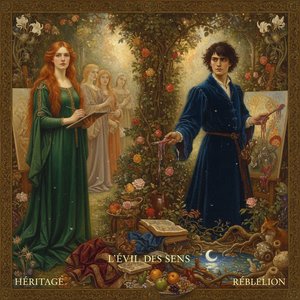
The Pre-Raphaelite Brotherhood: Reclaiming Beauty, Nature, and Truth in Victorian Art History
Explore the revolutionary Pre-Raphaelite Brotherhood. Discover how these visionary artists rejected academic tradition to reclaim beauty, nature, and truth through luminous detail and literary depth in Victorian art history.

Pre-Raphaelite Romanticism: A Guide to Vivid Detail and Medieval Beauty in Victorian Art
Explore the vivid detail and medieval beauty of Pre-Raphaelite Romanticism. Discover the history of masters like Rossetti and Millais through our expert guide to Victorian art, perfect for collectors and professionals seeking authentic, museum-quality reproductions.


