
 Visualizar em escala
 Enviar
 Compartilhar
 Ver detalhes

 Baixar
 Semelhantes
 Raio X
 Apresentação de slides
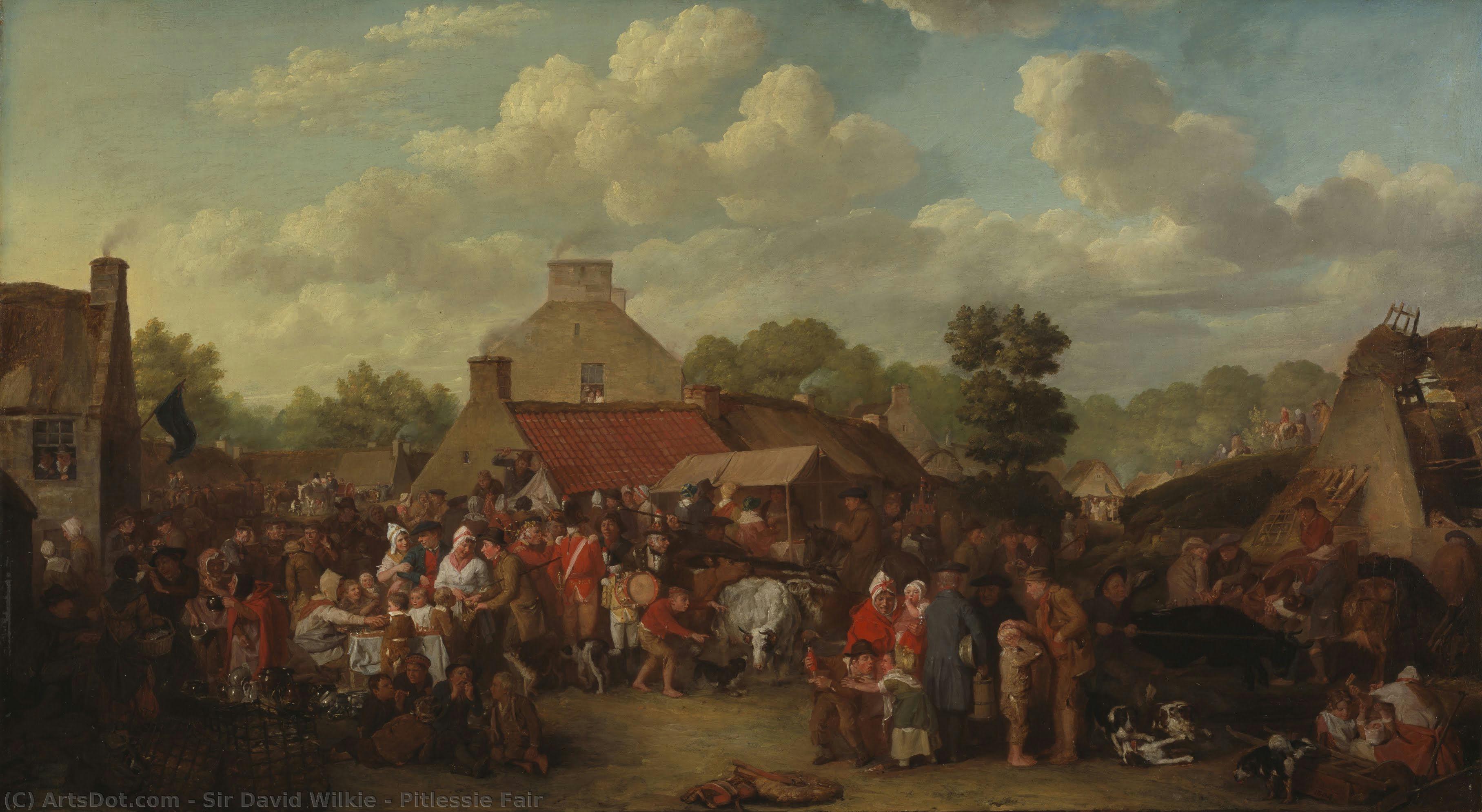
Pitlessie Fair


 Ver mais
Reprodução em Óleo Feita à Mão
Óleo sobre tela pintado à mão no seu tamanho e moldura, feito sob encomenda pelos nossos artistas. ( Encomendar impressão Comprar imagem em alta resolução)




P118B $10

P118H $10

P118W $10

P438Z $10

P508JH $12

P508YH $12

P805H $10

P805Z $10

P919BZ $10

P919G $10

P919XJ $10

P959ZH $10

P968JZ $12

W106C $8

W218G $10

W218JH $8

W218Y $10

W307PJ $10

W316G $10

W316PJ $8

W316Y $10

W398PJ $8

W4111J $10

W500HY $15

W500JH $15

W692G $12

W849H $8

W940BG $15

W953PJ $8




Escolha entre os nossos tamanhos pré-definidos que respeitam as proporções originais da obra de arte.

Pode inserir as suas próprias dimensões para se adequar a uma moldura ou espaço específico. Se o tamanho selecionado não corresponder às proporções da imagem original, iremos cortar a obra de arte ou estender a pintura com elementos adicionais pintados à mão. Um esboço digital será enviado para sua aprovação antes do início da produção.
Tenha em atenção que a pré-visualização no ecrã não reflete o corte ou extensão real. Apenas o esboço mostrará com precisão a composição final.
Embora tamanhos personalizados estejam disponíveis, recomendamos selecionar uma dimensão da lista predefinida para preservar as proporções originais.
Após o pedido, a equipa OriginalUniqueArt.com enviará um e-mail ao cliente para solicitar instruções e fornecer uma prévia do esboço.
Entrega mundial () em 3 a 4 semanas, em vez das 5 semanas padrão. (15 Agosto). Sem comprometer a qualidade.

Envio Expresso Gratuito para todo o Mundo

Tela de Linho Premium

Seguro de transporte total

Garantia de Reembolso de Impostos Alfandegários

Garantia de Fidelidade de Cor

Política de Devolução de 60 Dias (Apenas para Defeitos)

Garantia de reembolso de 100%

Desconto para múltiplas unidades
 A opção de vidro está disponível apenas para tamanhos inferiores a 110 cm

Pitlessie Fair
Técnica de Reprodução
Dimensões da Reprodução
-


Preço Total
$ 300
Descrição da Obra
A Tapestry of Village Life: Capturing the Spirit of Pitlessie Fair
To gaze upon this depiction of the Pitlessie Fair is to step directly into the vibrant heart of early nineteenth-century rural England. It is more than just a painting; it is a meticulously preserved moment in time, an olfactory memory of hay smoke, laughter, and the earthy scent of livestock mingling in a bustling town square. Sir David Wilkie, through this masterful oil on canvas from 1804, achieved something rare: he captured not merely a scene, but the very pulse of community life. The composition is alive, teeming with humanity and animal energy, inviting the viewer to lose themselves within its joyful chaos.
Wilkie's Mastery of Everyday Moments
Sir David Wilkie earned his reputation as "The People’s Painter," a title that speaks volumes about his dedication to elevating the mundane into the realm of high art. His technique, characterized by an almost luminous handling of paint and an unparalleled attention to detail, allows every figure and every beast to feel utterly real. Observe the interplay between the numerous individuals; some are engaged in intimate whispers, others are caught mid-gesture in a dance or transaction. The inclusion of horses and cows is not mere filler; they anchor the scene in tangible reality, grounding the gaiety of the fair in the rhythms of agricultural life. Wilkie possessed an extraordinary gift for tonal gradation, allowing light to seem as if it were filtering naturally through the open air onto the canvas.
Historical Resonance and Social Portraiture
The early 1800s represented a period of significant social flux in Britain, a time when traditional village structures remained potent yet were subtly shifting under the weight of burgeoning industrial change. This fair serves as a beautiful historical document, offering an unvarnished glimpse into the social fabric before the sweeping transformations of later decades. It speaks to a pre-Victorian sense of communal celebration—a necessary release valve for the close-knit community. For collectors and designers alike, owning a reproduction of this work is acquiring a piece of tangible British history, imbued with the warmth of its era.
Emotional Echoes for the Modern Home
The emotional impact of this painting is one of pure, unadulterated conviviality. It radiates warmth—the kind that settles over a room and makes it feel instantly lived-in and cherished. For an interior setting, this piece acts as a magnificent focal point, injecting narrative depth and spirited energy into any space. Whether placed above a mantelpiece or within a gallery grouping, the scene invites contemplation on connection, celebration, and the enduring power of human gathering. It is art that does not merely hang on a wall; it breathes life back into a room.
Biografia do Artista
Sir David Wilkie (1785–1841): O Pintor do Povo e o Visionário Romântico
David Wilkie, nascido em 18 de novembro de 1785, na Escócia, ergue-se como uma figura fundamental na arte britânica do século XIX — um pintor celebrado não apenas por sua destreza técnica, mas também por capturar o espírito da vida cotidiana com uma empatia notável. Ele faleceu em 1º de junho de 1841, deixando para trás uma obra impressionante que continua a inspirar admiração e estudos acadêmicos. A jornada artística de Wilkie teve início em meio ao florescente movimento Romântico, moldando seu estilo distinto e suas preocupações temáticas.Juventude e Formação Artística
Os anos formativos de Wilkie foram passados em Edimburgo, onde recebeu uma rigorosa educação artística sob a tutela de John Ramsay, aperfeiçoando suas habilidades no desenho e na pintura de paisagens e retratos. Este treinamento fundamental instilou nele uma atenção meticulosa aos detalhes e uma compreensão profunda da gradação tonal — características que se tornariam marcas registradas de sua obra madura. Seu talento rapidamente conquistou reconhecimento, impulsionando-o em direção à cena artística de Londres, onde se estabeleceu como um artista e mestre respeitado.Pintura de Gênero: Capturando a Essência da Vida
Wilkie distinguiu-se primordialmente através da pintura de gênero — cenas que retratam a vida comum com um grau incomum de realismo e percepção psicológica. Ao contrário de muitos artistas de sua época, que favoreciam grandes narrativas históricas, Wilkie concentrou-se em capturar as nuances da experiência humana: as expressões de emoção, as interações entre indivíduos e os detalhes sutis que transmitiam atmosfera e caráter. Sua obra-prima, “The Chelsea Pensioners Reading the Waterloo Dispatch”, exemplifica perfeitamente essa abordagem; não é meramente a representação de um evento histórico, mas um retrato imersivo dos próprios homens, transmitindo suas ansiedades, esperanças e camaradagem com uma precisão de tirar o fôlego. Esta pintura encontra-se hoje na Apsley House.Comissões Históricas e Estilo Artístico
A reputação de Wilkie ascendeu ao ápice quando foi nomeado Pintor Principal Ordinário do Rei William IV e da Rainha Victoria — um cargo prestigioso que lhe garantiu encomendas para pinturas históricas monumentais e retratos da realeza. Ele abraçou o desafio com a deduidade característica, produzindo telas imbuídas de grandeza e infundidas com o idealismo Romântico. Seu estilo evoluiu ao longo do tempo, incorporando influências de Caravaggio e Rembrandt, mas retendo uma sensibilidade distintamente escocesa, caracterizada por paletas de cores luminosas e uma pincelada magistral. A sobrinha do artista, Sophia Wilkie, posteriormente Sra. James Winfield, foi uma importante apoiadora de seus empreendimentos artísticos.Obras Notáveis e Legado
O legado artístico de Wilkie estende-se para além das pinturas individuais; ele impactou profundamente o desenvolvimento da arte britânica. Sua observação meticulosa da natureza — evidente em paisagens como “The Shepherdess Returning from Watering” — estabeleceu-o como um pioneiro da pintura topográfica. Além disso, seus retratos, incluindo os da Rainha Victoria e do Príncipe Albert, são considerados entre os melhores de sua era, capturando não apenas a semelhança física, mas também a profundidade psicológica. Explore ‘A Bookcase’ de Sir David Wilkie – uma deslumbrante pintura neoclássica de detalhes impecáveis e técnica magistral. Admire sua importância histórica e beleza atemporal. Malcolm Simmons (1946-2014) foi uma lenda britânica do speedway que transitou de forma única para a pintura. Explore sua arte — um testemunho de adrenalina e criatividade — ao lado de obras de Velázquez e Wilkie na OriginalUniqueArt. Descubra um legado além das pistas! Charles Shreiff, um miniaturista escocês surdo, renomado por suas requintadas miniaturas de retratos e paisagens. Explore seu legado na OriginalUniqueArt!. Sir Alexander Keith também é um artista importante de seu tempo. A Fleming Collection: a principal coleção de arte escocesa do Reino Unido! Descubra mais de 600 obras, de Raeburn aos Colourists & Glasgow Boys, através de visitas e empréstimos. Um ‘museu sem paredes’.Conclusão
A influência duradoura de David Wilkie na pintura britânica provém de seu compromisso inabalável com o realismo combinado à emoção Romântica — uma síntese que resultou em imagens de profunda beleza e ressonância psicológica. Sua obra continua a ecoar no público contemporâneo, consolidando seu lugar como “o pintor do povo” e um verdadeiro visionário de sua época.
Sir David Wilkie
1785 - 1841 , Escócia
Informações Rápidas
- Artistic Movement Or Style: Pintura de gênero
- Artists Or Movements Influenced By This Artist: ['Arte Britânica']
- Artists Who Influenced This Artist: ['Romantismo']
- Date Of Birth: 18 de novembro de 1785
- Date Of Death: 1 de junho de 1841
- Full Name: David Wilkie
- Nationality: Escocês
- Notable Artworks:
- The Chelsea Pensioners Reading the Waterloo Dispatch
- A Bookcase
- Place Of Birth: Escócia
Artigos Relacionados

Sir David Wilkie: Narrative Detail & the Rise of Victorian Genre Painting
Explore the life & work of Sir David Wilkie, a pivotal figure in Victorian genre painting. Discover his narrative detail, social commentary, and lasting influence on 19th-century British art. Learn more at OriginalUniqueArt.
Romantic Realism's Finest: 10 Masterpieces for Your Home | OriginalUniqueArt
Explore 10 defining masterpieces of Romantic Realism! Discover Courbet, Millet & Daumier's powerful paintings—capturing emotion and social realities. Find museum-quality reproductions for your home at OriginalUniqueArt.com.

Século XIX na Arte: 10 Obras que Definem uma Era | OriginalUniqueArt
Mergulhe no século XIX com 10 obras de arte icônicas! Explore Monet, Renoir e Van Gogh. Descubra a história, técnica e emoção por trás dos mestres do Impressionismo e Realismo. Encontre reproduções de alta qualidade em OriginalUniqueArt.com.

The Enduring Legacy of Oil on Canvas: Technique, History & Aesthetic Impact
Explore the rich history & techniques of oil painting – from Renaissance masters to Impressionism. Discover pigments, layering methods, and why this timeless medium endures. Expert insights for artists & art enthusiasts.
Thomas George Webster: Navigating Genre Boundaries & American Identity in 19th-Century Landscape Painting
Explore the captivating genre scenes of Thomas George Webster, a Victorian painter bridging British traditions with American themes. Discover his style, influences & legacy in 19th-century art history.

