Menu

() ·

A painting made for you, by hand

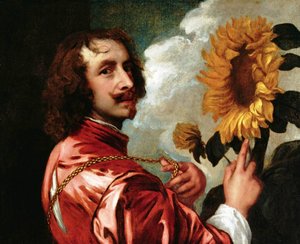
Self-Portrait

Reprodução em Óleo Feita à Mão

Óleo sobre tela pintado à mão no tamanho e moldura de sua escolha, feito sob encomenda pelos nossos artistas. ( Alternar para Impressão Alternar para Imagem Digital)

Descrição do Item

Admire Sir Anthony van Dyck’s ‘Self-Portrait,’ a captivating Baroque masterpiece showcasing his elegance and skill. Explore the life & artistry of the Flemish court painter at OriginalUniqueArt.com.

Biografia do Artista

Sir Anthony van Dyck (1599-1641): Mestre da pintura barroca flamenga, renomado por retratos elegantes da aristocracia europeia e do reinado de Carlos I. Influência marcante na arte inglesa.

from ·

Chapter 1

How large should it be?

Slide to change the size; the picture on the left shows the frame at its real width. The proportions of the original are kept.

Tamanho padrão
personalizado
CM
INCH

Escolha entre os nossos tamanhos pré-definidos que respeitam as proporções originais da obra de arte.

largura
altura

Insira a largura e a altura desejadas para se ajustarem à sua moldura ou parede. Como esta obra é pintada à mão, para um tamanho com proporções diferentes, o artista poderá pintar um pouco mais ao redor da imagem ou reduzir ligeiramente a composição — você escolhe. Enviamos uma maquete digital para sua aprovação antes de iniciar a pintura. A imagem exibida nesta página não representa o resultado real — apenas a maquete mostra o resultado final.

Chapter 2

How should it arrive?

Choose the edges of the stretched canvas

Choose your frame

Corner sample of the WhiteWrap canvas edge finish, stretched on madeira maciça bars
White €1
Corner sample of the BlurSideWrap canvas edge finish, stretched on madeira maciça bars
Blurside €1
Corner sample of the ExtendedWrap canvas edge finish, stretched on madeira maciça bars
Extended €1
Corner sample of the P118B picture frame: poliestireno moldado, 5 cm wide and 3 cm thick
P118B €10
Corner sample of the P118H picture frame: poliestireno moldado, 5 cm wide and 3 cm thick
P118H €10
Corner sample of the P118W picture frame: poliestireno moldado, 5 cm wide and 3 cm thick
P118W €10
Corner sample of the P438Z picture frame: poliestireno moldado, 5.5 cm wide and 3.5 cm thick
P438Z €10
Corner sample of the P508JH picture frame: poliestireno moldado, 7 cm wide and 3.5 cm thick
P508JH €12
Corner sample of the P508YH picture frame: poliestireno moldado, 7 cm wide and 3.5 cm thick
P508YH €12
Corner sample of the P805H picture frame: poliestireno moldado, 5 cm wide and 3.5 cm thick
P805H €10
Corner sample of the P805Z picture frame: poliestireno moldado, 5 cm wide and 3.5 cm thick
P805Z €10
Corner sample of the P919BZ picture frame: poliestireno moldado, 7 cm wide and 3.5 cm thick
P919BZ €10
Corner sample of the P919G picture frame: poliestireno moldado, 7 cm wide and 3.5 cm thick
P919G €10
Corner sample of the P919XJ picture frame: poliestireno moldado, 7 cm wide and 3.5 cm thick
P919XJ €10
Corner sample of the P959ZH picture frame: poliestireno moldado, 5 cm wide and 3 cm thick
P959ZH €10
Corner sample of the P968JZ picture frame: poliestireno moldado, 6 cm wide and 4 cm thick
P968JZ €12
Corner sample of the W106C picture frame: madeira maciça, 5 cm wide and 3 cm thick
W106C €8
Corner sample of the W218G picture frame: madeira maciça, 5 cm wide and 3 cm thick
W218G €10
Corner sample of the W218JH picture frame: madeira maciça, 5 cm wide and 3 cm thick
W218JH €8
Corner sample of the W218Y picture frame: madeira maciça, 5 cm wide and 3 cm thick
W218Y €10
Corner sample of the W307PJ picture frame: madeira maciça, 6 cm wide and 3 cm thick
W307PJ €10
Corner sample of the W316G picture frame: madeira maciça, 6 cm wide and 3 cm thick
W316G €10
Corner sample of the W316PJ picture frame: madeira maciça, 6 cm wide and 3 cm thick
W316PJ €8
Corner sample of the W316Y picture frame: madeira maciça, 6 cm wide and 3 cm thick
W316Y €10
Corner sample of the W398PJ picture frame: madeira maciça, 5 cm wide and 3 cm thick
W398PJ €8
Corner sample of the W4111J picture frame: madeira maciça, 6.5 cm wide and 3.5 cm thick
W4111J €10
Corner sample of the W500HY picture frame: madeira maciça, 7 cm wide and 5 cm thick
W500HY €15
Corner sample of the W500JH picture frame: madeira maciça, 7 cm wide and 5 cm thick
W500JH €15
Corner sample of the W692G picture frame: madeira maciça, 8 cm wide and 4 cm thick
W692G €12
Corner sample of the W849H picture frame: madeira maciça, 5 cm wide and 3 cm thick
W849H €8
Corner sample of the W940BG picture frame: madeira maciça, 7.5 cm wide and 4.5 cm thick
W940BG €15
Corner sample of the W953PJ picture frame: madeira maciça, 6 cm wide and 3.5 cm thick
W953PJ €8
Corner sample of the H24-GOLD picture frame: madeira entalhada com gesso, 10 cm wide and 6 cm thick
H24-GOLD €30
Corner sample of the H24-SILVER picture frame: madeira entalhada com gesso, 10 cm wide and 6 cm thick
H24-SILVER €30
Corner sample of the H36-GOLD picture frame: madeira entalhada com gesso, 15 cm wide and 6.5 cm thick
H36-GOLD €45
Corner sample of the H36-SILVER picture frame: madeira entalhada com gesso, 15 cm wide and 6.5 cm thick
H36-SILVER €45
Prévia da moldura
Com moldura

Moulding: . Overall size with the frame: .

Chapter 3

Who paints it, and should anything change?

Examples of what can be changed: Replace face with customer photo; Add pet (e.g., replace cat with dog); Include hidden message in background; Change background landscape or elements.
After order, OriginalUniqueArt.com team will email client for instructions and provide a mockup preview

Entrega mundial () em 3 a 4 semanas, em vez das 5 semanas padrão. (31 Outubro). Sem comprometer a qualidade.

Chapter 4

The finishing touches

A nameplate, as in a museum?

Detalhes da Placa de Bronze Gravada

This elegant plaque features the artist's name and the title of the artwork, finely engraved for a timeless presentation.

It is made from bronze with a refined, elegant finish. The text is precisely laser-engraved for a sharp and permanent result. Measuring 9x2 cm, the plaque is compact yet easy to read. It's built to be durable and scratch-resistant, offering a professional, museum-quality look. Mounting is simple thanks to the included adhesive backing.

Detalhes da Placa de Acrílico Transparente

The plaque includes essential engraved details such as the artist's name, the title of the artwork, the date it was created, the type of media used-like oil on canvas or watercolor-a brief description of the piece, and a QR code that links to the complete artwork information.

It is crafted from clear acrylic, offering a sleek, modern appearance. The text is UV-engraved in black to ensure strong visual contrast. With a size of 10x15 cm, it ensures optimal readability. It comes equipped with two metal hooks for secure wall mounting. The plaque is designed to be weather-resistant, making it suitable for various environments, and it includes interactive features that work seamlessly with smartphone scanning.

Detalhes da Placa de Acrílico Preto

This elegant plaque includes engraved information such as the artist's name, the title of the artwork, the date it was created, the type of media used (like oil on canvas or watercolor), a short description of the artwork, and a QR code for quick access to more information.

The plaque itself is made from refined black acrylic with a premium finish. The text is laser-engraved in white for high contrast and readability. Its size is 10x15 cm, designed to be easy to read. It comes with two metal hooks for professional mounting. The design is sleek and fits any interior style. It is also weather-resistant and durable, with built-in digital integration for mobile compatibility.

A protective varnish?

When do you need it?

Chapter 5

Your painting, as you ordered it

Self-Portrait

Técnica de Reprodução

Tamanho da Reprodução

-

Artista Sênior de Elite

Mais detalhes, refinamento e tempo de produção adicional

-

Moldura para Reprodução

-

-

Para obras de arte ou reproduções com mais de 105 cm (aproximadamente 41 polegadas) em qualquer um dos lados, a moldura será enviada como um kit desmontado. Este método garante uma entrega segura e evita danos durante o transporte.

Montagem profissional necessária — este não é um produto DIY (faça você mesmo).
O kit deve ser montado e a tela esticada por um profissional de molduraria experiente, utilizando cola de madeira (não inclusa), um alicate de esticar tela e grampos para manter as travessas alinhadas enquanto a cola seca. A montagem incorreta ou a tensão desigual da tela podem danificar permanentemente a obra de arte e não estão cobertas pela nossa garantia.

  • Todas as barras de madeira maciça estão incluídas, precisamente cortadas ao tamanho certo.

  • Montado com os parafusos fornecidos, além de cola para madeira para as junções dos cantos, que não está inclusa e deve ser providenciada pelo seu moldurista.

  • São necessárias ferramentas profissionais não incluídas: um alicate de estiramento de tela (esticador) e grampos para manter as ripas alinhadas enquanto a cola seca.

Importante:
As junções dos cantos requerem cola para madeira, as ripas devem ser mantidas com grampos até que a cola esteja completamente seca, e o estiramento da tela na moldura montada requer um alicate de esticar tela. Nenhum destes itens está incluído no kit. Por favor, certifique-se de contar com um profissional de molduraria experiente antes de encomendar este tamanho.

Etiqueta de identificação

-

-

Verniz de Proteção

Verniz brilhante (realça as cores e protege contra a luz e a umidade)

-

Personalizar minha obra

Exemplos de alterações possíveis: Substituir o rosto por uma foto do cliente; Adicionar um animal de estimação (ex.: substituir gato por cachorro); Incluir uma mensagem oculta no fundo; Alterar a paisagem ou os elementos do fundo.

-

Urgente

Entrega mundial () em 3 a 4 semanas, em vez das 5 semanas padrão. (31 Outubro). Sem comprometer a qualidade.

-

Envio Expresso

Entrega mundial para em 5 semanas. (7 Novembro).

Com envio incluído

Preço Total

€ 266

Preço Total € 266

A opção de vidro está disponível apenas para tamanhos inferiores a 110 cm

Included with every order

  • Envio expresso gratuito para todo o mundo
  • Tela de Linho de Alta Qualidade
  • Seguro de transporte completo
  • Garantia de Reembolso de Impostos Alfandegários
  • Garantia de Fidelidade Cromática
  • Política de Devolução em 100 Dias (Apenas para Defeitos)
  • Garantia de reembolso de 100%
  • Oferta de desconto por quantidade

A Portrait of Power and Grace: Sir Anthony van Dyck’s Self-Portrait

Sir Anthony van Dyck's 1632 self-portrait offers an intimate glimpse into the mind of one of the most celebrated portraitists of the Baroque era. More than a simple likeness, this painting is a carefully constructed statement about artistic identity, ambition, and the burgeoning confidence of a rising star. Measuring a modest 79 x 62 cm, it’s deceptively rich in detail – a testament to van Dyck's meticulous technique and his profound understanding of human form and expression. The blurred background immediately draws the eye to the central figure, emphasizing his presence and inviting us into a private moment.

Van Dyck, born in Antwerp in 1599, rapidly ascended through the ranks of Flemish art, initially apprenticed under Hendrick van Balen before finding his true voice under the tutelage of Peter Paul Rubens. This formative period instilled within him a deep appreciation for dynamic composition, vibrant color palettes, and masterful use of light – elements that would become hallmarks of his distinctive style. However, unlike Rubens’ often theatrical grandeur, Van Dyck cultivated an elegance and refinement, a subtle sophistication that quickly established him as the premier court painter in England.

The Anatomy of Confidence: Style and Technique

Painted during a pivotal period of his career – just before he secured his position at Charles I's court – this self-portrait reveals much about Van Dyck’s artistic approach. Note the remarkably realistic depiction of his features, achieved through careful observation and an understanding of anatomy gleaned from extensive study. The slightly turned head, with its direct gaze towards the viewer, conveys a sense of quiet authority and engagement. His meticulously rendered beard, a fashionable trend at the time, adds to the image’s dignified composure.

Van Dyck's mastery lies not just in his ability to capture likeness but also in his skillful manipulation of light and shadow. The soft, diffused lighting creates a sense of depth and volume, highlighting the contours of his face and clothing. The subtle gradations of tone – from the dark shadows beneath his chin to the highlights on his forehead – contribute significantly to the painting’s overall atmosphere of serenity and self-assuredness. He employed a technique known as *sfumato*, borrowed from Leonardo da Vinci, creating hazy outlines that soften edges and add an ethereal quality.

Symbolism and Context: A Royal Portraitist

The black shirt worn by Van Dyck is significant; it was the color of choice for court painters at the time, signifying their status and connection to royalty. The rope around his neck, a seemingly simple detail, could be interpreted as a subtle reference to mortality – a poignant reminder of the artist’s own fleeting existence. It's also possible that it represents the burdens and responsibilities associated with his prestigious position.

This self-portrait was created during a period of immense artistic and political change in England. Charles I, who commissioned many of Van Dyck’s portraits, sought to project an image of strength and stability – qualities reflected in the artist's carefully crafted depiction of himself. Van Dyck’s success at court solidified his reputation as a leading figure in English art, influencing generations of portrait painters to come. The painting stands as a powerful symbol of artistic ambition, personal identity, and the enduring legacy of one of the Baroque era’s greatest talents.

Bringing Van Dyck's Vision Home: A Hand-Painted Reproduction

OriginalUniqueArt offers exquisite, hand-painted reproductions of Sir Anthony van Dyck’s “Self-Portrait.” Each reproduction is meticulously crafted by skilled artists who have painstakingly studied the original, ensuring an unparalleled level of accuracy and detail. Unlike digital prints, our hand-painted reproductions capture the nuances of Van Dyck's technique – the subtle gradations of light, the delicate brushstrokes, and the overall atmosphere of elegance and grace. Whether you’re a seasoned art collector or simply seeking to add a touch of Baroque sophistication to your interior design, a OriginalUniqueArt reproduction of this iconic portrait is an investment in timeless beauty and artistic excellence.

Explore the full artwork details and order your hand-painted reproduction today: Click Here

Perguntas e Respostas

Quem é o autor de "Self-Portrait" e a qual movimento pertence?

Antoon van Dyck criou "Self-Portrait" dentro do movimento Baroque Portraiture.

O que representa "Self-Portrait"?

"Self-Portrait", de Antoon van Dyck retrata: portraiture, baroque, dutch art, van dyck, england, nobleman, rope, mystery.

Onde deve ser pendurada uma reprodução de "Self-Portrait", de Antoon van Dyck?

Com o seu formato Portrait, uma reprodução de "Self-Portrait" é sugerida para um(a) Living Room.

More about this painting

Visualizar na parede Visualizar em RA Alternar para Impressão Alternar para Imagem Digital Compartilhar
Detalhes Guia Adicionar aos favoritos Baixar imagem Semelhantes Raio X Ver diaporama Q&A Estatísticas

In numbers

  • 1632the year it was painted
  • 29frames to choose from
  • standard sizes, in its own proportions
  • 5weeks to paint and deliver it
Antoon van Dyck

Antoon van Dyck

1599 - 1641, Bélgica

Quick facts about Antoon van Dyck

  • Artistic Movement Or Style: Barroco
  • Artists Or Movements Influenced By This Artist: ['Pintura Inglesa']
  • Artists Who Influenced This Artist: ['Rubens']
  • Date Of Birth: 22 Mar 1599
  • Date Of Death: 9 Dez 1641
  • Full Name: Sir Anthony van Dyck
  • Nationality: Flemish
  • Notable Artworks:
    • Retrato da Mulher
    • Retrato de Carlos I
  • Place Of Birth: Antuérpia, Bélgica

Biografia do Artista

A Ascensão de um Mestre Flamengo: Sir Anthony van Dyck

Sir Anthony van Dyck, nascido em Antuérpia em 1599, emergiu como um dos pintores mais celebrados e influentes da era barroca. Sua vida, tragicamente interrompida aos quarenta e dois anos, foi uma jornada artística intensa e repleta de comissões prestigiosas que o levaram das terras natalas da Flandres para a Itália e, finalmente, ao coração da corte inglesa. Desde cedo, van Dyck demonstrou um talento notável, ingressando no ateliê de Hendrick van Balen como jovem aprendiz e absorvendo rapidamente os estilos predominantes da época. No entanto, sua associação com Peter Paul Rubens – não apenas como aluno, mas como colaborador – moldou profundamente sua base artística. Aprendeu com a dinâmica das composições de Rubens, suas ricas paletas de cores e seu domínio magistral da luz e sombra, mas logo começou a forjar seu próprio caminho distinto, caracterizado por uma elegância e refinamento que se tornariam sua marca registrada.

Influências e Formação em Itália

Os anos que van Dyck passou na Itália, começando por volta de 1621, foram cruciais para o desenvolvimento de seu estilo. Ele residiu principalmente em Gênova, onde conquistou a afeição das famílias aristocráticas da cidade. Foi ali que ele cultivou o estilo sofisticado pelo qual se tornaria conhecido – um estilo marcado por poses graciosas, tecidos luxuosos e uma quase palpável sensação de nobreza. Ao contrário da energia robusta frequentemente encontrada nas obras de Rubens, os retratos italianos de van Dyck exalavam uma compostura refinada, capturando não apenas a semelhança física, mas também o caráter interior e o status social de seus modelos. Durante este período, ele embarcou em sua *Iconografia*, uma série de gravuras meticulosamente detalhadas que retratavam figuras proeminentes da época – artistas, estudiosos e governantes. Este projeto demonstrou sua excepcional habilidade técnica e estabeleceu-o como um dos principais gravuristas. Essas gravuras não eram meros registros; eram imagens cuidadosamente construídas, concebidas para eternizar os sujeitos e transmitir seu status e intelecto.

A Influência de Rubens e a Busca por um Estilo Próprio

A relação com Peter Paul Rubens foi fundamental na formação de van Dyck. Ele não apenas estudou as obras do mestre flamengo, mas também trabalhou em seu ateliê, absorvendo suas técnicas e ideias. No entanto, van Dyck logo começou a desenvolver seu próprio estilo, que se distinguia pela elegância, refinamento e uma atenção meticulosa aos detalhes. Ele incorporou elementos da tradição flamenga, como o uso de cores vibrantes e a representação realista das texturas, mas também adicionou um toque de italianidade, com suas composições dinâmicas e sua ênfase na beleza idealizada. A influência de Rubens é evidente em muitos dos primeiros trabalhos de van Dyck, mas ele logo conseguiu estabelecer uma identidade artística própria, que o tornaria famoso por sua elegância e refinamento.

O Reconhecimento na Corte Inglesa

Em 1632, van Dyck recebeu um convite que mudaria seu destino – um chamado do rei Carlos I da Inglaterra para se tornar o pintor de corte. Esta nomeação marcou um ponto de virada, não apenas para van Dyck, mas também para a pintura inglesa. Ele chegou em Londres com uma reputação sólida e rapidamente se tornou indispensável ao monarca, encarregado de criar imagens que projetassem uma aura de poder, majestade e direito divino. Os retratos de Carlos I são particularmente notáveis; ele se afastou das representações rígidas e formais favorecidas por artistas anteriores, em vez de pintar o rei como um líder dinâmico e carismático. Ele empregou técnicas inovadoras – iluminação dramática, gestos amplos e fundos cuidadosamente escolhidos – para criar imagens que fossem tanto visualmente deslumbrantes quanto politicamente carregadas. Sua influência se estendeu além da família real, moldando a cultura visual da aristocracia inglesa por gerações. Ele não apenas pintava retratos; ele criava uma imagem de realeza, influenciando como o monarca era percebido por mais de um século.

Legado e Influência Duradoura

A morte prematura de van Dyck em 1641 privou o mundo da arte de um talento prodigioso, mas seu legado perdura até hoje. Seu impacto na pintura inglesa é imensurável; ele estabeleceu um padrão de elegância e refinamento que artistas subsequentes se esforçariam para emular.
  • Inovação Técnica: Ele foi mestre tanto na pintura a óleo quanto na gravura, experimentando constantemente novas técnicas.
  • Estilo Refinado: Seus retratos são caracterizados por poses graciosas, tecidos luxuosos e sutis insights psicológicos.
  • Influência Cortesã: Ele transformou a imagem da monarquia inglesa, criando uma linguagem visual de poder e prestígio.
Além de sua habilidade técnica, van Dyck possuía uma capacidade excepcional de capturar a essência de seus modelos – sua personalidade, seu status social e suas aspirações. Suas obras continuam a cativar o público com sua beleza, elegância e profundidade psicológica duradoura. *Os Filhos de Balbi*, *Carlos I em Três Posições* e inúmeros outros mestres são testemunhos de seu gênio, garantindo que Sir Anthony van Dyck permaneça um dos artistas mais celebrados da era barroca. Sua influência ainda pode ser vista hoje em dia na moda, fotografia e na pintura contemporânea, um testemunho do apelo atemporal de sua arte.

Informações Rápidas

  • Medium: Oil on panel
  • Title: Self-Portrait
  • Artistic style: Elegant portraiture
  • Movement: Baroque
  • Year: 1632
  • Location: Private Collection

Quiz de Arte

Cada pergunta possui apenas uma resposta correta.

Pergunta 1:
What is the primary subject of Sir Anthony van Dyck’s ‘Self-Portrait’?
Pergunta 2:
In what year was Sir Anthony van Dyck’s ‘Self-Portrait’ painted?
Pergunta 3:
The blurry background in the ‘Self-Portrait’ serves what purpose?
Pergunta 4:
Sir Anthony van Dyck is best known for his work during which period?
Pergunta 5:
What artistic style is most closely associated with Sir Anthony van Dyck’s work?