Visualizar na parede
 Compartilhar
 Compartilhar
 Detalhes
 Guia
Guia

 Baixar imagem
 Semelhantes
 Raio X
 Ver diaporama
 Perguntas e Respostas
 Estatísticas
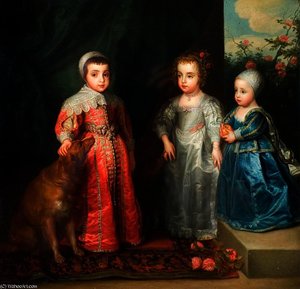
Jupiter and Antiope

- 150.0 x 206.0 cm


 Ler mais
Giclée / Impressão de Arte
Impressão giclée ou em tela de qualidade de museu, com produção rápida e opções flexíveis de acabamento. ( Comprar pintura feita à mão Alternar para Imagem Digital)




P118B €10

P118H €10

P118W €10

P438Z €10

P508JH €12

P508YH €12

P805H €10

P805Z €10

P919BZ €10

P919G €10

P919XJ €10

P959ZH €10

P968JZ €12

W106C €8

W218G €10

W218JH €8

W218Y €10

W307PJ €10

W316G €10

W316PJ €8

W316Y €10

W398PJ €8

W4111J €10

W500HY €15

W500JH €15

W692G €12

W849H €8

W940BG €15

W953PJ €8




Escolha entre os nossos tamanhos pré-definidos que respeitam as proporções originais da obra de arte.

Insira a largura e a altura desejadas para se ajustarem à sua moldura ou parede. Uma impressão pode ser apenas cortada, nunca ampliada além da imagem original; portanto, um tamanho com proporções diferentes resultará na perda de parte da imagem. Enviamos uma maquete digital para sua aprovação antes de realizarmos a impressão. A imagem exibida nesta página não mostra o corte real — apenas a maquete o faz.
Entrega mundial () em 2 semanas, em vez das 4/5 semanas padrão. (3 Novembro)

Envio expresso gratuito para todo o mundo

Tela de Linho de Alta Qualidade

Seguro de transporte completo

Garantia de Reembolso de Impostos Alfandegários

Garantia de Fidelidade Cromática

Política de Devolução em 100 Dias (Apenas para Defeitos)

Garantia de reembolso de 100%

Oferta de desconto por quantidade
 A opção de vidro está disponível apenas para tamanhos inferiores a 110 cm

Jupiter and Antiope
Giclée / Impressão de Arte
Tamanho da Reprodução
-


Preço Total
€ 72
A Baroque Encounter: The Divine and the Earthly
In the grand theater of the Baroque era, few moments capture the tension between celestial power and mortal vulnerability as exquisitely as Sir Anthony van Dyck’s "Jupiter and Antiope." Painted around 1620, this monumental canvas serves as a breathtaking window into a world where myth and flesh collide. The scene unfolds with a dramatic intensity that is quintessential to the Flemish Master's early period, presenting us with the god Jupiter—disguised as a wild, muscular satyr—as he descends upon the unsuspecting Antiope. There is an immediate, palpable electricity in the air; the viewer is not merely an observer but a witness to a transformative moment of divine seduction that blurs the lines between the sacred and the profane.
Van Dyck, a protégé of the legendary Peter Paul Rubens, utilizes his profound understanding of movement and anatomy to orchestrate this encounter. The composition is masterfully structured in a pyramidal form, a technique that provides stability to an otherwise turbulent subject. At the apex sits the powerful, dark-toned figure of the satyr, whose presence looms over the pale, luminous form of Antiope. This stark contrast in skin tones—the sun-kissed, rugged texture of the masculine deity against the porcelain, ethereal glow of the maiden—creates a visual rhythm that guides the eye through the swirling drapery and the muscular tension of the figures.
Mastery of Light and Symbolic Depth
The true soul of this masterpiece lies in Van Dyck’s unparalleled command of chiaroscuro. He employs light not merely to illuminate, but to sculpt emotion. An unseen, celestial light source washes over Antiope, highlighting the delicate curves of her form and the silken flow of her hair, casting her as a beacon of innocence amidst the encroaching shadows. This interplay of deep, velvety blacks and brilliant highlights creates a sense of three-dimensional depth that makes the figures appear to breathe within their rocky, atmospheric setting. The background, filled with heavy, brooding clouds and the rugged textures of a cliffside, reinforces the primal nature of the myth.
Every element within the frame is steeped in symbolic resonance. Perched upon a nearby outcrop, an eagle spreads its wings—a silent, watchful emblem of Jupiter’s imperial authority and divine vigilance. While the scene captures a moment of earthly desire, the eagle reminds us of the inescapable gaze of the heavens. Antiope herself represents the idealized feminine virtue of the period, her serene yet vulnerable pose inviting a contemplation on the fragility of purity when confronted by the overwhelming forces of nature and divinity. It is this duality—the erotic tension paired with a sense of cosmic order—that gives the painting its enduring psychological depth.
An Inspiration for the Discerning Collector
For the art lover, the collector, or the interior designer, "Jupiter and Antiope" offers much more than mere decoration; it offers a narrative centerpiece. The painting’s rich palette of deep ochres, shadows, and luminous creams possesses a timeless elegance that can anchor a room with a sense of historical gravity and sophisticated drama. Whether placed in a grand library or a contemporary gallery space, a high-quality reproduction of this work brings with it the prestige of the Flemish Baroque tradition.
Integrating such a piece into a curated collection allows for an exploration of the themes that have captivated humanity for centuries: beauty, power, and the mysteries of the unknown. It is a work that demands attention, sparking conversation and providing a focal point of profound emotional impact. To possess a reproduction of Van Dyck’s brilliance is to invite the dramatic spirit of the 17th century into the modern home, ensuring that the legacy of one of history's greatest portraitists continues to inspire awe and admiration.
Perguntas e Respostas
Qual é a luminância de "Jupiter and Antiope", de Antoon van Dyck?
"Jupiter and Antiope", de Antoon van Dyck possui uma luminância Soft Shadow. A luminância descreve quanta luz as cores parecem refletir.
Qual é a técnica e o tamanho da obra original "Jupiter and Antiope", de Antoon van Dyck?
"Jupiter and Antiope" foi realizada em Oil On Canvas e mede 150 x 206 cm em sua forma original.
Qual é o formato e as dimensões de "Jupiter and Antiope"?
"Jupiter and Antiope", de Antoon van Dyck é uma composição em Landscape com dimensões de 150 x 206 cm no original.
Biografia do Artista
A Ascensão de um Mestre Flamengo: Sir Anthony van Dyck
Sir Anthony van Dyck, nascido em Antuérpia em 1599, emergiu como um dos pintores mais celebrados e influentes da era barroca. Sua vida, tragicamente interrompida aos quarenta e dois anos, foi uma jornada artística intensa e repleta de comissões prestigiosas que o levaram das terras natalas da Flandres para a Itália e, finalmente, ao coração da corte inglesa. Desde cedo, van Dyck demonstrou um talento notável, ingressando no ateliê de Hendrick van Balen como jovem aprendiz e absorvendo rapidamente os estilos predominantes da época. No entanto, sua associação com Peter Paul Rubens – não apenas como aluno, mas como colaborador – moldou profundamente sua base artística. Aprendeu com a dinâmica das composições de Rubens, suas ricas paletas de cores e seu domínio magistral da luz e sombra, mas logo começou a forjar seu próprio caminho distinto, caracterizado por uma elegância e refinamento que se tornariam sua marca registrada.Influências e Formação em Itália
Os anos que van Dyck passou na Itália, começando por volta de 1621, foram cruciais para o desenvolvimento de seu estilo. Ele residiu principalmente em Gênova, onde conquistou a afeição das famílias aristocráticas da cidade. Foi ali que ele cultivou o estilo sofisticado pelo qual se tornaria conhecido – um estilo marcado por poses graciosas, tecidos luxuosos e uma quase palpável sensação de nobreza. Ao contrário da energia robusta frequentemente encontrada nas obras de Rubens, os retratos italianos de van Dyck exalavam uma compostura refinada, capturando não apenas a semelhança física, mas também o caráter interior e o status social de seus modelos. Durante este período, ele embarcou em sua *Iconografia*, uma série de gravuras meticulosamente detalhadas que retratavam figuras proeminentes da época – artistas, estudiosos e governantes. Este projeto demonstrou sua excepcional habilidade técnica e estabeleceu-o como um dos principais gravuristas. Essas gravuras não eram meros registros; eram imagens cuidadosamente construídas, concebidas para eternizar os sujeitos e transmitir seu status e intelecto.A Influência de Rubens e a Busca por um Estilo Próprio
A relação com Peter Paul Rubens foi fundamental na formação de van Dyck. Ele não apenas estudou as obras do mestre flamengo, mas também trabalhou em seu ateliê, absorvendo suas técnicas e ideias. No entanto, van Dyck logo começou a desenvolver seu próprio estilo, que se distinguia pela elegância, refinamento e uma atenção meticulosa aos detalhes. Ele incorporou elementos da tradição flamenga, como o uso de cores vibrantes e a representação realista das texturas, mas também adicionou um toque de italianidade, com suas composições dinâmicas e sua ênfase na beleza idealizada. A influência de Rubens é evidente em muitos dos primeiros trabalhos de van Dyck, mas ele logo conseguiu estabelecer uma identidade artística própria, que o tornaria famoso por sua elegância e refinamento.O Reconhecimento na Corte Inglesa
Em 1632, van Dyck recebeu um convite que mudaria seu destino – um chamado do rei Carlos I da Inglaterra para se tornar o pintor de corte. Esta nomeação marcou um ponto de virada, não apenas para van Dyck, mas também para a pintura inglesa. Ele chegou em Londres com uma reputação sólida e rapidamente se tornou indispensável ao monarca, encarregado de criar imagens que projetassem uma aura de poder, majestade e direito divino. Os retratos de Carlos I são particularmente notáveis; ele se afastou das representações rígidas e formais favorecidas por artistas anteriores, em vez de pintar o rei como um líder dinâmico e carismático. Ele empregou técnicas inovadoras – iluminação dramática, gestos amplos e fundos cuidadosamente escolhidos – para criar imagens que fossem tanto visualmente deslumbrantes quanto politicamente carregadas. Sua influência se estendeu além da família real, moldando a cultura visual da aristocracia inglesa por gerações. Ele não apenas pintava retratos; ele criava uma imagem de realeza, influenciando como o monarca era percebido por mais de um século.Legado e Influência Duradoura
A morte prematura de van Dyck em 1641 privou o mundo da arte de um talento prodigioso, mas seu legado perdura até hoje. Seu impacto na pintura inglesa é imensurável; ele estabeleceu um padrão de elegância e refinamento que artistas subsequentes se esforçariam para emular.- Inovação Técnica: Ele foi mestre tanto na pintura a óleo quanto na gravura, experimentando constantemente novas técnicas.
- Estilo Refinado: Seus retratos são caracterizados por poses graciosas, tecidos luxuosos e sutis insights psicológicos.
- Influência Cortesã: Ele transformou a imagem da monarquia inglesa, criando uma linguagem visual de poder e prestígio.

Antoon van Dyck
1599 - 1641 , Bélgica
Dados Rápidos
- Artistic Movement Or Style: Barroco
- Artists Or Movements Influenced By This Artist: ['Pintura Inglesa']
- Artists Who Influenced This Artist: ['Rubens']
- Date Of Birth: 22 Mar 1599
- Date Of Death: 9 Dez 1641
- Full Name: Sir Anthony van Dyck
- Nationality: Flemish
- Notable Artworks:
- Retrato da Mulher
- Retrato de Carlos I
- Place Of Birth: Antuérpia, Bélgica
Artigos Relacionados

Mastering the Classics: The 25 Greatest Paintings by Nicolas Poussin
Journey through the grandeur of French Baroque with our curated list of the top 25 Nicolas Poussin masterpieces. Explore the stories behind these timeless classical paintings and find museum-quality art reproductions for your decor. Discover all masterpieces on OriginalUniqueArt.com.

10 Iconic Masterpieces That Defined the Baroque Era
Immerse yourself in the drama of Baroque painting. Explore 10 legendary masterpieces, from Caravaggio’s chiaroscuro to Rembrandt's brilliance. Find museum-quality art reproductions and timeless decor inspiration at OriginalUniqueArt.com. Discover all masterpieces on OriginalUniqueArt.com.

Masterpieces of Motion: The Top 25 Greatest Artworks by Peter Paul Rubens
Immerse yourself in the dramatic splendor of Baroque master, Peter Paul Rubens. Explore 25 iconic paintings, from mythological epics to vibrant portraits. Find inspiration for museum-quality art reproductions and luxury decor. Discover all masterpieces on OriginalUniqueArt.com.
10 Iconic Baroque Masterpieces That Changed Art Forever
Step into the drama of the Baroque era. Explore 10 iconic masterpieces featuring dramatic chiaroscuro and legendary artists. Find inspiration for your space with museum-quality art reproductions and curated decor. Discover all masterpieces on OriginalUniqueArt.com.
10 Iconic Baroque Masterpieces That Changed Art Forever
Step into the drama of the Baroque era. Explore 10 iconic masterpieces by legends like Caravaggio and Bernini, featuring breathtaking chiaroscuro and rich textures. Find museum-quality art reproductions for your decor. Discover all masterpieces on OriginalUniqueArt.com.