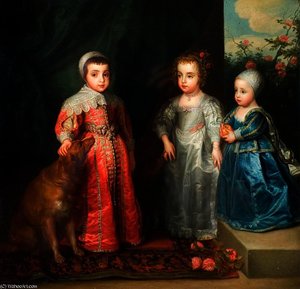
Visualizar na parede
 Compartilhar
 Compartilhar
 Detalhes
 Guia
Guia

 Baixar imagem
 Semelhantes
 Raio X
 Ver diaporama
 Q&A
Q&A Estatísticas
Abraham and Isaac

- 119.0 x 178.0 cm


 Ler mais
Giclée / Impressão de Arte
Impressão giclée ou em tela de qualidade de museu, com produção rápida e opções flexíveis de acabamento. ( Comprar pintura feita à mão Alternar para Imagem Digital)




P118B €10

P118H €10

P118W €10

P438Z €10

P508JH €12

P508YH €12

P805H €10

P805Z €10

P919BZ €10

P919G €10

P919XJ €10

P959ZH €10

P968JZ €12

W106C €8

W218G €10

W218JH €8

W218Y €10

W307PJ €10

W316G €10

W316PJ €8

W316Y €10

W398PJ €8

W4111J €10

W500HY €15

W500JH €15

W692G €12

W849H €8

W940BG €15

W953PJ €8




Escolha entre os nossos tamanhos pré-definidos que respeitam as proporções originais da obra de arte.

Insira a largura e a altura desejadas para se ajustarem à sua moldura ou parede. Uma impressão pode ser apenas cortada, nunca ampliada além da imagem original; portanto, um tamanho com proporções diferentes resultará na perda de parte da imagem. Enviamos uma maquete digital para sua aprovação antes de realizarmos a impressão. A imagem exibida nesta página não mostra o corte real — apenas a maquete o faz.
Entrega mundial () em 2 semanas, em vez das 4/5 semanas padrão. (1 Novembro)

Envio expresso gratuito para todo o mundo

Tela de Linho de Alta Qualidade

Seguro de transporte completo

Garantia de Reembolso de Impostos Alfandegários

Garantia de Fidelidade Cromática

Política de Devolução em 100 Dias (Apenas para Defeitos)

Garantia de reembolso de 100%

Oferta de desconto por quantidade
 A opção de vidro está disponível apenas para tamanhos inferiores a 110 cm

Abraham and Isaac
Giclée / Impressão de Arte
Tamanho da Reprodução
-


Preço Total
€ 71
A Testament to Faith: Van Dyck’s Abraham and Isaac
Sir Anthony van Dyck's “Abraham and Isaac,” painted in 1617, is more than just a biblical scene; it’s a profound meditation on faith, obedience, and the agonizing weight of divine command. This masterful work transcends its religious subject matter to become a timeless exploration of human emotion and the complex relationship between man and God. Van Dyck, already establishing his signature style—characterized by elegant portraits and a remarkable ability to capture fleeting expressions—delves into this pivotal narrative with an intensity that resonates deeply even today.
The painting depicts the moment before Abraham is poised to sacrifice Isaac, as recounted in Genesis. The composition is remarkably balanced, drawing the eye immediately to the central figures of the father and son. Abraham, rendered with a dignified sorrow etched onto his face, holds Isaac firmly but gently, conveying both resolve and heartbreaking reluctance. Isaac’s youthful countenance reflects a mixture of apprehension and acceptance—a poignant testament to the boy's unwavering trust in his father’s judgment. The surrounding figures – servants, messengers, and the landscape itself – are rendered with subtle detail, contributing to the overall sense of drama and solemnity.
Baroque Drama: Technique and Composition
Van Dyck’s technical prowess is immediately evident in the painting's rich textures and masterful use of light. He employs a technique known as “sfumato,” blurring the edges of forms to create an atmospheric haze that envelops the scene, intensifying the emotional impact. The deep, saturated colors—particularly the earthy tones of Abraham’s robe and the muted blues of the sky—lend a sense of gravitas and timelessness to the composition. Van Dyck's brushwork is remarkably fluid, particularly in depicting the drapery, which flows with an almost sculptural quality. Note how he uses light to highlight key elements – Isaac’s face, Abraham’s hand – drawing attention to the central drama.
The painting adheres closely to the conventions of Baroque art, but Van Dyck infuses it with a distinctly personal touch. The composition is carefully structured around a triangular arrangement, anchoring the scene and directing the viewer's gaze towards the central figures. The use of perspective creates a sense of depth, drawing the viewer into the narrative and immersing them in the emotional intensity of the moment. Van Dyck’s ability to capture such nuanced emotion within a formal structure is a hallmark of his genius.
Symbolism and Interpretation
“Abraham and Isaac” is laden with symbolic meaning. The ram, sacrificed in place of Isaac, represents divine mercy and substitution—a powerful image of God's willingness to accept alternative offerings in lieu of human sacrifice. The mountain itself – Jehovah-jireh, “the Lord will provide” – symbolizes a moment of faith tested to its limits. It’s not merely a landscape; it’s a stage for the drama of divine revelation and humanity’s response to it.
Beyond the biblical narrative, the painting can be interpreted as an allegory of the human condition—a reflection on the challenges of obedience, the burden of responsibility, and the enduring struggle between faith and doubt. Abraham's anguish mirrors our own moments of uncertainty and moral dilemmas, while Isaac’s youthful acceptance speaks to the power of trust and unwavering belief. The painting invites viewers to contemplate their own relationship with faith, morality, and the choices they make in the face of adversity.
A Legacy of Elegance: Van Dyck's Enduring Influence
Sir Anthony van Dyck’s “Abraham and Isaac” stands as a testament to his artistic skill and profound understanding of human emotion. His masterful technique, combined with a keen awareness of symbolism and narrative depth, elevates the painting beyond a simple depiction of a biblical story. It remains a powerful and moving work of art, admired for its beauty, its emotional resonance, and its enduring relevance. Reproductions of this iconic piece capture the essence of Van Dyck’s genius, offering a glimpse into a world of elegance, drama, and timeless contemplation.
Perguntas e Respostas
Qual tamanho e orientação são recomendados para uma impressão de "Abraham and Isaac", de Antoon van Dyck?
Para "Abraham and Isaac", o formato de impressão recomendado é o tamanho Large com orientação Landscape.
Em que ano e em qual movimento foi feita a obra "Abraham and Isaac"?
"Abraham and Isaac" foi criada em 1617 como uma obra do movimento Baroque. A data e o movimento situam a obra na história da arte.
Qual é a técnica utilizada em "Abraham and Isaac", de Antoon van Dyck?
"Abraham and Isaac" é executada em Oil On Canvas.
Biografia do Artista
A Ascensão de um Mestre Flamengo: Sir Anthony van Dyck
Sir Anthony van Dyck, nascido em Antuérpia em 1599, emergiu como um dos pintores mais celebrados e influentes da era barroca. Sua vida, tragicamente interrompida aos quarenta e dois anos, foi uma jornada artística intensa e repleta de comissões prestigiosas que o levaram das terras natalas da Flandres para a Itália e, finalmente, ao coração da corte inglesa. Desde cedo, van Dyck demonstrou um talento notável, ingressando no ateliê de Hendrick van Balen como jovem aprendiz e absorvendo rapidamente os estilos predominantes da época. No entanto, sua associação com Peter Paul Rubens – não apenas como aluno, mas como colaborador – moldou profundamente sua base artística. Aprendeu com a dinâmica das composições de Rubens, suas ricas paletas de cores e seu domínio magistral da luz e sombra, mas logo começou a forjar seu próprio caminho distinto, caracterizado por uma elegância e refinamento que se tornariam sua marca registrada.Influências e Formação em Itália
Os anos que van Dyck passou na Itália, começando por volta de 1621, foram cruciais para o desenvolvimento de seu estilo. Ele residiu principalmente em Gênova, onde conquistou a afeição das famílias aristocráticas da cidade. Foi ali que ele cultivou o estilo sofisticado pelo qual se tornaria conhecido – um estilo marcado por poses graciosas, tecidos luxuosos e uma quase palpável sensação de nobreza. Ao contrário da energia robusta frequentemente encontrada nas obras de Rubens, os retratos italianos de van Dyck exalavam uma compostura refinada, capturando não apenas a semelhança física, mas também o caráter interior e o status social de seus modelos. Durante este período, ele embarcou em sua *Iconografia*, uma série de gravuras meticulosamente detalhadas que retratavam figuras proeminentes da época – artistas, estudiosos e governantes. Este projeto demonstrou sua excepcional habilidade técnica e estabeleceu-o como um dos principais gravuristas. Essas gravuras não eram meros registros; eram imagens cuidadosamente construídas, concebidas para eternizar os sujeitos e transmitir seu status e intelecto.A Influência de Rubens e a Busca por um Estilo Próprio
A relação com Peter Paul Rubens foi fundamental na formação de van Dyck. Ele não apenas estudou as obras do mestre flamengo, mas também trabalhou em seu ateliê, absorvendo suas técnicas e ideias. No entanto, van Dyck logo começou a desenvolver seu próprio estilo, que se distinguia pela elegância, refinamento e uma atenção meticulosa aos detalhes. Ele incorporou elementos da tradição flamenga, como o uso de cores vibrantes e a representação realista das texturas, mas também adicionou um toque de italianidade, com suas composições dinâmicas e sua ênfase na beleza idealizada. A influência de Rubens é evidente em muitos dos primeiros trabalhos de van Dyck, mas ele logo conseguiu estabelecer uma identidade artística própria, que o tornaria famoso por sua elegância e refinamento.O Reconhecimento na Corte Inglesa
Em 1632, van Dyck recebeu um convite que mudaria seu destino – um chamado do rei Carlos I da Inglaterra para se tornar o pintor de corte. Esta nomeação marcou um ponto de virada, não apenas para van Dyck, mas também para a pintura inglesa. Ele chegou em Londres com uma reputação sólida e rapidamente se tornou indispensável ao monarca, encarregado de criar imagens que projetassem uma aura de poder, majestade e direito divino. Os retratos de Carlos I são particularmente notáveis; ele se afastou das representações rígidas e formais favorecidas por artistas anteriores, em vez de pintar o rei como um líder dinâmico e carismático. Ele empregou técnicas inovadoras – iluminação dramática, gestos amplos e fundos cuidadosamente escolhidos – para criar imagens que fossem tanto visualmente deslumbrantes quanto politicamente carregadas. Sua influência se estendeu além da família real, moldando a cultura visual da aristocracia inglesa por gerações. Ele não apenas pintava retratos; ele criava uma imagem de realeza, influenciando como o monarca era percebido por mais de um século.Legado e Influência Duradoura
A morte prematura de van Dyck em 1641 privou o mundo da arte de um talento prodigioso, mas seu legado perdura até hoje. Seu impacto na pintura inglesa é imensurável; ele estabeleceu um padrão de elegância e refinamento que artistas subsequentes se esforçariam para emular.- Inovação Técnica: Ele foi mestre tanto na pintura a óleo quanto na gravura, experimentando constantemente novas técnicas.
- Estilo Refinado: Seus retratos são caracterizados por poses graciosas, tecidos luxuosos e sutis insights psicológicos.
- Influência Cortesã: Ele transformou a imagem da monarquia inglesa, criando uma linguagem visual de poder e prestígio.
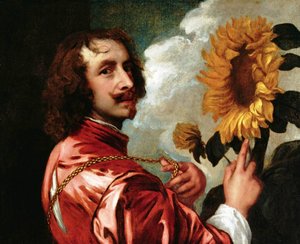
Antoon van Dyck
1599 - 1641 , Bélgica
Dados Rápidos
- Artistic Movement Or Style: Barroco
- Artists Or Movements Influenced By This Artist: ['Pintura Inglesa']
- Artists Who Influenced This Artist: ['Rubens']
- Date Of Birth: 22 Mar 1599
- Date Of Death: 9 Dez 1641
- Full Name: Sir Anthony van Dyck
- Nationality: Flemish
- Notable Artworks:
- Retrato da Mulher
- Retrato de Carlos I
- Place Of Birth: Antuérpia, Bélgica
Artigos Relacionados
The Grandeur of Baroque Portraiture: Power, Emotion & Artistic Innovation
Explore the grandeur of Baroque portraiture! Discover Rubens, Van Dyck & the masters of 17th-century art. Uncover symbolism, techniques & lasting influence. Expert insights for collectors and enthusiasts.
Cornelis van Poelenburch: Bridging Mannerism & the Dutch Baroque Landscape
Discover Cornelis van Poelenburch, a pivotal Dutch Baroque landscape painter bridging Mannerism & Italianate styles. Explore his life, key works, and lasting influence on 17th-century art with OriginalUniqueArt.
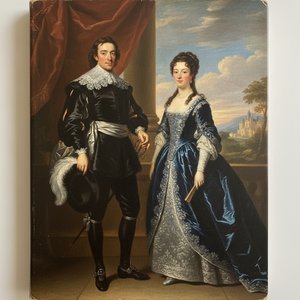
Sir Anthony van Dyck: Courtly Portraiture & the Shaping of Baroque Identity
Explore the life & legacy of Sir Anthony van Dyck, the leading court painter of his era. Discover his innovative portraiture, Baroque masterpieces, and investment potential for discerning collectors. Learn more at OriginalUniqueArt.

Os 10 Mestres do Barroco: Obras-Primas que Moldaram a Arte e Decoram o Lar
Descubra os 10 maiores ícones do Barroco! Explore a história, técnica e emoção por trás de Caravaggio, Rembrandt, Bernini e outros mestres. Encontre reproduções de arte barroca para decorar seu lar com luxo em OriginalUniqueArt.com.

Rembrandt van Rijn: As 25 Obras-Primas que Definem um Mestre da Luz e Sombra | OriginalUniqueArt
Descubra as 25 obras-primas de Rembrandt van Rijn, o mestre da luz e sombra! Explore a história por trás de 'A Ronda Noturna', seus auto-retratos e muito mais. Encontre reproduções de arte exclusivas para decorar sua casa com OriginalUniqueArt.com.